Super resolution microscopy gets a dose of deep learning

Super resolution localization images typically require hundreds or thousands of frames to provide a single reconstructed coordinate map of molecular positions. This takes time to acquire, and therefore limits temporal resolution – how fast you can image. Here researchers from Paris use deep learning – a kind of machine learning/artificial intelligence that uses neural networks to massively accelerate the process.

How it works

ANNA-PALM (artificial neural network accelerated-photo activated localization microscopy) is based on the idea that a computer can predict the structure of a biological entity from sparse data if it has enough prior information about its expected structure. Training the system requires two bits of data. First, the system needs high-density training data of the structure, to represent its true nature. This can be conventionally acquired using Photoactivated localization microscopy (PALM) or other types of microscopy such as Stochastic Optical Reconstruction Microscopy (STORM) or DNA points accumulation for imaging in nanoscale topography (DNA PAINT) – which all use thousands of frames to get extremely dense structural maps. The second requirement is very low-density input data from the same cell, mirroring the number of frames you want to use for the real experiment. The fewer the frames, the higher the temporal resolution.

The artificial neural network (ANN) is used to recover approximations of the dense training data from the under-sampled data, and its success is measured using a ‘loss’ criterion that takes into account various components of the structure. Once this criterion reports reliable reconstruction of the dense image from the under-sampled image, the ANN is trained. By using a widefield image of each cell of interest in conjunction with the reconstructed ANNA-PALM image, the authors built in an error detection method inspired by a technique called SQUIRREL but using neural networks, to identify how well the software has reconstructed the structure.

After training the ANN on multiple datasets, it can be used to predict the structure of dense images based only on under-sampled images from experimental imaging data. These dense reconstructions, the product of the trained neural network, are therefore new data. They approximate the real situation had the sampling met the Nyquist requirement, where for a given resolution unit there must be at least two independent localizations. (In practice this could refer to the hypothetical ability to label every single G actin protein within an actin fibre, for example.)

What it can do

The researchers report that the technique is even able to pick up changes in the network due to drug perturbation – a major question if the goal of an experiment is to compare structural networks in multiple experimental conditions. It may therefore be possible to use sparse data to reconstruct more complex structures, such as actin networks that differ in separate parts of the cell – for example the dense actin in the leading edge compared with the stress fibre like actin in the lamella of T cells or dictyostelium. However, careful experimental planning would have to be included in situations where the status of the structure in condition B is completely unknown. Using a few conventionally acquired super-resolution images obtained from a high number of frames is one way of validating this technique.

Clear advantages of the technique exist. The first is its application to high throughput super resolution microscopy. The high temporal resolution afforded by ANNA-PALM means that you can practically image many more cells in a single day. By using an automated imaging system, Ouyang et al. were able to obtain super resolution images of microtubules in more than 1000 fixed cells in a single day. Each cell only required 10 seconds of imaging time to produce a reliable map of microtubules. Transforming a sparse localization image into a dense super-resolution image using ANNA-PALM takes less than 1 second per field of view.

Applying ANNA-PALM to live cell microscopy in conjunction with automated imaging systems, could reduce human bias during cell picking, decrease phototoxicity and increase the technique’s applicability to fast moving cells such as leukocytes.

There are other approaches that also aim to achieve higher temporal resolution. For live cell super-resolution microscopy, some researchers in the field are trying to increase temporal resolution by engineering bright fluorescent proteins that provide sufficient signal for 1 millisecond frame rates. Other researchers are attempting to increase temporal resolution by decreasing the number of required molecules per reconstructed frame to extract meaningful statistical data about protein clusters. Bayesian statistics allows researchers to successfully quantify very sparse datasets, but focuses on the biological phenomenon of protein clustering. Structures, as opposed to clusters, are notoriously hard to capture and quantify by super-resolution localization microscopy, since extracting meaningful quantitative data requires the full structure.

This technique gives researchers access to maps of entire fibre networks (actin, microtubules etc) and other structural components within cells (microtubules, nuclear pores, spectrin repeats etc) with only a few frames of acquisition data. When combined with multiplexed imaging, quantitative analysis techniques, and advances in fluorophore engineering as mentioned above, ANNA-PALM will be a useful technique to elucidate the role of such structures, and how they interact with signalling networks inside living cells.

Full details of the work can be found at Nature Biotechnology.

Astronauts use ultrasound to measure spinal health

© AuntMinnie

Astronauts armed with a compact ultrasound system successfully performed scans on each other while on the International Space Station. The scans were part of a study to assess spinal changes during long-term spaceflight that could lead to back pain, researchers wrote in the April issue of the Journal of Ultrasound in Medicine.

A group from Henry Ford Hospital worked with NASA to train astronauts on the International Space Station to use ultrasound for imaging the spines of their colleagues during flight. The researchers found that it was feasible to teach these novice users to use ultrasound effectively for this purpose. In addition, the data collected could help in the development of countermeasures to protect astronauts’ spines during spaceflight, as well as the creation of protocols for treating injury once the astronauts have returned.

“Focused ultrasound monitoring of the spine for longitudinal changes during long-duration spaceflight may influence additional strategies or nutrition/drug therapies to reduce disk degeneration,” lead author Kathleen Garcia and colleagues wrote. “[Our] study demonstrates a potential role for ultrasound in evaluating spinal integrity and alterations in the extreme environment of space.”

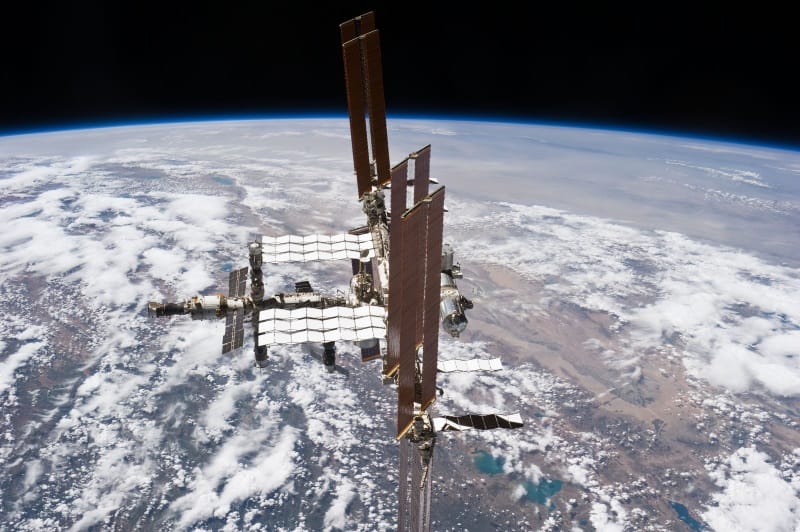
The ISS

Aches and pains

Starting with the Apollo program and continuing into the International Space Station era, moderate to severe back pain has been a common medical complaint among astronauts, corresponding author Scott Dulchavsky told AuntMinnie.com.

Scott Dulchavsky

“When there’s no gravity, the spine loosens, making it less stable and putting stress on muscles and ligaments,” he said. “The spine can actually elongate by as much as three inches, and that puts astronauts at higher risk of problems when they return.”

MRI and CT are the clinical standards for spinal imaging, but they aren’t available in space. Ultrasound can be carried on space vehicles thanks to its compact size, but a framework for imaging spinal structures in space hasn’t been clearly formulated, Garcia’s team wrote.

To address this problem, the researchers developed an ultrasound protocol for spaceflight, and they investigated whether astronauts on the International Space Station could effectively perform ultrasound assessments of the lumbar and cervical regions of the spine. Seven astronauts participated in the study and served as both ultrasound operators and research subjects; two additional crew members were trained as backup operators. The exams were read remotely, and the researchers then compared these in-flight results with preflight and postflight MRI and ultrasound exams (J. Ultrasound Med. 37 987).

The astronauts were trained six months before their mission via an online program that included a review of spinal anatomy, procedure demonstrations, equipment setup orientation, and a software review, as well as a one-hour, hands-on session during which they alternated between patient and operator roles. The exams were conducted with GE Healthcare’s Vivid q device, a laptop-sized ultrasound scanner. The astronauts were assisted remotely by experts at NASA’s Lyndon B. Johnson Space Center in Houston.

When the astronauts underwent the exams, they were placed supine on a medical restraint system on board the space station. To evaluate the effects of a lack of gravity on the spine over time, each study participant had three in-flight ultrasounds: one at day 30, one at day 90, and one at day 150.

The astronauts easily obtained high-quality images of the lumbar and cervical vertebrae, the researchers found. Overall success rates for image acquisition were 95% in the lumbar spine and 90% in the cervical spine. In addition, there was “no appreciable difference in success rates for either image acquisition or image quality between expert operators and astronaut crew members in the lumbar and cervical regions,” they wrote.

The study findings fill in a data gap, according to Garcia and colleagues.

“Given the previous void of in-flight spinal imaging capabilities in space, to our knowledge, this study represents the first attempt to monitor microgravity-associated acute changes to the spine while they are occurring,” they wrote.

Greater purpose

One of the benefits of this kind of research is that the findings can influence healthcare on Earth, according to Dulchavsky.

“By putting smart people into constrained environments like space, we can find solutions to health problems that can be used beyond the space station,” he said. “Our work here found not only that nonphysicians can be trained to effectively use imaging devices, but it also pointed to further research on exercise and dietary regimens that could help keep the spine healthy in patients on Earth.”

As the US sets its sights on sending astronauts on longer missions – such as to Mars – understanding how the human body is affected by space is crucial, Garcia and colleagues wrote.

“As the duration of space missions continues to increase, [ultrasound’s utility] will only gain importance in monitoring crew health and diagnosing disorders,” the group concluded. “Further investigations should be performed to corroborate this imaging technique and to create a larger database related to in-flight spinal disorders during long-duration spaceflights.”

  • This article was originally published on AuntMinnie.com. © 2018 by AuntMinnie.com. Any copying, republication or redistribution of AuntMinnie.com content is expressly prohibited without the prior written consent of AuntMinnie.com.

Renewables in France – good targets, slow progress

Although progress has been relatively slow, France has a quite ambitious energy policy. Nuclear is to be cut back by around 25% by 2025, so that it supplies a maximum of 50% of power, with renewables accelerating to supply 32% of energy by 2030 and doubling their share of electricity to 40% by then. Last year, according to BNEF data, France invested $5bn in clean energy, up 15% on 2016.

It has some interesting renewable energy projects at a range of scales. For example, the go-ahead has been given for 17 GW of small-scale renewables. At the larger scale, a 493 MW offshore wind farm also got the go-ahead off Brittany – its biggest offshore project so far. France has also launched its first floating wind turbine – a 2MW Floatgen “damping pool” unit.

However, it is still some way from reaching its EU-agreed target of getting 23% of its energy from renewables by 2020. Progress has been slowed by bureaucratic constraints and policy shifts. But the problems are gradually being addressed. For example, the government now has a 10-point plan to simplify admin procedures to boost wind so it can double its capacity to 26 GW by 2023. It hopes to halve the time taken to process wind farm applications: some have been opposed locally and some, for offshore sites, can take up to nine years.

Detailed overall plans are still hard to come by, but recent PPE (Plan de programmation pluriannuelle de l’Energie) targets imply total renewable-energy capacity of 70 GW (low scenario) – 77 GW (high scenario) by 2023, delivering 150 and 167 TWh of electricity per year respectively, and increased annual installation rates from 1 to 2 GW for solar, and from 1 to 1.8 GW for wind (though less offshore than expected), as part of the overall goal of increasing renewables share to 23% of gross energy consumption in 2020, on the way to 32% by 2030.

An earlier study by the French environment and energy agency Ademe had claimed that it would be in theory possible to supply all electricity with renewables by 2050. It looked to a mix of 63% off and onshore wind, 17% solar, 13% hydro, and 7% thermal energy (including geothermal). EDF thought this was somewhat optimistic.

Initially it looked as if Macron, the new president, would back an ambitious renewables programme and the nuclear partial phase-out, especially given the appointment of a strongly pro-renewables energy and environment minister. However, after a long delay, the new Macron-led government has now made some adjustments – perhaps following a campaign by the pro-nuclear lobby, including input from the Energy for Humanity group. The partial nuclear phase-out plan has been delayed by five years, maybe more, since it was argued that renewables couldn’t expand fast enough. But this may only be a short-term pause; the aim is still to push renewables strongly. The government it seems may make state-owned utility company EDF shift its focus from nuclear to renewables. Minister Nicholas Hulot says cash-strapped EDF “can revitalize itself through renewables”.

For its part, EDF says it will install 30 GW of PV solar between 2020 and 2035, pushing PV’s input up to 6% of EDF’s total. EDF says that PV is easier to deploy, since there has been resistance to some wind projects, even though, by 2017, France did have around 12 GW of wind, against only about 8 GW of PV. Nevertheless, EDF does seem keen to push all renewables. It’s also supporting offshore marine energy, for example backing Open Hydro’s tidal turbine.

As elsewhere in the EU, while green electricity supply is doing quite well, the heat side has been less successful. However, French utility Engie plans to switch all its gas operations to biogas/renewable hydrogen by 2050, making it 100% green. Engie has 70 biogas projects globally, including 40 in France. It estimates that biogas from farm and other waste – but not using food crops – has the potential to grow from about 1% of gas use in France to 10% by 2025, 30% by 2030 and 100% by 2050. It also wants to produce hydrogen gas with solar by the electrolysis of water at a price that would make it more competitive with steam reforming of hydrocarbons, which accounts for 95% of hydrogen produced today and costs about €2/ kilo, compared to €6/kilo for electrolysis. But it may do that overseas, e.g. in Chile where it has a market base.

In the meantime, France is still faced with its ageing nuclear fleet. Despite the nuclear phase-out delay, the government still aims to shut the old Fessenheim plant and any others that the Nuclear Safety Authority considers dangerous. But it also wants to upgrade the rest, extending their usable life. This may not be easy given the high cost and the financial and technical problems EDF is facing.

EDF’s much-delayed new Flamanville EPR seems to be beset with endless problems. EDF and Avera have certainly had a bad few years with technical crises. For example, the nuclear safety regulator has asked EDF to examine the manufacturing records of all components produced by the Avera Creusot forge in use at its operating nuclear power plants, and other problems have evidently also now emerged, with further delays likely due to welding faults. It has clearly been a long and costly struggle to get this plant built and no further new plants seem likely, unless heavily subsidised.

Given this backdrop, with at one time many of France’s nuclear plants also closed for safety checks, it does seem odd that Macron chose to portray renewables as being unable to take the strain. Macron has been quoted as saying “A large drop in nuclear capacity can’t be immediately compensated by renewables, because solar and wind are intermittent. As distribution networks stand, we can’t replace several gigawatts of nuclear by equivalent amounts of wind or solar. With current technology, the only way to shut down reactors massively would be, as the German case clearly shows, to open thermal or coal, or rely on foreign gas.”

This may be a little disingenuous. Germany does use coal still, but it exports some of its surplus power to France, some of that surplus being due to the success of renewables, with over 100 GW of wind and PV installed so far. The planned 25% nuclear phase-out in France could hopefully have worked if renewables had been accelerating faster there too, going well beyond the 45 GW it had at the end of 2016. They weren’t, so now the nuclear phase-out has been delayed, with, it might be argued, inflexible nuclear still in effect blocking progress with renewables, despite claims that nuclear can ramp up and down more.

France does seem to be making heavy weather of its energy transition, but that was perhaps inevitable given its huge nuclear element. Germany had much less and is managing to phase that out reasonably well, although, as Macron notes, not without some issues. See my next post on Germany – its coal use has actually been falling.

Meanwhile, back in France, looking to the far future, ITER, the €20bn 500 MW international fusion test plant in the south of France, is half built. But it will be a big net power user – not “10 times more out than in”, as was claimed. A way to go then before fusion might be a serious contender in France or anywhere else. See my separate article on fusion and this very cautious look at ITER and what might follow it, stressing the safety problems. 

Nanoporous carbon electrodes harvest blue energy

Blue energy, which is the free energy lost when salty sea water and less salty river water meet and mix in estuaries, could become a significant source of global electricity in the future. Capacitive mixing, an up-and-coming technique that exploits the charge-discharge cycle of capacitors, can be used to harvest this energy but optimizing the devices employed here has been no easy task. Researchers in France have now shown that molecular simulations can realistically predict the capacitance of devices that contain nanoporous carbon materials as the electrodes and salty water as the electrolyte. When run in reverse this technique is also an efficient way to desalinate water in a process known as capacitive deionization.

In both capacitive mixing (CapMix) and capacitive deionization (CDI), electrodes made from nanoporous carbon have a bigger contact surface area with the electrolyte, thus upping the device’s specific capacitance. Researchers previously found that the capacitance of supercapacitors (also known as electric double layer capacitors, or EDLCs) unexpectedly increases when the pore size of carbide-derived carbon (CDC) electrodes used in these energy storage devices decreases down to the size of electrolyte ions. The problem is that these devices do not behaves as models suggest when the size of the pores in the material reach this size.

Molecular scale description

“Our starting point is a molecular scale description of water molecules, ions and of the nanoporous carbon electrodes, with a simplified representation of the interactions between them,” explains team leader Benjamin Rotenberg of the French National Center for Scientific Research (CNRS) and Sorbonne Université in Paris. “We take two important features into account: the complex structure of the electrode material and how it is polarized by the electrolyte when a voltage is applied between the electrodes.

“We then proceed to ‘numerical experiments’ and look at the trajectory of every atom/molecule in the system. From the data obtained, we compute properties that can be directly compared to experimental results – for example, the capacitance of the devices. Good agreement between the two backs up our model.”

In the context of blue energy, researchers rely on two theories of the interface between electrodes and electrolytes: the Debye-Huckël and Poisson-Boltzmann theories. These are very useful in many cases – for example, for planar or porous electrodes with very large pores. “However, they do fail in the present case of extreme confinement, in which molecular effects play an important role,” says Rotenberg.

Simpler description

As for CDI, another model, the modified Donnan model is frequently used. “This is an even simpler description of the equilibrium between the nanopores and the bulk electrolyte,” explains Rotenberg. “It introduces effective parameters that are usually adjusted to fit experimental data.

“While using parameters from the literature for similar materials does not allow us to reproduce our experimental results under all conditions, we can obtain good predictions by fitting the parameters of a modified Donnan model to reproduce the simulations at high electrolyte salt concentrations. In this way, we can extrapolate the predictions to lower salt concentrations without doing any actual experiments.”

Although not ideal, the researchers say the approach allows them to predict the experimental capacitance of their devices at lower salt concentrations fairly well.

Reliably predicting capacitance

“Our work confirms that nanoporous carbon electrodes, which are already employed in supercapacitors to store energy, show promise for both CapMix and CDI,” Rotenberg tells nanotechweb.org. “It also proves that realistic molecular dynamics simulations are good for investigating the fundamental mechanisms at play in these materials. And that the simulations can be used to reliably predict capacitance – especially at high salt concentrations.”

The team, which includes scientists from the Université de Toulouse, within the framework of the French research network on electrochemical energy storage, RS2E, says that it is now busy simulating other salts to address ion specific effects.

“We are also looking into different carbon structures and developing improved simple descriptions that will allow us to overcome the shortcomings of our molecular simulations. Their computational cost unfortunately does not yet allow us to simulate the behaviour of electrolytes that have salinities comparable to that of river water.”

The research is detailed in Physical Review X DOI: https://doi.org/10.1103/PhysRevX.8.021024.

Listening to tornadoes, the physics of fame

It’s heating up as summer arrives in North America and that means tornadoes, especially near Oklahoma State University, which is in a hotspot for the violent storms. To get a better view of what goes on inside a twister, Brian Elbing and colleagues are listening to the low-frequency infrasound produced by the storms using microphones positioned on the roof of a university building. They were able to detect a tornado that was about 20 km away and were able to calculate its diameter to be about 45 m, which was confirmed by the trail of destruction left by the storm. You can read about how the sounds are created inside the tornado in Wired.

Physicists Edward Ramirez and Stephen Hagen from the University of Florida have come up with a way of quantifying and comparing the fame of individuals. Using statistical methods, they determined how famous someone is by looking at various metrics including Google searches and the number of edits to a person’s Wikipedia page.  After analysing fame for hundreds of people who died in 2016 and 2017, they concluded the top three celebrities were Muhammed Ali, Fidel Castro and Prince. Delving deeper, the researchers also found that the statistical distribution of fame obeys a power law that has similar characteristics to “other natural and social phenomena” such as landslides and market crashes.

They even tackle the perception of “celebrity death clustering” showing that it is rather a “statistical consequence” of the large number of famous deaths each year. They describe their analysis in “The quantitative measure and statistical distribution of fame”.

Proton’s weak charge is measured to high precision

The weak charge of the proton has been measure to high-precision for the first time. The work was done at the Thomas Jefferson National Accelerator Facility (Jefferson Lab) in Virginia and the result is in excellent agreement with the Standard Model of particle physics. The team that made the measurement hopes that further, related experiments will provide even more insight into physics beyond the Standard Model.

Done by the international QWEAK collaboration, the experiment involved scattering a beam of spin-polarized electrons from stationary protons in a liquid hydrogen target. The scattering process is dominated by the electromagnetic interaction, but a tiny contribution comes from the weak nuclear force. By measuring the weak contribution, the team can calculate the weak charge of the proton. The weak charge quantifies how a particle couples to the Z0 boson via the weak interaction. It has been measured at high-precision for the electron, but not the proton – until now.

Helping handedness

The measurement process got a helping hand from a quirky property of the weak interaction. The probability of a particle being scattered by the electromagnetic interaction is unaffected by the direction of its spin angular momentum. Remarkably, however, this is not true for weak nuclear scattering. A particle whose spin angular momentum vector points in the same direction as its velocity is scattered differently than a particle with its spin pointing in the opposite direction. This is both a deep, puzzling asymmetry in the fundamental laws of physics and a convenient experimental fingerprint of scattering through the weak interaction.

Team member Gregory Smith of Jefferson Lab says that making the proton measurement presents both significant challenges and tantalizing opportunities: “The nice feature about the weak charge of the proton is that it’s predicted in the Standard Model to be almost zero,” he explains, “so the effects of any new physics that might show up on top of that small background will show up more easily.” The tiny value of the scattering asymmetry, however, makes it very difficult to measure. Furthermore, scattering asymmetry comes not just from the weak interaction but also from the internal structure of the proton.

The asymmetry caused by proton structure increases with the square of momentum transfer, so the researchers kept the beam energy low. They carried out two six-month experimental runs, making improvements to their experimental apparatus in the gap between runs. They then compared their results with other experiments done with higher-energy beams. This allowed them to estimate how the asymmetry changed with energy, and therefore what it would have been if no energy had been exchanged between the particles – impossible as it would have required zero-energy scattering. Their calculated value was about 226 parts per billion.

Constraining leptoquarks

This allowed the team to calculate the proportion of scattering from the weak interaction, and therefore the weak charge of the proton. Their results are in almost perfect agreement with the Standard Model prediction, and put new constraints on the possible existence of leptoquarks. These are hypothetical particles in some extensions of the Standard Model that have quantum numbers of both quarks and leptons.

Xiaochao Zheng of the University of Virginia, who was not involved in the research, believes the finding is significant. “As time goes on, these kinds of high-precision measurements will be done with increasingly higher precision, such as the planned Moller and the PVDIS experiments using the upgraded accelerator at Jefferson Lab.” she says.

Researchers at the University of Mainz in Germany are currently planning an even more accurate determination of the weak charge of the proton, and some QWEAK members are part of that team.Jefferson Lab, meanwhile, is planning to measure the weak charge electron to a new and record-breaking precision. This he says, will lead to an even more stringent test of the Standard Model.

The findings are reported in Nature.


Physicists decry call for US visa restrictions on Chinese researchers

Physicists are voicing concerns over academic freedom and the value of international collaboration after the Trump administration revealed that it is considering restricting Chinese scientists’ ability to carry out research in US universities and institutes. The move – which could directly affect 300 000 researchers – is apparently motivated by fears that Chinese researchers may be involved in espionage activities and secretly transferring sensitive discoveries to the Chinese government.

The administration’s attitude towards Chinese scientists is hardly new. In Senate testimony earlier this year, FBI director Christopher Wray asserted that Chinese “professors, scientists, students [in] basically every discipline” who are working in the US may be covertly gathering intelligence for the Chinese government. Speaking to a House of Representatives panel last month, former national counterintelligence executive Michelle Van Cleave stated that US R&D is “systematically targeted by foreign collectors to fuel their business and industry and military programmes at our expense.” China, she added, “easily tops the threat list.”

“Ill-conceived and damaging”

While the Trump administration has yet to decide to press on with the restrictions, critics of the move foresee long-term consequences for US universities to attract top-rated scientists and students from around the world. “We are concerned that the US administration is considering further restrictions on visas that could limit the travel of Chinese students and scholars from China to the United States,” noted Rush Holt   the former physicist and congressman who heads the American Association for the Advancement of Science  in a statement. “Where specific and confirmed espionage is occurring, action must be taken, but obstructing scientific exchange based on non-specific concerns that could be applied to broad swaths of people is ill-conceived and damaging to American interests.”

If Chinese students are to be restricted from participating in open research, it will hurt scientific and technological advances in the US

Xioaxing Xi

The Chinese-American community has also voiced its strong feelings about the issue. Charlie Woo, a former physicist and policy committee chair of the Committee of 100, an organization of leading Chinese Americans in business, government, academia, and the arts, acknowledges that “there are bad apples” among Chinese scientists and students who visit the US. “But if you single out only scientists from China, that’s a slippery slope,” he says. “I think this kind of policy can lead to racial profiling that in the long run will not be good for the country.”

Xioaxing Xi, a Chinese-American physicist at Temple University, says that the freedom to publish and disseminate research is paramount to US universities. In 2015, Xi was indicted for sharing sensitive information with a Chinese colleague about a commercial product called a “pocket heater” that was made by US-based Superconductor Technologies Inc. However, the case was dropped later that year when prosecutors realized that they had misinterpreted the blueprints that they used as evidence. Xi has now filed a lawsuit against government agents alleging malicious prosecution and invasion of privacy. “If Chinese students are to be restricted from participating in open research, it will hurt scientific and technological advances in the US,” he told Physics World.

Meanwhile, another case of purported spying for China ended last week when Judge Michelle Schroeder ordered the National Weather Service (NWS) to reinstate Chinese-American hydrologist Sherry Chen. FBI agents had arrested Chen in 2014, accusing her of using a stolen password to obtain information about US dams and of lying about a meeting with a Chinese official. Although the case collapsed before it reached trial stage, the Weather Service sacked Chen for “conduct demonstrating unworthiness” and “misrepresentation”. Ruling against the dismissal, Schroeder saw “no reason why [Chen] cannot continue to be a productive employee and continue to contribute to NWS’s mission.”

UK and US scientists tackle Antarctic glacier

An international team of scientists is mounting an ambitious research programme to find how soon a vast Antarctic glacier may collapse, with implications for sea levels worldwide.

The Thwaites Glacier in West Antarctica could significantly affect global sea levels. It already drains an area roughly the size of Britain or the US state of Florida, accounting for around 4% of global sea-level rise, an amount that has doubled since the mid-1990s. Its collapse would destabilise other parts of the ice sheet.

If – or more likely when – Thwaites and its neighbour, the Pine Island glacier, ultimately lose all their ice, one estimate suggests that could raise global sea levels by about 3.4 m, enough to affect every coastal city on Earth.

Fastest-moving

Satellites have shown for more than a decade that the Thwaites region is an area of massive change and rapid ice loss as the global climate warms in response to rising greenhouse gas emissions from humans’ profligate use of fossil fuels. The two glaciers are among the fastest-moving in the Antarctic.

One of the scientists involved in the research is David Vaughan, director of science at the Cambridge-based British Antarctic Survey (BAS). He says he and his colleagues are involved in “a race against time”.

Professor Vaughan told the Climate News Network: “Understanding sea level rise is the front line of climate change, and sea level rise doesn’t happen overnight. [What’s happening to Thwaites] is not an emergency this year, but I’m very glad we’re doing the research this decade, because we can’t wait too long.”

Understanding collapse

As part of a new £20m (roughly US$27.5m) research collaboration, the UK Natural Environment Research Council and the US National Science Foundation are about to send a team of scientists to Antarctica to gather the data needed to understand when the collapse of the Thwaites glacier could begin – in centuries, or in the next few decades.

NERC and NSF are jointly funding eight large-scale projects that will bring together leading polar scientists in the International Thwaites Glacier Collaboration (ITGC), the largest joint project undertaken by the two nations in Antarctica for more than 70 years. The ITGC involves around 100 scientists from leading research institutes in both countries with researchers from South Korea, Germany, Sweden, New Zealand and Finland.

There are signs that the process of Thwaites’ collapse has already begun. Antarctica’s glaciers add to sea-level rise when they lose more ice to the ocean than they gain from snowfall. To fully understand the causes of changes in ice flow requires research on the ice itself, the nearby ocean, and the Antarctic climate.

The collaboration will use drills that can make access holes 1500 m into the ice with jets of hot water, as well as other state-of-the-art techniques and equipment, such as autonomous submarines like the Autosub Long Range, the first of whose fleet is named Boaty McBoatface.

While NERC is funding the UK’s share of the project, it is being co-ordinated by BAS, whose total annual budget is around £50m. The agency co-ordinating the US share is the National Snow & Ice Data Center.

As well as the cost of the research itself, the physical problems of mounting a scientific campaign in one of the most remote places in Antarctica could cost as much again in logistical support. The nearest permanently occupied research station to the Thwaites glacier is more than 1600 km away, so even getting the scientists to where they need to be will be demanding.

Collaboration welcome

Researchers on the ice will rely on aircraft support from UK and US research stations, but oceanographers and geophysicists will approach the glacier from the sea in British and American research icebreakers.

The UK’s science minister, Sam Gyimah, says “Rising sea levels are a globally important issue which cannot be tackled by one country alone. The Thwaites glacier already contributes to rising sea levels, and understanding its likely collapse in the coming century is vitally important.”

The five-year programme begins in October this year and continues to 2023. Its data will be archived and freely shared when it ends.

Surface guidance: a new tool for radiotherapy

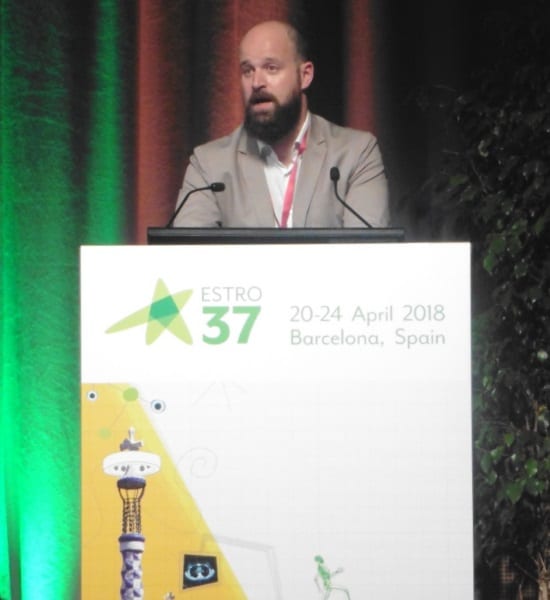
Surface guidance – in which advanced 3D camera technologies are used to track the patient’s skin surface – is increasingly employed for motion management in radiation treatments. At the recent ESTRO 37 congress in Barcelona, Philipp Freislederer from LMU Munich University Hospital explained the rationale behind surface-guided radiotherapy (SGRT).

Philipp Freislederer

“SGRT uses technology to position and monitor the patient’s external surface to ensure they are in the correct position throughout their radiation treatment,” Freislederer explained. “It matches surface data, in six degrees-of-freedom and in real time, to a reference model captured during planning or at the point of internal imaging in the treatment room.”

SGRT can be applied both for patient setup and during the treatment. Traditionally, daily patient positioning is performed using skin marks to align the patient on the treatment coach, followed by verification with cone-beam CT (CBCT) or MV imaging. Surface guidance offers the advantage of being able to see local deviations in areas without skin marks, increasing the accuracy within such regions of the body.

Freislederer and colleagues performed a study evaluating the setup accuracy of an optical surface scanner (C-RAD’s Catalyst HD) in four treatment regions: head-and-neck, thoracic, abdominal/pelvic and extremities. They analysed 1902 treatment fractions in 110 patients. After positioning the patients using conventional skin marks, 3D deviations were detected by SGRT and using CBCT (as a gold standard).

The team found that SGRT provided similar positioning accuracy to CBCT, without the associated additional radiation exposure. They noted particularly good results in areas with fixed tumour-surface relations, such as the cranium, and lower accuracy when moving from the head to thoracic and abdominal regions.

So could surface guidance replace image guidance? “It’s not clear,” said Freislederer. “Image guidance should still be standard, but maybe for some body regions and some fractions, image guidance could be partially replaced.” He noted that staff training will be essential for accurate positioning, and that the small extra time required for SGRT may impede its acceptance.

Intrafraction monitoring

The other key application of SGRT is intra-fractional monitoring, where surface guidance can  constantly monitor the patient position throughout the whole treatment fraction, and any shifts can quickly be observed and accounted for. SGRT can also enable automatic beam holds, an important additional safety feature.

One area where SGRT is particularly useful is to guide deep inspiration breath-hold (DIBH), in which patients hold their breath whilst radiation is delivered. DIBH is employed to limit dose to heart and lungs, particularly during radiotherapy to the left breast, and the beam is switched on and off as the patient breathes.

Freislederer described a prospective study at LMU Munich examining the use of SGRT for DIBH in 168 patients with left-sided breast cancer. The study confirmed the benefits of DIBH. Dose to the heart was reduced compared with free breathing and, in about 25% of patients, the heart was seen to move completely out of the radiation field. He noted that it is possible to perform DIBH using skin marks, but that surface guidance delivers additional safety features and removes the need for invasive procedures such as spirometry.

Another important use of SGRT is in whole-brain radiotherapy using open masks, for patients who cannot tolerate fixed full masks. Instead, a chin immobilization mask can be used and SGRT employed to monitor any residual movements throughout the treatment. Tolerance settings can be employed to perform automated beam hold if required.

Frameless cranial SRS

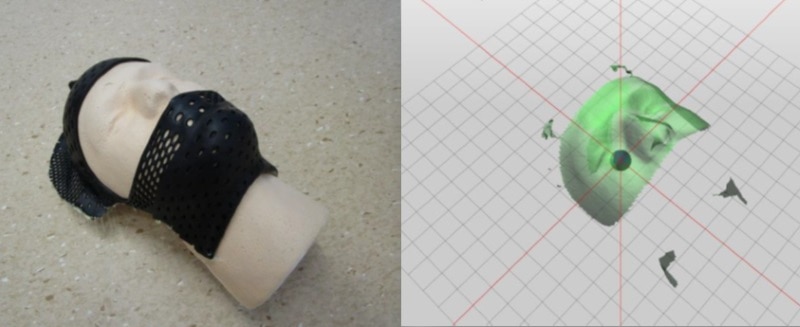
One step further, there’s the possibility of using SGRT to monitor the patient’s position during frameless cranial stereotactic radiosurgery (SRS). Here again, the patient wears a mask with an opening for their eyes and nose and is monitored continuously (about twice per second) during beam-on. Using a mask material with a high contrast to skin enables auto-cropping of the open region in the recorded images.

This approach demonstrated an accuracy of better than 1 mm for isocentric couch rotations. The reproducibility was better than 0.15 mm/0.05° for small translations and better than 0.25 mm/0.1° for small angular deviations – in the same range as for frame-based SRS.

Finally, surface guidance can be applied for respiratory-correlated 4DCT scanning. Here, SGRT could serve as an ideal surrogate with which to measure the patient’s breathing, without the need for belts or other sensors. One important consideration is the best place to measure motion. Freislederer suggested that this could be the upper abdomen on the right side of the patient.

Limitations and possibilities

While there are many applications for SGRT in radiotherapy, Freislederer cautioned that there are limitations too. Surface guidance is not suitable for gating or tracking in stereotactic body radiotherapy of the lung or liver, for example. Respiration is not stable and a breathing curve prediction algorithm would be required. Also, there are currently no models available that accurately correlate motion of the patient’s surface and tumour.

Freislederer concluded that surface guidance offers great potential for fast and accurate patient positioning and continuous intra-fractional motion surveillance during radiotherapy. He emphasized that staff training is essential and that vendors will need to adapt clinical workflows and standards. “SGRT can provide extra safety, improved accuracy, and the possibilities of implementing new radiotherapy techniques,” he told the delegates. “But one must keep in mind that an extra effort must always be made, such as training, quality assurance and time expenses.”

Nanotechnology for more sustainable farming?

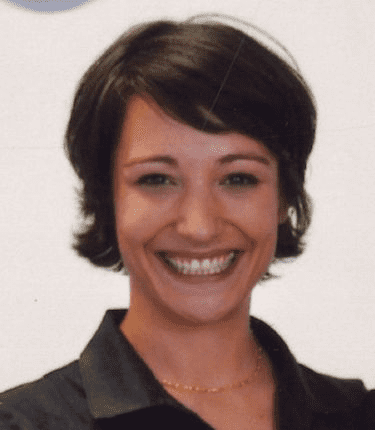
Photo of Melanie Kah
The results from the first ever meta-analysis of its kind suggest that nanotechnology could help improve the design of today’s agrochemicals. It might thus help reduce the impact that modern agriculture has on the environment and human health in the future, and also contribute to global food security.

According to the United Nations, the world’s population will reach 9.7 billion in 2050, explains study lead author Melanie Kah of the University of Vienna in Austria and CSIRO in Australia. This means that overall agriculture production will need to increase by 60%, compared to 2005 levels. This increase should of course be sustainable – that is, the quest for high yields and more efficient agricultural practices should not damage the environment or human health.

Nano-based versions of existing pesticides and fertilizers

Nanotechnology shows promise here and researchers have already begun to develop nano-based versions of existing pesticides and fertilizers. These nanoagrochemicals have several advantages over conventional formulas – for example, they might be delivered directly to a pest and/or may be more efficient.

The types of nanopesticide being developed are mainly reformulations of registered active ingredients that have insecticidal, fungicidal or herbicidal properties, explain Kah and colleagues. They can either contain “soft” nanoparticles (such as polymers or solid lipids) or “hard” materials like silica nanoparticles, carbon nanotubes or graphene oxides. Most active ingredients are organic molecules, but some are also inorganic. Copper, for instance, has been used as a fungicide for centuries.

Quantitative evaluation

The problem is that many existing pesticides are not very efficient and their widespread use has already contaminated both terrestrial and aquatic environments. One of the promises of nanoagrochemicals is that farmers might need to use less of these overall.

In their study, published in Nature Nanotechnology doi:10.1038/s41565-018-0131-1, Kah’s team set out to quantitatively evaluate how nanoagrochemicals compare to conventional pesticides and fertilizers. To do this the researchers collected and analysed data from around 80 recently published papers. They found that some reported nanoformulations can alter the properties of pesticides and fertilisers, but not all. Indeed, some changes may not necessarily reduce impact on the environment, they say.

“A critical assessment of nanoagrochemicals is crucial”

“For instance, while some nanoformulations are potentially 10 times more efficient than their conventional counterparts, our analysis shows that the median gain in efficacy is generally only about 20-30%,” says Kah. “On the plus side, reducing the use of agrochemicals by 20-30% could significantly mitigate environmental contamination. At the same time though, one might question whether the typical benefits reported in the literature – that is, observed in the laboratory – will actually translate to the field. For example, when real-world agricultural practices, inherent environmental variability, and issues related to scalability and cost-efficiency are taken into account.”

Such critical assessment of nanoagrochemicals is neverthless crucial for evaluating their associated benefits and risks, however, she tells nanotechweb.org. “There is currently no comprehensive study that evaluates the efficiency and environmental impact of nanoagrochemicals under field conditions. Our analysis also highlights that many published studies lack nano-specific quality assurance and adequate controls. We hope that our work will guide researchers in designing improved studies in the future that better evaluate the benefits and new risks that nanoagrochemicals represent compared to existing products.”

Developing competitive new products

Agriculture needs to modernize and innovate to meet the increasing demands in food of the growing global population, she adds. To this end, we need to carry out more research to develop novel products that are competitive and can help in making tomorrow’s farming more sustainable.

“I will continue to provide guidance and develop tools and techniques underpinned by sound science to support the development of such products,” states Kah. “There is a definite need to empower both regulatory bodies and industry to facilitate innovation in this sector.”

Copyright © 2026 by IOP Publishing Ltd and individual contributors