

Lasers could chill antihydrogen
New method could cool antimatter to millikelvin temperatures
 Read article: Lasers could chill antihydrogen

New method could cool antimatter to millikelvin temperatures
Read article: Lasers could chill antihydrogen
Energy is harvested from water vapour
 Read article: Somersaulting film generates electricity
Quark–gluon plasma probed at CMS
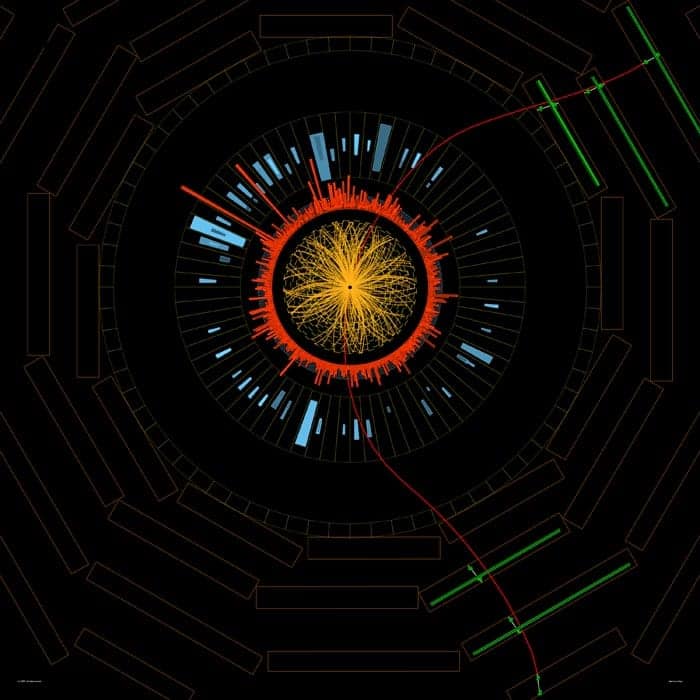 Read article: Mesons measure collision temperatures
Map of lunar gravity sheds light on early solar system
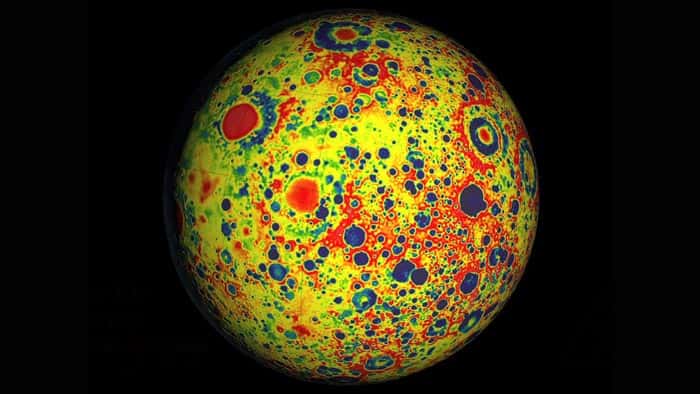 Read article: GRAIL mission peers beneath the Moon’s fractured surface
Structures could be easily fabricated using 3D printing techniques
 Read article: Ultralight fractal structures could bear heavy loads
Device could detect single viruses and be used for environmental monitoring
 Read article: Tiny sensor measures mass and temperature
ATLAS and CMS present their latest results

Combination of two mechanisms bring poles back to original location
 Read article: How Earth’s wandering poles return home
A selection of images from the Physics World photo challenge
 Read article: The physics of sport – readers’ pictures
Equation can be applied from nano to macro scales
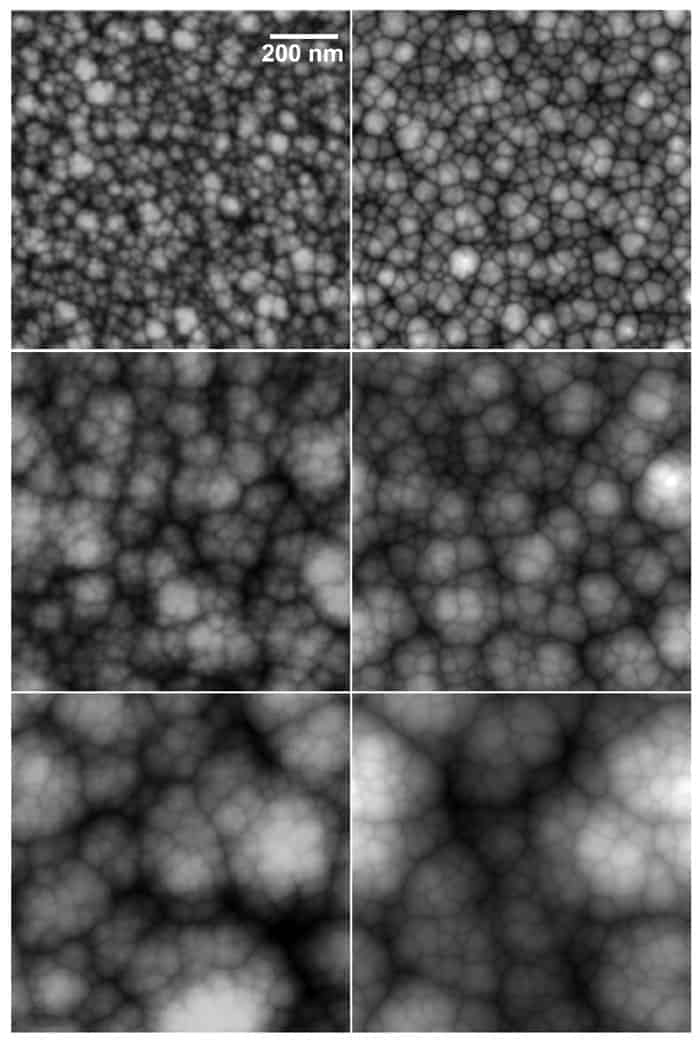 Read article: New formula explains the dynamics of fractal growth over time