Fluttering polymer ribbons harvest electrical energy
Prototype “B-TENG” device powers 100 LEDs
 Read article: Fluttering polymer ribbons harvest electrical energy

Prototype “B-TENG” device powers 100 LEDs
Read article: Fluttering polymer ribbons harvest electrical energy
Technology could boost carbon-neutral fuel production
 Read article: New photocatalyst makes liquid fuel with few unwanted byproducts
Cadmium telluride photovoltaics could power Internet of Things devices
 Read article: Thin-film solar cells make champion harvesters of ambient light
Adding multi-walled carbon nanotubes to a common refrigerant reduced the power consumption of a domestic fridge by nearly 30%
 Read article: Nanolubricant makes household fridges more efficient
A new model system based on strontium titanate has an external quantum efficiency of 96% for near-ultraviolet light
 Read article: Light-activated catalysts make nearly perfect water-splitters
Findings could enhance our understanding of existing ceramic materials and hasten the development of better ones – including in nuclear energy applications
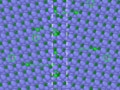 Read article: Radiation alters ceramic grain boundaries
New devices are toxic-element-free and defect-tolerant
 Read article: Quantum dot solar cells get greener
New technology could be an environmentally friendly way to cool down photovoltaics and other devices
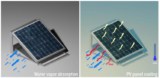 Read article: Hydrogel helps make self-cooling solar panels
The materials can store large amounts of hydrogen and methane in their nanoscopic pores
 Read article: Ultraporous metal-organic frameworks could make clean energy carriers
Material also recovers waste heat and converts it into electricity
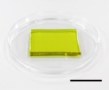 Read article: Thermogalvanic hydrogel cools down electronic devices