Zig-zag lightning could be mediated by metastable oxygen
Physicists may have solved enduring mystery
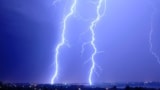 Read article: Zig-zag lightning could be mediated by metastable oxygen

Physicists may have solved enduring mystery
Read article: Zig-zag lightning could be mediated by metastable oxygen
Researchers unearth a hitherto undescribed electron screening effect that promotes superconductivity in the first superconductor ever discovered
 Read article: Mercury’s superconductivity explained at long last
New work could help in the design and development of drugs to fight coronaviruses
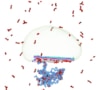 Read article: Physicists simulate how SARS-CoV-2 forms
Materials that conduct electricity on their outsides, but not their insides, are surprisingly common, as Maia Vergniory and colleagues demonstrated
 Read article: A periodic table for topological materials
Simulations suggest phosphorous concentration is on par with Earth’s oceans
 Read article: Ocean on Saturn’s moon Enceladus could be rich in a key ingredient for life
Research could help protect satellites and astronauts from the solar wind
 Read article: Supercomputer simulations reveal how the Sun accelerates charged particles
A combination of mechanisms triggers the formation of cracks in snow layers
 Read article: Slab avalanches resemble strike-slip earthquakes
Computer simulations also highlight importance of domino spacing
 Read article: Friction plays crucial role in how dominoes topple in waves
Theoretical result shows counterintuitive "edge currents" going against the flow
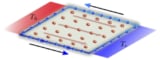 Read article: Energy can move from a colder region to a hotter one – but the second law of thermodynamics is safe
More efficient coding and quantifying climate impacts are among the solutions
 Read article: Cutting the carbon footprint of supercomputing in scientific research