AI tool accelerates tumour classification during brain surgery

For a neurosurgeon, removal of cancerous tissue in the brain is a fine balancing act between maximizing the amount of tumour removed to extend a patient’s survival and minimizing the risk of permanent neurological damage. A new tool that combines rapid DNA sequencing and artificial intelligence to classify central nervous system (CNS) tumours during brain cancer surgery is enabling neurosurgeons to make better decisions about the extent of tumour resection that will most benefit the patient.

Surgeons have limited knowledge of the tumour type prior to surgery. As surgery begins, sections of tumour tissue are removed for immediate histological assessment. But the DNA sequencing for histological and molecular analysis by a pathologist typically requires a week to provide a definitive diagnosis.

By comparison, the new tool – named Sturgeon by its multi-institutional team of developers in the Netherlands – can make an accurate diagnosis within 90 min for most CNS tumours. And once they know the tumour type and aggressiveness, neurosurgeons can modify their surgical strategy in the operating room as the tumour classification warrants.

“During surgery, a small remnant of tumour tissue is sometimes deliberately left behind to prevent neurological damage,” explains paediatric neurosurgeon Eelco Hoving in a press statement. “But if it later turns out, for example, that the tumour is very aggressive, a second surgery may still be necessary to remove that last remnant. This can be avoided now because we will already know during the first surgery what type of tumour we are dealing with.”

Reporting their findings in Nature, the researchers – from UMC Utrecht, Amsterdam UMC and the Princess Máxima Center for Pediatric Oncology – explain how they created, trained and tested the tool. They also describe its use during 25 surgeries, where Sturgeon accurately classified 72% of tumours in less than 45 min.

Sturgeon works by using rapid nanopore sequencing, a technology that helps to read DNA in real time, to obtain a sparse methylation profile during surgery. Methylation patterns are DNA modifications that are highly distinctive of an individual tumour type, enabling molecular subclassification of CNS tumours. The neural network classifier is patient agnostic, which means that it does not require patient-specific model training, and takes just a few seconds to run on a laptop computer.

Due to the limited availability of nanopore-based methylation datasets, Bastiaan Tops, Jeroen de Ridder and colleagues developed a strategy to generate realistic training data from standard array-based methylation profiles. Sturgeon uses these data to upsample the number of training samples available, simulating thousands of unique nanopore sequencing experiments from each tumour methylation profile. Ultimately, the final Sturgeon models were trained on 36.8 million simulated nanopore runs and validated on an addition 4.2 million.

The researchers initially trained Sturgeon to perform CNS tumour classification and applied them to sparse nanopore sequencing data in 50 CNS tumour samples and a publicly available data set of sequenced CNS samples. The model correctly classified 45 out of the 50 tumour samples, within 40 min of starting sequencing, with similar results for the public data set.

To specifically validate Sturgeon’s performance in diagnosing paediatric CNS tumours, the team obtained 94 methylation profiles from paediatric patients who had a CNS tumour resection and used these to simulate nanopore sequencing experiments. For cases with a clear diagnosis, Sturgeon correctly classified (at a 0.8 confidence threshold) 95.3% of 34,000 simulated samples within 25 min, and 97.1% within 50 min.

“These results suggest that a conclusive diagnosis can be reached within 25–50 min of simulated sequencing for the vast majority of paediatric cases that can be classified…with a very low error rate,” they write.

The team also demonstrated the use of Sturgeon during 20 paediatric surgeries at the Princess Máxima Center and five adult surgeries at Amsterdam UMC. For this clinical feasibility study, samples obtained for histological assessment were split, with one part used for intraoperative sequencing and the other for histological assessment. The researchers report that Sturgeon correctly diagnosed 18 out of the 25 tumours in less than 45 min of sequencing, with a total diagnostic turnaround time of less than 90 min.

One limitation of Sturgeon is that only performs well in samples that are sufficiently represented in training data, which do not include rare types of CNS tumour. Sturgeon also does not perform as well when analysing samples containing less than 50% of abnormal cells. Additionally, large tissue samples (about 5 mm3), are needed to provide sufficient DNA concentration.

The researchers tell Physics World that further future developments of this method will include application to other tumour types, such as sarcoma or leukaemia, as well as prospective validation to demonstrate patient benefit and studies in a much larger patient population.

Physicist runs across US in record time, NASA tool bag joins growing field of space junk

We all know physicists with extraordinary talents that stretch well beyond academia – and Harvard University’s Jenny Hoffman is no exception. She has just become the fastest woman to run across the US. She made the 3000 mile (5000 km) journey in just 47 days, 12 hours and 35 minutes. Astonishingly, she beat the previous record time (by Sara Villines in 2017) by more than one week.

Hoffman, who studies the electronic properties of exotic materials, began her journey from San Francisco to New York City in mid-September. This was her second attempt – in 2019 she got 2560 miles from the California coast before a knee injury brought her to a halt in Ohio. Undaunted by knee surgery, the pandemic and work and family responsibilities, the three-time national champion ultrarunner says she “dreamed every single day for four years about redoing and completing this run”.

You can read more about Hoffman’s extraordinary achievement in this interview with the US’s National Public Radio.

Lots of junk

Ever since humans launched the first artificial satellites into space in the late 1950s, the amount of space junk orbiting our planet has been increasing. Today, there are about 20,000 pieces of this space debris that can be tracked and scientists believe that there are many more bits of junk that are too small to see.

Some of this space junk poses a real risk to satellites and even to astronauts on the International Space Station (ISS). NASA’s Space Shuttles have been damaged by impacts and ISS crew members have been advised to shelter in a safe area on a few occasions when debris threatened the spacecraft.

So, you might be surprised to hear that two NASA astronauts have added to this space junk by losing a bag of tools while out on a spacewalk doing routine repairs on the ISS. According to NBC News, Jasmin Moghbeli and Loral O’Hara lost control of the tool bag about two weeks ago and it has since been spotted by ISS crew members – who say it is orbiting Earth slightly ahead of the ISS. According to mission control, the bag does not pose a danger to the space station.

The ISS reflects sunlight back to Earth and is the third brightest object in the sky (after the Sun and Moon), so it can be easily observed with the naked eye here on Earth. The tool bag is much dimmer, but the amateur astronomer Dave Dickinson told NBC that it could be visible when viewed through binoculars.

Bright objects

There are a growing number of commercial satellites orbiting Earth, and astronomers are becoming  increasingly concerned that the light they reflect, and the radio signals they broadcast, are degrading our view of the cosmos. In the latest episode of the Physics World Weekly podcast, I chat with two astronomers about BlueWalker 3 which is the brightest commercial satellite in the sky – and what could happen when many more of the prototype design are launched.

Improved analytics and data management for radiotherapy

In this short video filmed at the ASTRO 2023 conference in San Diego, US, Greg Robinson, patient QA product line director at Sun Nuclear, outlines recent developments with the SunCHECK platform.

Robinson points out that many new technologies and increasing complexities are being introduced into the workflow, but that there’s currently a big shortage of qualified medical physicists. And this is where technology companies can help. So Sun Nuclear is looking for ways to automate mundane tasks. In terms of in vivo QA, that means looking at things that are related to the patient on a per-treatment level. SunCHECK can bring in log file data and image data to give the clinicians a snapshot of the real treatment on the patient – and perform 2D analysis and 3D dose reconstruction to help improve treatment decisions and reduce the number of patients that have to be re-scanned and re-planned.

Next, Mark Rose, director, product management, explains that there has been a concerted effort at Sun Nuclear to make products relevant for stereotactic radiosurgery (SRS). The SunScan 3D has been designed with 0.1 mm positioning accuracy to handle SRS-type fields. A virtual reference detector leverages pulse normalization as the beam of radiation is coming from the linac. It doesn’t just measure the dose, says Rose, it can measure the number of pulses of radiation that are arriving. So, as long as the amount of dose-per-pulse stays constant, SunScan provides a good projection of what a percentage depth dose (PDD) curve looks like.

The ArcCHECK system, meanwhile, has a MultiPlug that allows insertion of a tumour surrogate. This enables tracking systems to follow it as the ArcCHECK moves on a platform. So, as the tumour moves inside the ArcCHECK and the imaging system tracks its delivery, it’s possible to take the dose that’s acquired by the diodes inside the ArcCHECK and correlate it to that expected from the treatment-planning system. Then it’s possible to compare the radiotherapy dose to that measured, and get a better understanding of how well the tumour tracking has worked.

Top-cited work from North America recognized by IOP Publishing

Almost 130 articles from researchers in North America have been recognized with a top-cited award for 2023 from IOP Publishing, which publishes Physics World. The papers received over 15400 citations in total and represent the top 1% of the most-cited articles that have been published by IOP Publishing between 2020 and 2022 with corresponding authors from North America.

This is the first year that IOP has recognised North America, having previously published top-cited awards for China and India. The papers were identified using data from Clarivate’s Web of Science database and cover 10 categories including biosciences, machine learning and reviews.

The single most cited paper from the region was the second detection of a neutron star merger by the US-based Laser Interferometer Gravitational-Wave Observatory. The study was published in March 2020 in Astrophysical Journal Letters, which is published by IOP Publishing on behalf of the American Astronomical Society, and has received 795 citations to date.

The analysis indicated that some areas of physics have seen a rapid rise in the number of citations. Citations for papers about machine learning, for example, have grown by 44% in the past five years while citations for papers in energy materials have seen an increase of 23%.

The announcement follows the release of the top-cited papers from China and India for 2023 that have been published by IOP Publishing. Almost 200 articles from China received over 9000 citations with the single most cited paper – concerning a new evaluation of atomics masses –  receiving some 260 citations.

The 30 top-cited papers from researchers in India, meanwhile, received a total of over 1600 citations with the highest cited paper – a review on recent advances in carbon nanomaterials as electrochemical biosensors – receiving just over 190 citations.

Peer-review feedback

IOP Publishing has also announced a new initiative to offer peer-reviewers feedback on the reports that they write for the peer-review process.

Rolled out on IOP Publishing-owned journals, when reviewers opt-in for feedback on their peer-review report they will get a score from one to five determined by in-house editors on how useful their report was, with five being outstanding and one representing that the report was not suitable in inform a decision.

Reviewers are sent details that explain the evaluation such as infrmation about the structure and usefulness of the reports.

The launch follows a trial of the programme in three IOP Publishing journals – Engineering Research Express, Environmental Research Letters, and Plasma Physics and Controlled Fusion – in which over 85% of reviewers indicated that receiving feedback on their report was useful.

“Reviewers rarely receive feedback from editors about the quality of their reports and to what extent they influenced the editorial decision,” notes Laura Feetham, reviewer engagement manager at IOP Publishing. “Our hope is that this will improve transparency in the peer review system and help early-career researchers to build their peer review skillset.”   

Thomas Young: could a polymath like him exist today?

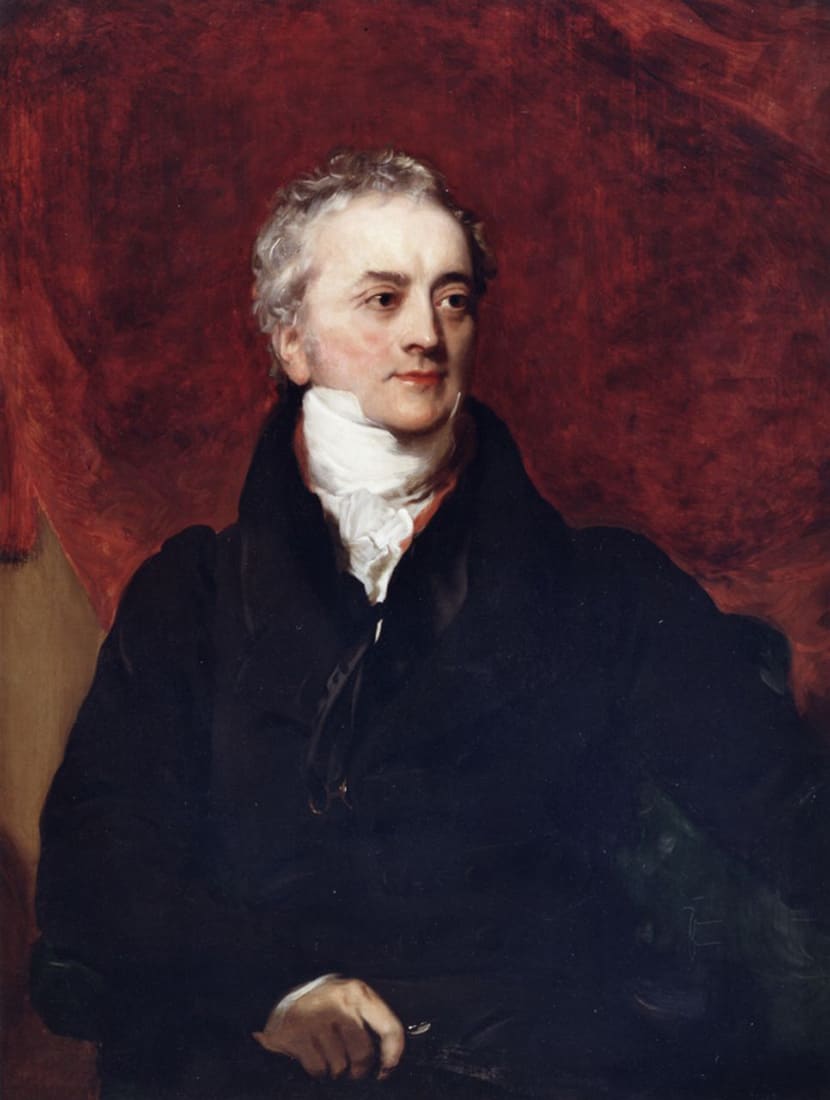
Thomas Young

As far as book titles go, I always liked the 2006 effort from the science writer Andrew Robinson. His biography of Thomas Young was cleverly called The Last Man Who Knew Everything. Whether the maverick British polymath really could claim that crown is neither here nor there, but the title underlined his intellectual reach. Young’s astonishing efforts stretched from physics and mathematics to physiology and linguistics.

Here at Physics World we’ve had Young on our minds as 2023 marks the 250th anniversary of his birth. Robinson has released a second edition of his book, with a new foreword from the UK’s Astronomer Royal Martin Rees, an edited version of which you can enjoy as a Physics World feature. “Young’s writings were literally encyclopaedic,” Rees remarks, “and he ranks as one of the most prolific polymaths in history.”

Physicists will be most familiar with Young’s double-slit experiments, which demonstrated interference and proved the wave behaviour of light. The Young’s modulus is also a reminder of his work on elasticity. But Young did so much more. He coined the modern term “energy”. He linked heat and light. He estimated the diameter of a molecule. He was a professional medic, analysed some 400 languages and started deciphering Egyptian hieroglyphs.

Sadly, polymaths aren’t always appreciated. We love to pigeon-hole people and tend to remember those with just one great achievement to their name. Even in his own time, few fully grasped Young’s insights, the ripples from which still reverberate. Richard Feynman, for example, famously imagined firing single electrons through a Young’s double-slit set-up to prove the dual wave–particle nature of matter. It wasn’t until this century, however, that the experiment was carried out.

But could anyone today share Young’s breadth of achievements? A quick Google gives us access to more information than Young could have imagined possible, while an AI system like ChatGPT turns us all – superficially at least – into polymaths. But can we draw any new insights from the deluge of information at our disposal?

The 21st-century education system would never let a modern-day Young flourish. Science is so specialized that it takes decades of perseverance and focus to reach the forefront of some fields, while in others we need thousands of collaborators to progress. In Young’s day, in contrast, everything was up for grabs and the term “scientist” did not even exist. That’s why Young truly was (slightly sexist terminology notwithstanding) “the last man who knew everything”.

  • Andrew Robinson is speaking at the “Polymaths across the eras” conference at the University of Oxford on Saturday 18 November 2023, which can be livestreamed on YouTube.

Key insights into early-stage research – how conference proceedings provide value for researchers

Want to learn more on this subject?

What is the value of conference proceedings for the scientific community? Drawing from the expertise of our panel of researchers, this webinar discusses why authors and editors choose to publish proceedings, the overall value of conference publications to the scientific record and the processes involved in conference organization and publication.

Want to learn more on this subject?


Chair: Rachelle Morris is a commissioning editor at IOP Publishing. Prior to joining, Rachelle collaborated with international trade and commercial publishers, photographers, and authors to produce books using natural history images for nearly 17 years. Since joining IOP Publishing, that focus has shifted to expanding the portfolios of the conference series journals: Earth and Environmental Science (EES) and Journal of Physics (JPCS) and maintaining the high standards of IOP Publishing’s publications.


Hans-Thomas Elze is a theoretical physicist who has been affiliated with the University of Pisa since 2004. Hans-Thomas’ field of research includes: quantum-classical hybrid systems, quantum decoherence, QCD transport theory, quark-gluon plasma, statistical mechanics. He is the organizer of the biannual DICE (foundations of physics) conference that has been hosted in Italy since 2002.


Martin Land is a senior lecturer at Hadassah College Jerusalem and a faculty mentor at The Open University of Israel.  Natively from New York, Martin has a background in electrical engineering and physics, teaching courses in computer architecture, microprocessors, networking, and embedded systems.  He currently serves as president of the International Association for Relativistic Dynamics (IARD).


Romeo Susan-Resiga is a university professor at the Politehnica University Timișoara (UPT), Romania. He teaches courses in fluid mechanics and hydraulic machines. He is also the director of the Research Centre for Engineering of Systems with Complex Fluids in UPT. He is currently on the committee of Hydraulic Machinery and Systems at the International Association for Hydro-Environment Engineering and Research (IAHR), and he organized the IAHR Symposium on Hydraulic Machinery and Systems in 2010, as well as the meetings of the Workgroup on Cavitation and Dynamic Problems in Hydraulic Machinery and Systems in 2007 and 2023.

Lars Pilgaard Mikkelsen

Lars Pilgaard Mikkelsen is an associate professor in the Department of Wind and Energy Systems at Technical University of Denmark. His field of interest is numerical finite elements simulations and experimental characterization of polymer matrix composites, where the focus is on the fatigue and compression behaviour of wind turbine blade materials. He is organizer of some of the Risø International Symposium on Materials Science. A symposium, which has run for more than 40 years with 60–100 participants every year.

New chip architecture offers hope for scaling up superconducting qubit arrays

Scientists in the US have introduced an ingenious new quantum chip architecture that significantly reduces disturbances caused by the signals used to control superconducting quantum bit (qubit) circuits. Led by Chuan Hong Liu and Robert McDermott of the University of Wisconsin, the team showed that the new multichip module (MCM) reduces gate errors by nearly a factor of 10 compared to earlier designs that used the same control system, making it a viable competitor to standard technologies.

Of the many physical systems researchers are exploring as potential  “building blocks” for a scalable quantum computer, the superconducting qubit stands out due to its high coherence time (a measure of how long it remains in a quantum state) and fidelity (a measure of how error-free its operations are). But as powerful as superconducting quantum computing can be, unlocking its full potential will require more than 1 million physical qubits. This presents a challenge, as the superconducting qubit system demands bulky cryogenic coolers and sophisticated microwave control apparatus to operate.

One way of simplifying this control apparatus would be to control the qubits using the smallest units of magnetic field – flux quanta – instead of microwaves. Quantum gates based on this single flux quantum (SFQ) digital logic technology, as it is known, use a sequence of quantized flux pulses with an inter-pulse timing precisely calibrated to the qubit’s oscillation period. This method is energy efficient, compact and capable of high-speed operations, making it an ideal candidate for integration into multiqubit circuits.

A poisonous problem

The problem is that the SFQ circuit must be placed close to the qubits, which inevitably leads to a phenomenon called quasiparticle poisoning during pulse generation. This quasiparticle poisoning induces undesired relaxations, excitations and disruptions in the superconducting circuit, diminishing the qubit’s lifespan.

To circumvent this challenge, Liu and colleagues adopted the MCM architecture. In this setup, the SFQ driver and the qubit circuits reside on separate chips. These chips are stacked on top of each other with a 6.4 micrometre gap in between and are bonded together using interconnections known as In-bumps. The physical separation between the two chips offers several advantages. It mainly acts as a barrier, preventing quasiparticles from dissipating directly from the SFQ driver to the qubit. Additionally, it prevents another source of disturbances – phonons, which are atomic or molecular vibrations – from travelling through the material, as the In-bump bonds offer a sort of resistance to their propagation. Thanks to this resistance, these vibrations are effectively scattered and prevented from reaching the qubit chip.

Order of magnitude improvement

In initial trials of SFQ digital logic using an on-chip design, the average qubit gate error was 9.1%. Thanks to the MCM, Liu and McDermott’s team lowered this to 1.2% – nearly an order of magnitude improvement.

As a future objective, the Wisconsin researchers and their colleagues at Syracuse University, the National Institute of Standards and Technology, the University of Colorado and Lawrence Livermore National Laboratory aim to further reduce the sources of quasiparticle poisoning. By experimenting with other suitable designs and further optimizing the SFQ pulse trains, the team say it may be possible to reduce gate errors to as low as 0.1% or even 0.01%, making SFQ a promising path toward achieving scalability in superconducting qubits and unlocking the exponential computing power of fault-tolerant quantum computers.

The research is published in PRX Quantum.

New telecoms satellites will degrade our view of the cosmos

Astronomers are becoming increasingly concerned about the growing number of satellites that are lighting up the night sky by reflecting sunlight to Earth. In 2022, the prototype communications satellite BlueWalker 3 was launched and it is now the brightest commercial satellite ever – outshining almost every star in the sky. And to make matters worse, communications satellites like BlueWalker 3 broadcast microwave signals that can interfere with radio astronomy.

To talk about the threats to astronomy posed by satellites I am joined down the line by the radio astronomer Mike Peel, who is at Imperial College London and Jeremy Tregloan-Reed of Chile’s University of Atacama, who studies the cosmos using visible light.

Going carbon negative to address climate change

Want to learn more on this subject?

Whilst many technologies seek to deliver net zero, most fall short when whole life cycle is considered. We therefore need to deliver technologies that actually reduce carbon impact to have a chance of achieving net zero.

In this webinar we present two approaches that can be viewed as illustrative of the negative carbon concept. One is CO2 electrolysis and one is solar conversion of biomass to fuels.

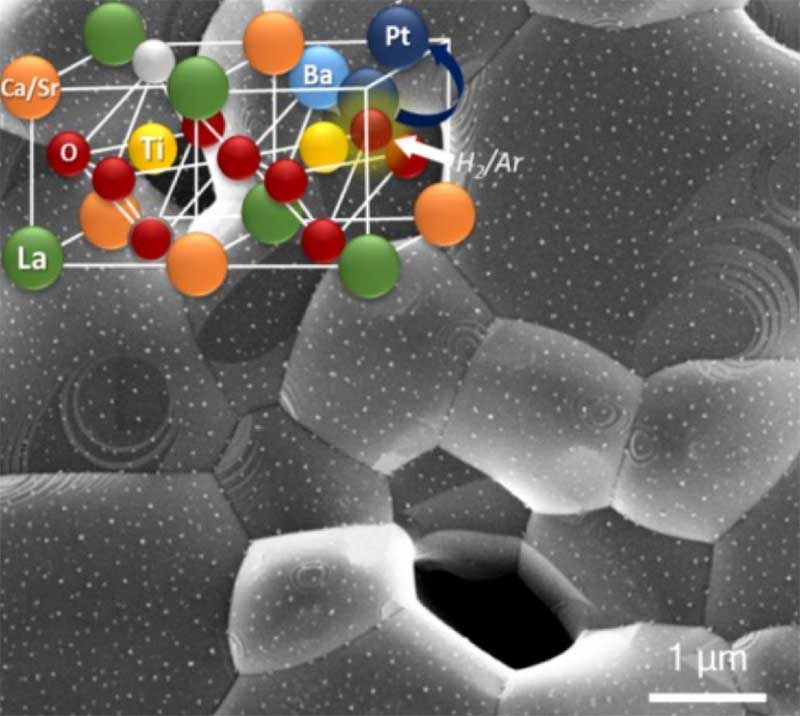
Exsolution under chemical and electrochemical control has been utilised to modify and control solid Oxide electrolysis. Here we utilise this approach to deliver high performance for direct CO2 and steam electrolysis at titanate-based fuel electrodes.  Understanding and controlling the processes occurring at electrode/electrolyte interface are key factors in optimising electrochemical conversion devices such as electrolysers. In a new approach, metal particles are grown directly from the oxide support though in situ redox exsolution. We demonstrate that by understanding and manipulating the surface chemistry of an oxide support with adequately designed bulk (non)stoichiometry, one can control the size, distribution and surface coverage of produced particles and so achieve efficient carbon conversions.

Photocatalysis is a versatile technology that has demonstrated potential for solar-driven processes such as water splitting or solar fuels production, and has also been applied to the degradation of pollutants in air and water, and for the production of useful products from biomass. We focus on the products that are produced from cellulose photocatalysis that compliment hydrogen production. We find that an array of oligosaccharides containing only five carbon units initially, with six carbon oligosaccharides later growing to dominate. The photocatalytic process is generally not viewed as a controllable synthetic process; however, these findings show, on the contrary that photocatalysis at semiconductor surfaces can achieve novel reaction pathways yielding new products.

Want to learn more on this subject?

John Irvine FRSE, FRSC has made a unique and world-leading contribution to the science of energy materials, especially fuel cell and energy conversion technologies. This research has ranged from detailed fundamental to strategic and applied science and has had major impact across academia, industry and government. Irvine’s science is highly interdisciplinary extending from chemistry and materials through physics, bioenergy, geoscience, engineering, economics and policy.

The quality and impact of Irvine’s research has been recognized by a number of national and international awards, including the Royal Society Hughes Medal in 2021, the Royal Society of Edinburgh Lord Kelvin Medal in 2018, the Schönbeim gold medal from the European Fuel Cell Forum in 2016, the RSC Sustainable Energy Award in 2015, with earlier RSC recognition via Materials Chemistry, Bacon and Beilby awards/medals.

Highlights of Irvine’s activities include discovery of the emergent nanomaterials phenomenon, establishing the field of oxide fuel electrodes, delivering high-performance direct carbon fuel cells and demonstration of significant hydride ion conductivity. Other important achievements relate to photocatalysis, lithium-ion batteries, non-stoichiometric oxides, structure/property/function, catalysis and electrocatalysis and bioenergy.


New superconducting nanowire single-photon detector has 400,000 pixels

Single-photon detector

The highest resolution to date in a superconducting nanowire single-photon detector (SNSPD) camera has been claimed by researchers in the US. Designed by a team at the National Institute of Standards and Technology (NIST) and NASA’s Jet Propulsion Laboratory, the camera offers a pixel count some 400 times higher than other state-of-the-art designs, without sacrificing any of their advantages.

First demonstrated two decades ago, SNSPDs have transformed our ability to capture images at extremely low light levels. They feature square-grid arrays of intersecting nanowires cooled to just above absolute zero. Each wire carries an electrical current at just below the critical current at which superconductivity is destroyed.

When a nanowire is struck by a single photon, the heat it absorbs will temporarily shut down the superconductivity until the energy has dissipated. This causes the current to be shunted to small resistive heating elements positioned at the nearest intersections between perpendicular nanowires – each connected to their own separate readout lines. The signals from these readouts act as individual pixels, indicating each photon’s location of detection.

“SNSPDs have some very appealing characteristics,” explains team leader Bakhrom Oripov at NIST. “They work for any [photon] wavelength up to 29 mm (not true for many other silicon technologies) and have demonstrated detection efficiencies of 98% at 1550 nm. They also have very low uncertainties in photon arrival times (timing jitter) and have extremely low false detection rates (dark counts).”

Resolution limitations

Despite these advantages, the need for independent readout wires for each pixel has made it difficult to scale-up SNSPDs to create larger detectors. So far, this has meant that even the highest-resolution devices have little more than 1000 pixels.

Oripov’s team took a different approach to detector design and this allowed them to detect photons using readout lines arranged parallel to the nanowires in each row and column.

“Instead of using direct electrical signal readout from detectors, we first transduce that electrical signal into heat in the readout line (generated by a resistive heating element) and use it to trigger counter-propagating electrical pulses in the readout line,” Oripov explains.

By comparing the arrival times of these pulses at each end of a readout line, the camera can then pinpoint precisely where along the nanowire the photon was absorbed. In this way, a pixel is generated at the point where the photon absorption site detected in one row intersects with a detection in a perpendicular column.

Fewer readout lines

In contrast with previous designs – where a total of N2 readout lines were required to monitor an array of N×N nanowires – this new design can build up single-photon images with just 2N readout lines.

As Oripov describes, this improvement will make it vastly easier for the team to improve resolution in their design. “We showed we can indeed scale to large number of pixels without sacrificing other properties such as single photon sensitivity, readout jitter and dark count,” he says.

Their device achieved a pixel count of 400,000 – some 400 times higher than existing state-of-the-art designs. But with further improvements, they are confident that this number could be increased. If achieved, this would pave the way for a new generation of large-scale SNSPDs, suitable for single-photon imaging across a broad band of the electromagnetic spectrum.

Already, Oripov envisages a diverse range of possibilities for the new technology: from improved astronomy techniques for investigating dark matter and mapping the early universe, to new opportunities for quantum communications and medical imaging.

“It seems like with this result, we got the attention of a few astrophysicists and biomedical imaging people, all interested in collaborating and making better imaging tools,” he says. “That’s certainly an exciting moment both for our team and our colleagues in the field of SNSPD research in general.”

The new detector is described in Nature.

Copyright © 2026 by IOP Publishing Ltd and individual contributors