In this webinar, we will be reviewing the results presented at AAPM of a phantom study on 1–3 cm targets volumes from SRS, lung SBRT and multi-met single isocenter treatment plans. The 3D second check results are compared with both Clarkson point dose and volumetric Collapsed Cone and Monte Carlo algorithms against Varian’s Acuros in Eclipse. The value of having an independent 3D EPID dose volume reconstruction on the planning CT using the same measurements that were used for Varian’s Portal Dosimetry computation are discussed. The study also computed the in vivo 3D EPID dose volume reconstruction against not only a chamber measurement, but back to the pre-treatment QA, second check and the TPS with a couple of clicks. The tools found in RadCalc’s single platform solution provide an automated and efficient workflow for your patient-centric treatment QA, so the entire patient journey is captured in one place.
We will also be discussing the newest innovations that are just around the corner. Learn how we will expand the current technical preview of log file 3D calculations, which will be utilized in the next version to alert you to when there has been a machine delivery issue versus a patient setup error or anatomical change within the patient. Finally, we will discuss how RadCalc’s Fast Electron Monte Carlo will be integrated seamlessly into the whole picture.
Carlos Bohorquez, MS, DABR is the product manager for RadCalc at LifeLine Software, Inc, part of the LAP Group. An experienced board-certified clinical physicist with a proven history of working in the clinic and medical device industry, Carlos’ passion for clinical quality assurance is demonstrated in the research and development of RadCalc into the future.
Levels of helium-4 in the Earth’s atmosphere have been increasing since at least 1974, according to a study by researchers at the University of California, San Diego, US that resolves a longstanding anomaly in atmospheric science.
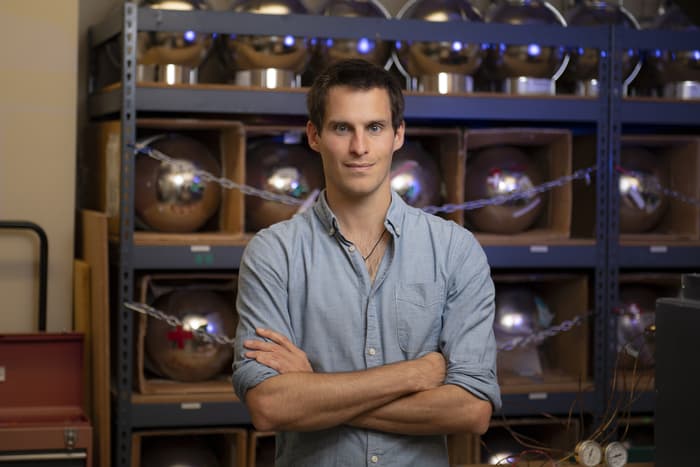
Study lead author Benjamin Birner of Scripps Institution of Oceanography at UC San Diego. (Courtesy: Erik Jepsen/UC San Diego)
Helium-4, the most abundant isotope of helium, is produced by radioactive decay in the Earth’s crust and accumulates in small amounts in natural gas. When the gas is extracted and burned, the helium is released into the atmosphere. Theoretical calculations have therefore suggested that atmospheric levels of helium-4 must have been increasing for decades due to fossil fuel usage. Until now, however, convincing experimental evidence for such a build-up had been lacking.
Helium mole fraction measurements
In the latest work, researchers led by Benjamin Birner of Scripps Institution of Oceanography developed a new and precise technique to measure the atmospheric ratio of helium-4 (4He) to nitrogen (N2). They studied 46 air samples acquired between 1974 and 2020 and found that the 4He concentration increased at an average rate of 39 +/-3 billion moles per year.
“Since nitrogen levels in the atmosphere are steady, changes in the 4He/N2 ratio indicate variability in the atmospheric helium content,” Birner explains. “We determined this ratio using a novel mass spectrometric technique that measures the helium mole fraction in the air with unprecedented precision.”
The new observations also suggest that atmospheric levels of another isotope of helium, 3He, have also increased. “While we didn’t measure 3He, only 4He/N2, some previous studies of the atmospheric helium isotope ratio (3He/4He) found no apparent trend,” Birner says. “Together with our observation of a clear increase in 4He, a stable isotopic ratio implies a corresponding build-up of 3He and 4He.”
Birner adds that the increase in 3He remains largely unexplained and warrants further research – especially since this isotope is very rare and has several important applications, including as a fuel for nuclear fusion. “To give an idea of how precious it is, people have even thought about mining it on the Moon,” he says.
The inferred increase in atmospheric 3He also greatly exceeds estimates of anthropogenic emissions from natural gas, nuclear weapons and nuclear power generation, suggesting potential problems with previous isotope measurements or an incorrect assessment of known sources, he says. “By improving the measurement of atmospheric helium, we hope to develop an indicator of regional to global natural gas usage that could be used in air quality studies of cities,” he tells Physics World.
The researchers say they will now be verifying the atmospheric helium isotope trend from the high-fidelity samples they used in this study. “Another avenue we would like to pursue is to make continuous helium measurements, to better understand local emission sources in cities and from these, verify reported fossil fuel emissions,” Birner concludes.
In this episode of the Physics World Weekly podcast the physicist and entrepreneur Daniel Shaddock explains how building gravitational-wave detectors inspired him to co-found a company that takes a novel approach to creating test and measurement equipment. Shaddock is CEO of Liquid Instruments, and he explains how the firm uses field programmable gate arrays to create instruments that can be reconfigured for a wide range of uses.
Also in the episode, we delve into the elusive Unruh effect – the curious quantum mechanical prediction that an accelerating object is bathed in a warm glow of radiation that bubbles up from empty space. Our expert guide is Morgan Lynch of Seoul National University, who explains how the effect can be observed in the lab.
A new benchmark has been set in the search for hypothetical magnetic monopoles produced in the atmosphere through collisions with incoming cosmic rays. Using simulations, a team led by Volodymyr Takhistov at the University of Tokyo compared data gathered by experiments searching for monopoles with the signals that are expected to be produced by cosmic-ray collisions. This allowed the team to set new limits on the existence of magnetic monopoles.
Unlike electrical charges, magnetic poles do not appear to exist independently of their opposing poles. If a bar magnet were broken in two, for example, both parts would simply form new magnets with pairs of opposing poles. Yet as demonstrated by Paul Dirac in 1931, the existence of magnetic monopoles would create symmetry in Maxwell’s equations of electromagnetism and would also be consistent with the quantized nature of the electron’s fundamental charge.
As a result, magnetic monopoles have long been the subject of theoretical predictions and experimental searches, but physicists are no closer to proving their existence. Many of these searches have focused on the prediction that large numbers of monopoles may have been created in the early universe by the Kibble–Zurek mechanism. However, the high uncertainties in the monopole masses predicted by this model, combined with the uncertain influence of cosmic inflation across vast timescales, have prevented any verification of the existence of these magnetic monopoles.
Hypothetical flux
Takhistov’s team has taken a different approach and have explored the possibility that monopoles are created when high-energy cosmic rays collide with Earth’s atmosphere. These collisions happen all the time and therefore a hypothetical flux of magnetic monopoles could be raining down constantly onto the Earth. What is more, these monopoles would be passing through existing particle detectors that are searching for monopoles – such as the Radio Ice Cherenkov Experiment (RICE) at the South Pole.
In their study, the researchers simulated the atmospheric production of cosmic ray monopoles with masses on the electroweak scale: 5–100 TeV/C2. They also looked at how this flux would be attenuated by the atmosphere as it headed towards the surface of the Earth. The team then looked at data from existing experiments that should be able to detect such an atmospheric flux if it indeed existed – including RICE. The researchers also looked at searches for monopoles at the low end of the electroweak scale that were done at the Large Hadron Collider.
These experiments have not made any detections so far, so the researchers we able to put upper limits on the production of magnetic monopoles in the atmosphere.
The team says that its results provide a robust new benchmark for future monopole detection experiments. The researchers also point out that a dedicated search for magnetic monopoles using the IceCube detector at the South Pole could also prove fruitful.
The first practical demonstrators of quantum computers have fuelled speculation about the future impact this emerging technology will have for both scientific discovery and commercial exploitation. Large-scale machines that can correct for the errors in quantum systems certainly have the potential to disrupt business models and drive innovation, but such fault-tolerant quantum computers are not likely to be realized at scale for at least another decade. The big question for companies right now is how much time and resource to invest in such a game-changing technology, but one that is still at such an exploratory stage.
“Early adopters stand to gain expertise in quantum computing, allowing them to prepare their organizations for exploiting its potential ahead of more widespread adoption,” said Simon Plant, deputy director for innovation at the UK’s National Quantum Computing Centre (NQCC), which was launched in 2020 to accelerate the development and adoption of quantum computing in the UK. “But we understand that it is a long-term endeavour, and we want to support industry by working with them to explore solutions to real-world problems.”
Plant was speaking at an event in May that was organized by the NQCC to bring together the suppliers, technology developers and end users that make up the UK’s rapidly growing quantum ecosystem. “The NQCC has really emphasized that we need a quantum-ready economy,” said Sir Peter Knight, who has spearheaded the UK’s wide-ranging National Quantum Technologies Programme since its launch in 2014. “It has been a real engine for bringing in both quantum enthusiasts and people who don’t yet know much about quantum computers or their potential to transform their world.”
To find out how different organizations are currently engaging with quantum technologies, the professional services firm EY, working in collaboration with the NQCC, commissioned a survey of senior executives across all major industry sectors. Of the 500 companies who fully completed the survey, 97% believe that quantum computing will have a significant impact on the UK economy within the next five years. Half of them think that quantum computers will play an important role in their sector, with a third actively engaged in strategic planning for a quantum future. “The data show a range of positions being taken by different organizations, which is what you would expect for a nascent and emerging technology,” commented Harvey Lewis, a technology specialist at EY. “There is this quite interesting picture of great expectation but not yet a massive degree of engagement and activity associated with that expectation.”
Lewis explained that the survey team originally reached out to more than 1500 organizations, of which one-third had sufficient knowledge of quantum technologies to answer the initial screening questions and complete the full survey. “Quantum computing is a largely unknown quantity in business,” he said. “We were keen to understand what our clients and other organizations were thinking and doing in this space, and we worked hard to make sure we were speaking to people who could provide us with trusted and informative responses.”
Business benefits
Some companies are further along their quantum journey than others. At telecoms provider BT, for example, experiments in quantum technologies began in the 1990s, when researcher Paul Townsend built quantum key distribution systems and ran them over optical fibre for the first time. When the first quantum computers started to emerge, the initial concern at BT was that future machines might be able to hack even the most secure communications channels. But interest also grew in using quantum computing to tackle optimization problems, such as maximizing the performance of dynamic telecoms networks or improving their resilience, and as a result BT has been investigating some initial use cases to see where quantum technologies might offer an advantage.
In the QCAPS project, for example, which ran in 2017/18, researchers at BT worked with quantum start-ups and academics to explore whether quantum algorithms and hybrid quantum–classical solutions could help to optimize planning and scheduling tasks in telecoms networks. While results from this early study were promising, some questions could not be answered without access to larger quantum processors. Now BT is involved an ambitious £9m project to create a blueprint for a “Quantum Data Centre of the Future”. Led by ORCA Computing and involving 12 other partners from industry and academia, the aim is to demonstrate a fully integrated data centre with rack-mountable quantum processors that can be connected together using quantum-safe communications links. “This will enable both BT and our partners to evolve our systems, both hardware and software, to the next level,” commented BT researcher Cathy White.
Other companies have also started to evaluate the potential of quantum computers for specific applications. At the NQCC event, Leigh Lapworth from Rolls Royce described early tests of different quantum algorithms for computational fluid dynamics (CFD), which the company has been investigating as part of a collaborative project funded by Innovate UK and involving 11 partners, including quantum start-ups Universal Quantum and Riverlane. And Ross Williams from dunnhumby, a customer data-science company that works with retail giants like Tesco and Walmart, explained how he and his colleague David Hoyle have been investigating whether quantum computers might be able to solve common optimization problems, such as developing a promotional calendar for different product lines.
One of the key challenges for these early investigations has been to identify use cases that can be addressed by the current generation of quantum computers (so-called Noisy Intermediate Scale Quantum, or NISQ machines), which are too noisy and small-scale to deliver any advantage over classical processors. “Existing NISQ-era machines can only address niche applications that can be scaled down in some way,” commented Lapworth. “I’m not convinced that NISQ machines will have a broad-based benefit, and one of the reasons that we are focusing on CFD in our current project is to look forward to the fault-tolerant era when there will be a real quantum advantage.”
Williams agrees that businesses need to be realistic about the capabilities of current quantum-computing platforms, but he contends that experimenting with existing technologies offers an important learning opportunity. “Some people are saying that NISQ machines aren’t useful, while others are suggesting they will deliver a quantum advantage for businesses within the next year or two,” he said. “Somewhere in the middle is the likely true ground. NISQ devices will provide useful learning demonstrators, on what will likely be a continual path towards fault-tolerant quantum computers. You can’t just work with pen and paper for the next 10 years, you need to be trying things out on the real hardware now.”
Exploration yields understanding
The NQCC aims to support that experimentation through a new applications discovery programme called SparQ. “SparQ will give end users a chance to work with quantum algorithms and hardware on a problem that’s relevant to their industry,” said Knight. “For companies that don’t have access to quantum experts, or even to the hardware, SparQ offers a way to test the technology out for themselves and to understand how important it could be for their business.”
The framework of the SparQ programme emerged from a series of one-to-one conversations with experts from different industry sectors, as well as a user-engagement workshop that allowed the NQCC team to present and capture feedback on its initial ideas. The result is a multi-faceted approach that combines skills development with hands-on experience of using quantum algorithms and hardware.
The first key element is an online learning platform designed to help graduate students and early-career professionals to find out how to code a quantum computer, with the NQCC covering the costs for two people from each organization to complete the training. The second is a series of open workshops, such as a two-day hackathon in July that will challenge students from different disciplines to write and execute quantum algorithms to solve problems set by end users. “The hackathon will bring together all the key elements of SparQ, but on a smaller scale,” explained Chiara Decaroli, the NQCC’s education and outreach officer. “It will connect together people who have experience of quantum computers with those who have deep knowledge of their domain.”
Perhaps most significant, however, is funding for a series of collaborative projects aimed at demonstrating specific applications for today’s quantum computers. Following a call for proposals in the autumn, for each successful bid the NQCC will first work with the project team to analyse the use case, assess the requirements, and determine whether the application can be usefully tackled with current technologies. “The next stage would be to identify appropriate algorithms or develop new ones, and then run them on a physical quantum computer,” says Decaroli. “We can then benchmark the results against classical solutions and potentially across different quantum-computing platforms.”
One crucial partner in the SparQ programme is Oxford Quantum Circuits (OQC), the only UK company to offer cloud-based access to a quantum computer. Its latest eight-qubit processor, named “Lucy” after the pioneering quantum physicist Lucy Mensing, was released on Amazon Web Services in February this year. “We are looking forward to working with end users in different industry sectors to provide access to our hardware,” commented Ilana Wisby, CEO of OQC. “Our infrastructure is based in the UK, which ensures data security for government agencies and commercial organizations that have data residency and sovereignty requirements.”
Collaborating with quantum start-ups and the academic sector has certainly helped BT, Rolls Royce and dunnhumby to fast-track their early exploration of quantum technologies, and one of the most successful strategies for White and Williams has been to fund a relevant PhD project. “Sponsoring a student has provided us with deep insights we wouldn’t have got any other way,” said White. Williams agrees: “Partnering with academia, particularly sponsoring a PhD project, is a great way to inject some technical expertise into your company. Alongside the value of the actual research, it’s really helpful to discuss our ideas with them and to get their thoughts on whether the latest developments in the field are important or not.”
In this exploratory stage of the technology, the companies at the NQCC event also emphasized the importance of sharing information and experiences with both technology developers and other businesses in different industry sectors. “It’s great to have a community of end users at a meeting like this,” said Williams. “It generates energy from seeing what other people are doing, allows us to think about the collective lessons, and helps us to distinguish between hype and reality.”
Online adaptive radiation therapy (ART) allows a treatment to be changed, or adapted, in response to additional information, such as weight loss or changes in tumour volume, gathered about a patient at the time of treatment. Adapting treatment plans in this way could improve patient outcomes – treatments delivered without adjustments might underdose targets or overdose organs-at-risk (OARs).
Since imaging for ART occurs while a patient is lying on the treatment couch, the acquired images must be contoured quickly and accurately. The low soft-tissue contrast on cone-beam CT (CBCT) images acquired during online ART, however, can make it challenging to delineate different structures. There’s also limited availability of “gold standard” contours for training deep-learning models.
A new framework addresses some of the challenges in segmenting CBCT images for online ART by using a deep-learning model to refine contours registered to a planning CT. The framework, developed by researchers at the University of Texas Southwestern Medical Center and Stanford University, is the first to apply a registration-based deep-learning segmentation model to segment OARs in head-and-neck cancers (at least one previous study has incorporated registration information to segmentation in thoracic cancers).
“As we are in an era of developing data-driven models rather than conventional analytical models, prior knowledge is critical. In radiotherapy clinics, there is abundant prior information. Utilizing this prior, existing information well is a direction for fast accurate segmentation and planning models development in radiotherapy,” says senior author Xuejun Gu, an associate professor of radiation oncology at Stanford University.
Image registration is the first of two components in the framework. The registration algorithm generates contours propagated from planning contours by registering the planning CT to the online CBCT using rigid or deformable registration approaches. The resulting contours for each OAR are input into the deep-learning model as binary masks. The second component of the framework is deep learning-based segmentation. The model outputs eight channels of probability masks consisting of OARs and “background” (i.e., everything that isn’t an OAR). The model is optimized by minimizing the volumetric soft Dice loss function.
Gu’s team tested the framework on an in-house head-and-neck cancer dataset consisting of 37 patients treated at a single institution. All CBCT images were acquired on a Varian TrueBeam onboard imaging system using the same machine settings, and all CBCT contours were delineated by the same physician. Any given patient may not have had a complete set of OARs due to surgical resection or tumour encroachment. It took the deep-learning model less than one second to generate final segmentations of the OARs when provided with registered CBCT contours.
Compared with registration or deep learning alone, the registration-guided deep-learning segmentation framework achieved more accurate segmentation as measured by distance-averaged metrics. The framework also appears to be less susceptible to image artefacts, such as streaking from dental implants.
Early stages are promising
The researchers claim that their framework, in addition to taking advantage of patient-specific positional information and population-based knowledge of organ boundaries, is stable even with limited training data.
“This study is significant,” says Gu. “First, it is a general framework. Second, introducing a patient-specific segmentation concept not only alleviates the data-demanding requirement of training deep-learning models but also improves segmentation accuracy, as the model is guided by patient-specific information.”
The researchers acknowledge the obstacles they face going forward. Data curation is an ever-present challenge, as manually drawn contours are required for cross-validation. They are conducting additional robustness tests and generalizability tests to see how the model performs across institutions. They are also planning a systematic prospective study. And, as the quality of CBCT images and contouring protocols may vary across institutions, the researchers recommend that each institution commission its own model.
“The proposed deep learning-guided registration framework will enlighten researchers to develop models that incorporate prior knowledge,” Gu says. “We hope the impact of the study is beyond research, meaning the trained model can be translated into the clinic to assist patient treatment.”
AI in Medical Physics Week is supported by Sun Nuclear, a manufacturer of patient safety solutions for radiation therapy and diagnostic imaging centres. Visit www.sunnuclear.com to find out more.
In this webinar, Florian Kamp will be sharing his experience with RadCalc’s 3D EPID module. He will be covering his observations in setting up RadCalc’s dose engine, along with the hardware configuration that he is utilizing within his clinical network.
Florian will then show how the 3D EPID module, available since RadCalc version 7.2. was commissioned at his clinic, and how the module performed in initial phantom tests. Finally, he will present the first patient cases and outline how the EPID module could reduce measurement time slots for patient QA in clinical routine.
Florian Kamp received his doctorate in physics from the Technical University of Munich in 2015. Afterwards he worked five years as a postdoc on various topics in the field of medical physics affiliated with the Department of Radiation Oncology of the LMU university hospital in Munich. About two years ago he joined the radiotherapy department at the University Hospital Cologne, Germany, leading the medical physics group. Having to work in a two-shift clinical environment, he is very eager to reduce the time spent for patient QA at the linacs.
I’m standing inside a cylindrical tower made up of hundreds of casserole dishes as if I’m surrounded by the wrap-around compound eye of a monstrously huge insect. The dishes are arranged in 17 stacked rings, each with 40 dishes (rear left of image above). Those at the bottom are clear, but as the rows go higher, I notice they grow whiter. Right at the top are all-white glass ceramic dishes of the CorningWare brand, once a staple in American kitchens.
I’ve come to the Corning Museum of Glass on the Chemung River in the beautiful Finger Lakes region of New York state. It’s a not-for-profit institution that was founded by the Corning Glass Works during the company’s centenary in 1951 and now claims to have the largest collection of glass art and artefacts in the world. Despite being several hours’ drive from the nearest cities – and further even from New York and Philadelphia – the museum is a significant tourist destination. It’s popular, even in the dead of winter.
No matter where you are, you can hear pings, clanks and chimes from an “audiokinetic” sculpture displayed in the gift store.
With glass artefacts spanning a period of 35 centuries, the museum houses items from ancient Egypt right up to breathtaking contemporary glass sculptures – such as the casserole-dish tower – as well as entries from the Netflix glass-blowing reality TV show Blown Away. The museum also contains displays on the scientific, industrial and cultural uses of glass, while demonstrations of blowing, shaping and firing glass take place almost hourly. No matter where you are, you can hear pings, clanks and chimes from an “audiokinetic” sculpture displayed in the gift store. Built by the US artist George Rhoades, it features glass balls rolling down tracks, striking bells and gongs, before bouncing off xylophones.
That’s how you do it Glass-blowing demonstrations are a regular feature at the Corning Museum of Glass. (Courtesy: The Corning Museum of Glass)
These days Corning Glass Works is known as Corning Incorporated – a multi-billion-dollar business that, by 2017, had produced over 1 billion kilometres of optical fibre. But the company still retains links with the museum, whose staff put me in touch with Robert Schaut. A former director of its pharmaceutical technologies division and now a Corning research fellow, Schaut explains to me via a Zoom call just why glass is such a versatile material.
Being amorphous, glass lacks a regular structure and therefore melts over a range of temperatures, as it does not have a very specific critical point. A crystal, in contrast, has a narrow melting range because the environment at every location in the material is pretty much the same thanks to its endlessly repeating unit cell. “It’s why glass softens when heated,” says Schaut, “and can solidify without ordering before you can nucleate crystalline formation.”
So what’s with the casserole tower? “It’s a visual aid,” Schaut explains, “to show the connection between temperature, cooling rate and the structure locked in the solid phase.” The transparent dishes at the bottom were reheated to a relatively low temperature – 800 °C – before being re-cooled to form an entirely crystal-free material. Higher-up dishes were fired at ever-increasing temperatures, developing nanometre-sized crystals in the glassy matrix as they cooled. The opaque, white CorningWare dishes at the very top were fired at 1100 °C, becoming 90% crystalline as they cooled, with only a small fraction of the glassy phase left.
From art to astronomy
But the Corning Museum of Glass has far more than just a tower of cooking pots. The Innovation Center, which houses the sculpture, also includes a display of glass in optical instruments, including telescopes, binoculars, periscopes and microscopes, as well as lasers and optical fibres.
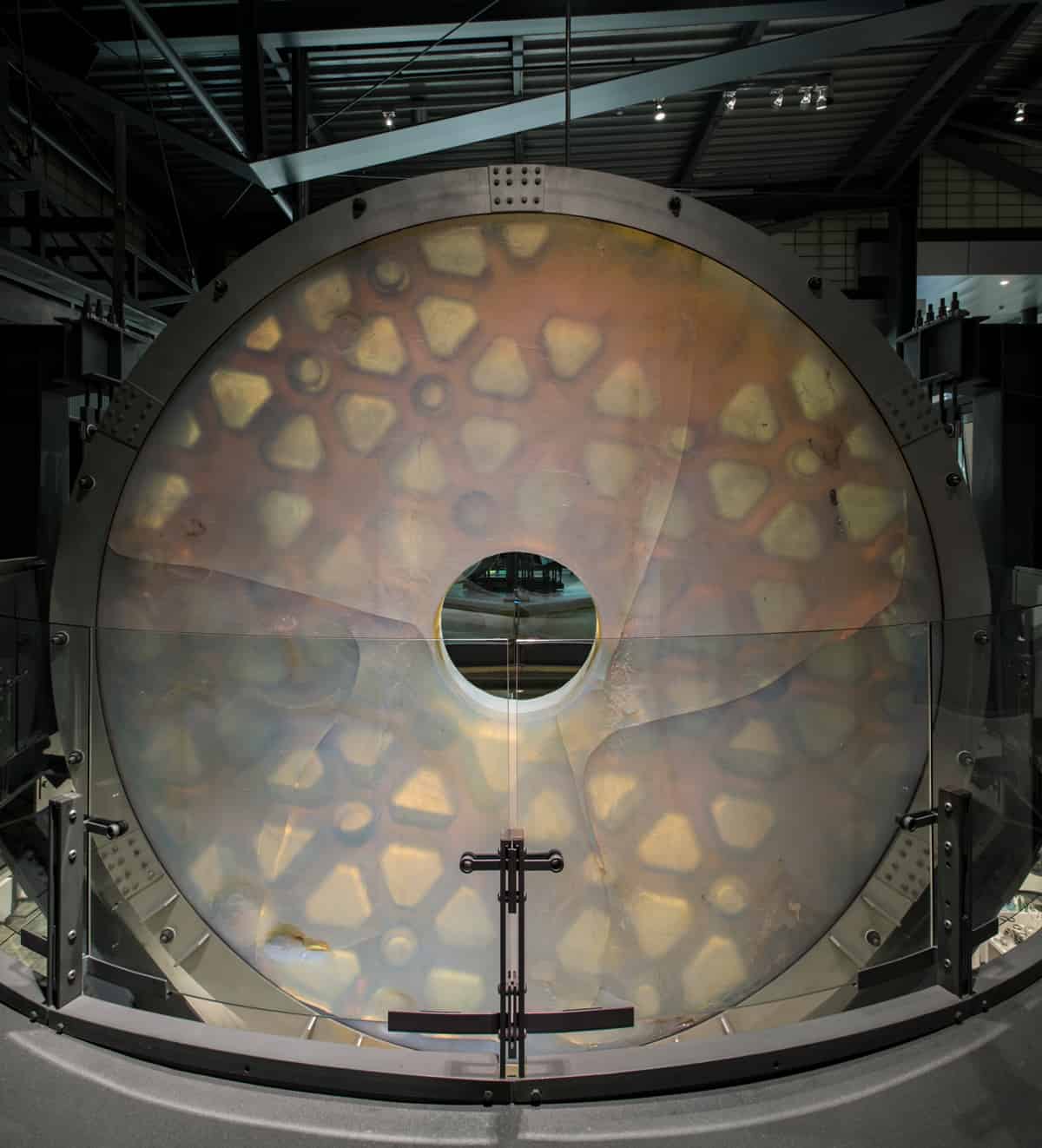
Testing ground The Innovation Center at the Corning Museum of Glass is home to this massive, 5.1 m-diameter glass disc, which was built in the 1930s as a prototype for the Hale Telescope at the Palomar Observatory in California. Mirror blank: George V McCauley (designer), 1934. 99.4.91. (Courtesy: The Corning Museum of Glass)
Dominating proceedings, though, is a huge, 5.1 m-diameter vertical glass disc pockmarked with scars and cracks (see image left). Cast in 1934 by scientists and engineers at Corning Glass Works, it was the first attempt to make the mirror disc for the Hale Telescope at the Palomar Observatory in California. The disc cracked during casting, but it was completed so Corning staff could work out how to avoid the same problems when they tried again.
Elsewhere I spot a display case of glass musical instruments, including a flute and a “crystallophone” – a xylophone partly filled with water. I also see a glass harmonica, which was invented in the early 1760s by famed American statesman and scientist Benjamin Franklin. This eerie-sounding instrument has been used in Gaetano Donizetti’s opera Lucia di Lammermore in a haunting scene where the protagonist, going mad, sings what is effectively a duet with the device. It’s also been used by rock musicians, including John Sebastian of the Lovin’ Spoonful.
I spot a “crystallophone” – a xylophone partly filled with water that’s been used in Gaetano Donizetti’s opera Lucia di Lammermore and by rock musicians including John Sebastian of the Lovin’ Spoonful.
Indeed, the close links that glass has between science and art are reflected in Schaut’s own interest in the material. It began at high school where Schaut kept asking his art teacher why glass has different colours and if these can be changed. The teacher didn’t know, but suggested that staff at Alfred University, also in upstate New York, might have answers. The university is one of the few places in the US that runs courses in glass science and industry, and Schaut ended up studying ceramic science and engineering there. He then did a PhD at Penn State University on the chemical durability of glass and its interaction with the environment.
Schaut further explains that glass’s versatility is not only due to the lack of a critical point. Glass is in fact an entire family of materials, with different compositions and properties. Scientists such as Schaut are therefore able to tailor glass’s chemical durability to create, for example, glasses such as Pyrex or fused silica, which are almost inert and barely react with aqueous solutions.
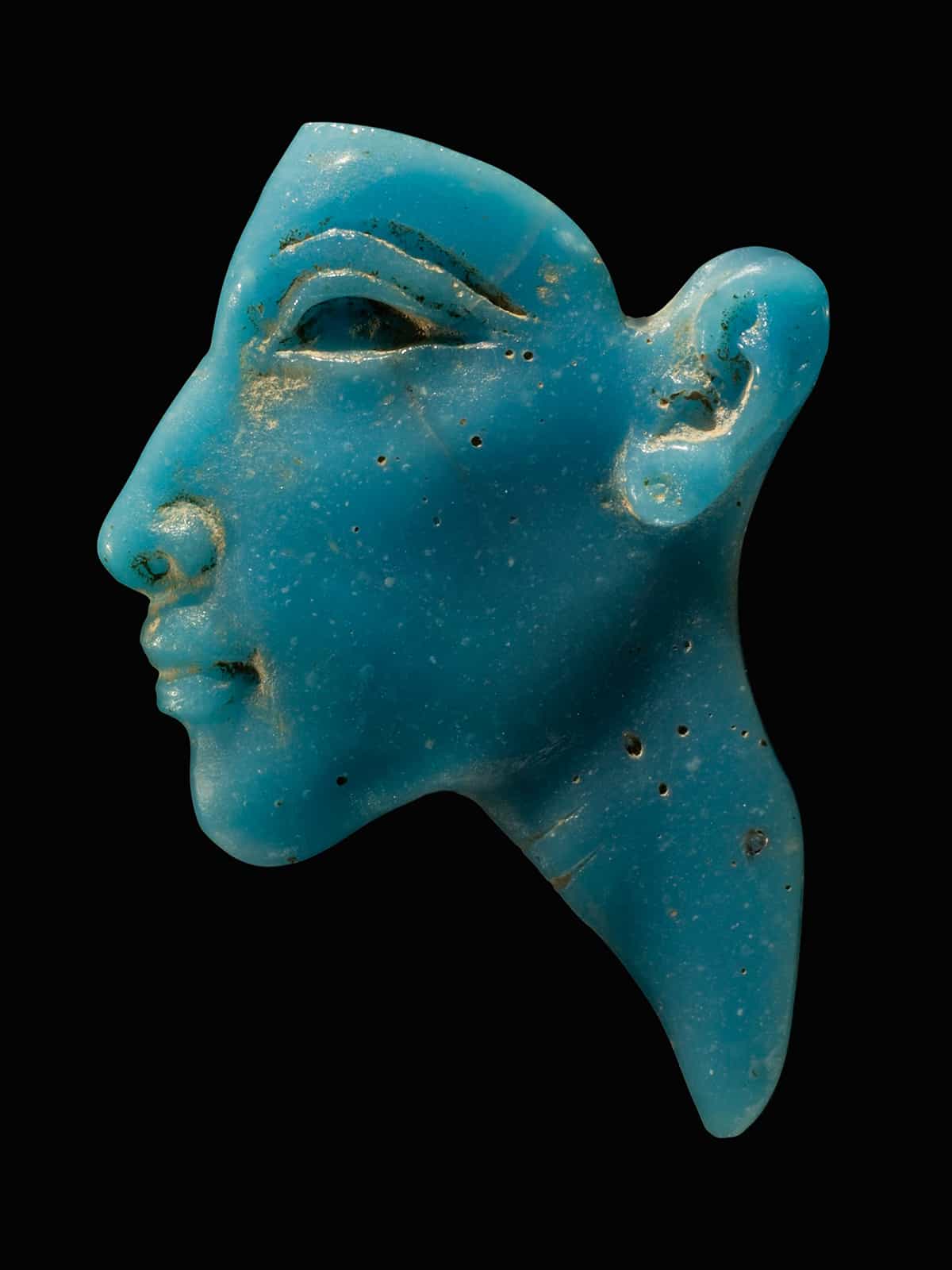
Ancient glass One of the oldest artefacts at the Corning museum is this face inlay of the pharaoh Akhenaten from Egypt, New Kingdom, Amarna Period, Dynasty XVIII, about 1353–1336 BCE. This piece was cast, then cold-worked to refine the sculptural quality of the portrait and to create cavities for additional inlays for the eye and eyebrow. Gift of the Ennion Society. 2012.1.2. (Courtesy: The Corning Museum of Glass)
In contrast, there are also highly active glasses, including “bioactive glass” – a glass used in toothpaste where it corrodes and degrades to give off calcium or phosphorus, which are useful for the human body.
In his own work, Schaut has explored and exploited more durable glasses, such as those used in vials, syringes or cartridges to store and deliver medicines. For safety reasons, pharmaceutical firms want glass vessels to have as few interactions as possible with the solution they contain. “As the pharmaceutical market kept inventing new drug formulations – and moving from large bottles that might have had 50 doses to single-dose vials or syringes – their interest shifted to tubular vials,” Schaut says. “[These have] very thin walls so their contents can be inspected for very small particles or defects that might have been introduced by the pharmaceutical handling process.”
Scientists are able to tailor glass’s chemical durability to create, for example, glasses, such as Pyrex, which are almost inert and barely react with aqueous solutions
Schaut himself helped to invent a new pharmaceutical packaging material known as Valor glass. Traditionally, drugs vials were made from borosilicate glass, which is tough but in pharmaceutical applications may flake off in ways that affect the medicines inside. Valor glass, however, has no boron, instead being chemically strengthened and having an exterior coating to make it more durable and faster to manufacture. Valor glass proved incredibly useful during the COVID-19 pandemic, with vials made from this material being used to deliver more than five billion vaccine doses. “It was interesting research,” Schaut recalls, “but we never anticipated a pandemic in which this invention would play a vital role.”
Technique matters
Given that Schaut came to glass science through art, I ask him to name his favourite works of art at the museum. “I appreciate technique,” he says, pointing to several examples of “reticello”. Meaning “little network” in Italian, reticello refers to a technique developed by artisans in 17th-century Venice, which was then the world’s technological and artistic capital of glassmaking. It involved creating exquisite glass vessels featuring intricate patterns of crossing lines with tiny bubbles at each intersection.
Carefully crafted An example in the Corning museum of a “reticello” glass goblet, a style pioneered in Venice in the 17th century. Such vessels were made by lining the inside of a cup with tiny glass strands running diagonally in one direction, before another, slightly smaller cup was fashioned with diagonal lines going the other way, on the end of a blowpipe. That cup was inserted into the first and slowly inflated, making the inner cup press against the outer vessel. The two fused and their sets of lines connected, creating a matrix of crossing lines that captured small bubbles at each intersection. Venice, Italy, 1575–1625. 76.3.34. (Courtesy: The Corning Museum of Glass)
Corning’s reticello pieces, which are in a display devoted to Venetian art from the 16th and 17th centuries, form just one part of the museum’s collection of glass art. The earliest artefacts were made in Egypt in 1500 BCE, when glass was known as “stone that pours”. I see necklaces, scarabs, tools, bowls, cups and pendants – as well as a model of an ancient Egyptian glass furnace. There are also examples of Islamic glass art and African glass beads, as well as more recent items such as a hand-crafted glass car tyre by the American artist Robert Rauschenberg.
A separate collection is devoted to glass art of the 1970s, which saw an exciting new direction known as the “studio glass” movement. Drawing in part on much better, cheaper and smaller glass furnaces, artists could now involve themselves more directly in glassblowing, creating bespoke glass rather than depending on factory-made stuff. The movement was boosted by cultural exchanges between glass artists in the West and those in what was then Czechoslovakia, who were working creatively and independently under Soviet dominance. The result was a dramatic increase in the style and vibrancy of glass artworks, which the Corning museum highlights by devoting separate rooms to it. The more accessible technology also led to a wider participation of artists, with women accounting for roughly half the artists in the collection.
Another room has contemporary glass sculptures, some of which have an edgy sensibility. My eye is drawn to the spectacularly titled Cephaloproteus Riverhead (Four Hearts, Ten Brains, Blue Blood Drained Through an Alembic) by the New York-based artist Dustin Yellin (2019). It turns out to be a glass robot with tiny human figurines hanging from its nerves and glass fish swimming in its veins.
More than anything, the Corning Museum of Glass demonstrates that glass is a magical material.
One current exhibition contains pieces created in Netflix’s Blown Away, in which glass artists respond to challenges by judges, with one contestant getting eliminated per episode until a winner is announced. Contestants are helped by the museum’s “Hot Glass Demo Team” and part of the prize package is a residency at Corning. In fact, the winner of this past year’s competition – season 2 – is due to arrive two weeks after my visit. It’s a popular and memorable show. “I remember that!” exclaims a visitor behind me – a Blown Away fan – as they look over my shoulder at one piece on display.
Modern takes Contemporary artworks on display at Corning include: (left) Cephaloproteus Riverhead (Four Hearts, Ten Brains, Blue Blood Drained Through an Alembic) by Dustin Yellin, Brooklyn, NY, 2019. 2019.4.180; (middle) Va-cume! Nemesis to Oliver the Amazing by Cat Burns; and (right) Calabash (Vessels of the Ancestors) by Jason McDonald. The latter two were created for the Netflix reality-TV show Blown Away. (Courtesy: The Corning Museum of Glass)
I’m also intrigued by Va-cume! Nemesis to Oliver the Amazing by local Corning artist Cat Burns. Created in response to a Blown Away challenge to make a cartoon glass character, the piece looks like a demon attached to a vacuum cleaner bag that’s about to swallow a rug. A label says that Burns wants to express what it’s like to be mentally ill, and wishes that her work “incites her audience to discuss what it means to go a little crazy”.
Then there’s Calabash (Vessels of the Ancestors) by California artist Jason McDonald, which displays a strangely shaped glass version of the gourd. Its label says that McDonald uses glass “to make art that speaks about racism in America and the lived experience of being a working-class Black artist in a privileged, historically white medium”.
More than anything, the Corning Museum of Glass demonstrates that glass is a magical material. All the immense possibilities that it provides – from scientific instruments and industrial applications to household uses and novel forms of creative expression – stem from properties made possible by its extended phase transition. As a material, glass might not have a critical point. But that to me is its critical point.
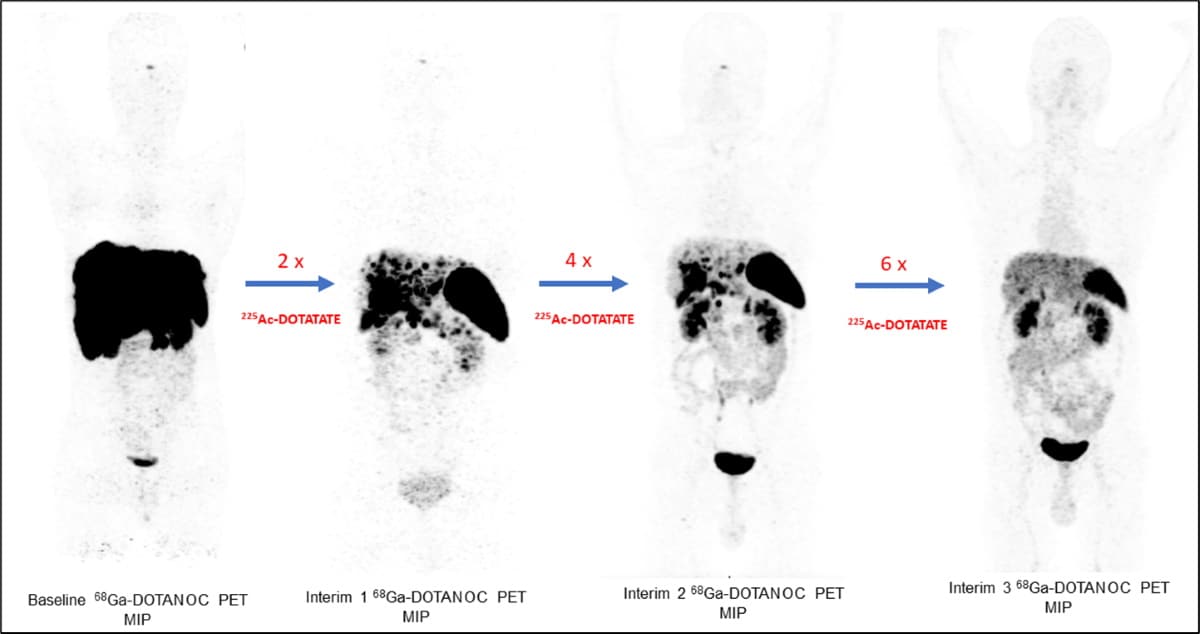
SNMMI Abstract of the Year: A 34-year-old male with pancreatic NET shows excellent sustained response to 225Ac-DOTATATE. The patient underwent six treatment cycles and has been under follow-up for more than 48 months to date. (Courtesy: SNMMI)
The Annual Meeting of the Society of Nuclear Medicine and Molecular Imaging (SNMMI) takes place this week in Vancouver, Canada. Each year, the SNMMI chooses an abstract that represents the most promising advances in the field of nuclear medicine and molecular imaging. This year, the Abstract of the Year was awarded to researchers at the All India Institute of Medical Science (AIIMS) in New Delhi, for their study of a targeted radionuclide treatment for advanced neuroendocrine tumours.
Gastroenteropancreatic neuroendocrine tumours (GEP-NETs) are rare malignancies that arise from neuroendocrine cells and can occur anywhere along the gastroinstesinal tract. While surgery can cure early-stage GEP-NETs, most patients are diagnosed with metastatic disease, making systemic treatment such as targeted radionuclide therapy their only option.
In this Phase II study, the researchers demonstrated that the targeted radionuclide alpha therapy 225Ac-DOTATATE has long-term anti-tumour effects in patients with advanced GEP-NETs. They evaluated the long-term efficacy, survival outcomes and safety of 225Ac-DOTATATE in 83 GEP-NET patients, who received systemic treatment with intravenous 225Ac-DOTATATE at eight weekly intervals. After the treatment course, two patients (2.7%) had complete response, 32 (43.2%) had a partial response, 25 (34%) had stable disease and 15 (20%) had progressive disease. The team notes that there was minimal toxicity from the treatment.
The study results suggest that 225Ac-DOTATATE could provide a potential treatment, even for patients who were resistant to prior therapy with 177Lu-DOTATATE (a beta-emitting radionuclide). “This is a promising therapy option that adds a new dimension to the treatment of end-stage GEP-NETs, especially for patients who have tried all other standard therapy options,” said Chandrasekhar Bal, head of the department of nuclear medicine and PET at AIIMS. “These results warrant a Phase III randomized control trial to assess the true efficacy of 225Ac-DOTATATE versus 177Lu-DOTATATE.”
Targeting prostate cancer with alpha-emitters
In another study of targeted radionuclide alpha therapy, a team from the University of Wisconsin-Madison showed that treatment of advanced prostate cancer with the alpha emitter 225AC-NM600 achieved significantly better outcomes than its corresponding targeted radionuclide beta therapy.
“Metastatic castration-resistance prostate cancer is the most lethal form of the disease and has a median life expectancy of less than five years,” said Carolina Ferreira. “Innovative targeted therapies to treat this advanced form of cancer are needed to significantly improve survival.”
Exploiting the fact that prostate cancer cells selectively sequester and retain alkylphospholipds, Ferreira and colleagues developed an analogue – NM600 – to target prostate cancer cells. They then paired NM600 with alpha-emitting (225Ac) and beta-emitting (177Lu) isotopes to create two types of targeted radionuclide therapies, and compared their effectiveness in two mouse models of prostate cancer.
The researchers treated the mice with varying doses of 225Ac-NM600 or 177Lu-NM600, performing PET/CT scans to image the tumours. Targeted radionuclide therapy with the alpha-emitter produced significantly better outcomes, such as slowed tumour growth and improved overall survival, than treatment with the beta-emitter at similar absorbed doses in both tumour models. Both treatments were well tolerated by the animals.
“This study shows that targeted radionuclide therapies with alpha- and beta-emitters have distinctive, often unexpected, effects on the tumour microenvironment,” noted Ferreira. “Careful exploration of combination regimens, such as targeted radionuclide therapies with anti-tumour vaccines or checkpoint blockade, is warranted.”
PET monitors post-COVID lung disease
Elsewhere at the SNMMI Annual Meeting, researchers from the Sanjay Gandhi Postgraduate Institute of Medical Sciences in India described a study using PET/CT to evaluate and monitor post-COVID-19 lung disease. They showed for the first time that residual COVID-19 symptoms, such as cough and breathlessness, can be attributed to ongoing inflammation in the lungs.
Imaging lung disease: A patient diagnosed with COVID-19 was readmitted to hospital for respiratory failure and underwent PET/CT. The scans (left) showed FDG-avid consolidation in the right lung (red arrow) and mediastinal lymph nodes (yellow arrow). Following treatment, PET/CT scans (right) revealed complete resolution of the lung lesion and decrease in avidity in mediastinal lymph. (Courtesy: SNMMI)
“During the pandemic, there was no standard modality to assess residual lung inflammation. It was difficult to gauge the extent and severity of disease even in recovering patients, and hence challenging to start appropriate treatment,” explained Yogita Khandelwal.
In the study, Khandelwal and colleagues used 18F-FDG PET/CT to assess the metabolic activity of lung lesions and evaluate the effect of treatment with steroids and antifibrotic drugs. They performed baseline scans to evaluate the residual inflammatory activity in the lungs of 25 patients with post-COVID-19 lung disease. Those with inflammation received steroid and antifibrotic treatment, with a follow-up 18F-FDG PET/CT scan six to 12 weeks later to evaluate treatment response.
All patients initially showed metabolically active lesions in both lungs, 13 also had metabolically active mediastinal lymph nodes. After treatment, the team observed a significant decrease in the number, size and FDG-avidity of the lung lesions in the 22 surviving patients.
Khandelwal concluded that 18F-FDG PET/CT provides a sensitive tool for monitoring ongoing inflammation and its management. “Molecular markers identified by 18F-FDG PET/CT can reveal the triggers and sustenance mechanism of inflammation,” she said. “In the future, this could contribute to the development of new drugs and better management strategies.”
Quantum effects play a hitherto unexpected role in creating instabilities in DNA – the so-called “molecule of life” that provides instructions for cellular processes in all living organisms. This conclusion, based on work by researchers at the University of Surrey in the UK, goes against long-held beliefs that quantum behaviour is not relevant in the wet, warm environment of cells, and could have far-reaching consequences for models of genetic mutation.
The two strands of the DNA double helix are linked together by hydrogen bonds between the DNA bases. There are typically four different bases, called Guanine (G), Cytosine (C), Adenine (A) and Thymine(T). In the standard configuration, A always bonds to T while C always bonds to G. However, if the protons (nuclei of the hydrogen atoms) that make up the bonds hop from one strand of DNA to the other then a genetic mutation can occur.
This effect was predicted back in 1952, when James Watson and Francis Crick drew on work by Rosalind Franklin and Maurice Wilkins to uncover DNA’s helical structure. However, it is only now that this DNA bond modification process has been accurately quantified, and its quantum element understood.
Proton transfer along DNA hydrogen bonds
In their work, Louie Slocombe, Marco Sacchi, Jim Al-Khalili and colleagues used sophisticated computer models to show that DNA bond modification stems from the protons’ ability to transfer along the hydrogen bonds that form between the G-C bases (more easily than in A-T). As the protons hop from one side of the DNA strand to the other, a mismatch occurs if one of these hops happens just before the DNA strand cleaves, or “unzips”, as part of the process it undergoes to copy itself.
To pin down what makes protons hop along DNA strands, the researchers first used a computational chemistry approach called density functional theory to model the hydrogen bonds, then calculated the proton dynamics as an open quantum system influenced by its surrounding cellular environment. They discovered that protons can easily quantum tunnel through a potential barrier from one DNA strand to the other and that this tunnelling rate is so fast that thermal equilibrium is quickly reached, giving a constant tautomer population over biological timescales.
Schematic representation of Löwdin’s hypothesis of spontaneous mutagenesis. A double proton tunnelling process converts canonical into tautomeric base pairs. (Courtesy: L Slocombe)
Quantum effects do matter
Until now, it was thought that any such quantum behaviour should wash out quickly in the noisy conditions that prevail inside cells, and thus would not play any physiological role. However, Slocombe explains that the DNA system is so sensitive to the hydrogen bond arrangement that quantum effects do matter. Indeed, even the tiny rearrangement of a pair of protons can affect how DNA replicates on the macroscopic scale.
“The topic is exciting to study since it involves the combination of techniques and ideas from different realms of science,” Slocombe tells Physics World. “Typically, these are not congruent and we require them to be so to model the system accurately. We require knowledge of both chemistry and physics to model the systems and in addition we need to know about biology, how DNA replicates and the implications for when it mismatches.”
The researchers, who report their work in Communication Physics, express hope that their study “is the first of many” on this topic. “What most interests us,” Slocombe adds, “is what happens at the exact moment of the DNA cleaving and how the timescale of this interaction interplays with the fast timescale of the hydrogen transfer.”
Other questions include whether using ATGC bases rather than alternative forms of DNA confers some evolutionary benefit, since the former are relatively unstable. Another is whether this instability leads to mutation, thus driving the process of evolution. “It would be interesting to understand if there are any DNA repair pathways specifically designed to catch these types of errors,” Slocombe concludes.


 In this webinar, we will be reviewing the results presented at AAPM of a phantom study on 1–3 cm targets volumes from SRS, lung SBRT and multi-met single isocenter treatment plans. The 3D second check results are compared with both Clarkson point dose and volumetric Collapsed Cone and Monte Carlo algorithms against Varian’s Acuros in Eclipse. The value of having an independent 3D EPID dose volume reconstruction on the planning CT using the same measurements that were used for Varian’s Portal Dosimetry computation are discussed. The study also computed the in vivo 3D EPID dose volume reconstruction against not only a chamber measurement, but back to the pre-treatment QA, second check and the TPS with a couple of clicks. The tools found in RadCalc’s single platform solution provide an automated and efficient workflow for your patient-centric treatment QA, so the entire patient journey is captured in one place.

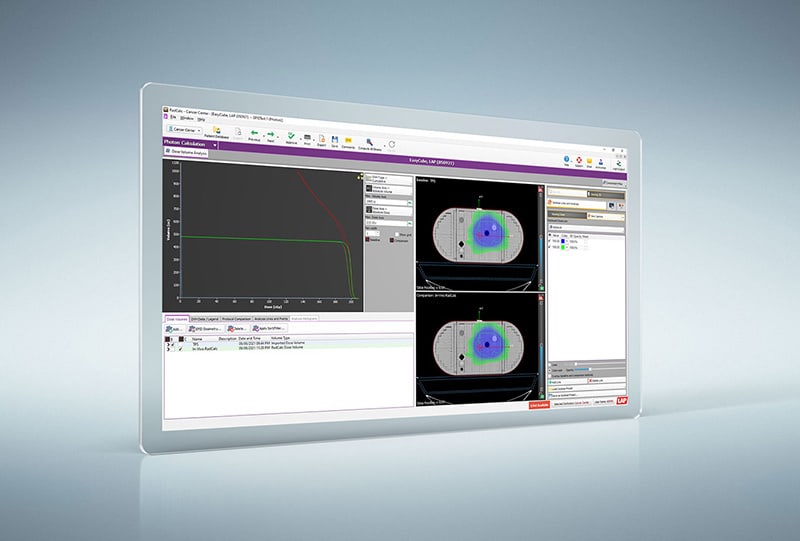 In this webinar, Florian Kamp will be sharing his experience with RadCalc’s 3D EPID module. He will be covering his observations in setting up RadCalc’s dose engine, along with the hardware configuration that he is utilizing within his clinical network.