Physics World announces its finalists for the 2021 Breakthrough of the Year

One of the highlights in the Physics World calendar is the announcement of our Breakthrough of the Year, which will be made this year on Tuesday 14 December.

Today, we are revealing the 10 finalists for 2021, which serves as a shortlist from which we will pick the winner.

This year’s Top 10 Breakthroughs were selected by a crack team of five Physics World editors, who have sifted through hundreds of research updates published on the website this year. In addition to having been reported in Physics World in 2021, selections must meet the following criteria:

  • Significant advance in knowledge or understanding
  • Importance of work for scientific progress and/or development of real-world applications
  • Of general interest to Physics World readers

Here are the Physics World Top 10 Breakthroughs for 2021, in no particular order. Come back next week to find out which one has bagged the Breakthrough of the Year award!

Restoring speech in a paralysed man

Clinical trial testing session

To Edward Chang, David Moses, Sean Metzger, Jessie Liu and colleagues at the University of California San Francisco for developing a speech neuroprosthesis that enabled a man with severe paralysis to communicate in sentences, by translating his brain signals directly into words on a screen. To achieve this, the team used a high-density electrode array implanted on the surface of the participant’s brain to record electrical activity in multiple cortical regions involved in speech formulation. Based on a 50-word vocabulary that the system could identify from patterns in recorded cortical activity, he was able to produce hundreds of short sentences. The technique showed a promising median decoding rate of 15.2 words per minute – around three times faster than the computer-based typing interface that he normally used for communication.

Making 30 lasers emit as one

To Sebastian Klembt of the University of Würzburg, Germany, Mordechai Segev of the Technion-Israel Institute of Technology, and colleagues for creating an array of 30 vertical cavity surface emitting lasers (VCSELs) that behave as a single coherent light source, paving the way for large-scale, high-power applications. The team drew on principles of topological photonics to ensure that light from each laser in the array flows through all the others, forcing them to emit at the same frequency. The new design overcomes the power limitations of a previous device built by Segev and collaborators in 2018, and can in principle be scaled up to incorporate hundreds of individual lasers.

Quantifying wave–particle duality

To Tai Hyun Yoon and Minhaeng Cho of the Institute for Basic Science, South Korea; Xiaofeng Qian of the Stevens Institute of Technology, US; and Girish Agarwal of Texas A&M University, US for experimental and theoretical work quantifying the “wave-ness” and “particle-ness” of a photon and demonstrating that both properties are related to the purity of the photon source. In their experiment, Yoon and Cho tightly controlled the quantum state of pairs of photons – a “signal” and an “idler” – emitted by two crystals of lithium niobate. By independently altering the chances that each crystal would emit photons, they showed that this so-called source purity is related to the visibility of interference fringes (a wave-like property) and path distinguishability (a particle-like property) by a simple mathematical expression first articulated by Qian and Agarwal in 2020. The result has applications in quantum information and puts a new twist on interpretations of complementarity – the idea, originating from the 20th-century quantum pioneer Niels Bohr, that quantum objects sometimes behave like waves, and sometimes like particles.

Milestone for laser fusion
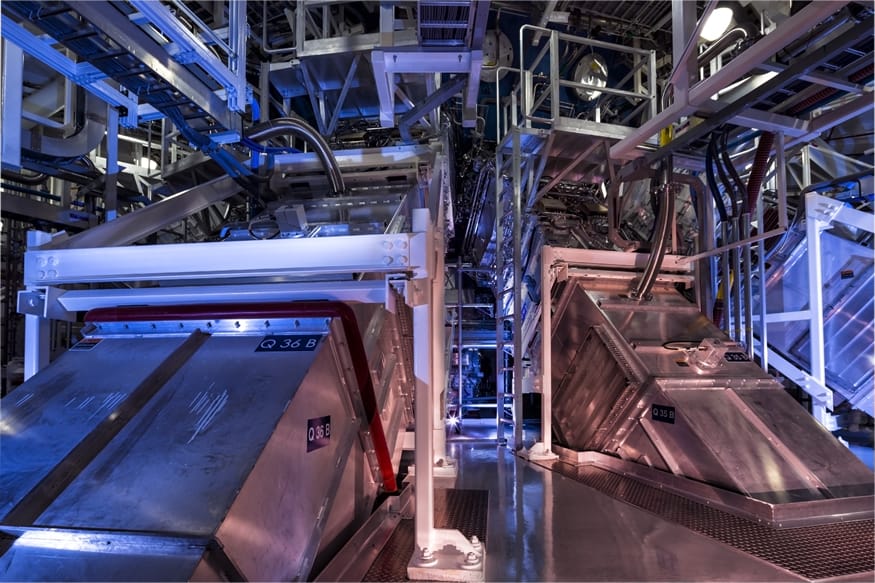
National Ignition Facility

To Omar Hurricane, Annie Kritcher, Alex Zylstra, Debbie Callahan and colleagues at the National Ignition Facility (NIF) in California, US, for taking a step closer to their ultimate goal of realizing “ignition”. Since NIF was turned on over a decade ago, its long-term goal has been to show it can achieve ignition – the point at which fusion reactions generate at least as much energy as its lasers put in. This involves self-sustaining reactions, in which the alpha particles that are also emitted during fusion emit heat to initiate further fusion. NIF, which is operated by the Lawrence Livermore National Laboratory, trains 192 pulsed laser beams on to the inner surface of a centimetre-long hollow metal cylinder known as a hohlraum. Inside is a fuel capsule, which is a roughly 2 mm-diameter hollow sphere containing a thin deuterium-tritium layer. Experiments between 2009 and 2012 fell well short of reaching ignition and so researchers went back to the drawing board to make improvements. That paid off spectacularly on 8 August when researchers achieved an energy yield of more than 1.3 MJ – about 70% of the energy that the laser pulse delivered to the sample. Although still short of break-even, the figure far exceeded previous markers of around 0.1 MJ and some experts have described the result as the most significant advance in inertial fusion since it began in 1972.

Innovative particle cooling techniques

To researchers from the Antihydrogen Laser Physics Apparatus (ALPHA) and the Baryon Antibaryon Symmetry Experiment (BASE) collaborations at CERN, for two separate studies presenting new ways to cool particles and antiparticles. The techniques could pave the way for precision studies examining the matter–antimatter asymmetry in the universe. The ALPHA collaboration demonstrated laser-cooling of antihydrogen atoms for the first time. To achieve this, the physicists developed a new type of laser, which produces 121.6 nm laser pulses, to cool the antiatoms. They then measured a key electronic transition in antihydrogen with unprecedented precision, a breakthrough that could lead to improved tests of other key properties of antimatter. The BASE researchers, meanwhile, showed how to extract heat from a single proton via a superconducting circuit connected to a cloud of laser-cooled ions several centimetres away – a technique, they say, that could easily be applied to antiprotons.

Observing a black hole’s magnetic field
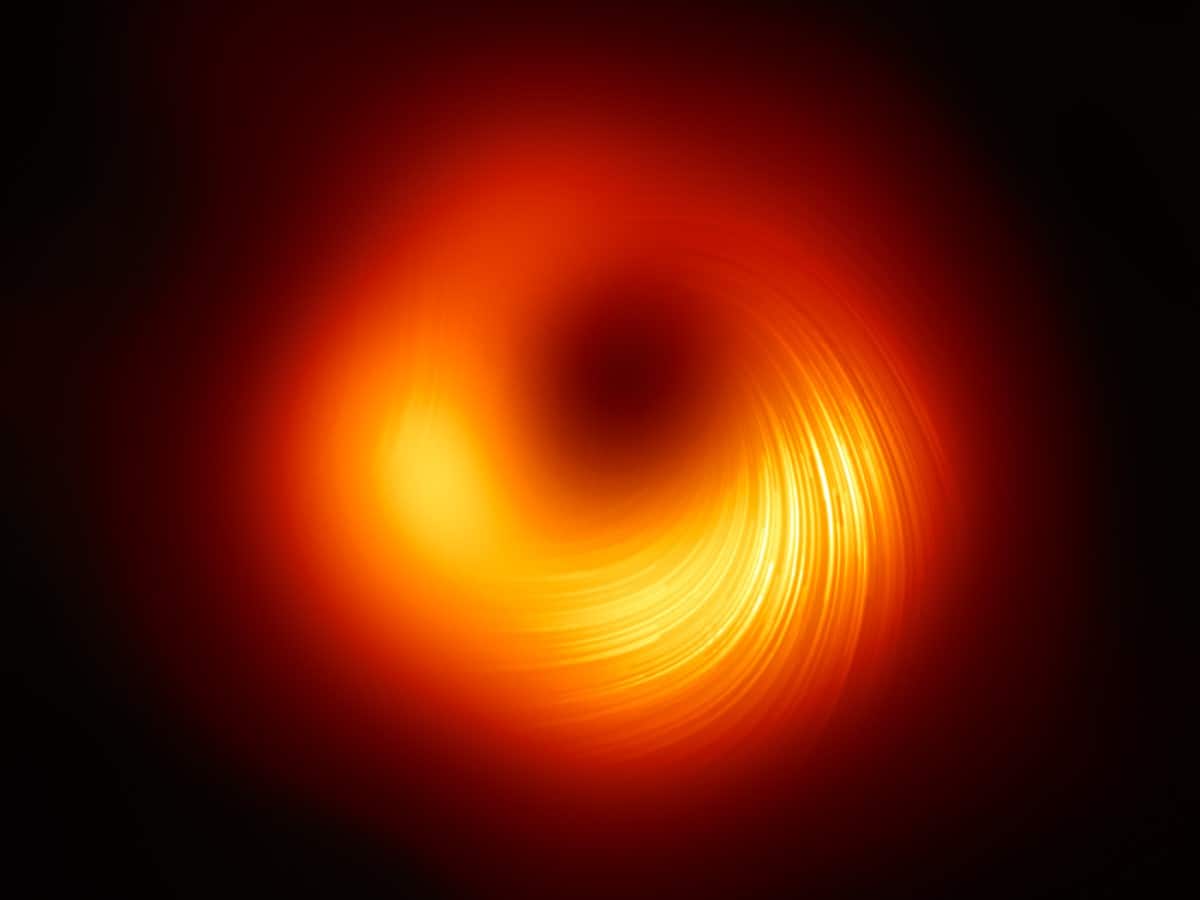
M87* polarization

To the Event Horizon Telescope Collaboration (EHT) for creating the first image showing the polarization of light in the region surrounding a supermassive black hole. The polarization reveals the presence of strong magnetic fields in an area where matter is accelerating into M87*, a black hole more than six billion times the mass of the Sun. Further study of this polarization could provide important insights into how some black holes create huge jets that eject matter and radiation into surrounding space. In 2019 the EHT made history by capturing the first image of the shadow of a black hole, and the collaboration was awarded the Physics World 2019 Breakthrough of the Year for that work.

Achieving coherent quantum control of nuclei

To Jörg Evers and colleagues at the Max Planck Institute for Nuclear Physics in Heidelberg and the Deutsches Elektronen-Synchrotron – both in Germany – and the European Synchrotron Radiation Facility in France, for being the first to achieve the coherent quantum control of nuclear excitations. The team used X-ray light from a synchrotron that was delivered to the nuclei in two ultrashort pulses. By adjusting the phase of the pulses, the team could toggle iron nuclei between coherent enhanced excitation and coherent enhanced emission. As well as providing a better understanding of quantum matter, the work could hasten the development of new technologies such as ultraprecise nuclear clocks and batteries that can store huge amounts of energy.

Entangling two macroscopic objects
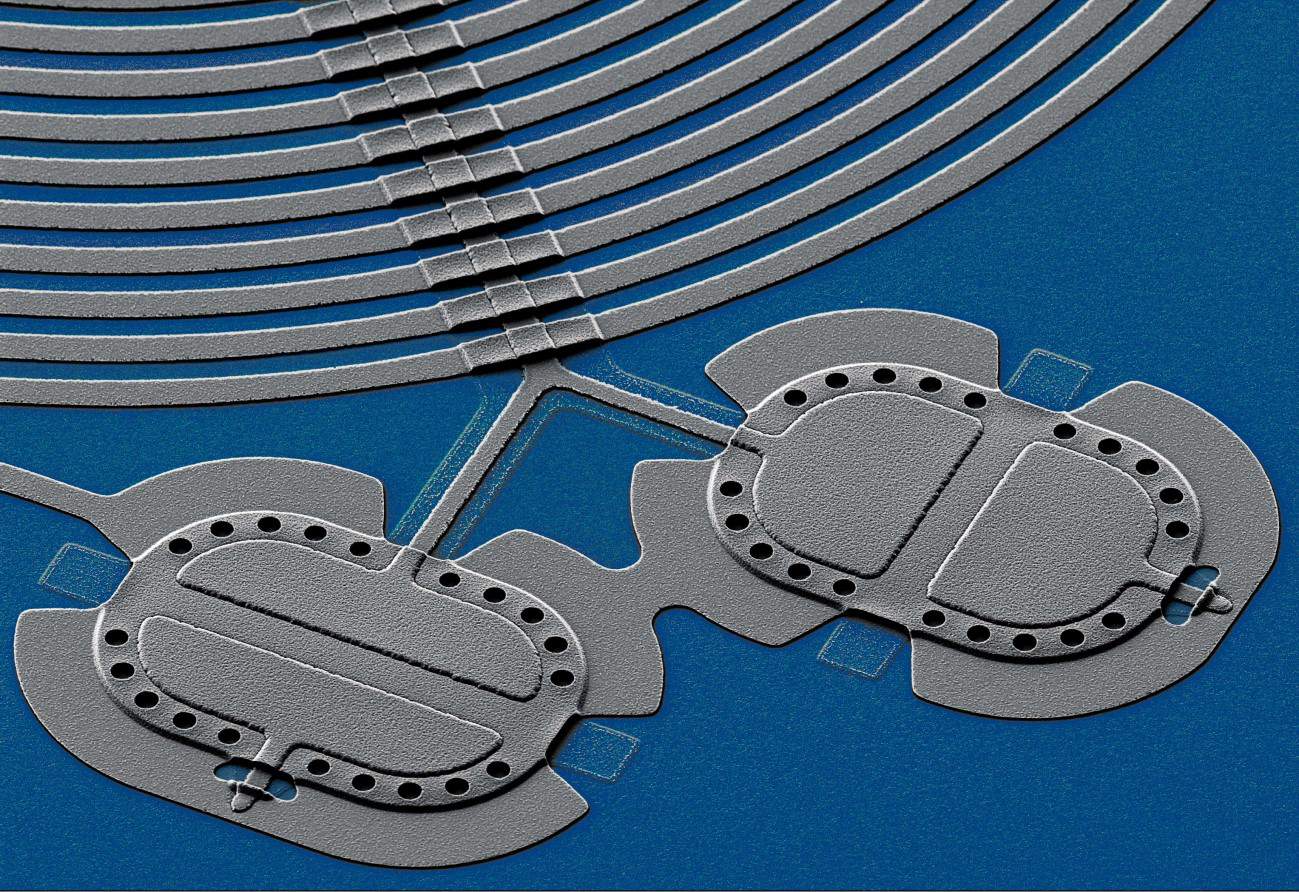
Quantum drums

To Mika Sillanpää and colleagues at Aalto University, Finland and the University of New South Wales, Australia, together with an independent team led by John Teufel and Shlomi Kotler of the US National Institute of Standards and Technology (NIST), for entangling two macroscopic vibrating drumheads, thereby advancing our understanding of the divide between quantum and classical systems. The two groups generated their entanglement in different ways. While the Aalto/Canberra team used a specially chosen resonant frequency to eliminate noise in the system that could have disturbed the entangled state, the NIST group’s entanglement resembled a two-qubit gate in which the form of the entangled state depends on the initial states of the drumheads. The entangled resonators could become the basis for quantum sensors or nodes in a quantum network.

Observing Pauli blocking in ultracold fermionic gases

To Christian Sanner and colleagues at JILA in the US; Amita Deb and Niels Kjærgaard at the University of Otago; and Wolfgang Ketterle and colleagues at the Massachusetts Institute of Technology in the US, for independently observing Pauli blocking in ultracold gases of fermionic atoms. Pauli blocking occurs in such gases because the constituent atoms fill nearly all available low-energy quantum states, which prevents atoms from making small transitions to neighbouring states. This affects how light scatters from atoms in the gas, and all three teams observed that Pauli blocking increased the transparency of their gases as they were cooled. The effect could someday be used to improve technologies based on ultracold atoms such as optical clocks and quantum repeaters.

Confirming the muon’s theory-defying magnetism
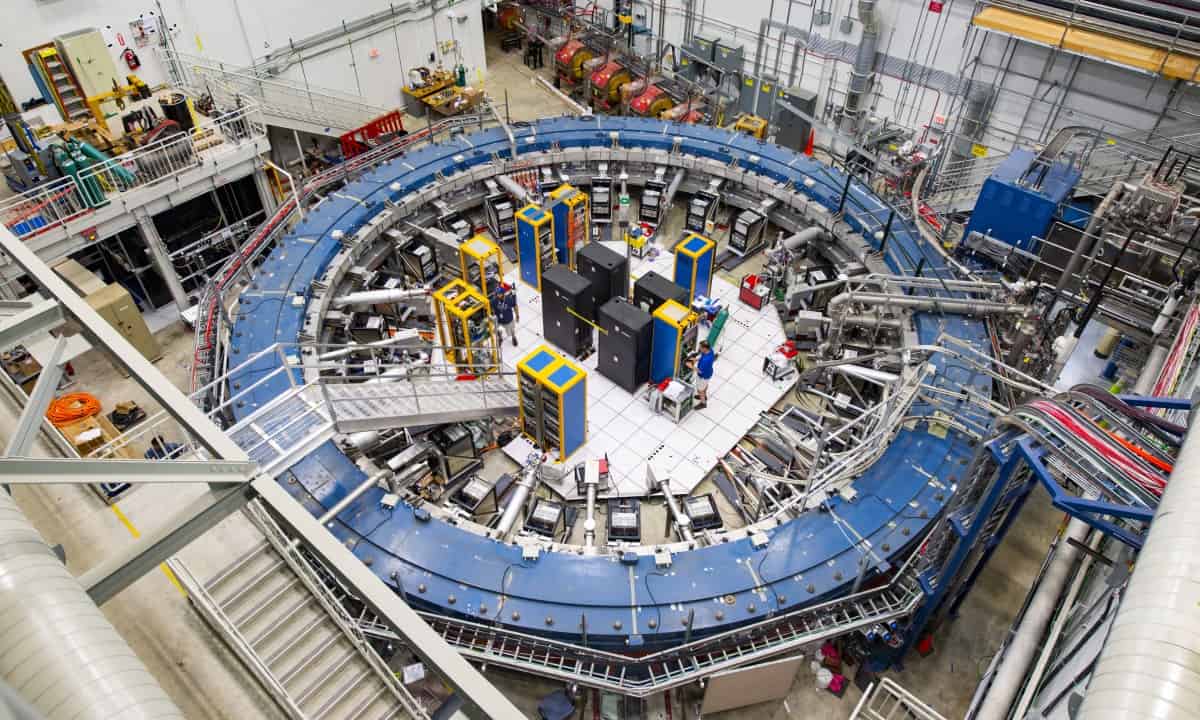
Muon g-2 ring

To the Muon g–2 collaboration for providing further evidence that the measured value of the muon’s magnetic moment disagrees with theoretical predictions. The international team circulated a beam of magnetically-polarized muons in a storage ring at Fermilab in the US. The magnetic moments of the muons were rotated by a magnetic field and the rotation rate gave the size of the muon’s magnetic moment. The discrepancy between theory and experiment was first revealed two decades ago at Brookhaven National Laboratory. Now the combined Fermilab/Brookhaven results put the difference between experiment and theory at 4.2σ, which is less than the 5σ required for a discovery. If the discrepancy stands the test of future experiments, it could point to new physics beyond the Standard Model.

  • Additional reporting by Michael Banks, Tami Freeman and Margaret Harris. There is more about this year’s shortlist in the Physics World Weekly podcast where we have a lively discussion about all of the entries. This article was modified on 10/12/2021 to recognize additional leaders within the shortlisted teams.

Bluefors logo block

Physics World‘s Breakthrough of the Year coverage is supported by Bluefors, a leading supplier of cryogen-free dilution refrigerator measurement systems with a strong focus on the quantum computing and information community. Our aim is to deliver the most reliable and easy to operate systems on the market which are of the highest possible quality.
Intense radiation pressure enables selective acceleration of carbon ion beams

Researchers at Queen’s University Belfast (QUB) have developed a novel tool that uses a combination of high-power lasers and selective ion acceleration to investigate the biology of potential future radiotherapy regimes.

The QUB team used lasers in the Gemini laser facility at Rutherford Appleton Laboratories, UK to focus an extremely intense, ultrashort 40 fs laser pulse onto ultrathin carbon foil targets – instantly ionizing and transforming them into a plasma of protons, carbon ions and electrons. At these extreme intensities, the laser pulse is able to push the plasma electrons forward by radiation pressure, which accelerates the carbon and protons.

The researchers demonstrated that by optimizing the thickness of the target, they could selectively accelerate carbon nuclei in the target material with respect to the lighter protons. A target thickness of 15 nm produced maximum carbon ion energies of 33 MeV/nucleon (approximately 400 MeV), as well as minimizing the acceleration of protons (18 MeV).

This preferential acceleration of heavier species over protons is atypical of acceleration mechanisms known to act on multispecies targets. To investigate the reason for this, the researchers performed further experiments and computer simulations of the acceleration process. They found that the two ion species are accelerated via different mechanisms, which arise due to the intensity profile of the Gemini laser pulse – in which the main pulse is preceded by a short pedestal and rising edge.

At the ideal target thickness, the very early part of the laser pulse reaching the target is intense enough to create the plasma and drive the protons out of it. When the main pulse arrives, it then accelerates the remaining carbon-dominated target. The team publish the results in Physical Review Letters.

Lead author Aodhan McIlvenny, a research fellow at QUB, explains that the team uses these unique radiation sources to investigate ultrahigh-dose-rate radiobiology – an extension to the “FLASH” regime – a technique that delivers radiation at far higher dose rates than existing treatments. According to McIlvenny, this has so far been explored with electrons and protons, but high-power laser–solid interactions also offer a source of ultrahigh-dose-rate higher-mass ions – such as carbon ions – that are able to deliver their energy at dose rates orders of magnitude higher than any conventional form.

“The FLASH regime is currently being explored as a means of delivering high doses for cancerous cell killing – but is also thought to reduce the damage to healthy tissue, which would lead to reduced side effects,” McIlvenny explains.

“This is what we explore with radiobiology studies – looking at cell models, exposing them to laser-driven radiation and comparing it to standard sources. Carbon is of particular interest as it is known to be better for the treatment of some cancers which are resistant to other forms of radiation,” he adds.

Simple cells

At this stage, the QUB team continues to work with relatively simple cell models, and McIlvenny is keen to stress that the new technique has not yet been used in a clinical setting and is definitely not suitable for use with any patients currently.

“So far, we have mostly shown that laser-driven protons have the same cell killing abilities as those from standard sources. The biology at these dose rates is yet to be fully explored and the mechanisms are yet to be understood, but we hope to test whether they are beneficial for reducing side effects in healthy tissue so that we can help develop more effective treatments in the future,” he says.

In a radiotherapy context, it is particularly important to reduce damage to healthy tissues surrounding a tumour deep in the body. Particle therapy, using protons and carbon ions, offers advantages when treating some cancers as these particles deposit the majority of their energy at a specific depth so the dose can be localized. X-rays, the main radiotherapy approach employed currently, will unavoidably deposit energy in healthy tissue as they propagate through the body, which can cause some unwanted damage. “So, we are investigating the use of ions, but with an ultrahigh dose rate to see if there are any additional benefits,” McIlvenny adds.

Although the QUB team already works with the highest power lasers currently available worldwide, McIlvenny also reports that “even higher power lasers are coming online across the US, Europe and Asia in the next few years” – and confirms that he and his colleagues hope to use these beams to produce more and higher-energy ions to extend their range of studies.

“In the meantime, we are planning to investigate methods to optimize this source and investigate new mechanisms while exploring the complex physics of high-power laser–matter interactions,” says McIlvenny.

Atomically thin lasers shine for the first time at room temperature

A two-dimensional semiconductor crystal just three atomic layers thick has emitted laser-like light. Crucially, this emission happened at room temperature: a significant improvement over previous cryogenic experiments. Coherent light generation from these ultrathin crystals paves the way for creating novel nanolasers, as well as opening doors for an emerging field of two-dimensional materials called valleytronics.

Exciton–polaritons

Researchers from the University of Oldenburg obtained coherent light from hybrid light–matter particles known as exciton–polaritons. These are formed from the strong interaction between confined photons and electrons. The process begins by exciting electrons in the two-dimensional crystal, which give off a photon. By placing the crystal between two optical mirrors, the photon can be reabsorbed, forming another excited electron. This electron–photon re-excitation process is then repeated, yielding a hybrid exciton–polariton.

Above a critical threshold emission, the exciton–polaritons transit into a macroscopic bosonic quantum state that generates spatially and temporally coherent light. Unlike normal laser light, it does not rely on population inversion, therefore requiring much lower lasing thresholds.

A class of semiconductors consisting of a transition metal and either sulphur, selenium or tellurium is known to possess a strong interaction with light. In this case, the team used a single layer of tungsten diselenide (WSe2) crystal to strongly couple to light. Their previous experiments used a slightly different crystal (molybdenum diselenide) at cryogenic temperatures, but the researchers were now ready to make the step into warmer territory. They publish their latest findings in Nature Communications.

And then there was light

Electrons within the material were kicked into action with a green laser that was progressively increased in power to reach the lasing threshold. Exciton–polaritons were created in a trap (a few micron-sized WSe2 monolayer), and light was captured between two distributed Bragg reflectors (DBRs) that act as mirrors.

The team then tested the spatial coherence of the light using a Michelson interferometer and noticed a very small coherence length before the threshold value, followed by a significant increase after the threshold. Additionally, the emitted light showed high temporal coherence. Such high temporal and spatial coherence are key signatures of exciton–polariton lasing.

Magnets reveal the smoking gun

When placing the sample inside a magnetic field, the researchers observed a spectral Zeeman splitting: a phenomenon that occurs due to the electrons slightly changing orbits. The applied magnetic field induced the energy splitting of the polariton emission into two circularly polarized light components, which are linked to the local extrema in the electronic band structure in the semiconductor material, called valleys, in which the two-dimensional excitons are formed. Since photons do not respond to a magnetic field, this magnetic Zeeman splitting was another tell-tale sign of exciton–polariton emission.

Carlos Antón-Solanas and Christian Schneider, leaders of this research work, explain that spatial coherence had been associated with a “smoking gun criterium” years ago. “But our work is the first to report these central results,” Antón-Solanas adds. He explains that the step to room temperature was made possible by changing to WSe2: a material where the exciton photoluminescence can be reached at elevated temperatures, and exciton–polaritons present a sufficiently long lifetime enabling their formation before decay.

Antón-Solanas notes that another group published monolayer emission results around the same time as they, albeit with a different material (tungsten disulphide) that emits at a different wavelength.

New fields

On future steps, Schneider says that the team will study the photon-number composition of the lasing polariton emission via second-order correlations experiments, as well as signatures of superfluidity and superconductivity. As for applications, Schneider thinks that the polariton lasing can be applied to micro- and nano-devices. The control over the polarization and energy structure of the polaritons also looks promising for applications in nanophotonic valleytronic devices: an emerging field in which the valleys inside semiconductor material are used to store, manipulate and read out bits of information.

Ritesh Agarwal from the University of Pennsylvania, who was not involved in this research, thinks that these studies are important as they show macroscopic coherence of matter at room temperature in relatively “unclean” materials that don’t require the highly advanced optical cavity designs seen in traditional optical materials.

Agarwal adds that their rather simple fabrication procedures will make these systems more accessible to many researchers, leading to many more discoveries of new and intriguing phenomena. “This study, which adds to a rapidly growing body of work, is in the right direction to fabricate novel polaritonic devices for photonics applications,” he concludes.

Physics points the way to COVID-safe singing

“Music has been very disrupted due to the pandemic.”

When Philippe Bourrianne spoke these words at the annual meeting of the American Physical Society’s Division of Fluid Dynamics in late November, I nodded vigorously at my laptop. Before the pandemic, I was a keen amateur singer, trotting along to rehearsals with the Bristol Choral Society every Wednesday after I finished work in Physics World’s office in Bristol, UK. Since the coronavirus arrived, though, a mixture of government regulations and a fear of getting caught in a super-spreader event like the one that struck Washington’s Skagit Valley Choir (61 singers at a March 2020 rehearsal, 52 confirmed or probable cases of COVID-19, two deaths) has kept me away. So when I read that Bourrianne, a fluid dynamics expert, would be presenting about the flow of exhaled air (and any airborne pathogens within it) in opera, I cleared my schedule to hear his talk.

In his presentation, Bourrianne described how he and colleagues in Howard Stone’s research group at Princeton University, US teamed up with musicians at New York’s Metropolitan Opera to investigate what happens to singers’ breath during a performance. Using an infrared camera, the Princeton researchers monitored the flow of warm, exhaled carbon dioxide from several Met artists, including soprano Angel Blue, as they performed fluid, vowel-rich arias and choppier, consonant-heavy recitatives with and without a surgical face mask. They also performed similar tests on orchestral musicians such as trombonists, trumpeters and oboists, with bell covers taking the place of face masks.

What Bourrianne and colleagues found is that wearing a mask (or playing an instrument with a bell cover) drastically reduces how far the musician’s breath can travel, from well over two metres down to just 10–30 cm. That’s perhaps not so surprising. Within this overall finding, however, they uncovered some interesting wrinkles.

Before they conducted their study, which is published in Physical Review Fluids, the researchers expected that opera singers would have a higher risk of spreading airborne viruses because they must sing loudly to project their voices across large performance spaces without a microphone. In fact, the team’s data showed that the velocity of Blue’s exhaled breath was lower when she was singing arias (such as “Casta Diva” from Vincenzo Bellini’s Norma) than when she was speaking. The team’s new hypothesis is that normal speech may actually carry a higher risk of spreading respiratory disease than this type of singing because it contains more spittle- and air-burst-generating consonants. A further unexpected finding is that because the oboe is played with a very low flow rate, it may be riskier than other instruments because musicians must quickly and forcefully expel their unused breath outside the instrument as they play, limiting the effectiveness of bell covers.

But what does it sound like?

One thing Bourrianne and colleagues didn’t study, though, was the sound singers produce while masked. For that, I tuned in to a different conference, this one organized by the Acoustical Society of America (ASA). Thomas Moore is a physicist at Rollins College in Florida, US, and one of his pandemic research projects has been to analyse the acoustic effects of different types of face mask. “When you sing or speak, there’s quite a bit of exhaled aerosol that comes out of your mouth – a miasma of particles and gases,” Moore told the audience at an ASA press briefing on 1 December. “The idea of putting a mask on is to stop that.”

The problem, he went on, is that “no-one would hire a soprano if she sounded like she does wearing a mask”. Basic cotton two-ply masks are especially bad for singing, as they excel at blocking frequencies above 1 kHz. Although this is much higher than the frequency of normal human speech (a soprano’s high C, for reference, clocks in at 1046.5 Hz), it’s the higher frequencies and harmonics that lend sound its rich, distinct quality.

The good news is that not all face masks perform as poorly as cotton ones. From an acoustical perspective, the best option is a so-called singer’s mask. These devices incorporate a frame that keeps the fabric away from the wearer’s mouth, and the bigger ones form a resonant cavity as well. “It’s just like singing into a small room,” Moore explained. “Although they look a little funny, they are the way you want to go.”

In the longer term, Moore suggested that other solutions might come to the fore. “The real way we probably need to deal with exhaled contagion is to redirect the flow in the room,” he said. If air were brought in from the floor and allowed to exit through the ceiling of concert venues and other public spaces, he added, “significant progress against the contagion” would result.

For the time being, though, it’s tempting to conclude that these oddly shaped masks might provide a safer route back to performing for choirs and audiences alike. As Moore put it, “It would be sad if the next time we had a pandemic, we had to stop all of our arts like we did this time.”

Securing the key to our quantum future

Chris Erven

Academics, governments and the technology industry are all involved in a global race to build the first usable and scalable quantum computer. And when that goal is achieved – most likely within the next five to 15 years – we will not only have unprecedented computing power at our disposal, but also the worrying issue of safety. That’s because such a device could easily be used to hack into our current public-key cryptography, which underlies almost all of our digital transactions and interactions today. With this in mind, KETS Quantum Security – a UK firm – has been working on securing communications in the “post-quantum” world, according to its chief executive Chris Erven.

The Bristol-based company has spent the last decade developing a fast and powerful chip-based quantum random number generator, as well as full quantum key distribution (QKD) devices. Erven – who was deputy director of the Quantum Technology Enterprise Centre at the University of Bristol – has long been interested in the commercial application of quantum encryption. Here he talks to Physics World about the real-world security issues that all organizations may soon face and explains how KETS is currently working with a number of blue-chip organizations in sectors that range from telecommunications and defence, to data and finance. Erven also reveals his vision of our quantum future.

What are the key challenges, focuses and aims of the quantum-cryptography industry today?

It is fair to say that the industry, which has been around for a while now, is maturing. No one would deny that China leapt ahead when it comes to QKD and really moved the field along. They launched the Micius satellite, which established an ultrasecure link between two ground stations separated by more than 1120 km. And as of this year they have built a QKD network spanning thousands of kilometres and linking four main metropolitan areas in the country. These advances made a number of other governments sit up and pay attention.

Outside of China, the next biggest project is the European Quantum Communication Infrastructure (EuroQCI) Initiative, which involves developing a quantum-safe communications network that spans all 27 member states of the European Union (EU), and aims to be fully operational by 2027. It’s an interesting beast as it has a centralized plan, as well as projects in individual countries – for example, we are working with the Paris QCI. Here in the UK, too, the government is talking about “preparing for quantum-safe cryptography”. And of course the US has a number of initiatives – in fact the US Department of Energy has put considerable emphasis and funding into this. So a lot has flowed from all this government interest – it has provided new opportunities for vendors to sell kit into test beds.

When it comes to the technology of quantum security, it’s early days still and we are only at the bulletin-board stage. Yes, we have the internet, but it’s a bit unreasonable to assume that we’re going to jump right to the quantum internet – although many people are starting to get their heads around that. At KETS today we are part of some ongoing test beds in Europe and Canada which serve multiple purposes – that way, an end-user doesn’t have to pay ridiculous sums to do it all in-house, they can join a test bed. And technology providers can see how users plan on using these systems and improve on them.

When it comes to the quantum-computing race, the final stages have really begun, and that is raising awareness. Quantum computing is coming up more and more in our feeds and people are realizing that there’s plenty of good things, but there’s also some stuff that you’ve got to think about the implications for, one of them being security. So that has changed the conversation from “We should keep an eye on that” to suddenly a lot of private and public institutions thinking seriously about their security, which is great for us.

What are some of your goals and targets at KETS in the next couple of years, technology-wise?

Our latest £3.1m pre-series A funding round was announced in June this year. We continue to enjoy incredible support from our bedrock investor, Quantonation, who has been with us since seed, and were really lucky to add two new, great investors in SpeedInvest and Mustard Seed MAZE. The pandemic has slowed everybody down, but our main aim is to get our two products – a quantum random number generator (QRNG) and a QKD system – ready for users. The QRNG has been built and is ready. The QKD system should be ready any day now, when one of our team finds that last line of code where the bug is! So we’re within a hair of the second one.

The new funding will be used to accelerate development, production and delivery of the first products. It will also allow KETS to expand key first trials of the technology in real-world applications and environments that are already in development. To deliver all of this, KETS will continue to build a world-leading team that is passionate about the company’s technology and values.

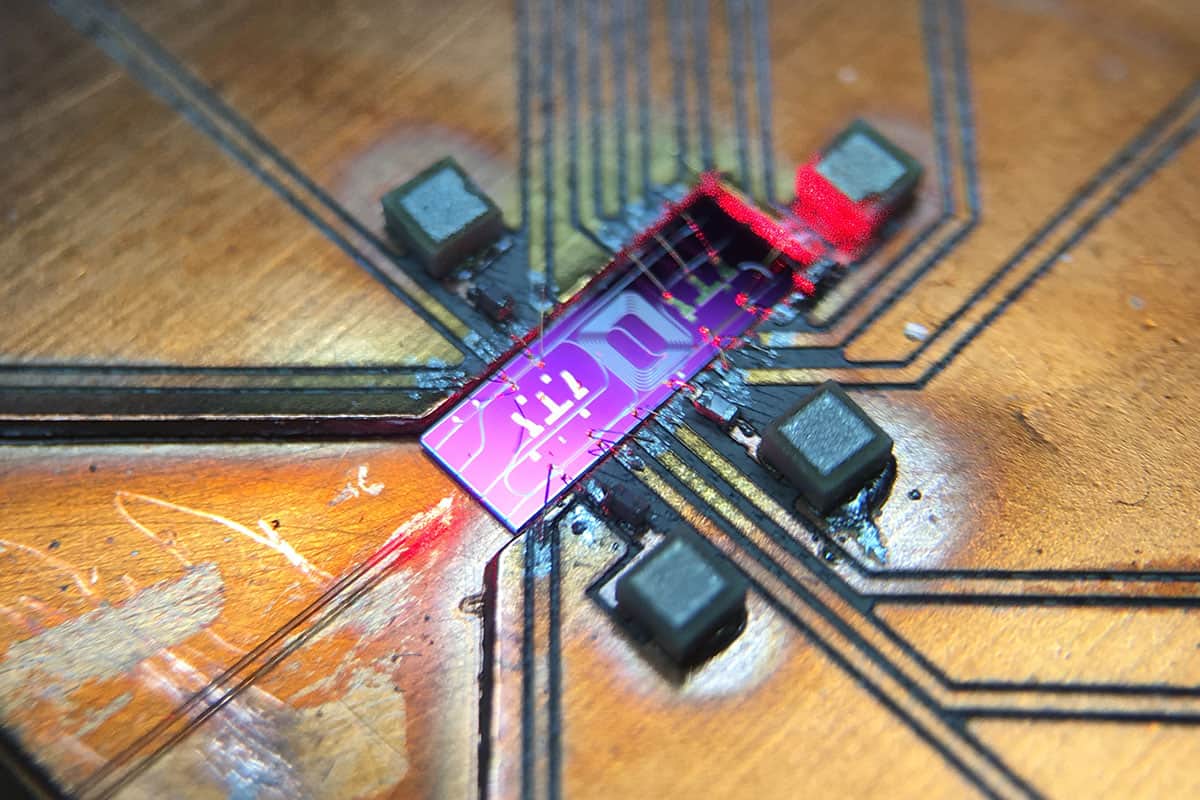
KETS quantum random number generator chip

The rest of our funding will be to build a few of them and trial the QRNG and the QKD system – we’ve talked to a number of people now in telecoms, in data centres and in defence and space; and will be testing some proof of concepts. So the next year is going to be testing as much as we can and bringing in users. We will be taking the early versions of our kits to people in a number of sectors, doing demos and then looking at the next steps to show off our technology. And then we want to start running as fast as possible, to go from there to 10 units to 10,000 units, and to make sure that we’re involved in key projects such as the EuroQCI.

Lastly, we have a few things in the pipeline that bring new capabilities that we would like to accelerate. This includes multi-transceiver devices, rather than just point-to-point, because that is looking closer to the internet and not the bulletin-board systems of the 1990s. So next year is all about demos and proof of concepts, and the year after that the plan is to build 10,000 of them and bring the next capabilities online.

Tell me a bit more about your QRNG and QKD systems, and who you think your key users will be

Our QRNG does exactly what it says on the tin – it produces random numbers according to the laws of physics. It sounds incredibly boring, but every past, present and future encryption algorithm needs good randomness. And then we have our QKD system that would let you and me exchange a symmetric key. So it’s a random sequence of zeros and ones, but only you and I know it, and distributing the key is now secure according to the laws of physics.

We call both of these our “development kits”. The cyber industry is an interesting one – as much as I try to show up to new customers and say, “Right, tell me all the ways you’re insecure so I can help,” they generally aren’t so forthcoming. It takes a while to build trust and get users to open up a little bit. Most of them just want to either get involved in a trial or to have us come and do a demo – some sort of three-month proof of concept, which ultimately helps build momentum at their end too.

This is also practical, as there are no established standards yet for quantum-security technologies or post-quantum algorithms – they’re still being written. There are some drafts in place, and it might meet some basic criteria, but in the sense of putting a sticker on the box saying “quantum safe” – it’s just not certified. So development kits in the hands of users will help us get there as they will contribute to writing the basic standards. With this in mind, we are focused on the telecommunications industry, as it’s a necessary first step. There’s definitely good sales there, both because they want to resell on these services, but they’re also a customer as they’re thinking about upgrading their own infrastructure to make it quantum-safe. A bank is not going to put in a fibre network between all of its locations, it’s going to turn around to BT and say, “I’d like to connect around the country.”

KETS quantum key distribution transmitter chip

So you start with the telecoms to get the basic infrastructure and then you begin hanging use-cases off it. And we think one of the first big ones is data centres, because that’s where a lot of high-value data is being stored, processed and accessed. We hope to start with making some of these high-value links secure because there’s still a high cost of the technology.

We have also always worked with the defence and space industries, who obviously want good security, and have done things like put our test kits on Airbus unmanned aerial vehicles and fly them around. And of course, there is banking, finance and critical infrastructure – anything from ferrying around “no fly” lists and passport information between home office and airports, to securing next-generation nuclear power plants. In recent times, we’ve seen a number of hacks on energy grids and the like, so all these areas must be made secure.

From your point of view, what kind of timeline are you planning for when it comes to having a functional quantum computer?

We have some materials that we tend to send to customers now, that have been written by third-party experts such as quantum scientist Michele Mosca, working with the Global Risk Institute, who surveyed the field. Their estimate is a one in seven chance within five years and a one in two chance within 10 years.

The other key factor is all the investment going into quantum computing, which has really taken off in the last couple years – so we’re trying to put our money where our mouth is. Quantum computers are such a key resource, and in many cases they are now being developed by state actors in the US, China and the EU. You probably won’t know when the first one’s turned on. So we’ll probably never actually know when “Q day” is, unless it’s 50 years later, like with the Enigma machine where we found out much later. It could already have happened! I don’t think that’s quite the case just yet, but I think it’s closer than we think. So we plan for five-ish years.

We have a small, internal project looking at how we would make KETS quantum-safe – because currently we don’t have the full infrastructure to, say, access our Google docs in a quantum-safe way, and we’re a company of 14 at the moment. But even in a small start-up, it’s a can of worms when you open it up and consider all the ways you communicate and all the places your data goes. I can only imagine what it’s like for a multinational company. So even if Q day is 10 to 15 years away, it’s probably a 20 to 25 year transition for large companies, so they really should be looking into it.

Tell me more about your quantum random number generator and why it’s such an important resource?

There are a number of QRNGs on the market – for example, ID Quantique has a chip focused on IoT [internet of things] smart devices and applications that perform at slower speeds. Ours focuses on high speed, as it is aimed towards data centres and telecommunications, who will gobble up as much randomness as you can give them. Today, our development kit is similar to a graphics-card chip, but we are going to continue to shrink it. It currently goes up to a gigabit per second; but natively it can do up to seven gigabits per second of randomness. We think we can push it to 25 without changing much, beyond some of the electronics.

The challenge has always been for anybody that doesn’t have quantum engineers on staff. They would ideally love to have a number in mind, so that they can say “this is 40 times better than my classical random number generator”, and an executive can then sign off on spending resources for that – but it’s just fundamentally different. So, early days this has been a challenge. Something that’s really helping that argument is developing a few more certification efforts or security assurance efforts. We are part of an Innovate UK project called AQuRand that has brought together a bunch of QRNG vendors and the National Physical Laboratory (NPL) is putting them through their paces. NPL is testing all the components and evaluating whether the model the company says this operates by actually holds true – and this will go a long way towards assuring users.

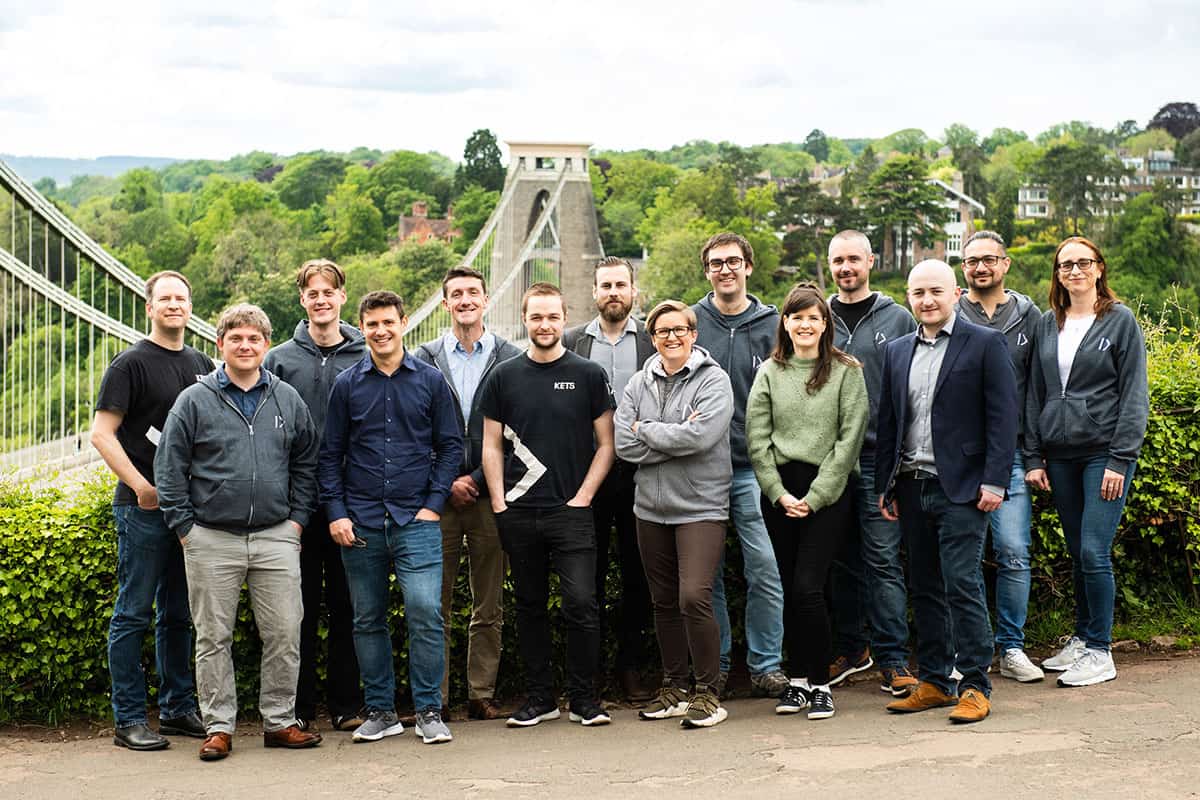
KETS team photo

Data centres are certainly a big user because I don’t know any server that won’t spin up a hundred or a thousand virtual machines on any given day, and all those get populated with current cryptographic keys. So not even thinking about the “post quantum” future – they need thousands of keys today and the best-quality randomness.

Looking ahead to post-quantum algorithms versus QKD, you will still need good randomness. KETS has partnered with French startup CryptoNext to carry out some demonstrations. We injected our randomness into their post-quantum algorithms and they injected that into a popular open-source library. We then did a quantum-safe digital document signing demo by the end of the day. So we’re really trying to show every possible application of our technology.

Where might you use a post-quantum algorithm over quantum security tech, and vice versa?

At KETS, we produce quantum-security hardware. But there’s also post-quantum cryptography algorithms, which are updates to the software algorithms we currently use for security. To the best of our knowledge, they are secure against a quantum computer – it’s never been proven but there is ample evidence. And so, it comes down to the use case – if it’s financial high-frequency trading, then you care for a millisecond that the algorithm is good enough. But if you care about your medical records or your genome being stored over a lifetime, with data being exchanged back and forth between sites, then you care for a much longer period of time, and a layered approach to security is necessary.

Where is quantum computing headed, in the near term?

The key challenges for quantum computing are the ability to scale-up our small quantum computers, and to perform quantum error corrections. Companies are looking at different ways to do this: they’re designing novel qubits and control hardware. Quantum software firms are building quantum operating systems, but also beginning to try and optimize errors and get rid of them with machine learning at more of a firmware level. No one has won yet in terms of which technology you should build your quantum computer from, but I don’t think we’re far away from some exciting breakthroughs! Before we know it, I’ll be playing quantum solitaire on my quantum computer thinking nothing of what’s under the hood, just like we no longer marvel at the smartphones in our pockets.

How physics can help COVID-proof everyday life

The emergence of a new variant of the coronavirus has put a constellation of researchers – virologists, immunologists and epidemiologists chief among them – in the hot seat as political leaders and public health experts seek answers to questions about how transmissible it is and whether it erodes pre-existing immunity. But while attention for the moment is on the life sciences, physicists also have a role to play in stopping the virus that causes COVID-19. Indeed, in the longer term, insights from physics could drastically reduce transmission of other respiratory pathogens, too.

Take social distancing. Signs asking people to keep 2 m (or 6 feet) away from others have become ubiquitous during the pandemic, and many shops have placed stickers on the floor at 2 m spacings to help safety-conscious consumers stay the requisite distance apart as they queue. But according to Varghese Mathai, a physicist at the University of Massachusetts Amherst in the US, these precautions are ineffective. In fact, they could even do more harm than good.

To evaluate the effects of 2m distancing in queues, Mathai, Ruixi Lou and Devin Kenney constructed a series of cylindrical dummies (a stand-in for queuing humans) spaced 6 feet apart, mounted it on a conveyor belt and placed it underwater (a stand-in for air, which is also a fluid). After filling an “infected” dummy with dye (representing virus-laden particles), they used a stepper motor to replicate the stop-start motion of people in a queue. The discomfiting result is that whenever the “queue” moved, each dummy ran straight into the cloud of dye emitted by the dummy in front of it, significantly reducing any benefit associated with distancing.

The Amherst team’s study did have some limitations. Notably, people’s breath tends to rise above their heads after they exhale, whereas the dye in the test tank did not. The conclusion, nevertheless, is that social distancing in queues is not an effective public health measure, even if the distance is doubled to 12 feet. “In both cases, you see that the released dye particles end up right in front of the person behind you,” Mathai told the audience at a press briefing held on 23 November, during the annual meeting of the American Physical Society’s Division of Fluid Dynamics (APS DFD). His verdict? “Waiting lines present a scenario where airborne transmission is possible.”

Masking up

If keeping your distance indoors isn’t an effective way of stopping the coronavirus, what is? The answer, in a word, is masks. On the same day as the briefing, Philippe Bourrianne of Princeton University and colleagues published a study in Physical Review Fluids on how masks change the airflow around a person as they exhale. The gist is that basic surgical facemasks tend to redirect the flow of exhalations upward, mitigating airborne disease transmission by keeping infectious particles out of the faces of other humans.

If that isn’t enough to protect people – and if the room is heated or cooled via vents blowing air down from the ceiling, it likely isn’t – the good news is that physics may have a solution. At a separate APS DFD briefing on 24 November that focused on the future of face masks, biomedical fluids engineer Saikat Basu described how he and his team at South Dakota State University are developing a new type of mask inspired by the convoluted nasal passages of dogs and other animals that have an excellent sense of smell. Their goal is to create a filter that is as effective as the material in a standard N95 mask, but much more breathable. “We are looking at a future where these respiratory pathogens will be more common,” Basu explained. Comfortable, effective masks are part of the solution, he added, because people will be more inclined to wear them.

During the same briefing, fluid mechanics researcher Tanya Purwar zeroed in on another flaw in today’s face masks: the tremendous amount of non-recyclable, non-biodegradable waste they generate. She and her colleagues at Purdue University have developed a reusable filter made from multiple layers of material: a hydrophobic and lipophobic outer layer to repel the virus and droplets that carry it; a non-woven layer; a copper layer coated with diamond-like carbon to inactivate any virus that makes it through; and finally two more non-woven layers for filtration and comfort near the mouth. Purwar explained that the point of making a filter, rather than a complete mask, is that they want it to be as flexible as possible to suit different face shapes and sizes. “This could have several applications – not just in a mask, but in air filtration systems, too,” she added.

Staying safe

Scientifically-informed public health measures, better masks, and ventilation systems that don’t create “dead zones” of uncirculated air or blow infectious particles around a room (the subject of a presentation by atmospheric scientist Rao Kotamarthi of Argonne National Laboratory) will all play a role in protecting people. As Purwar put it, “We’ve all been trying to come up with more efficient ways of staying safe from the virus.” The big question, though, is how long it will take to implement these solutions, and on that subject, Alfredo Soldati, a fluid mechanics expert at Technische Universität Wien, Austria, sounded a note of caution. Too often in the pandemic, he warned, “measures have been put in place where we could, not where we should”. Public health officials have a lot on their plates, but if they can spare some time to listen to their physics-trained colleagues, it could make their jobs – and all of our lives – much, much easier.

‘Cosmological coupling’ is making black holes bigger, study suggests

The observation of black holes with unexpectedly high masses could be partly explained by an effect related to the expansion of the universe, astronomers in the US have proposed. The team, led by Kevin Croker at the University of Hawai’i at Mānoa, used comparisons between simulated black hole mergers, and gravitational waves detected by the LIGO–Virgo collaboration, to show how ignoring the expansion of the universe may be limiting our understanding of black-hole physics.

Since 2015, the LIGO-Virgo collaboration has made 90 detections of gravitational waves, mainly originating from mergers of two black holes. These observations are a triumph of experimental physics and have revealed a mystery regarding the black-hole masses that have been seen so far. Current theories suggest that black holes involved in such mergers should be roughly between 8–35 times the mass of the Sun. Furthermore, instabilities in the cores of large stars should leave a gap in black hole masses between roughly 50–120 solar masses.

In contrast, gravitational waves detected by the LIGO-Virgo collaboration point to the existence of black holes within this theoretical gap. Several explanations have emerged to maintain the consistency between theory and observation. These relate to factors including stellar mass loss, metallicity (heavy elements in a star), and the explosion mechanics of stars. So far, however, no one theory has explained the observations.

Introducing “cosmological coupling”

As Croker’s team point out, current theories share the assumption that black holes inhabit a non-expanding universe. This idea greatly simplifies calculations and had not been thought to have any important impact on predictions about black hole physics. Yet in their study, Croker and colleagues suggest for the first time that black hole masses could be growing on cosmological timescales. They reckon the growth rate is linked with the expansion of the universe by an effect they call “cosmological coupling”.

If this occurs, the researchers predict that it would enable black holes within binary systems to expand into the mass range thought to be forbidden by existing theories. To test this idea, Croker’s team simulated the birth, evolution, and death of millions of large stars in binary systems. They then calculated the gravitational waves that would appear when the resulting black holes finally spiralled into each other, following billions of years of growth through cosmological coupling. The astronomers’ predictions agreed reasonably well with real LIGO–Virgo data, without requiring any changes to our current understanding of the stellar lifecycle.

Croker and colleagues acknowledge that their results are still far from solving the mystery posed by the observed diversity of merging black hole masses. On top of this, current observational techniques are not good enough to determine the strength of this cosmological coupling. But with future improvements to the sensitivities of gravitational wave observatories, the researchers soon hope to measure the relationship between black hole growth and universal expansion for the first time.

The research is described in The Astrophysical Journal Letters.

Focused sound knocks over LEGO figures, tracking snow using infrared light

Physicists love LEGO – indeed, Physics World has published 48 items about the interlocking bricks including the podcast “Physics and LEGO: an enduring love affair”. Now, Brian Anderson of Brigham Young University in the US and colleagues have come up with a way to knock over LEGO minifigures using focused vibrational energy.

The team placed several figures on a plate that was shaken by several strategically placed loudspeakers. Using a technique called time reversal, they worked out the interference between waves from each speaker. This allowed them to concentrate the vibrations at a specific figure, causing it to fall over – while other figures were spared (see video).

Not content to keep their discovery in the lab, the team then used the effect to create a game whereby two players adjust the vibrations to try to knock over their opponent’s figures. Their game has already made its debut at ETH Zurich in Switzerland in an exhibition about waves.

Not surprisingly, the team says that there are other more practical applications of focused sound including the non-invasive destruction of kidney stones and brain tumours. The team described the research at the 181st Meeting of the Acoustical Society of America in Seattle.

Snow tracker

If my childhood memories of Montreal are anything to go by, heavy snowfalls are a regular occurrence in the Canadian province of Quebec. Now, researchers at the Institut national de la recherche scientifique (INRS) have developed a new way of tracking snow depth on a continuous basis – something that could be very useful for avoiding damage to roofs caused by heavy snow and predicting spring meltwater, which can often cause flooding.

Created by Anas El Alem, Karem Chokmani and colleagues at INRS, the technique involves measuring the infrared reflectance of snow lying on the ground, which the team has related to the density of the snowpack. By making regular measurements, the system can track the changes in density that occur over time.

The team says that probes can be installed and left over the winter, communicating data via a mobile or satellite phone connection. This requires much less work that current monitoring, which involves sending people out to take regular core samples of the snowpack.

While other remote sensors are available, those measure overall density rather than density within different strata – which is useful information to have. You can read more about the new sensor in “Estimating snowpack density from near-infrared spectral reflectance using a hybrid model”.

Max Planck Society responds to gender discrimination allegations

The Max Planck Society (MPG) – a network of leading German research centres – has defended itself against allegations that it discriminates against female researchers. The claims were contained in an open letter signed by 145 female scientists worldwide, who expressed concern over “the highly publicized dismissals, demotions, and conflicts” that have recently involved female directors at MPG institutes.

The letter, which was co-led by Ursula Keller, a physicist from the Swiss Federal Institute of Technology in Zurich, was triggered by the demotion of archaeologist Nicole Boivin in October as a director at the Max Planck Institute for the Science of Human History in Jena. Boivin was alleged to have bullied junior scientists and appropriated scientific ideas from colleagues, charges that prompted an internal investigation in late 2018.

Boivin, who is currently leading a smaller research group at the institute, denies all charges and filed a lawsuit challenging the demotion. Her current MPG website page states that she “seeks to build an equitable, diverse, and open research environment in the Department of Archaeology, and to support progressive, transparent, and non-discriminatory policies in the Max Planck Society”.

The open letter, which was sent to all members of the MPG’s senate on 18 November, states that the signatories are concerned that highly publicized failures of women at top-level positions in science could have a “chilling effect on young women considering careers in science and engineering”. It claims that female leaders at MPG institutes “are judged more harshly”, and that allegations of leadership shortcomings are “far more often made against female leaders than male ones”.

The MPG must investigate indications of misconduct by its directors in all directions and respond appropriately when violations are found

Christina Beck, MPG spokesperson

The letter adds that that the MPG “has a duty” to ensure that women and foreign researchers who are recruited as MPI directors do not face discriminatory conditions and that the society should “proactively identify and address any issues that might contribute to future failures, including bullying, harassment and mobbing of female leaders themselves”.

Keller says that the goal of the letter is to change the culture at MPG institutes through better governance. “The current culture with informal, mostly male-dominated networks with gender bias, limited accountability and transparency in decisions and resource distribution, negatively affects women in leadership positions, and discourages the next generation to step up into leadership positions,” she adds.

Taking measures

MPG spokesperson Christina Beck, however, disagrees with the contents of the letter. “In the past 10 years, two directors – one man and one woman – have been relieved of their management duties due to misconduct,” Beck told Physics World. “Another female director gave up their management function on her own accord, while another male director did likewise temporarily for several years.”

Beck adds that the MPG is “naturally concerned” to protect directors from unjustified accusations. “In the same way, it must also be a concern of the MPG to protect junior scientists from abuse of power by the leadership,” she adds. “The MPG must investigate indications of misconduct by its directors in all directions and respond appropriately when violations are found. This is not a gender issue. We have a duty of care to all employees, and we naturally fulfill this duty.”

Beck says that MPG has already taken steps to make improvements after a comprehensive employee survey on work culture and work atmosphere published in 2019. Those moves include changing internal reporting channels. “In response to the employee survey, numerous measures were already taken and we are working intensively to implement them comprehensively,” she says.

We definitely see a gender bias in the number of conflicts doctoral researchers experience and report.

Max Planck PhDnet statement

Yet according to a statement issued yesterday by the Max Planck PhDnet – a network representing the 5000 doctoral researchers at MPG – Boivin’s case “makes her the fourth publicized female MPG director facing power abuse accusations in the last years”. The PhDnet statement, co-authored by PhDnet spokesperson and physicist Lea Heckmann, and based on a survey taken in 2020, says that “conflicts with female directors are either more likely to be reported or more likely to be perceived as severe enough to be reported.” It adds that more established directors are less likely to be reported and they are more likely to be male.

“We definitely see a gender bias in the number of conflicts doctoral researchers experience and report,” the statement says. They note that official reporting channels and consequences for those who violate process “are essential” to drive cultural change within academia and protect early career researchers against power abuse. “In doing so we make sure that all leaders regardless of their gender and level of experience justly face the consequences of their behaviour,” the statement adds.

Brain implant enables blind woman to see simple shapes

A microelectrode array implanted in the visual cortex of a blind woman enabled her to attain a simple form of vision and identify lines, shapes and letters. In a six month clinical investigation at the University Miguel Hernández in Spain, the Utah Electrode Array (UEA) demonstrated high potential for restoring a useful sense of vision in sightless individuals and increasing their independence.

Berna Gómez, a 60-year old former science teacher who developed toxic optic neuropathy causing total blindness 16 years previously, volunteered to work with scientists from the John A. Moran Eye Center at the University of Utah and Eduardo Fernández from University Miguel Hernández. Gómez is the first person to have the UEA implanted in the visual region of the brain for an extended period of time and to undergo repeated stimulations.

Co-principal investigator Richard Normann, a University of Utah bioengineer, developed the first UEA 30 years ago. The device comprises a 100 microelectrode array implanted into the brain to record and stimulate the electrical activity of neurons, with the goal of restoring useful vision to blind people.

For this study, reported in the Journal of Clinical Investigation, the team used the experimental Moran/Cortivis Visual Prosthesis, which includes a pair of glasses equipped with a miniature video camera that transmits images in real time. The visual data collected by the camera are encoded by specialized software and sent it to the UEA. The array then stimulates neurons to produce phosphenes (flashes of light seen without visual input), perceived by Gómez as white points of light, to create an image.

To optimize the implantation location of the electrode array, the researchers used MR imaging prior to surgery to create a three-dimensional reconstruction of the surface anatomy and neurovascular structures of the subject’s primary visual cortex. They selected a region of the right occipital cortex that could be accessed easily while avoiding major blood vessels.

A neurosurgeon performed a craniotomy centred over the desired location, and implanted the 4 mm square UEA with 96 microelectrodes projecting out from its silicon base. The electrode’s external connector was attached to the skull using six titanium microscrews. Gómez underwent electrical stimulation and multiunit neural recording sessions once or twice daily, five days a week, for up to four hours per session. Over the six month study period, she received approximately 540 hr of stimulation.

Identifying the light

Because blind people often experience random flashes of light, called spontaneous phosphenes, Gómez was trained to differentiate these from the electrically-induced phenomena. In the first days after implantation, she reported one episode ever 5–10 s, but after 12 weeks, these occurred only occasionally. During the nearly two-month training period, she learnt to recognize that the electrically-induced phosphenes were always localized to the same general region of her visual space, and that they appeared in conjunction with a low-frequency auditory tone used to indicate the start of electrical stimulation.

The researchers determined that increasing the number of stimulating electrodes, from two to 16, significantly increased the perceived brightness, clarity and size of the phosphenes. They observed that it was easier for Gómez to “see” spots of light when more than two electrodes were stimulated. Spacing out the stimulating electrodes also improved recognition of shapes and letters, with electrodes spaced 400 µm apart able to generate separate distinct images.

Gómez was then able to identify multiple letters and to differentiate whether they were upper or lower case. She also was also able to discriminate between different patterns and/or groups of electrodes when playing a specially designed video game.

The team found that the colour and brightness of perceived images could be controlled by adjusting the electrical current used to stimulate individual microelectrodes. Currents above 50% of the threshold stimulus level (66.8±36.5 µA for a single electrode) produced brighter and whiter light; lower currents created dim images of a sepia colour. The highest brightness ratings were reached with currents of about 90 μA.

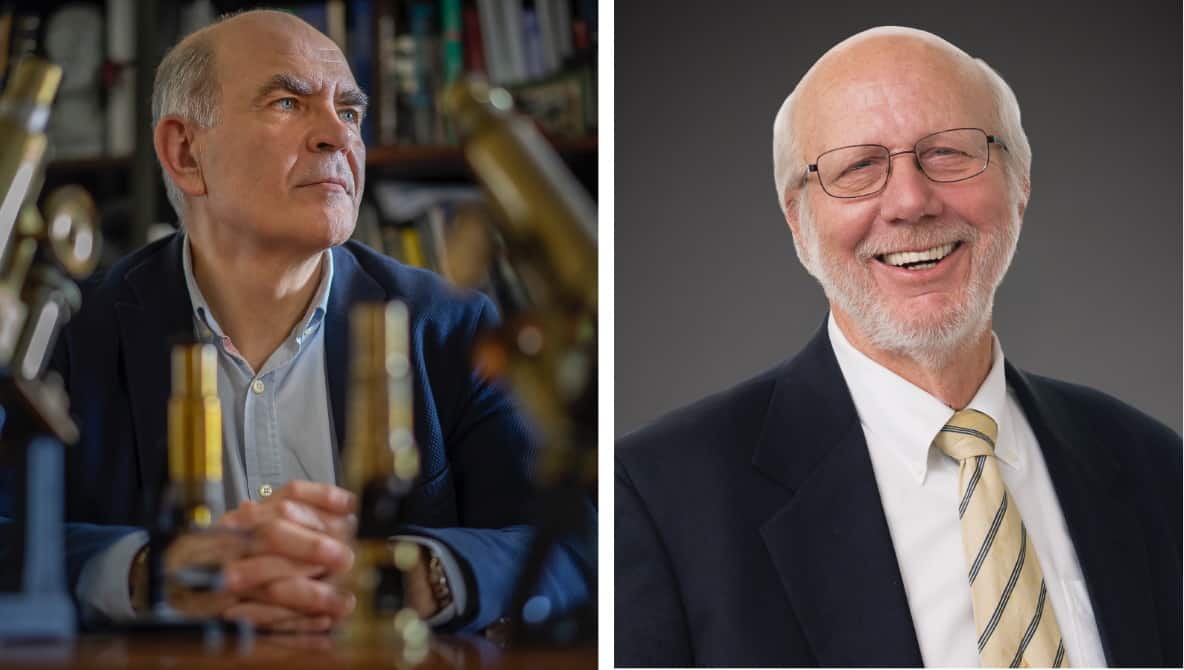
Eduardo Fernández and Richard Normann

“These results are very exciting because they demonstrate both safety and efficacy,” comments Fernández, who has collaborated with Normann for more than 30 years. “We have taken a significant step forward, showing the potential of these types of devices to restore functional vision for people who have lost their vision.”

“One goal of this research is to give a blind person more mobility,” adds Normann. “It could allow them to identify a person, doorways or cars easily. It could increase independence and safety. That’s what we’re working toward.”

The team hopes that the next set of experiments will use a more sophisticated image encoder system, capable of stimulating more electrodes simultaneously to reproduce more complex visual images. They explain that a single UEA array is unlikely to be sufficient for useful vision. “In the future, we expect that several arrays of intracortical microelectrodes would be tiled across the visual cortex, permitting phosphene induction across a larger area of the visual field and forming the basis for functional sight restoration.”

Copyright © 2026 by IOP Publishing Ltd and individual contributors