Universal photonic quantum processor sets new size record

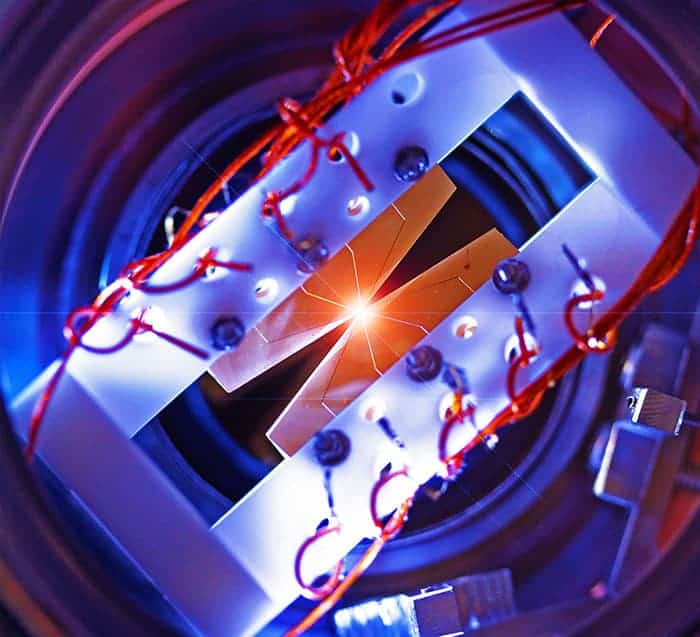
Scientists from QuiX Quantum and the adaptive quantum optics group at the University of Twente in the Netherlands have built the largest universal photonic quantum processor to date. The processor works by applying adjustable phase shifts to the optical signals going through its 12 modes and then merging the signals in adjustable proportions. The precision of its fabrication allows single photons to interfere as they propagate, making the processor capable of quantum operations – albeit not yet at a level that could outperform classical machines.

The new device takes in 12 input optical signals, processes them and outputs the result optically, all at the standard telecommunication wavelength. The device’s photonic configuration – that is, the phase shifts and the proportions of each signal being merged – determines the nature of the processing task, and users can reconfigure this by connecting it to an ordinary personal computer. In this way, the device can be programmed to perform any processing task realizable by a specific set of optical merging and phase shifting steps.

The photonic processor and its delicate engineering

To implement these steps, the device uses a series of optical components known as tuneable phase shifters and tuneable beam mergers. The latter consists of two beam mergers that combine pairs of input beams in equal proportions, plus a tuneable phase shifter. The key to making the system reconfigurable is thus to have full control over the phase shifters within the processor’s photonic circuit, where each of the phase shifters is a heater that induces a very well-tuned and specific change in the effective path length of the passing optical signals via a phenomenon known as the thermo-optic effect.

By satisfying a list of technical demands for the 12 modes, from high-quality microfabrication of the photonic waveguides (optical paths) to providing fast mechanisms for stabilizing the temperature of the photonic circuit, the team set a record for the number of on-chip modes with a programmable configuration that can process quantum optical inputs (such as single-photon ones). In other words, the probability of losing a single photon inside the processor is low, and furthermore, identical single photons injected to different inputs of the processor do not appear different at the output. These results have been published in Materials for Quantum Technology.

Characterizing the processor

To quantify the processor’s reconfigurability, the team changed the processor’s configuration and tested it using laser light (providing classical inputs) and photodetectors. By comparing the configuration obtained in this test with the desired one, they found the “amplitude fidelity” – a measure of similarity between different configurations – was about 93%, stretching to 98% for some target configurations.
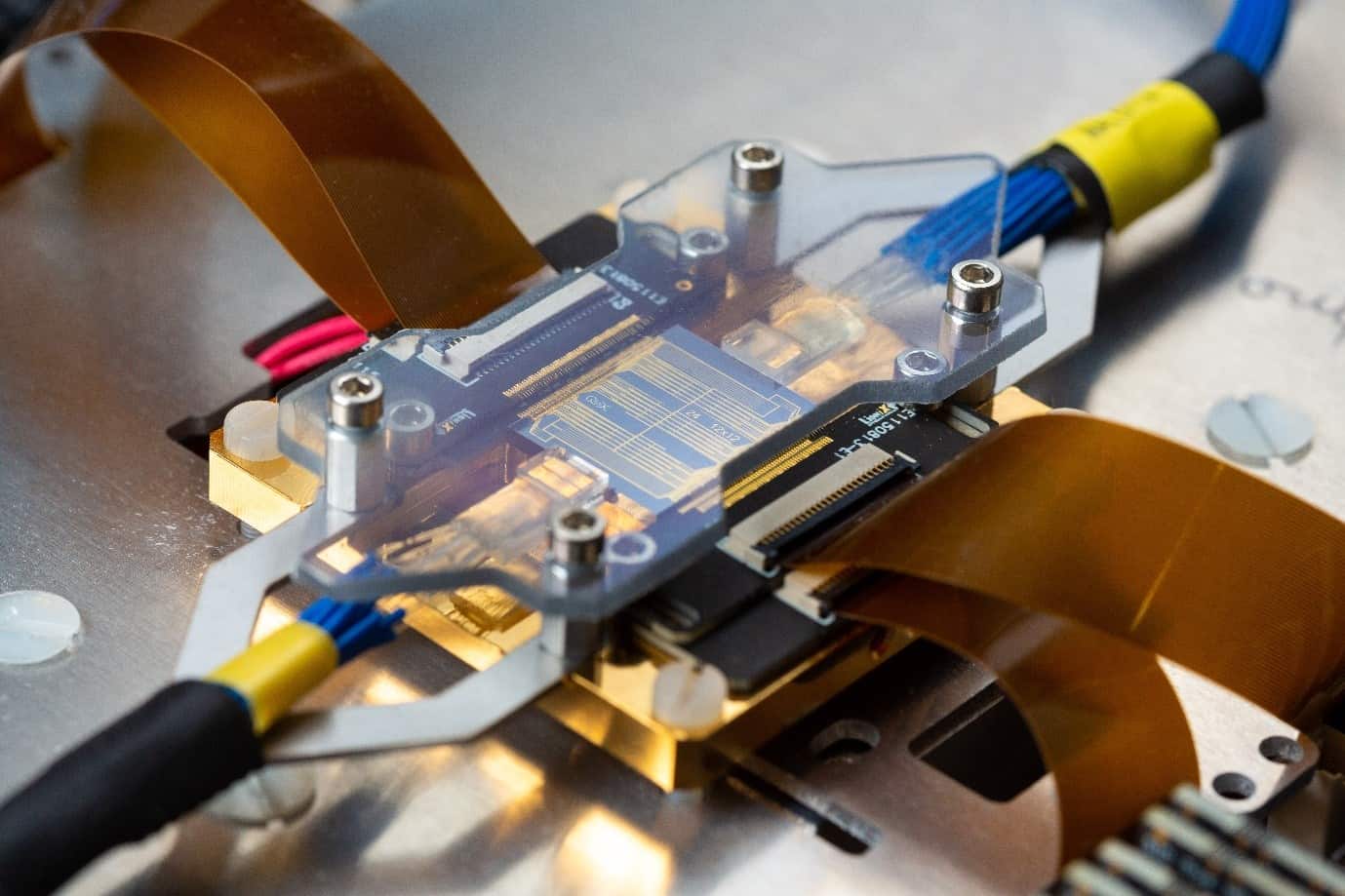
Photo of the quantum photonic processor

The researchers also evaluated the processor’s optical loss with the same input–output setup. They found that this was as low as 17% on average, although a significant amount of additional loss occurs at the input and output connectors. Finally, they characterized the processor’s ability to preserve the identical nature of single photons. The team did this by injecting two identical, single photons simultaneously and observing a phenomenon known as Hong–Ou–Mandel interference at the single-photon detectors connected to the outputs. They found that the on-chip interference has the same visibility as the off-chip interference of the two injected single photons – meaning that single photons at the chip’s output are as identical as they were at the input.

Next steps

Although this processor could, in principle, form the core of an efficient universal optical quantum computer, fabricating the other equipment needed for such a computer would be far more technically demanding. Nevertheless, there is one known computational problem for which a processor of this nature can outperform classical computers (a situation known as “quantum supremacy” or “quantum primacy”) without fancier equipment. This problem is known as boson sampling and it involves predicting the output of the processor itself in a special scenario.

To understand how boson sampling works, consider what happens if we inject some identical single photons into the processor. The photons propagate through the processor and appear at the outputs where they are detected by single-photon detectors. But which detectors will find a photon? This question is inherently impossible to answer. Even if the input and the configuration is exactly the same, different detectors will be activated at the output each time we run the experiment. Nonetheless, if we run the experiment many times, we can prepare statistical samples implying the probability of different detection events. The interesting point here, from a computational point of view, is that for a big enough number of modes, classical computers cannot efficiently prepare these statistical samples (or calculate the probability distribution function for the detection events).

In 2020, researchers led by Jian-Wei Pan and Chao-Yang Lu of the University of Science and Technology of China (USTC) demonstrated quantum advantage for a similar problem using their own photonic device. The USTC team’s device differs from the processor described in this study in one critical respect, however. “The authors of the 2020 paper use a static device for their proof-of-principle experiment,” explains Jelmer Renema, a physicist at QuiX Quantum and the University of Twente. “We build on that result and realize full reconfigurability.”

Renema goes on to explain that while the system he and his colleagues developed can run boson sampling experiments, “quantum supremacy doesn’t arise with 12 modes”. Nevertheless, he and other members of the research group, which is led by Pepijn Pinkse, are developing the processor. “We are working on improving the specifications of the system like reducing the optical loss and, furthermore, on increasing the number of modes. We expect to unveil a processor with 50 modes in 2022,” Renema tells Physics World.


Learned societies propose ‘International Year of Quantum Science and Technology’ in 2025

Physicists around the world are drawing up plans for a year-long celebration of quantum science and technology in 2025. The campaign is being led by the American Physical Society and the German Physical Society, which hope to persuade the United Nations (UN) to make 2025 the UNESCO International Year of Quantum Science and Technology. If approved, the year would involve workshops, conferences, festivals and activities in schools, co-ordinated by national nodes across the world.

UNESCO International Years are held to advance the UN’s goals by raising awareness of the year’s theme and its importance to society. Joe Niemela from the Abdus Salam International Centre for Theoretical Physics in Trieste, Italy, who is spearheading the plans, says it is crucial to include everyone in the year’s activities, from policy makers and diplomats to the general public and school students.

“It’s an opportunity for scientists to talk to a broader audience,” he told the Physics World Weekly podcast. “We don’t only need to develop technological solutions to global problems; we also need all people to understand how that technology improves our quality of life.”

Niemela adds that having an official UNESCO International Year is a valuable way to convince people of the importance of the theme. For example, it can empower teachers to ask for permission to run activities on the topic with their classes.

Those backing the event have chosen 2025 as it marks the centenary of Werner Heisenberg’s efforts to develop the mathematical formulation of quantum phenomena, allowing numerical calculations about quantum interactions to be made.

The proposal now has the support of about 30 academies of science and physical societies from six continents, including the Institute of Physics, which publishes Physics World. The International Union of Pure and Applied Physics (IUPAP) also endorsed the proposal during its 30th general assembly last month. “That’s an important milestone for us,” says Niemela. “IUPAP is a recognized international scientific organization and a full member of the International Science Council, which is a strong partner of UNESCO.”

The next step towards official approval is to get the proposal on the agenda of the UNESCO executive board, which includes representatives of about 60 UN member states. This board meets twice a year, and Niemela and other physicists are aiming to have the proposal discussed at the meeting in autumn 2022. They will therefore be spending the next few months liaising with member-state delegations to find sponsors and co-supporters. The proposal would then have to be put on the agenda of the UN general assembly in autumn 2023 for final approval. “There’s much more to do,” says Niemela, “but we appreciate the support we’ve had so far.”

Physicists achieve fault-tolerant control of an error-corrected qubit

The quantum nature of qubits is a double-edged sword. While it could help quantum computers solve problems that are intractable on classical machines, it is also easily destroyed by noise arising from unintended interactions between qubits and their environment. To resolve this dilemma and create scalable, useful quantum computers, physicists are developing methods of correcting the errors that arise from this noise. Now, for the first time, researchers at the University of Maryland in the US have put one of these methods into practice by demonstrating fault-tolerant control of a single logical qubit – a key step towards fully error-corrected quantum computers.

To understand how this type of error correction works, think of the last time you corrected a typo. In doing so, you performed error correction on classical information. Because the meaning of a word is encoded in lots of letters, it doesn’t matter much if there is a mystake in one letter – you can still identify the intended word. Quantum error correction enables us to spot and correct typos in quamtum infornation in much the same way, by encoding the state of one logical qubit (the quantum word) within many physical qubits (the quantum letters). By performing specialized actions known as stabilizer measurements on these physical qubits, the system can then extract information about any errors that have occurred – crucially, without destroying the quantum information required for the computation. Based on this extracted information, the system can then apply the correct operations, or gates, to the physical qubits so that the overall state of the logical qubit is corrected, like replacing a letter to correct a word.

Error correction alone is not enough to enable scalable quantum computers, however. Spell-check would be counterproductive if it jumbled up other letters in the process of correcting one. Another essential condition for reliable quantum computers is that preparing the logical state, applying logic gates, detecting errors and correcting them must not introduce more errors into the system. In other words, these processes all need to be fault-tolerant, designed so that one error will not spread to cause more errors. This requirement is central to the task of building quantum computers that can solve useful problems.

Reduced error rates

In the latest work, which is published in Nature, researchers led by Laird Egan demonstrated the fault-tolerant control of a single logical qubit – including all the stages of preparation, logic gates and error correction. The qubits in this experiment consisted of ytterbium ions suspended above a radio-frequency Paul trap and controlled with individual laser beams. This is the hardware favoured by the quantum computing start-up IonQ, where Egan and some of his collaborators now work. The advantages of using trapped ions instead of the superconducting qubits favoured by many quantum computing firms include lower error rates and better connectivity between qubits, though there are challenges with scaling the technology.

Photo montage of Maryland team members and their quantum computer

To demonstrate fault-tolerant control, the team used a 13-qubit encoding known as the Bacon–Shor code, with nine physical qubits to encode the logical state and four qubits for error correction. These 13 qubits were arranged in a single chain, with two extra qubits on either side to ensure uniform spacing. With this system, the researchers showed that they could control the states of the logical qubits in a fault-tolerant way and correct any single-qubit errors that occurred. The team also showed that the error rates in the logical qubit were lower than the corresponding error rates when using a non-fault-tolerant protocol.

Steps towards full fault-tolerance

Egan calls the team’s achievement “a really critical building block, and one that shows we are close to achieving the error threshold where logical qubits can outperform physical qubits”. He adds: “Nobody believes that you will be able to achieve this threshold without fault-tolerant error-correction protocols, and up until this work, no one had yet demonstrated fault-tolerant control of a logical qubit.”

To pass that error threshold, the team’s next goal is to maintain an error-free quantum state over time performing error correction repeatedly. To do this will require mid-circuit error detection, where the ions in the chain are physically moved apart so that some can be measured without affecting the others. “The hard part is when we put the chain back together, we need to make sure that ions did not heat up during their transport”, explains Egan, “and if they did, we need a way to cool them back down without destroying the quantum information”. The team has made progress towards this goal by showing, in other work, that cooling such ions is possible.

The researchers also hope to demonstrate fault-tolerant control between two qubits. To do this, they aim to implement a series of quantum operations known as a logical controlled-NOT gate, which flips the state of the second qubit conditional on the state of the first and is central to many other gates and algorithms. Egan is confident that the vision of fully fault-tolerant quantum control that outperforms physical qubits can be realized in ion traps in the near future. “Ion systems only need modest improvements to their gate fidelity, combined with mid-circuit detection, to really make this work in the next couple of years,” he says.

Clever aerodynamics makes owls silent hunters, why 2025 should be the International Year of Quantum Science and Technology

Owls mostly hunt at night when background noise levels can be low and potential prey have a better chance of hearing danger approaching. As a result, the birds have evolved structures on their wings that greatly reduce the noise owls make while flying. In this episode of the Physics World Weekly podcast, the engineer and owl expert Justin Jaworski talks about the aerodynamics of these wonderful creatures.

Quantum science and technology is a hot topic – and not just in the physics community, because new companies and investors are driving a boom in the nascent quantum industry. Now, a group of physicists is calling for the United Nations to declare 2025 the International Year of Quantum Science and Technology. Joe Niemela of the Abdus Salam International Centre for Theoretical Physics in Trieste is a leading proponent and makes the case for a quantum year on the podcast.

Also in this episode, we chat about a new multiscale X-ray imaging technique that has shed light on how COVID-19 affects the lungs and about a quantum effect called Pauli blocking, which has been seen in ultracold gases 30 years after it was first predicted.

Pauli blocking is spotted in ultracold fermionic gases

A manifestation of the Pauli exclusion principle in ultracold atomic gases has been spotted for the first time by three independent research groups. Called Pauli blocking, the effect was first predicted 30 years ago and occurs when fermionic atoms in a quantum gas are unable to make transitions to nearby quantum states.

In the three experiments, Pauli blocking reduced the ability of atoms to scatter light, making the gases more transparent. The effect could someday be used to improve technologies based on ultracold atoms such as optical clocks and quantum repeaters.

Famous principle

Particles with half-integer spin obey Fermi-Dirac statistics, which arises from symmetry considerations in quantum mechanics. Such particles are called fermions and they obey Pauli’s famous exclusion principle, which says that fermions cannot occupy the same quantum state in a system.

Electrons are fermions and the exclusion principle explains why individual electron orbitals in an atom can contain at most two electrons – one spin-up and the other spin-down. This gives us the varied properties of the different atoms in the periodic table. The exclusion principle is also at work in semiconductors and insulators, where electrons are unable to respond to the application of small electric fields because doing so would require moving to another quantum state – and in semiconductors and insulators, most nearby states are all full.

Degenerate gases

Many atoms are fermions and now physicists can chill some fermionic atomic gases to low enough temperatures that nearly all the low-lying quantum states are filled to what is called the Fermi level. Such dense, ultracold systems are said to be degenerate and the atoms are expected to behave in a similar way as electrons in a solid.

Instead of applying an external field to try to get the atoms to move, the three research teams fired photons of light at their degenerate Fermi gases. Normally when light is shone on an atomic gas, some of the photons will scatter from the atoms and the atoms will recoil, taking some energy and momentum from the photon.

However, in a degenerate Fermi gas of atoms, this recoil often requires a transition to a nearby quantum state that is occupied by another atom. As a result, the scattering cannot occur, and the photon will carry on through the gas. The observable effect of this is an increase in the transparency of the gas as it is cooled to the point where it starts to become degenerate. In the three experiments reported today, this was observed when gases were cooled to temperatures in the microkelvin and nanokelvin range.

Forward scattering

At JILA – a joint institute of the US National Institute of Standards and Technology and the University of Colorado – Christian Sanner and colleagues focused on the angles at which photons scattered from their ultracold gas of strontium-87 atoms. They found that forward scattering – whereby the photons experience small deviations in their trajectories and atomic recoils are small – was suppressed.

This is consistent with atoms in the gas being Pauli blocked from making small transitions to nearby quantum states. However, photon scattering involving larger atomic recoils was not as suppressed. This is consistent with atoms being able to make large transitions to unoccupied states above the Fermi level.

Meanwhile in New Zealand, Amita Deb and Niels Kjærgaard at the University of Otago compared the optical properties of a potassium-40 fermionic gas with that of a gas made of rubidium-87. This isotope of rubidium obeys Bose-Einstein statistics and is therefore not subject to Pauli blocking. When cooled to ultracold temperatures, the transparency of the potassium-40 gas increased whereas the transparency of the rubidium-87 gas did not.

The third group is based at the Massachusetts Institute of Technology (MIT) and includes the Nobel laureate Wolfgang Ketterle. This team cooled fermionic lithium-6 atoms to below the Fermi level and also observed an increase in transparency. This team noted that the effect disappeared as they increased the intensity of the light that they shone on the sample. This, they say, is the result of light scattering heating up the sample.

Density fluctuations

The MIT team has also proposed an alternative explanation for the transparency observations of all three teams. Light can scatter from density fluctuations in a fluid, and if these fluctuations are about the same size as the wavelength of light, the fluid will become opaque. This occurs in milk, where suspended protein clusters create the appropriate density fluctuations.

Ketterle and colleagues point out that a lack of density fluctuations has already been observed in ultracold Fermi gases. This occurs because the Pauli exclusion principle prevents atoms from getting very close together, which makes the density of the gas very homogenous. This dearth of density fluctuations, say the researchers, could also explain the increase in transparency at low temperatures.

Ultracold atomic gases have a growing number of applications including atomic clocks and components for quantum networks. Pauli blocking could be used to improve existing technologies and possibly develop new applications.


What next for India and coal?

Last Saturday a tearful Alok Sharma brought down a hammer to declare the COP26 agreement adopted – but the frustration in Glasgow was palpable. Moments earlier, national representatives had queued up to express disappointment at India’s infamous last minute interjection to weaken the deal’s wording from “phase out” to “phase down” of coal. The sentiment was clear: why can’t India just get on with ditching the coal?

Of course, climate politics is never as straightforward as it appears. India’s current reliance on coal is inextricably linked with its development process, and a just transition to renewable energy requires stronger international support. This contested future of India’s energy sector was one of the topics being discussed this week at Environmental Research 2021, a free-to-attend online event hosted by IOP Publishing.

“In India we have a history of oscillating between being a climate hero and a climate villain,” said Navroz Dubash from the Centre for Policy Research in New Delhi, during his talk on Tuesday. Indeed, Prime Minister Narendra Modi had been praised at COP26 for pledging India to be carbon neutral by 2070 with 50% of its energy generation coming from renewable sources by 2030. Right now coal, oil and natural gas account for 75% of energy use.

Political targets

Dubash is concerned by the number of assumptions built into the projections for India’s future emissions. The models underpinning these figures often contain purely political targets for coal use and they assume India will follow the exact same development pathway as China. Dubash’s work bridges the gap between climate modellers and the policy community by unpacking these assumptions. “When we think about future emissions scenarios we need to think about future Indias,” he said.

Radhika Khosla, a researcher at the Oxford India Centre for Sustainable Development, said researchers need to better understand the amount of carbon “locked in” to different development trajectories. Historically there has been far more focus on energy supply and little consideration of how changing energy demand will shape future emissions.  “It’s not just about infrastructure, it’s also about changing behaviours and institutions,” she said. Khosla and Dubash collaborated on a 2018 paper in Environmental Research Letters, which addressed these uncertainties around India’s future emissions.

India’s changing energy demands will be discussed tomorrow (Friday) by Patil Balachandra from the Indian Institute of Science in Bangalore. Speaking with Physics World beforehand, Balachandra said that renewables rollout is essential but that too much focus is being placed on the physical technology alone. He believes India’s reliance on coal can be greatly reduced through more integrated predictions of future supply and demand.

Solar and wind dominate

“My state of Karnataka is already 70% renewable, dominated by solar and wind and the maximum capacity is 2.5 times the maximum peak demand. But we still have power cuts because of weather variability,” he said. Balachandra would like power authorities to combine meteorological predictions with usage forecasts to be better prepared for when the Sun doesn’t shine or the wind doesn’t blow. He’d also like it to be easier for coal-dominant states to buy renewable energy from renewable-dominant states and vice versa.

India’s energy demand is evolving as the economy emerges. In Bangalore the maximum load on the power grid used to be connected with water-heating demand around 8 a.m. but since 2010 the spike occurs now around midday – linked with the activity peak in the city’s thriving services sector. In New Delhi the biggest summer peak is around midnight due to people putting on the air con as they go to bed. “Historically people used to feel comfortable at 30 degrees centigrade, now they only feel comfortable at 22 degrees,” says Balachandra. Economic incentives for individuals and businesses could help to spread the power load across the day.

Given that India imports its gas and oil, you can see why coal remains important to national security for now. But as India phases down coal over the longer term many are concerned about its socioeconomic impacts. Townships have developed around coal mines and Indian Railways – one of the largest employers in the world – relies on coal transportation for nearly 30% of its revenue. “There may be even more new jobs created in renewables but these jobs will not always be for the same people. The government needs to help to retrain people in these coal townships,” says Balachandra.

  • This week 13 national physical societies committed to tackling the climate crisis and to help bring about new green economies. The Indian Physics Association and the Institute of Physics for the UK and Ireland were among the signatories of the official statement.

A glimpse into the future world of hybrid imaging

© AuntMinnieEurope.com

How can the clinical potential of PET/MRI be unlocked? What challenges lie ahead? Cancer imaging expert Vicky Goh took out her crystal ball and provided some insight into the future role of PET/MRI and how both modalities can be integrated effectively. She also touched on PET/CT.

Why is the UK lagging behind other countries when it comes to PET/MRI? That was one of several questions she was asked after her keynote lecture during the British Institute of Radiology (BIR) annual congress, held virtually on 4 and 5 November.

Scanner numbers and the stance on evidence-based practice play a major part in its progress in this area, according to Goh, who is professor and chair of cancer imaging and head of the cancer imaging department at King’s College London.

“We only have a handful of scanners in the country and the majority of those were funded through the Dementia Platform UK initiative. In terms of the neurology and neuro-oncology direction, we are probably further along, but we are still looking at PET/MRI as a clinical research tool,” she told attendees.

PET/MRI for staging cervical cancer

Goh, who received the Most Influential Radiology Researcher award in the inaugural EuroMinnies in 2019, said there needed to be changes in the “direction” of PET/MRI.

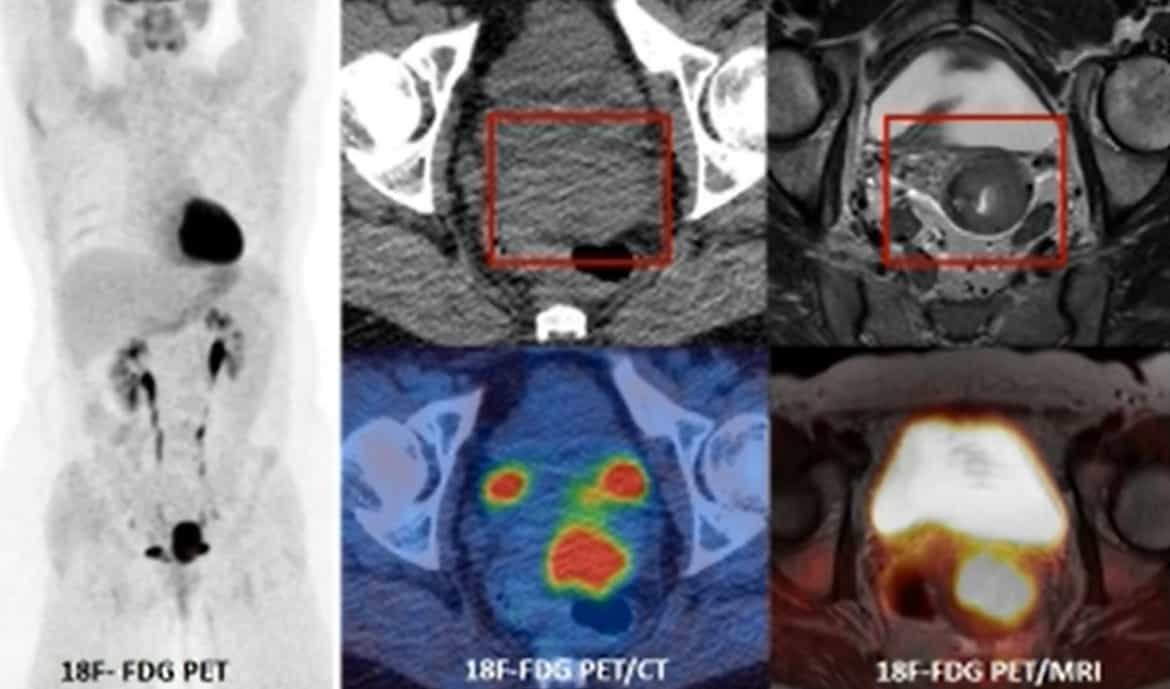
“We are very much an evidence-based practice and the evidence base is there for certain types of cancer. In prostate cancer you can see that prostate-specific membrane antigen (PSMA) PET/CT followed by targeted PET/MR would actually be of benefit to staging,” she explained.

“But the issues still remain: limited access, and limited dual-trained practices. In terms of outsourcing to other centres, a spoke and hub model will do quite well for referrals, but we need more scanners, we need more trained staff, and we need more evidence to push ahead in the UK with our practice.”

Evidence-based practice and AI

Given the need for evidence-backed protocols before wide-scale adoption and the lack of funding to provide PET/MRI in centres, Goh was asked by another online attendee how she envisaged the technique becoming widely adopted without significant delays.

Goh, who is also honorary consultant radiologist at Guy’s & St Thomas’ Hospital, noted that the only way was for institutions to work together and pool data and experience to get across the adoption gap in terms of data and protocols.

“Funding will always be an issue, but it’s one of those chicken-and-egg situations: the more data you have and the more utility you see, then the likelihood is that funding will increase,” she said. “It’s a case of ‘watch this space’, but in terms of cancer phenotyping and the type of radiologist that I want to be, there’s no doubt that this is one of the modalities I want to work with clinically.”

Goh was also asked if there is a role in the hybrid workflow for artificial intelligence (AI) systems.

She explained that in terms of improving prediction of prognostication, the data are still limited from research groups looking into this area, and larger datasets are needed. However, by improving noise and processing of the whole-body components there would be reduction in whole-body scan times, particularly for MRI diffusion scans.

“T1 and T2 scans are quick but it’s the diffusion we want to cut down to two or three minutes per station. It also means we can start looking at other things like segmentation, and quantitation in an automated fashion and again this is an area where we need to ‘watch this space’,” she said.

Clinical applications

Discussing myeloma treatment response with session chair and BIR president Sridhar Redla, Goh pointed to an exciting new role for PET/MRI. While MRI is the most sensitive modality for myeloma detection, there are, to date, more data for PET in the treatment response setting. PET-positive patients who show a reduction in PET uptake are more likely to do well and have a longer disease-free interval.

“What we really need is a modality that is both sensitive but also able to provide physiological information in the treatment response setting. And as a one-stop in this elderly population, we can offer them one examination [PET/MRI] rather than have them come back for three examinations (CT, whole-body MRI, then FDG-PET/CT) at multiple time points – in an elderly population this isn’t so viable. This is definitely one area where we can have a win,” she said.

Integrated PET/MRI

Goh also discussed the advantages of whole-body pseudo CT, whereby MRI is used to develop a CT scan with Hounsfield units equivalent to a CT that is acquired in clinical practice.

This can then be leveraged to improve standardized uptake value (SUV) quantitation from bone, which is one of the issues with attenuation correction, she noted, as well as for radiotherapy planning in which there is an issue of dosing. Although it’s early days, she pointed to great potential for this technique for prostate radiotherapy planning and gynaecological cancers.

In response to another question from an online viewer, Goh noted that for small-volume lung disease, chest CT remained the standard detection tool. However, she pointed to developments in the MR sequencing that might change this in future.

PET/CT versus PET/MRI

Another listener wanted to know if patients with a strongly suspected cancer based on chest X-ray should go directly to PET/CT rather than CT first and then PET/CT. For those who are going to have definitive therapy – for lung or oesophageal cancer, for example – PET/CT should be the way forward, Goh answered. This is because these patients often have metastatic disease presentation and PET/CT is the most sensitive way to pick up this disease.

What about colorectal cancer? Whole-body MRI can detect a higher number of metastases than just contrast-enhanced CT can, she continued. For colorectal cancer and metastatic disease in sites such as liver, brain and bone, FDG PET/MRI improves detection, she added.

But, does PET/MRI pick up more liver lesions than PET/CT? Responding to this question from Redla about neuroendocrine cancers and somatostatin receptor imaging, Goh noted that the answer wasn’t straightforward, and due to complex protocols.

“As we all know, diffusion is the most sensitive sequence for picking up lesions, and it’s the diffusion component of the MR that is really contributing here in whole-body PET/MRI. We’re also able to pick up discrepancies, lesions that are tracer positive versus those that are tracer negative, to provide a more realistic burden of disease and the proportion of it that is potentially going to respond,” she noted. Small lesions that are receptor-negative will probably not respond to therapy, she clarified.

So with more resources, will PET/MRI replace PET/CT? Goh’s short answer was “no”. She pointed to certain scenarios where PET/MR can either complement PET/CT, as in prostate cancer staging, and others where PET/MR would replace it, as in the myeloma setting. But PET/CT was far quicker to perform than PET/MR and would keep its place in the clinic.

“Think about scheduling and the number of PET/CTs we ask for. The number of patients examined in a day would be phenomenally different. So we can’t see this replacing PET/CT except in certain scenarios but we can definitely see it complementing it,” she said.

  • This article was originally published on AuntMinnieEurope.com ©2021 by AuntMinnieEurope.com. Any copying, republication or redistribution of AuntMinnieEurope.com content is expressly prohibited without the prior written consent of AuntMinnieEurope.com.

X-ray tomography breaks new world record

Researchers at the Helmholtz-Zentrum Berlin für Materialien und Energie (HZB) have developed a new X-ray tomography technique that’s capable of acquiring a record-breaking 1000 tomograms per second. The microscope could be used to monitor extremely fast processes in materials with high spatial resolution.

Computed tomography (CT) is a popular medical imaging tool in which a part of the body is X-rayed from all sides to produce 3D images of internal structures. The technique is also ideal for non-destructive analysis of materials. Here, intense synchrotron radiation is used to obtain micron-scale-spatial-resolution images in 3D and to monitor rapid processes and changes in a sample.

In 2019 a team of researchers led by HZB’s Francisco Garcia Moreno managed to record 200 tomograms per second using their technique, which they subsequently dubbed tomoscopy – in analogy to radioscopy. Indeed, the number of tomograms per second (tps) is the equivalent of the number of frames per second (fps) used to describe 2D X-ray image sequences.

High spatial and temporal resolution

In this latest work, Garcia Moreno and colleagues made use of the TOMCAT beamline X02DA of the Swiss Light Source at the Paul Scherrer Institute in Switzerland. The researchers placed their samples on a high-speed rotating table, developed in their lab. The angular speed of the table, which can reach 500 Hz, can be perfectly synchronized with the acquisition speed of the high-speed CMOS camera used to image each sample. They obtained the images by inserting the sample into a hollow, cylindrical boron nitride crucible in the rotation stage and heating it using two 150 W infrared lasers.

The technique, which achieves a spatial resolution of just 7.6 µm at 100 tps and 8.2 µm at 1000 tps, can take 40 2D projections of the sample in one millisecond. These projections are then stacked atop each other to create a tomogram of the sample.

To test their technique, Garcia Moreno and colleagues recorded the extremely rapid changes that occur as a sparkler is burnt (following ignition using the infrared lasers). This exothermal combustion process is technologically important and releases a huge amount of heat and a combustion wavefront moving as fast as 1–100 mm/s. This wavefront is difficult to image using conventional techniques.

The researchers also imaged dendrites forming in aluminium-germanium and aluminium-bismuth casting alloys as they solidify, and the growth and coalescence of bubbles in liquid aluminium-silicon-copper foams. This coalescence is an unwanted but unfortunately common process in such foams, which are interesting, lightweight materials from which future electric cars might be built.

Previous radioscopy and tomoscopy experiments revealed a film rupture time of less than 1 ms and a coalescence time (the time to form a new bubble) of 0.5–1.2 ms. Such time scales are now accessible with the temporal resolution of the new tomoscopy technique, say the researchers, and will allow for insights into the morphology, size and cross-linking of these bubbles – important factors when it comes to making mechanically strong and stiff components.

The research is detailed in Advanced Materials.

Physicists create discrete time crystals in a programmable quantum simulator

Time crystals are special quantum systems that exhibit periodicity in time, just as crystalline materials are periodic in space. Since 2012, when they were first proposed theoretically, several groups have built experimental systems that demonstrate key characteristics of time crystals, but these results lacked a method to generally stabilize the time crystalline phase. An international team of researchers has now gone beyond previous experiments by creating a type of time crystal known as a discrete time crystal (DTC) out of a chain of programmable spin quantum bits (qubits). The new system exhibits a phenomenon known as many-body localization that prevents the DTC from heating up and thermalizing and is considered a “smoking gun” that demonstrates its status as a genuine time crystal.

While time crystals are generally analogous to spatial crystals in terms of exhibiting periodicity across a dimension, the time periodicity of a DTC is subtly different. Specifically, a DTC’s behaviour repeats itself over an integer multiple (hence the name “discrete”) of the period of the force that drives it to change its quantum state.

To qualify as a time crystal, the system must meet two criteria: it must be robust to fluctuations (similar to normal crystals), and the energy that drives it must not cause it to heat up. This second requirement imposes special conditions on the system, because whereas most physical systems absorb energy to reach thermal equilibrium, for a time crystal such heating leads to the system’s destruction.

The way to avoid this is known as many-body localization (MBL), which essentially means creating a many-body system in which a certain amount of disorder is introduced. Although the particles inside such a system couple with different states, they do so with random variations, leading to destructive interference. The disorder therefore prevents the system from heating up, maintaining its stability.

A new spin

In the latest study, which is published in Science, researchers at QuTech (a collaboration between TU Delft and TNO in the Netherlands), the University of California, Berkeley, and the industrial diamonds firm Element Six created a DTC from nuclear spins in carbon-13 atoms located near a defect in diamond’s crystal lattice. These defects are known as nitrogen-vacancy (NV) centres, and their electronic spin can be controlled using optical techniques. This capability allows the nuclear spins in nearby carbon-13 atoms to be addressed as well, meaning that the nuclear spins act as well-isolated qubits with quantum states that are both controllable and detectable. To meet the criteria for MBL, the system should contain disorder. The diamond spin system achieves this because the position of the carbon-13 nuclear spins within the lattice is not ordered, which naturally causes variations in the coupling between spins.

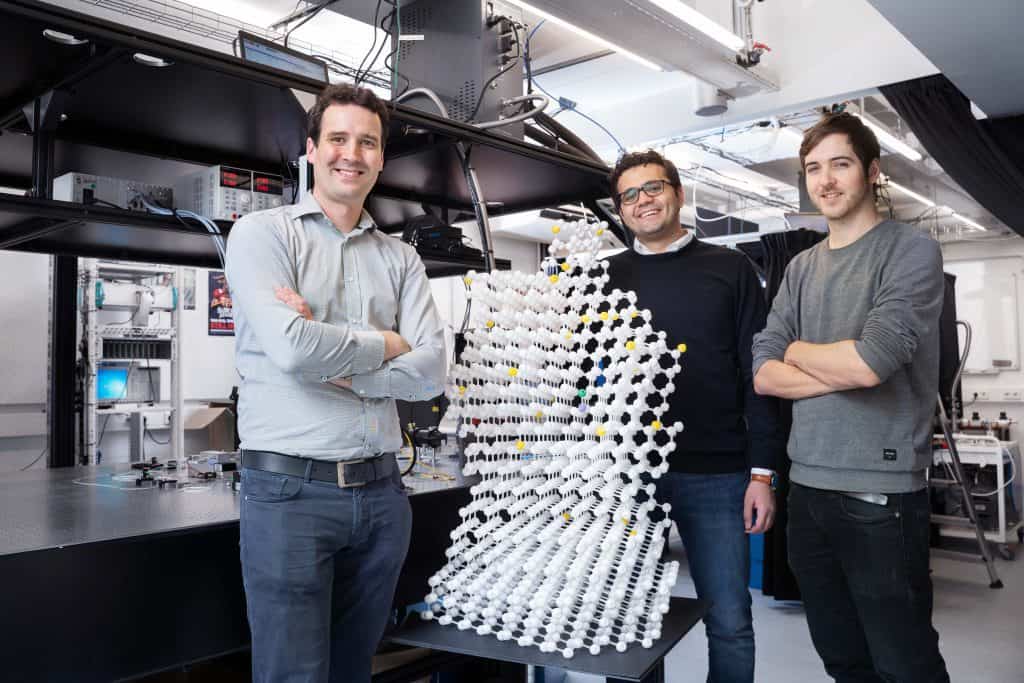
Photo of Tim Taminiau, Mohamed Abobeih and Joe Randal with a model of the diamond they used in their experiment

To create the system’s initial state, the researchers set the all the nuclear spin polarizations to be the same. They then selectively altered these states by applying radiofrequency (RF) pulses. After one cycle, they retrieved the system’s initial state, meaning the cycle could start again. The period of this cycle was twice the period of the driving RF pulses – a characteristic of DTC behaviour – and the researchers found they could maintain the pattern over 800 cycles, for a total of eight seconds. The key DTC signature, however, came from altering the initial state of the many-body system and repeating the cycle. Regardless of system’s initial state, the experiment formed a stable DTC. This robustness was the key element the team was looking for to show that the time crystal was being stabilized by disorder in its internal interactions and not by prethermal effects that exponentially slow down the heating.

Perfect timing

Tim Taminiau, the QuTech physicist who led the research, says that the stability of time crystals is connected to fundamental questions in non-equilibrium statistical mechanics. “This work provides experimental input to such puzzles and helps lay the groundwork for understanding the scenarios in which time crystals appear and what their observable signatures are,” he says. He notes that another collaboration has reported a similar result on arXiv, using a quantum processor based on superconducting qubits. “It is exciting to see two experimental breakthroughs happen so shortly after another,” he says. “Both results are complementary: they used two times more qubits, but our time crystals lived ten times longer.”

As for future work, Taminiau points out that “a perfectly isolated time crystal can, in principle, live forever, so extending the lifetime is our next step”. To investigate the various settings in which time crystalline behaviour occurs, he and his colleagues want to study what happens in 3D systems (rather than the 1D case discussed here), as well as in other driven phases of matter such as topological phases. From a broader perspective, he adds that the group now has a powerful new quantum simulator with individual control over all the qubits, which can be used to investigate “a large variety of interesting problems in many-body physics and other fields”.

Peter Hannaford, a physicist at Swinburne University of Technology in Melbourne, Australia, who was not involved in the research, describes the result as being important for the field of time crystals, as the QuTech-led team unambiguously demonstrated a many-body localization DTC for the first time. He suggests that previously reported experimental results on DTCs based on spin systems were likely to be stabilized by prethermal effects, or else they did not employ disorder. As for future work, he notes that this study and the similar result currently on the arXiv both have two temporal lattice sites. “An exciting challenge for the future is to explore bigger DTCs with 100 or more temporal lattice sites,” he says. “Those can be ideal for studying (exotic) condensed-matter phenomena in the time dimension and might be realized, for example, from a Bose–Einstein condensate of ultracold atoms bouncing resonantly on an oscillating mirror.”

Merging neutron stars create more gold than collisions involving black holes

The amounts of heavy elements such as gold created when black holes merge with neutron stars have been calculated and compared with the amounts expected when pairs of neutron stars merge. The calculations were done by Hsin-Yu Chen and Salvatore Vitale at the Massachusetts Institute of Technology and Francois Foucart at the University of New Hampshire using advanced simulations and gravitational-wave observations made by the LIGO–Virgo collaboration. Their results suggest that merging pairs of neutron stars are likely to be responsible for more heavy elements in the universe than mergers of black holes with neutron stars.

Today, astrophysicists have an incomplete understanding of how elements heavier than iron are made. In this nucleosynthesis process, lighter nuclei must be able to capture neutrons from their surroundings. Astrophysicists believe this can happen in two ways, each producing about half of the heavy elements in the universe. These are the slow process (s-process) that occurs in large stars and the rapid process (r-process), which is believed to occur in extreme conditions such as the explosion of a star in a supernova. However, exactly where the r-process can take place is hotly debated.

One event that could support the r-process is the merger of a pair of neutron stars, which can result in a huge explosion called a kilonova. Indeed, such an event was seen by LIGO–Virgo in 2017, and simultaneous observations using light-based telescopes suggest that heavy elements were created in that event.

Gravitational disruption

Another possibility is that the r-process occurs just after the merger of a neutron star and a black hole. As the neutron star is disrupted by the huge gravitational field of the black hole, vast amounts of neutron-rich material could be blasted into space – providing an environment for the r-process. Astrophysicists believe this can happen when the black hole has a relatively low mass and is spinning at a relatively high rate. If the black hole is too heavy, the neutron star will be swallowed rapidly, and little neutron-rich material will escape.

Today, however, astrophysicists are unsure of the relative contributions of these two merger types to the universe’s overall abundance of heavy elements.

Ultimately, the amounts of heavy elements produced by these events depends on several factors: including the masses and spins of the merging bodies; the rate of occurrence of the merger types throughout the history of the universe; and the neutron star’s “equation of state”. The latter describes the mathematical relationship between the mass and radius of a neutron star. Over the years a variety of models have been developed to define these quantities.

Improved equation of state

In their study, Chen and colleagues have compared the contributions of both merger types for the first time. They began by studying LIGO–Virgo observations of the two different types of merger. Then, they used the latest simulations of ejections from these events – incorporating improved equation of state measurements, to test several models of how the r-process could proceed, which they deemed consistent with LIGO–Virgo’s observations.

In most simulation scenarios, the researchers found that binary neutron star mergers produced 2–100 times more heavy elements over the past 2.5 billion years than mergers between black holes and neutron stars. This outcome only changed when researchers assumed that black holes tend to have lower masses and faster spins than predicted by current theories.

Chen and colleagues now hope to improve their calculations using future observations from the upgraded LIGO and Virgo detectors – and the new KAGRA detector – which will all be back online in 2022. These efforts could ultimately improve astronomers’ estimates of the rates at which heavy elements are produced across the universe. In turn, this could help them to better determine the ages of distant galaxies, by measuring the abundances of heavy elements they contain.

The research is described in The Astrophysical Journal.

Copyright © 2026 by IOP Publishing Ltd and individual contributors