Researchers in Russia have built a highly accurate, atomic-scale gyroscope that detects rotation through changes in the coupled spins of electrons and nitrogen nuclei. Led by Alexey Akimov at the Lebedev Physical Institute in Moscow, the team created its device by exploiting defects in the atomic structure of diamond. The approach could enable tiny gyroscopes to be integrated onto inexpensive microchips that could be used on lightweight aerial vehicles.
Within a traditional gyroscope, conservation of angular momentum ensures that the rotational axis of a spinning disk remains fixed even as its casing rotates. As a result, a gyroscope can be used to detect rotation, which makes useful for navigation.
On a much smaller scale, electrons and some atoms and nuclei have intrinsic angular momenta called spin. It is therefore possible to detect rotation by measuring transitions in the quantum spin states of these particles. Previously, this has been attempted using trapped atomic gases – but because such atoms can drift and collide with their surrounding walls, these measurements have been unreliable.
Focus on nuclear spins
Instead of using drifting atoms, Akimov’s team used nitrogen vacancy (NV) centres in diamond. These occur when two adjacent carbon atoms in a diamond lattice are replaced with a nitrogen atom and a lattice vacancy. An NV centre has both nuclear and electronic spins, but unlike atoms in a gas it cannot move. An important feature of an NV centre is that the spin state of the electron can be read-out by shining light on it, which causes it to emit distinctive light of its own.
Previously, electron spins in NV centres have been used to detect extremely rapid rotation. In this latest experiment, however, the focus was on the nuclear spins, which are much less susceptible to noise and therefore more suitable for detecting much slower rotations.
Diamond wafer
The team’s set-up comprised an ensemble of NV centres within a thin diamond wafer that was placed rotating platform. Using an applied magnetic field along with laser, microwave and radio-frequency pulses, the team set the nuclear spins to all point in the same direction.
The diamond then rotated slowly for 2 ms, after which the researchers coupled the nuclear and electronic spins. This allowed them to measure the orientations of the nuclear spins. They then used this information to determine the platform’s rotational speed with no stationary reference required.
The team says that the performance of the new device is on par with commercially available gyroscopes based on microelectromechanical (MEMs) systems. These use vibrating, rather than rotating, masses but suffer from a lack of long-term stability. Akimov and colleagues say that their diamond-based system could be readily integrated into existing microchips and could be used to improve the navigational abilities of lightweight aerial vehicles, including unmanned drones.
As a PhD student and teaching assistant at the University of Waterloo in the late 2000s, I was asked to proctor a final exam in first-year mechanics that was being taken by a diverse student group. During the test, nearly every question from the students was about a problem that required knowledge of “football”. We were in Canada, and the exam did not specify whether it was referring to American football or what we Americans call soccer.
The problem with this question was not just that students wasted valuable time by not knowing the cultural vocabulary, but that it signalled to them that they were cultural outsiders. At Waterloo – a comprehensive university with a strong reputation in science, mathematics and engineering – I was part of a large international student population that was primarily from Asia and the Caribbean, but the exam was clearly written with North Americans in mind.
Culturally embedded assumptions about who is normal and what is intuitive can affect our scientific pathways
I often think of this experience during conversations about “impostor syndrome”, a phenomenon wherein people believe that they have only succeeded due to chance or luck, rather than competence and hard work. I have noticed in the last 10 years that it has become increasingly popular in the US to lecture to students and other junior researchers from under-represented groups – particularly white women and people of colour – about their imposter syndrome and what to do about it.
Impostor syndrome has entered the popular imagination as one of the reasons “we” have an equity, diversity and inclusion problem in science. Marginalized students are now coached by their instructors and universities to believe that how they feel is an individual psychological problem tied to a low sense of self-confidence. This is a troubling, though not surprising, turn toward individualizing what is a structural problem. If the students have developed a sense that they don’t belong, it might be because they have excellent observational skills: they have noticed that the world of physics was not built for them.
Of course, I do not mean that we are outsiders to the universe itself. Those of us from communities that have been marginalized in physics are a naturally occurring phenomenon, just like the stars and supernovae whose by-products make us possible. Where we are outsiders is in the community that has been set up to systematically study the universe through the language of mathematics and the scientific method. Traditionally, physics has been almost exclusively the purview of men who fit what Imani Perry, in her book Vexy Thing: On Gender and Liberation, calls “the ideal patriarch”. This is a person who is traditionally not a woman and not a “savage” person from the global non-white majority.
In her poem A Litany for Survival, Audre Lorde wrote that “We were never meant to survive.” I think this is the line that captures what many of us feel when we are in a room with someone telling us “It’s impostor syndrome.” We know that we are not ideal patriarchs. We know that the set-up of white supremacy is that we were not supposed to survive slavery, colonialism and patriarchy with our sense of humanity intact. We are certainly not supposed to feel just as entitled as white men to see ourselves as intellectuals who can solve the universe’s mysteries. If you are feeling locked out or like you don’t belong, there may be nothing wrong with your perspective: it might be true.
Culturally bound
The original definition of impostor syndrome defines those who suffer from it as people who believe they have got where they are simply through luck, and that they are constantly at risk of people finding out that they have not earned their success. Of course, if we are constantly told that people like us are less likely to be competent, it is completely natural to wonder how we happened to get through the door. The resulting individual crisis of confidence is a structural imposition. Our intuition about ourselves and the world around us is contextualized by culture.
In other words, culturally embedded assumptions about who is normal and what is intuitive can affect our scientific pathways. It is impossible to count the number of times my undergraduate instructors in physics appealed to my sense of intuition, either to highlight concepts that should be “easy” for students to grasp or to explain why a concept is difficult to grasp. Typically, this breakdown was along the lines of classical mechanics versus quantum mechanics. Blocks sliding down inclines were intuitive; wave–particle duality is definitively not.
The fundamental problem with this assertion was highlighted by British–Iraqi Muslim drag queen and memoirist Amrou Al-Kadhi in a recent Channel 4 (UK) interview. Referring specifically to the fact of wave–particle duality in quantum mechanics and explaining the double-slit experiment, Al-Kadhi quipped that “Particles themselves are non-binary.” The comment was a revelation because I realized that scientists who rely on quantum mechanics but object to respecting trans identities are particularly hypocritical, and also that wave–particle duality is potentially fairly intuitive for non-binary people.
I understood the potential in being more open about how intuition is social and culturally bound. It may be that our different perspectives on what seems natural can play a key role not just in teaching and learning physics but also pushing the boundary of what we do and do not know about the universe. The so-called “outsider” perspective that makes us feel like impostors and question whether we fit may in fact be the thing that makes us fit – according to a different, better set of standards.
Artificial intelligence (AI) techniques are increasingly employed for biomedical data analysis, for applications such as helping clinicians detect cancers in medical images, for example. AI models require large and diverse training datasets, most commonly anonymized or pseudonymized patient data, which are sent to the clinics where the algorithm is being trained. Current anonymization processes, however, provide insufficient protection against re-identification attacks. What’s needed is an improved way to preserve the privacy of sensitive data.
One option is federated learning (FL), a computation technique in which the machine-learning models are distributed to the data owners for decentralized training, rather than centrally aggregating datasets. To truly preserve privacy, however, FL must be augmented by additional privacy-enhancing techniques.
With this aim, a team headed up at Technical University of Munich (TUM) has developed PriMIA (privacy-preserving medical image analysis), an open-source software framework that combines several data-protection processes to provide end-to-end privacy-preserving deep learning on multi-institutional medical imaging data.
The team tested PriMIA in a real-life case study in which a deep convolutional neural network (CNN) was employed to classify paediatric chest X-rays as either normal, viral pneumonia or bacterial pneumonia. To train the CNN model, a central server sends the untrained model to three data owners (hospitals). The models are trained in the hospitals using local data, so that the data owners do not have to share their data.
Intermittently during training, secure multi-party computation (SMPC) is used to securely aggregate the network weight updates; and then the updated model is redistributed for another round of training. This SMPC protocol guarantees that the individual models cannot be exposed by other participants and acts as a protection against “stealing” the model. PriMIA also implements differential privacy (DP) to prevent privacy loss of individual patients in the datasets. The training concludes with all participants holding a copy of the fully trained final model.
The researchers examined the computational and classification performance of FL models trained with and without the privacy-enhancing techniques. They compared these against a model trained centrally on the entire pooled dataset (a centralized data sharing scenario) and personalized models trained on individual hospital’s data.
The FL model trained with neither secure aggregation nor DP performed best, demonstrating equivalent classification performance to the centrally trained model. Adding secure aggregation only slightly reduced this performance. Both of these models significantly outperformed two expert radiologists. The DP training procedure significantly reduced the model’s performance, although it still performed similarly to the human observers. The team cites “methods to improve the training of DP models” as a promising direction for future research.
The personalized models showed drastically diminished performance. This highlights the fact that including larger quantities of more diverse training data from multiple sources, enabled through FL, can lead to models with better classification performance.
Privacy attacks
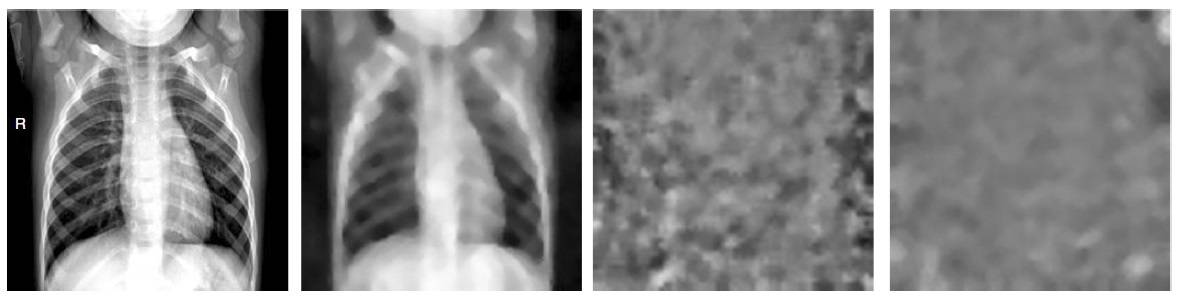
The researchers also evaluated the framework’s resilience to gradient-based model inversion attacks that aim to reconstruct features or entire dataset records (chest radiographs in this case) and threaten patient privacy. Attacks on the centrally trained model could reconstruct similar radiographs to the original. However, attacks against the FL model trained with secure aggregation or DP were unsuccessful and could not reconstruct any usable data.
Left to right: original chest radiograph; best-case reconstruction derived from attacking a centrally trained model; typical attack against the FL model trained with secure aggregation; worst-case attack against a model trained with DP. (Courtesy: Nat. Mach. Intell. 10.1038/s42256-021-00337-8)
The researchers note that PriMIA is highly adaptable to a variety of medical imaging analyses. To demonstrate this, they present a supplementary case study focused on liver segmentation in abdominal CT scans. They are convinced that the technology, by safeguarding the private sphere of patients, can make an important contribution to the advancement of digital medicine.
“To train good AI algorithms, we need good data,” says Kaissis. “And we can only obtain these data by properly protecting patient privacy,” adds co-author Daniel Rueckert.
Imagine a parallel universe where physicists are remunerated so handsomely that they can accumulate multitudinous assets. In this alternate universe, you naturally wish to share your good fortune, so you decide to divide your assets equally between your two non-physicist friends. This is an example of the number partitioning problem, in which the aim is to partition a single list of integers into two balanced lists in a way that minimizes the discrepancy between the sums of each list. In this example, the integers correspond to the values of your assets and the balanced lists represent the assets going to each friend.
Your enthusiasm wanes, however, when you find out that this seemingly simple task is notoriously hard. In fact, the number partitioning problem is classed as NP-hard, meaning that an optimal solution is difficult to find but easy to verify.
Researchers at Stanford University have now developed a quantum approach. By applying a well-established quantum algorithm known as Grover’s algorithm to the number partitioning problem, they obtain a quadratic speedup compared to equivalent classical algorithms. The team also proposes a way to implement this algorithm in near-term quantum devices such as those using cold atoms.
General approach
Grover’s algorithm is designed to find a specific item in a database, and it relies on a so-called oracle to judge whether a given item is the target of the search. Once each item in the database is encoded as a distinct quantum state, the next step is to construct an equally weighted superposition of these states. After that, the oracle is applied to the superposition so that it imparts a phase difference on the quantum state that encodes the target item. This marks the target, after which its probability of being measured can be boosted. The process is then applied repeatedly until the measurement probability is sufficiently high.
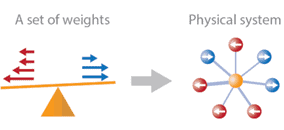
The number partitioning problem (left) can be solved by implementing a quantum algorithm on spins in a physical system (right). (Courtesy: PRX Quantum, https://doi.org/10.1103/PRXQuantum.2.020319)
The Stanford researchers apply Grover’s algorithm to the number partitioning problem by encoding each possible partition of the integer list as a quantum state. They also formulate an oracle that can identify an optimal partition, which is possible because solutions of NP-hard problems are easy to verify. Grover’s algorithm then searches for an optimal partition.
To implement the algorithm, the physicists propose a hardware architecture in which a central quantum spin (such as a Rydberg atom) or a central boson (such as a bosonic mode from a cavity) is coupled to all the other spins in the system, with no other couplings present. This arrangement is known as a star graph (see image). The central entity acts as the oracle, and its coupling strengths to the other spins represent the integers in the list.
Future directions
“Our proposal opens the possibility of implementing Grover’s algorithm efficiently on devices before full quantum error correction is achieved, improving the prospects of tackling real-world problems on these near-term devices,” says Ognjen Marković, a co-author of the study.
Marković also believes that this work could stimulate research in the field of quantum-classical hybrid algorithms. For instance, the team’s proposed implementation of Grover’s algorithm could be used as a quantum subroutine in a larger, possibly classical algorithm.
Luz Ángela García is an astrophysicist who dreams of cracking the ultimate cosmological conundrum : why the universe is expanding at an accelerating rate. Currently a postdoctoral researcher at Universidad ECCI in Bogotá, Colombia, García has overcome many barriers to succeed in her field. Her motivation is her lifelong drive to understand the universe, which began in childhood with a quirky choice of bedroom decoration.
García grew up in Colombia’s capital city, Bogotá, more than 2500 m above sea level in the Andes. Bogotá’s connection to the stars is cruelly severed by air pollution, but as a young girl, García found another way to introduce the wonders of space to her daily life. “I built a little solar system on the wall of the bedroom I shared with my brothers when I was about eight years old with the light bulb as the Sun,” she recalls.
This interest in space was noticed by García’s family, who bought her a basic telescope, which she used to study objects like the Moon and Jupiter. Even then – before she had heard of dark energy or supernovae – curiosity about the vastness of the cosmos was brewing in the budding astronomer’s mind.
The vastness of space
Perhaps it is not surprising that her current research is so integrally concerned with the size of the universe; the idea of the unimaginable scale of space manifested early in García’s life, as did the concept of how tremendous cosmic distances affect what we see and how we see it. “My reproduction on the wall was not exactly to scale,” she laughs. “But still, I was puzzled by concepts like distances between the astronomical objects – mostly in our solar system – and even though I knew the Sun was a star, I wanted to know why it looks so different from other stars.
“Remarkably, this led to part of my current research but at cosmological scales. I’m now actually using those distances to prove how dark energy is changing or shaping the way we see the universe.”
It wasn’t long before García’s teachers noticed their pupil’s burgeoning interest in the universe. When she was around 12 years old her biology teacher, Diana Pava, introduced the budding scientist to the work of Carl Sagan – through his magnum opus, the TV series Cosmos. By the age of 14, encouraged by her physics teacher Ernesto Campos, García was helping her fellow students understand scientific concepts such as thermodynamics and optics. “It was very cool indeed. Every time I tried to explain something, I was getting some additional insight,” García says. “I think that was very important in both my career as a lecturer and as someone doing science outreach. I was getting an insightful message for my future.”
From this point onwards García had set her mind on a career in the sciences, even if she wasn’t exactly sure which science it would be. Yet, the stars were not the only thing that was obscured from García’s view in these early years in Bogotá.
Discovering inequality
The positive attitudes of her family and educators had hidden from García the fact that women face additional obstacles to entering scientific fields. García had been no stranger to resistance, of course. She had frequently been encouraged to consider a more mundane career that didn’t require as much effort. But this new challenge was different, more than a mere irritation. When beginning her bachelor’s degree in physics at the Universidad Nacional de Colombia, the male-dominated lecture halls made her question the pursuit of a career in science entirely.
“During my degree, there were not many women studying with me – only about 20% of the people in my cohort – and just three female physics lecturers. That was the first indication to me that science was a male-dominated field.” García points out that these numbers dropped off still further as she progressed through academia. “That realization made me question if I was going to succeed in physics or astronomy.”
The discovery of the prevalent stereotype of a “scientist” after she had already decided on a career in the field has given García a unique insight into the harm it could potentially do to young women considering futures in science, technology, engineering and maths (STEM) subjects. “There is this common misconception that if you study science, you should be somehow a genius or socially awkward, or someone like Einstein. Old, with messy grey hair, and male,” she says. “We have to fix ideas about how a scientist should look. It’s definitely something that will not help a new generation to build careers in science.”
There is this common misconception that if you study science, you should be a genius or socially awkward; or old, grey and male
In her current postdoc research García has taken a more radical approach to the cosmological constant, once described by Einstein as “his greatest blunder”. Cosmologists believe that the cosmological constant could explain the accelerating expansion of the universe, possibly caused by dark energy. García suggests that dark energy could have started to play a role in the expansion of the universe shortly after the Big Bang – much earlier than current models suggest. Theories such as this are collectively known as Early Dark Energy (EDE) models.
“Our current understanding of cosmological proxies like type Ia supernovae allows us to infer that the universe is speeding up its expansion,” she says. “The ultimate effect of such a so-far-invisible component is that it causes negative pressure that beats the gravitational pull among galaxies.”
By suggesting a paradigm shift away from a long-standing aspect of cosmology – the idea that dark energy only plays a role in later epochs of the universe’s history – García’s work could be considered revolutionary. As a woman from Colombia, her career in science is a testament to another long-overdue paradigm shift – the imbalance of gender and ethnicity in science.
“The prospects for young South American women in STEM and academia have improved significantly due to the realization that there are so many female scientists from the region who are making important contributions in their disciplines,” García says. “However, inequality, sexism, lack of opportunities and discrimination continue to be the main obstacles for young women to pursue their dreams in STEM.”
She believes that institutions have a critical role in nurturing young women to continue in academia. “There are four main strategies that can be followed,” García explains. “Giving visibility to women’s work and achievements; promoting parity in jobs and salaries; advocating for a safe, diverse and healthy work environment; and finally, not tolerating any form of abuse, harassment or discrimination towards minorities.”
For young girls in South American cities dreaming of the stars and a career in science, García is clear: the stars may be beyond our reach, but a scientific career certainly isn’t. “My advice is to pursue their dreams and be passionate about their careers and fearless of beating the obstacles along the way,” she concludes. “There are plenty of opportunities waiting for them, and nature needs young creative minds to unveil its secrets.”
A rapid and low-cost test for the virus that causes COVID-19 has been developed by researchers in the US and Taiwan. Featuring a disposable testing cartridge and a reusable circuit board, the team’s portable system can detect the presence of the virus in fluid samples within just 1 s. By adjusting its design, the system could be adapted to test for other diseases.
Alongside vaccination and social distancing, rapid testing for SARS-CoV-2 – the virus that causes COVID-19 – is a critical element of global efforts to bring an end to the pandemic. Currently, the most widely applied testing techniques use chemical reactions to amplify certain biomarkers associated with the virus, such as the RNA molecules that carry its genetic information. However, these processes are time consuming, which has resulted in slow testing turnaround times.
Now Minghan Xian and colleagues at the University of Florida and National Yang Ming Chiao Tung University have developed an alternative approach, which instead measures distortions in electrical signals associated with the presence of the virus particles in a circuit. Their design is based around a circuit board containing a metal-oxide-semiconductor field-effect transistor (MOSFET), which is a common electronic device that amplifies electrical signals.
Gold-plated electrodes
Their system also includes a disposable testing strip that plugs into the MOSFET circuit. The tip of the strip has a microfluidic channel that contains clusters of gold-plated electrodes coated with SARS-CoV-2 antibodies as well as bare carbon auxiliary electrodes. When fluid samples are introduced to the channel, short electrical test signals can pass between the electrodes, amplified by the MOSFET and then sent to the circuit board for analysis.
If SARS-CoV-2 is present in a sample, spike proteins on the virus particles will bind to the antibodies on the gold electrode surface, which alters the nature of the amplified test signal waveforms. By converting these distortions into digital readouts, the system can determine the concentration of spike proteins; and subsequently, the concentration of virus particles present in the sample – within just 1 s. Their technique remains reliable over a broad range of concentrations: from just 100 virus particles per millilitre, to up to 2500.
By integrating their testing strips onto disposable cartridges, Xian’s team ensured that the circuit board was completely reusable. This resulted in a portable, low-cost testing system, suitable for rapid COVID-19 testing in any location. Furthermore, the detection process is not limited to COVID-19. By attaching other types of antibodies to the testing strip’s gold electrodes, the system could be repurposed for other diseases.
Big questions: the June 2021 issue of Physics World magazine.
Whether it’s the existence of the Higgs boson, dark matter or gravitational waves, some questions in physics just take an extraordinarily long time to settle. I’m sure you can think of your own examples, but the June 2021 issue of Physics World magazine looks at two particularly long-standing questions in physics.
First, Robert Crease summarizes the history of muon “g–2” experiments, which seek to measure g – the ratio of this particle’s magnetic moment to its spin. If g isn’t exactly 2, that could be a hint of “new physics”, yet despite five different versions of these experiments over the last 60 years, we’re still not sure.
Also in the issue, Edwin Cartlidge examines our attempts to measure the radius of the proton, which was traditionally done either by scattering electrons off it or carrying out spectroscopy of the hydrogen atom. An official value was first agreed in 2002, but a decade later, a new and more precise spectroscopy experiment on the muon found a proton radius 4% lower expected.
Quite why physicists settled on the lower value is the theme of the article. As the feature makes clear, it’s a messy process with various physicists redoing and refining experiments, arguing their case, and – ultimately – voting on the matter.
For the record, here’s a run-down of what else is in the issue.
• Publishers announce name-change policies – The introduction of trans-inclusive journal policies has been broadly welcomed, but some say that more needs to be done, as Juanita Bawagan reports
• Imposter intuition – Chanda Prescod-Weinstein explains that intuition in physics can be a social construct, one that is culturally embedded about who is normal and what is intuitive
• Towards a new equality narrative – Elizabeth Crilly, Alison Voice and Samantha Pugh say valuing and recognizing other sources of technical knowledge – rather than just pure scientific competence – can help to encourage more people from under-represented groups into physics
• Nothing ventured… – In the first of a series of articles about how to start and fund a fledgling business, James McKenzie examines the art of securing money from venture capitalists
• Muons and streetlights – Robert P Crease explains why the new measurement of “g–2” was just the latest in a series of such experiments that stretches back more than 60 years
• It’s topology, naturally – One of the hottest topics in solid-state physics is having a fluid makeover. As Jon Cartwright reports, the consequences of topological behaviours in fluid dynamics could be far-reaching for our understanding of the natural world and other complex systems, such as fusion tokamaks
• What does physics look like, and does it matter? – The conceptual worlds of physics have long inspired artists and thinkers across disciplines. Anna Starkey explores how different approaches to visualizing physics can open up the way that society thinks and feels about physics as an imaginative human endeavour
• Solving the proton puzzle – Why were so many physicists so wrong about the size of the proton for so long? As Edwin Cartlidge explains, the solution to this “proton radius puzzle” has as much to do with bureaucracy and politics as it does with physics
• Light at the end of the tunnel – David Appell reviews Lightspeed: the Ghostly Aether and the Race to Measure the Speed of Light by John Spence
• Learning from the impossible – Philip Ball reviews The Science of Can and Can’t by Chiara Marletto
• Reaching out to the stars – Luz Ángela García, a cosmology postdoc in Bogotá, Colombia, talks to Rob Lea about her journey into physics and astronomy as a woman from South America
• Ask me anything: Jim Al-Khalili – Careers advice from the physicist, communicator and broadcaster.
• A funny thing happened on my way to class – Joanne O’Meara on bringing humour to teaching.
Surgeons performing operations may orient themselves in the human body using sight and touch, but human senses can’t isolate things like small groups of cancer cells. Researchers at the University of Illinois at Urbana-Champaign tackled this challenge by developing a new image sensor that supplements a surgeon’s sight – and it’s based on how mantis shrimp see the world.
A multi-layered sensor the size of a postage stamp
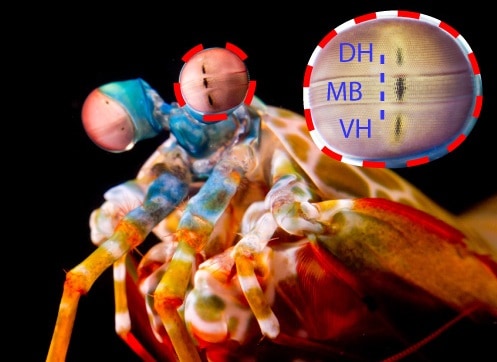
Mantis shrimp have the most complex visual systems ever studied (they even hold a world record). Their compound eyes have three layers of photoreceptor cells, and each layer responds to a slightly different wavelength of light. All in all, mantis shrimp have up to 16 different types of photoreceptors.
Humans, by contrast, have only three colour vision photoreceptors (red, green, blue) that respond to visible light. To accommodate human vision, conventional image sensors often separate a single layer of photosensitive material into sections. Since each section is sensitive to a different wavelength of light, how much a surgeon sees using a camera – and the resolution of the images produced – is limited by how many sections an image sensor has.
The mantis shrimp, along with a magnified photo of its compound eye. (Courtesy: Sci. Transl. Med.)
Steven Blair, a graduate student in the lab of Viktor Gruev and lead author of a study published in Science Translational Medicine, has developed an image sensor the size of a postage stamp that, like the mantis shrimp’s eye, has not one but three layers of photosensitive material.
A camera using the sensor can display, with high resolution and when combined with two light-filtering materials, up to six colours of visible and near-infrared light. This could enable surgeons to use a single camera to isolate structures in the human body that might otherwise go unseen.
Filters and dyes
Surgeons who want to see the otherwise unseen can inject fluorescent dyes into a patient. The dyes bind to hidden tumour cells, for example, and emit visible or near-infrared light from structures that might have tumour cells in them. Conventional image sensors collect the light and create a real-time video feed that displays images from either the visible or near infrared that surgeons can refer to while operating.
But what if surgeons need to see the visible and near infrared light at the same time, as is the case when structures are located both near the surface and deep within the body? The researchers solved this problem by depositing two light-filtering materials on the top layer of their sensor, allowing them to capture colour and near-infrared images simultaneously.
“You may want to distinguish multiple tissues in the operating room,” says Blair. “Our sensor can visualize multiple fluorescent dyes and can thus provide a surgeon with a map of all of these tissues.”
Bio-inspired camera in the OR
To check how their sensor performed, the researchers built a camera by attaching a lens, electronics and housing to the sensor. They connected the camera to an external display so they could see the real-time video feed of overlaid colour and near-infrared images. The researchers demonstrated that their camera could visualize two hallmarks of cancer, abnormal cell growth and abnormal glucose uptake, when two fluorescent dyes that target these hallmarks were injected into mice with prostate tumours. They also could detect the tumours with greater accuracy using both hallmarks (dyes) together than each one alone.
Next, they brought their camera into the operating room. They found that the camera could pick up weak near-infrared light emissions under strong surgical lighting, which might help surgeons identify potentially cancerous lymph nodes near human breast tumours.
Because the camera is compact (approximately the size of a digital SLR), it can be integrated into an operating room. Pending regulatory approval of targeted dyes, the camera could be used to identify tumour boundaries as well as tumours, which could improve patient outcomes and shorten recovery times after surgery.
“Nature has developed an incredible diversity of different visual systems that are suited for all sorts of environments,” says Blair. “We looked at the inspiration that nature provided us and the tools that were available to us as engineers, and we developed a sensor that sort of found the middle ground between nature and engineering.”
Quantum computing holds great promise for achieving immense computational power. While reaching the full potential of this paradigm presents considerable technical challenges, current Noisy Intermediate Scale Quantum (NISQ) devices have already demonstrated an advantage over classical hardware for particular computational tasks. Such demonstrations were achieved through incredible progress in designing quantum systems, engineering their environment, and controlling them effectively, leading to significant improvements in coherence times, gate fidelities, and the ability to integrate more qubits into a single quantum processor.
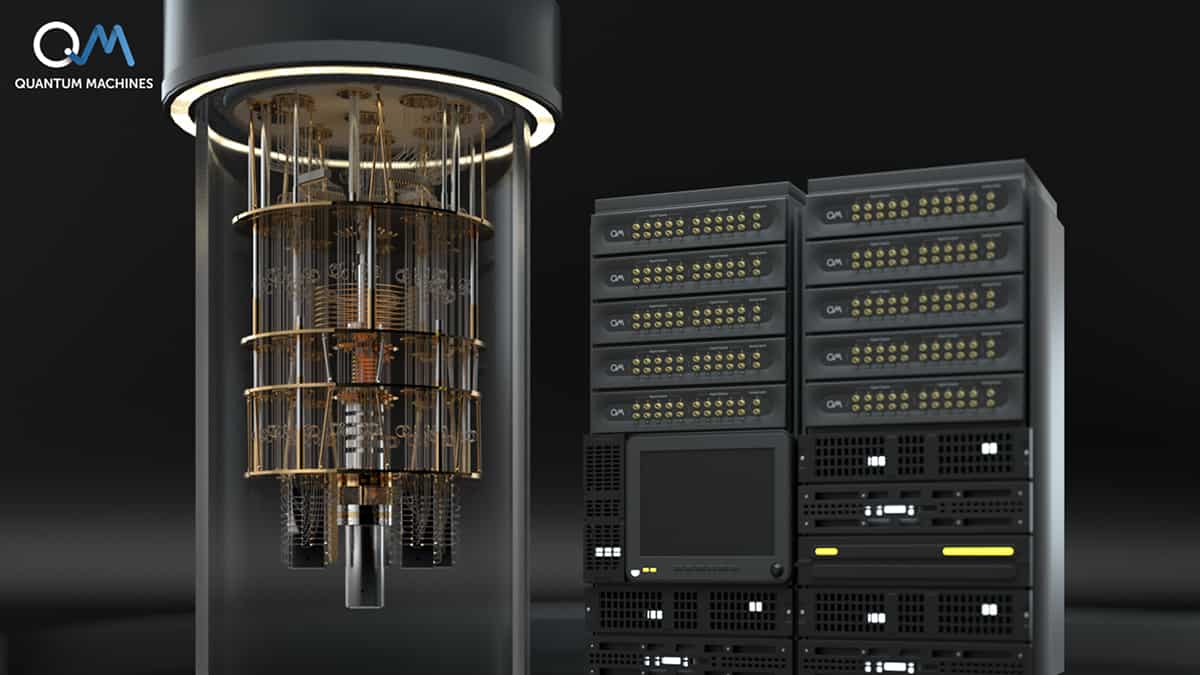
While the development of quantum hardware remains the primary challenge, many bottlenecks exist in the classical control hardware and software, where optimizations play a critical role for near-term quantum computing. This workshop introduces a new platform for implementing quantum control protocols, executing them on a wide range of quantum hardware, and optimizing their performance. This hardware and software solution, the Quantum Orchestration platform, combines a unique processor architecture that allows the most cutting-edge real-time control capabilities. We will demonstrate how the platform can control various setups and present live code use cases. Some examples will include feedback for error correction and repeat until success protocols; complex calibrations and optimizations; and hybrid quantum-classical algorithms.
Yonatan Cohen is a quantum physicist and entrepreneur, the CTO and co-founder of Quantum Machines. QM introduces Quantum Orchestration, a powerful platform to accelerate quantum research and development, and deliver unprecedented capabilities in quantum technologies. The platform empowers teams to realize the full potential of any quantum device. With its robust architecture and powerful yet intuitive programming language, QM makes it possible to run even the most advanced experiments and algorithms right out of the box. He is also the co-founder and the ex-managing director of the Weizmann Institute’s Entrepreneurship Program. Yonatan completed his MSc and PhD in Prof. Moty Heiblum’s lab at the Weizmann Institute of Science in Israel, working on quantum electronics, superconducting-semiconducting devices and microfabrication.
Gal Winer is a quantum physicist and the QUA libraries team lead at Quantum Machines. Gal did his PhD working on quantum optics in cold Rydberg atoms in the Weizmann Institute with Prof. Ofer Firstenberg. He has also worked in industry on metrology and automated optical inspection in semiconductor manufacturing.
A new device for rotating the polarization of terahertz radiation has been created by accident by researchers in the US. While practical applications remain unclear, the discovery could boost the bandwidth available to personal electronic devices like smartphones.
The terahertz region of the electromagnetic spectrum falls between the microwave and the infrared. It has numerous current and potential applications ranging from detecting concealed objects to telecommunications. However, the lack of convenient terahertz sources and other components has created a “terahertz gap” that has frustrated greater exploitation. Now, researchers at Rice University in the US may help close the gap by developing an ultrathin, broadband carbon-nanotube based device that can rotate the polarization of terahertz radiation by angles of 90° or more.
Controlling the polarization of electromagnetic radiation is crucial in numerous areas of science and technology. Control is particularly tricky in the terahertz region and rotating polarization usually involves a quartz wave plate about 1 mm thick.
“Even 1 mm is very thick to have as part of a modular device in something like a smartphone”, says Rice physicist Andrey Baydin, pointing out that this is an obstacle to using terahertz in consumer electronics like smartphones – which currently use microwave frequencies – in order to boost data transmission. Moreover, these waveplates have no tunability and work over an extremely narrow band of frequencies.
Aligned nanotubes
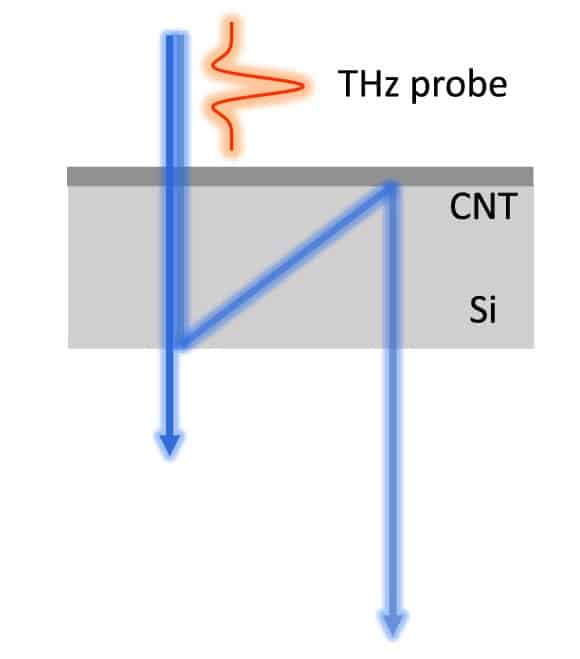
On reflection: diagram showing some of the terahertz pulse going straight through the sample and some of the pulse reflecting before emerging. (Courtesy: Kono Laboratory/Rice University)
In the new research, Baydin and colleagues chanced upon an alternative to the quartz wave plate after depositing a solution of aligned single-walled carbon-nanotubes (CNTs) onto a silicon substrate. The resulting nanotube film was analysed using terahertz time domain spectroscopy, in which a terahertz pulse is fired through a sample and the substrate behind. Some of the pulse goes straight through the sample and substrate and arrives at a detector. Some of the pulse is reflected at the silicon-air interface and goes back into the sample (see figure). There, it reflects from the CNTs and emerges again to be detected as a second pulse. This technique allows researchers to perform transmission and reflection spectroscopy simultaneously on their samples.
In their experiment the input pulse has a normal incidence on the sample, which the researchers rotated to vary the angle between the polarization of the input pulse relative to the orientation of the nanotubes in the film. They discovered that at a specific “magic” angle, the polarization of the second pulse was rotated exactly 90° relative to the input pulse. This magic angle was 30˚ in their sample, but its value depends on the thickness of the nanotube film and substrate, as well as the refractive index of the substrate.
Baydin says that their results came as a big surprise: “we were simply characterizing these nanotubes”.
Their curiosity piqued; the researchers created a mathematical model to gain a better understanding of the observed effect. “The refractive index and absorption coefficient are very different along the nanotubes and perpendicular to the nanotubes,” explains Baydin.
Broadband effect
As a result, the input pulse that approaches the nanotubes from one side behaves differently from the reflected pulse that approaches the nanotubes from the other side and at a different angle. This gives rise to the remarkable effects observed. The effect is more broadband than seen the traditional waveplates. Moreover, as the nanotube films are inherently anisotropic, dramatic variations in the properties of the surface should be achievable simply by rotating its angle relative to the light source.
“[Baydin and colleagues have] done a lot of work using carbon nanotubes as components in terahertz polarizers,” says Peter Armitage of Johns Hopkins University in the US. “Incorporating a thin-film geometry like this and silicon – which is a conventional material in the semiconductor industry – means one can take this kind of thing and incorporate it into terahertz-range optoelectronic devices. I wouldn’t say it’s an exotic effect but it’s quite remarkable that you can take these kinds of components, arrange them in this fashion, and get out this very large rotation of terahertz light.”
The next step, says Armitage, is “trying to incorporate these elements into actual devices”. Some of these devices, he says, may be laboratory ones. He gives the example of his own research, which involves using terahertz radiation to probe material properties. “The anisotropies in the polarization response tell us different things about a material,” he says. “For that, you don’t usually care if [your components] are bulky but you do usually care if they’re broadband. This is a way of treating all frequencies reasonably equally.”





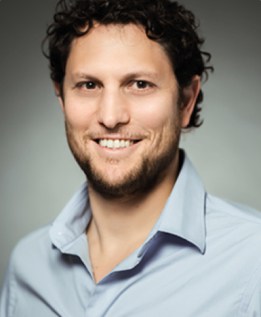 Yonatan Cohen is a quantum physicist and entrepreneur, the CTO and co-founder of Quantum Machines. QM introduces Quantum Orchestration, a powerful platform to accelerate quantum research and development, and deliver unprecedented capabilities in quantum technologies. The platform empowers teams to realize the full potential of any quantum device. With its robust architecture and powerful yet intuitive programming language, QM makes it possible to run even the most advanced experiments and algorithms right out of the box. He is also the co-founder and the ex-managing director of the Weizmann Institute’s Entrepreneurship Program. Yonatan completed his MSc and PhD in Prof. Moty Heiblum’s lab at the Weizmann Institute of Science in Israel, working on quantum electronics, superconducting-semiconducting devices and microfabrication.
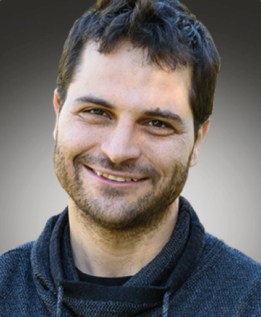 Gal Winer is a quantum physicist and the QUA libraries team lead at Quantum Machines. Gal did his PhD working on quantum optics in cold Rydberg atoms in the Weizmann Institute with Prof. Ofer Firstenberg. He has also worked in industry on metrology and automated optical inspection in semiconductor manufacturing.