Machine learning could save firefighters from deadly flashovers

New machine learning algorithms could soon help firefighters forecast dangerous flashover ignition events using sensor data from burning buildings. Called P-Flash, the system was developed by Thomas Cleary and colleagues at the National Institute of Standards and Technology (NIST) in the US and Hong Kong Polytechnic University. Trained using data from thousands of simulated fires, the model can predict some flashovers in housefires up to 30 s before they occur.

Flashovers are among the most hazardous threats faced by firefighters. At high temperatures, all exposed combustible material in a room can be ignited simultaneously, releasing a huge amount of energy. To avoid danger, while maximizing the amount of time spent searching a fire for victims, it is critical for firefighters to predict these events as far in advance as possible. However, firefighters engaged in life-saving operations in smoky environments can sometimes overlook the characteristic precursors to flashovers such increasingly heat and flames rolling across the ceiling.

In their study, Cleary’s team aimed to develop more robust forecasting techniques based on the data gathered by heat sensors – which are often installed alongside smoke alarms in modern US homes. While these devices tend to fail above 150 °C, the team believes that prior to failure, data from the sensors can be used to measure temperature trends in rooms and track the distribution of heat throughout a building. From this information, machine learning algorithms could predict when and where flashovers will occur.

Virtual three-bedroom house

To demonstrate this, Cleary and colleagues developed the Prediction Model for Flashover (P-Flash), which they trained using data from more than 4000 simulated fires in a virtual three-bedroom house. In each simulation, they varied details including the arrangement of furniture in each room, and which windows and doors were open or closed. After training, the team then fine-tuned the model’s predictions using 500 additional simulations, then tested its performance with a final 500 runs. By capturing the complex relationship between temperature signals and flashover conditions, P-Flash predicted simulated flashover events 1 min in advance some 86% of the time.

Next, the researchers tested their model’s performance in 13 real housefires, carried out in controlled conditions at UL (formerly Underwriters Laboratories). When fires were started in open spaces like kitchens and living rooms, Cleary’s team found that P-Flash could successfully forecast a flashover 30 s before it occurred. However, the system was far less accurate at predicting flashovers in smaller rooms such as bedrooms.

The team now aims to tackle this shortcoming by further training of P-Flash with a focus on smaller rooms. If P-Flash can be improved, it could be installed on handheld devices that communicate with heat sensors via the cloud. This could help firefighters to predict the likely times and locations of flashovers before even arriving at the scene.

The researcher is described in Proceedings of the AAAI Conference on Artificial Intelligence.
Construction go-ahead for €2bn Square Kilometre Array

The go-ahead has been given to build what will be the world’s largest radio telescope network. Last week the council of the Square Kilometre Array Observatory (SKAO) gave the green light to construct the €2bn Square Kilometre Array (SKA) in Australia and southern Africa. To be complete by 2028, it is anticipated that the SKA will operate for the next 50 years.

This moment has been 30 years in the making

Philip Diamond

As its name suggests, the SKA is a facility that intends to have a total collecting area of 1 km2, achieved by spreading out thousands of individual dishes in southern Africa as well as a million wire antennas in Australia. SKA is designed to provide astronomers with unprecedented views of the first stars in the universe and observations of gravitational waves via the radio emissions from pulsars, among other things.

That initial design, however, proved too ambitious and in 2013 officials concentrated on building a much smaller preliminary facility known as SKA1, which was to be complete by 2018. It would feature 250 mid-frequency radio dishes and 250,000 low-frequency dipole antenna to keep costs below a cap of €674m. Despite further woes with members dropping out, such as Germany, and increases in the baseline cost of the project to €900m, that timeline was delayed. Yet a big boost for the project came in March 2019 when Australia, China, Italy, the Netherlands, Portugal, South Africa and the UK signed the SKA convention treaty in Rome. That came into effect earlier this year after five countries – including Australia, South Africa and the UK – ratified the convention, creating the SKAO in the process.

An “ecstatic” moment

More than 500 engineers from 100 institutions worldwide have been involved with the design of the SKA telescopes with over 1000 scientists from 40 countries working on the science case of the project. The final SKA design to be built — similar to that proposed for SKA 1 — includes 197 radio dishes in South Africa, including 64 dishes belonging to the existing MeerKAT array,  as well as 131 072 individual antennas in Australia. The cost of constructing the two telescope arrays and operations for the coming decade will be about €2bn – €1.3bn to build the instrument and €700m for operations. The UK, which hosts the headquarters of the observatory at the Jodrell Bank site in Cheshire, will contribute £270m.

SKA will be built in stages with eight dishes and an 18-station array of antennas – each station featuring 512 antennas — ready by 2025. By the start of the following year SKA will include a 64-dish array and 64 antenna stations while in 2027 it will have a 133-dish array and 256 antenna stations. In 2028 there will be an “operation readiness review” with the following year marking the end of construction.

SKA is going to be a key piece of global science infrastructure for astrophysics and will do fantastic science

Richard Easther

Philip Diamond, director-general of SKAO, says he is “ecstatic” by the latest development. “This moment has been 30 years in the making,” he says. “Today, humankind is taking another giant leap by committing to build what will be the largest science facility of its kind on the planet; not just one but the two largest and most complex radio telescope networks, designed to unlock some of the most fascinating secrets of our universe.”

That view is backed up by Catherine Cesarsky, who is chair of the SKAO Council. “Giving the green light to start the construction of the SKA telescopes shows…the professional work that’s been done by the SKAO to get here, with a sound plan that is ready for implementation, and in the bright future of this ground-breaking research facility.”

“Lack of candour”

Richard Easther, a cosmologist at the University of Auckland says that it is “great news” to see a construction schedule and budget for SKA. “[It] is going to be a key piece of global science infrastructure for astrophysics and will do fantastic science,” he adds.

Yet one open question is whether the original intention of SKA that features 2500 radio dishes and a million radio antennas – later dubbed SKA 2 – will ever be constructed. Indeed, in 2013 SKA 2 was budgeted at over €1.5bn, which is now near to the cost for SKA 1.

Easther says that there has been a “lack of candour” about this timeline from the SKA leadership. “There was no formal downsizing so that SKA 2 – representing 90% of the actual project — has effectively been airbrushed away, even though its capabilities were key to the hype that got the project rolling in the first place,” adds Easther, who supported a decision by New Zealand in 2019 to pull out of the project. “This certainly undercut the value of the project for New Zealand — it became harder to claim that the investment stacked up scientifically or economically.”

Timeline: The Square Kilometre Array

2006 Southern Africa and Australia are shortlisted to host the Square Kilometre Array (SKA) beating off competition from Brazil and China. Due to be completed in 2020 and cost €1.5bn, the facility would comprise about 4000 dishes, each 10 m wide, spread over an area 3000 km across

2012 The SKA Organisation fails to pick a single site for the telescope and decides to split the project between Southern Africa and Australia. Philip Diamond is appointed SKA’s first permanent director-general replacing the Dutch astronomer Michiel van Haarlem, who had been interim SKA boss

2013 Germany becomes the 10th member of SKA, joining Australia, Canada, China, Italy, the Netherlands, New Zealand, South Africa, Sweden, the UK. SKA’s temporary headquarters at Jodrell Bank in the UK opens. SKA members propose a slimmed-down version of SKA known as SKA1. With a cost cap of €674m, it would consist of 250 dishes in Africa and about 250 000 antennas in Australia

2014 Germany announces it will pull out of SKA the following year

2015 Jodrell Bank beats off a bid by Padua in Italy to host SKA’s headquarters. India joins SKA

2017 Members scale back SKA again following a price hike of €150m, which involves reducing the number of African dishes to 130 and spreading them out over 120 km

2018 The first prototype dish for SKA is unveiled in China. Spain joins SKA

2019 Convention signed in Rome to create an intergovernmental body known as the SKA Observatory. The Max Planck Society in Germany joins SKA. New Zealand announce it will pull out of SKA in 2020

2021 SKA Observatory comes into force. Start of construction annouced.

Black holes merging with neutron stars have been spotted by LIGO–Virgo for the first time

Gravitational waves from two separate mergers of a black hole with a neutron star have been seen by the LIGO observatories in the US and the Virgo observatory in Italy. Although hints of similar mergers have been spotted by the detectors before, these are the first confirmed events of this kind. One signal was detected on 5 January 2020 and the other was observed less than two weeks later, on 15 January.

LIGO–Virgo has already detected the mergers of pairs of black holes and pairs of neutron stars, so these observations complete the set of possible mergers of these objects. “We finally have the final piece of the puzzle: black holes swallowing neutron stars whole,” says LIGO–Virgo team member Vivien Raymond, from Cardiff University’s Gravity Exploration Institute. “This observation really completes our picture of the densest objects in the universe and their diet.”

Gravitational waves are ripples in space–time that are generated when pairs of massive objects such as black holes and neutron stars orbit each other in a rapid inspiral before merging. The LIGO and Virgo observatories are kilometre-scale interferometers that can measure the minuscule expansion and contraction of space–time that occurs when a gravitational wave passes through Earth.

The first of the two events has been named GW200105, and scientists believe that it involved the merger of a 9 solar mass black hole with a 1.9 solar mass neutron star. Despite being seen in only two of the three LIGO–Virgo detectors (LIGO Livingston and Virgo, LIGO Hanford was offline at the time), the signal was strong enough to meet the threshold of a detection. Scientists calculate that the merger occurred about 900 million light-years away.

Difficult to pinpoint

The GW200105 signal was much weaker in Virgo than in LIGO Livingston, which meant that scientists were not able to pinpoint its origin – it could have been anywhere in a region of sky about 34,000 times the size of a full Moon.

The second event has been dubbed GW200115 and it occurred about 1 billion light-years away and involved a 6 solar-mass black hole and a 1.5 solar mass neutron star. Because it was spotted by all three detectors, researchers were able to narrow down its location in the sky to an area of about 3000 times the size of a full Moon.

When gravitational waves are detected by LIGO–Virgo, a notice goes out to other astronomers who then train their telescopes on that region of the sky and look for electromagnetic radiation from the merger. However, unlike the merger of two neutron stars that was observed by LIGO–Virgo in 2017, no electromagnetic radiation from GW200115 and GW200105 was spotted by other telescopes.

No light show

According to the LIGO–Virgo team, this lack of other observations is expected for several reasons. For one thing, the black hole is expected to swallow the neutron star whole, with little matter being flung out to generate an electromagnetic signal. This is unlike neutron-star mergers, in which the resulting object explodes spectacularly. Furthermore, the great distances to the mergers means that any light produced by the events would be very dim indeed.

“These were not events where the black holes munched on the neutron stars like the cookie monster and flung bits and pieces about. That ‘flinging about’ is what would produce light, and we don’t think that happened in these cases,” says LIGO spokesperson Patrick Brady at the University of Wisconsin-Milwaukee.

The LIGO detectors spotted their first gravitational waves in 2015, from the merger of two black holes. In 2017 the Virgo detector spotted its first signal and since then all three observatories have been upgraded. A fourth observatory – KAGRA in Japan – joined the search for gravitational waves in February 2020.

The observations are described in Astrophysical Journal Letters.

How gravitational waves are detected

In the video below, LIGO–Virgo team member Nergis Mavalvala of the Massachusetts Institute of Technology explains how gravitational waves are detected.

How to persuade a venture capitalist to fund your business

I read somewhere that about a third of all workers in the UK don’t enjoy their jobs – and that more than half would rather work for themselves. So if you feel the urge to start your own business, you’re not alone. In fact, one new company is set up every minute in Britain. They’re generally founded by people who have spotted a gap in the market or have the technology to solve an existing or future problem.

These days, setting up a company is easy. You only need to spend a few hundred quid filing the firm, opening a bank account, picking a website domain name and sorting out an e-mail address. The real challenge is securing enough money to fund the business until it can sustain itself from sales. Records show that 89% of start-ups in the UK survive their first year, but fewer than half make it beyond five years.

It can take several years – and many rounds of investment – for physics-based businesses to succeed

James McKenzie

According to the Institute of Directors, about half of all new businesses (across all sectors) start out with less than £5000 in their pocket. That’s probably enough if you’re a gardener, hairdresser or decorator. But most physics-based businesses need much more. In fact, it can take several years – and many rounds of investment – for them to succeed. That’s why many hi-tech firms look to venture capitalists (VCs) – people who will invest cash in potentially risky but promising businesses in return for a stake in the company.

Keys to success

But with fewer than 10% of all start-ups ever securing VC funding, what’s the secret to winning their support? For answers I turned to Hermann Hauser, the physicist who in 1997 co-founded Amadeus Capital Partners – a VC firm that specializes in the computer, semiconductor and telecoms sectors. Hauser rose to fame in the 1980s as the co-founder of Acorn Computers, which later spun-out Arm – today’s hugely successful chip-licensing business.

Hauser, who is an honorary fellow of the Institute of Physics, told me that after 30 years in the VC business, he realized that deciding whether to invest in a company boils down to three key factors. “The first,” Hauser told me, “is the size and growth rate of the market. The second is the team. And the third is the defensibility of the technology”.

There is, indeed, little sense in investing heavily in a product or service if the market is too small. Hauser cites Cambridge Silicon Radio (CSR) – a company making single-chip Bluetooth that Amadeus invested in in 1998. Admittedly, the market size was zero, but the growth rate was potentially huge if single-chip radios like Bluetooth became part of mobile phones, which they did. CSR went public in 2004 and the company was bought by Qualcomm in 2015 for a staggering $2.5bn.

As for the team, Hauser says he wants people who stand out. “I am looking for a star – usually a technical star – as it’s easier to build a team around them as people want to work with them.” To Hauser, people are crucial and, when I quizzed him further, he was even blunter. “I have seen more situations where an A-grade team with C-grade technology has been successful than I have a C-grade team with A-grade technology win out”.

I have seen more situations where an A-grade team with C-grade technology has been successful than I have a C-grade team with A-grade technology win out

Hermann Hauser, Amadeus Capital Partners

Hauser’s third point – about what he calls “defensible technology” – refers to the fact that if a product does well, everyone else will try to copy it. You therefore must protect your product, processes or materials through patents and other forms of intellectual property. That will give you a chance to grow and maintain high gross margins to build the business value. “Of the 100 investments I have made in the physical sciences, the technology doesn’t always work as well or as fast as predicted – but only once has one of my companies failed because the technology didn’t work at all.”

Picking winners

When talking to VCs, it’s worth remembering that they have to raise funds to invest in the companies based on their own reputation to pick winners and deliver returns. In the Wall Street Journal, Shikhar Ghosh – a lecturer at Harvard Business School – is quoted as saying that 75% of 2000 venture-backed companies he’d surveyed never returned any cash to investors. In fact, in 30–40% of cases, they lost their entire initial investment.

Fortunately, for physics-based start-ups there are some patient early-stage capital funds out there. In Britain, there’s the UK Innovation and Science Seed Fund (UKI2S), which supports hi-tech start-ups either in (or linked to) government labs. It recognizes that such firms can take a long time to mature – indeed about half the companies it backs are physics-based. Mark White, a UKI2S investment director, told me the fund is especially interested in great science that could answer unmet commercial needs.

“Of the investments the fund has made, fewer than 10% have not changed applications or markets for the technology as development has progressed,” he told me. “So we like to make sure the team has identified at least two or three applications for the technology.” This approach has paid off, with successes including Cobalt Light Systems – a Raman spectroscopy firm that first targeted medical markets before switching to airport security and pharmaceuticals. It was snapped up by US tech giant Agilent in 2017.

White’s advice for early-stage firms is not to fall into the trap of describing solutions in search of a problem. Instead, before even engaging with investors, you should first identify the problem you want to solve. If you want to secure VC funding, you’ll have to use your business plan to pitch the market opportunity and explain how you’re going to unlock it. If the VC agrees with you – and really believes in your team and your approach – then there’s a great chance you can get the investment to grow your business to the next stage.

Body-coupled energy harvesting can power multiple wearable devices

NUS researchers

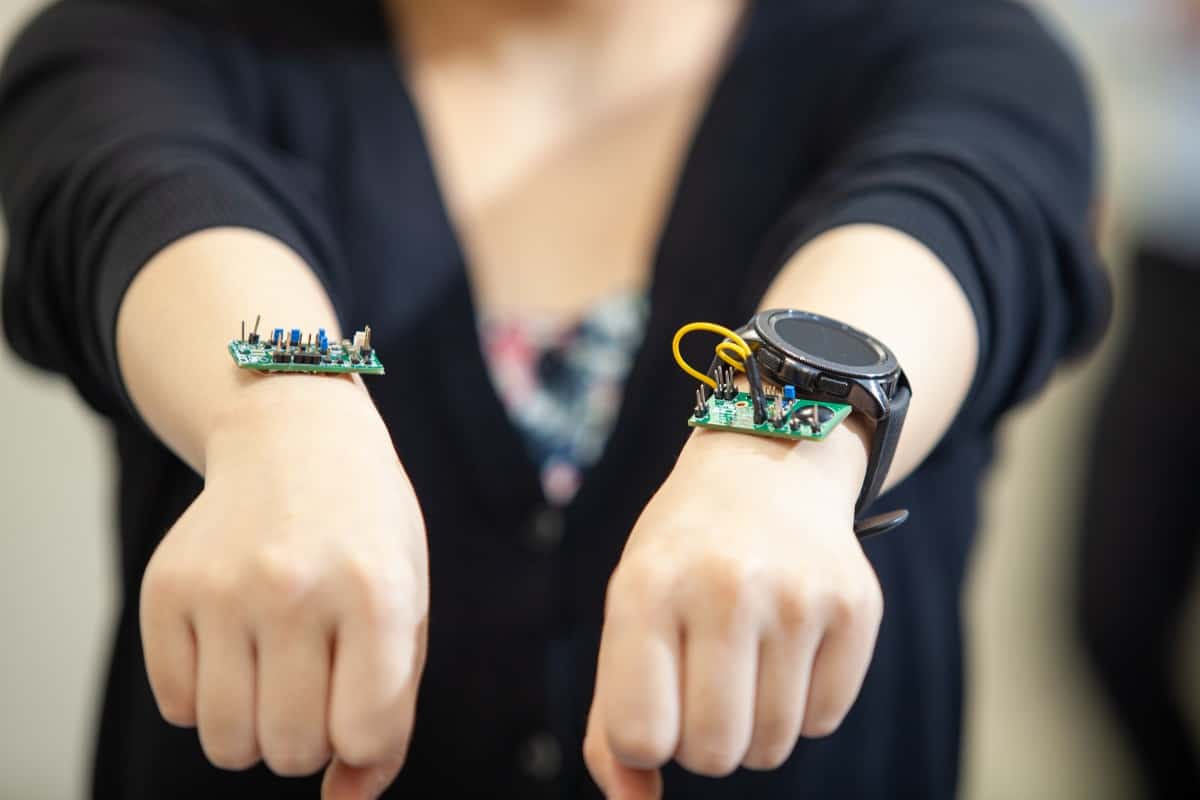
Delivering power to skin-interfaced wearable devices typically relies on wires, batteries or conventional air-coupled wireless power transfer (WPT). But wires restrict movement and batteries need to be recharged and replaced. WPT, meanwhile, is limited by distance and power transmission can be obstructed by obstacles. Looking ahead, the next generation of biomedical skin-interfaced wearables must sustain prolonged operation – critical for applications such as continuous health monitoring.

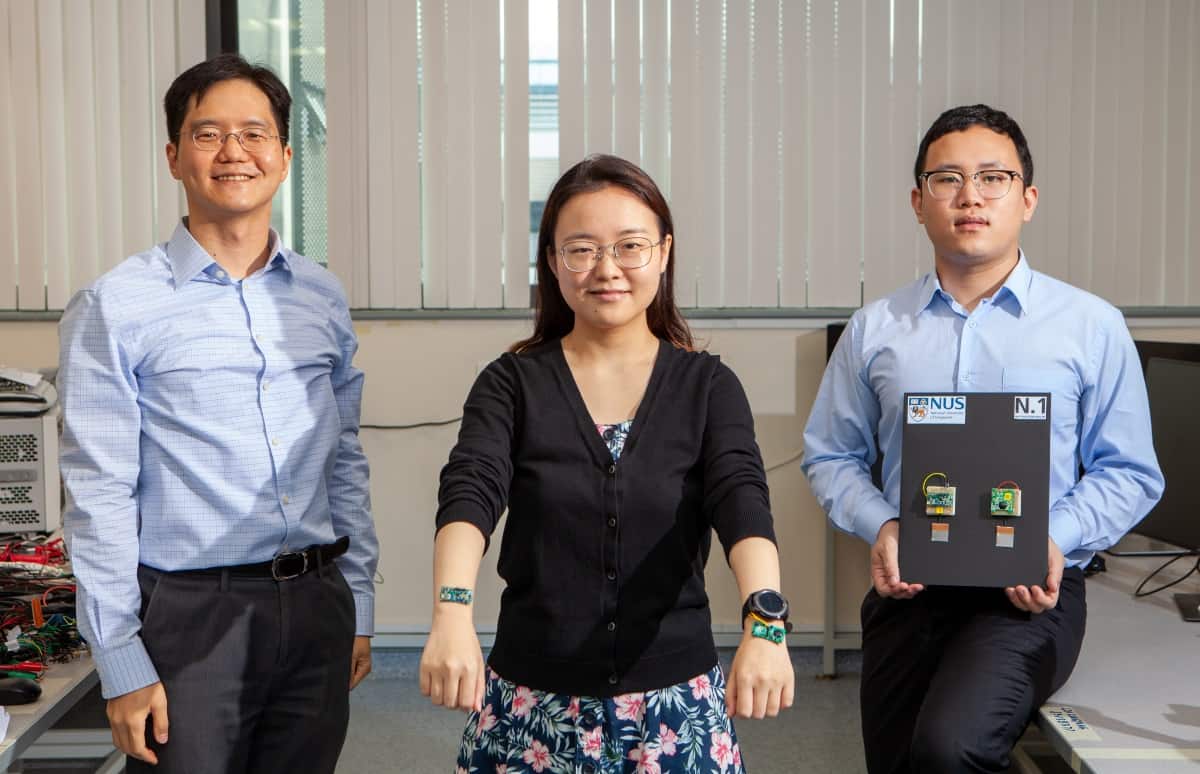
Aiming to create power-autonomous skin-interfaced wearable devices, researchers at the National University of Singapore (NUS) used the human body as a medium to simultaneously recover power in devices at the waist, wrist, arm, ankle and thigh from a single power source, such as a mobile phone in a pocket. Alternatively, the device can harvest energy from nearby electromagnetic waves in the ambient environment, which are coupled onto the skin surface to create a low-loss transmission path.

The team’s results, published in Nature Electronics, show that such body-coupled power transmission can recover sufficient power, even when the transmitter and receiver devices are located at opposite ends of the body (the ankle and forehead, for example).

“We are flipping the table to use the human body as a medium, instead of an obstacle, to improve the efficiency,” explains senior author Jerald Yoo.

Human body as a low-loss transmission path

The energy harvesting devices contain an electrode to pick up the electric field (between 20 and 80 MHz) on the skin and relay it to the receiver. By varying the separation distance between transmitter and receivers, the researchers mapped the power received over the entire body. In terms of received power, the body-coupled transmission outperformed radiofrequency (RF) power transmission by up to 70 and 50 dB, at 2.4 GHz and 900 MHz, respectively.

The enhanced area coverage compared with RF transmission allowed the researchers to supply 1.2 mW of power from a transmitter on one wrist to an electrode on the opposite wrist (120 cm apart) and recover 1.1 μW. For electrodes on the ankle and forehead (160 cm apart), they could recover 2 μW – enough to power a wearable electrocardiogram (ECG) sensor. The amount of power recovered is independent of the number of receiving devices and electrode size, an advantage for concurrent monitoring and future device miniaturization.

Transmission through the body

Power from the environment

In the absence of an active power source, electromagnetic waves from ambient power sources (an electronic appliance such as a laptop or a 50/60 Hz power line) can be used instead. The recovered power, however, is affected by the number of appliances and their distance from the devices to be powered. Nonetheless, the team recovered 2 μW from a charging laptop 50 cm away. For wearable devices with large power consumption, guaranteeing continuous power recovery based solely on ambient electromagnetic waves is challenging. “I envision this is a good complement to existing air-coupled wireless power transfer,” says Yoo.

To demonstrate real-time functionality, the researchers removed the batteries of three calculators and connected them to receivers in the neck, hand and ankle, while holding onto a transmitter with the opposite hand. By typing simple arithmetic operations, they demonstrated successful power transmission through the body. They obtained equivalent results when harvesting energy from a nearby charging laptop.

Human power link

Solar device generates electricity and desalinates water with no waste brine

A device that can generate electricity while desalinating seawater has been developed by researchers in Saudi Arabia and China, who claim that their new system is highly efficient at performing both tasks. The device uses waste heat from the solar cell for desalination, thereby cooling the solar cell. It also produces no concentrated brine as waste, cutting its potential environmental impact.

In many parts of the world, climate change and population growth are putting huge demands on freshwater supplies. In some coastal regions, desalination – removing the salt from brackish water or seawater to turn it into fresh water – is increasingly being used to meet demand. Indeed, there are now around 16,000 desalination plants around the world producing about 95 million cubic metres of freshwater every day .

However, current desalination systems can be expensive and energy hungry, producing significant carbon emissions. The process can also produce highly concentrated salt water, or brine, as well as freshwater. This brine can also contain toxic chemicals introduced during the desalination process and if not disposed of properly, it can have negative environmental impacts.

Efficiency trade-off

Climate change is also driving demand for renewable energy, like solar power. Simultaneous electricity and freshwater production using the waste heat from solar cells for desalination has been touted as a way to cut the energy required for desalination. However, this has typically resulted in a trade-off between efficient electricity generation and efficient desalination.

Now, Wenbin Wang at King Abdullah University of Science and Technology in Saudi Arabia and colleagues claim to have developed a new device called a PV-membrane distillation-evaporative crystallizer (PME) that combines efficient desalination and electricity generation.

PME consists of a solar panel on top of a multistage membrane distillation (MSMD) component. The MSMD uses waste heat from the solar cell to drive water evaporation, and is designed to collect and reuse latent heat from vapour condensation in each distillation stage to drive evaporation in the next stage.

Cooler running

In laboratory tests simulating solar illumination at an ambient temperature of 24 °C, the temperature of the solar cell on the PME was around 14 °C cooler than an identical solar cell not mounted on a MSMD component. The led to almost 8% more electricity production, compared to the bare solar cell. In the same test, the PME produced fresh water from seawater at a rate of about 2.4 kg/m2h, which is almost double that previously reported for a combined solar and desalination device.

“The high desalination performance of this design is attributed to the recycling of the latent heat of vapour condensation,” Wang told Physics World, adding that previous devices have not recycled latent heat.

Each of the five stages of the MSMD consists of four parts: a thermal conduction layer, an evaporation layer, a hydrophobic membrane, and a condensation layer. The conduction layer transports heat from the solar cell or previous distillation stage to the evaporation layer. Seawater flows into the evaporation layer and, driven by the heat, some water evaporates. The water vapour then passes through a porous hydrophobic membrane and condenses in the condensation layer as freshwater.

Evaporative crystallizer

The MSMD device sits on an evaporative crystallizer that uses latent heat from the last distillation phase to evaporate off the liquid from the final concentrated brine that is produced alongside the freshwater, leaving behind only solid salt.

Evaporation and condensation through the system is governed by the vapour pressure gradient between the evaporation layer and condensation layer in each stage. A theoretical model suggests that the hydrophobic membranes are key to achieving simultaneous PV cooling and a high rate of water production.

“The key development with this device is the utilization of the hydrophobic membrane with a low thickness and high porosity, which is guided by our theoretical model,” Wang says. “Previous work mainly utilized the hydrophobic membrane with a high thickness to reduce the thermal conduction loss and our theoretical model found that the reducing the thickness of hydrophobic membrane can achieve a high desalination performance and low solar cell temperature simultaneously.”

“We are currently scaling up this device and planning to build a photovoltaic farm that combines electricity generation and seawater desalination,” Wang says.

The research is described in Joule.

Topological insulators get a layered twist

Researchers at East China Normal University in Shanghai have found the first evidence for electronic band gap closing in a family of layered materials known as three-dimensional topological insulators. The researchers obtained this result thanks to a molecular beam epitaxy technique that allowed them to orient the material’s layers as they grew. The work could aid the development of more energy-efficient electronic devices made from these materials and might also open a new route to search for possible exotic states in these systems.

Within the past few years, physicists and materials scientists have developed ways to manipulate the electronic properties of two-dimensional materials by twisting their atomically-thin layers with respect to each other. This technique, dubbed “twistronics”, was first demonstrated in graphene (a 2D sheet of carbon) and has since been extended to 3D materials such as the topological insulators in the Shanghai team’s work.

Like graphene, 3D topological insulators can host unusual band structures known as “Dirac cones” that allow charge carriers to behave like 2D massless Dirac particles – meaning that they can travel through a material at very high speeds. Such high charge mobilities mean that transistors and other electronics devices based on these novel materials could be faster and more energy efficient than those made from conventional materials.

In topological insulators, Dirac cones occur on the material’s surface in special “topologically protected” electronic states known as quantum spin Hall (QSH) states. These QSH states can “hybridize” and open up a band gap, transforming the initially insulating materials into electrical conductors. This band gap is predicted to close up again, but such a topological “phase transition” had never previously been observed experimentally.

Multilayer twists

In their work, Yeping Jiang and colleagues studied ultra-thin samples of antimony telluride (Sb2Te3). This compound is composed of stacks of quintuple layers held together by weak van der Waals interactions. It can be cleaved into few-layer or even monolayer films that, like graphene, can then be stacked together in a controllable way to make twisted structures. In the case of monolayers, 2D massless Dirac electrons appear on the top and bottom surfaces of the layers.

The researchers used a molecular beam epitaxy technique to grow Sb2Te3 structures containing three such layers. The good thing about the technique is that it allows them to twist the angles between the layers in situ – that is, during growth.

Thanks to scanning tunnelling spectroscopy measurements, they found that their film had an intrinsic hybridization gap of 60 meV, which is small enough to allow a topological phase transition of the type they were looking for. They also observed signatures of electron band gap closing for some twist angles. Their future work, they say, will focus on the gap-closing regime to obtain more solid evidence for this phase transition.

“To the best of our knowledge, ours is the first experiment to realize twisted structures of topological insulators using an in situ technique, Jiang tells Physics World. “Our work will hopefully allow us search for possible exotic states in these systems.”

The researchers report their work in Chinese Physics Letters.

Artificial intelligence can spot holes in the Sun’s corona

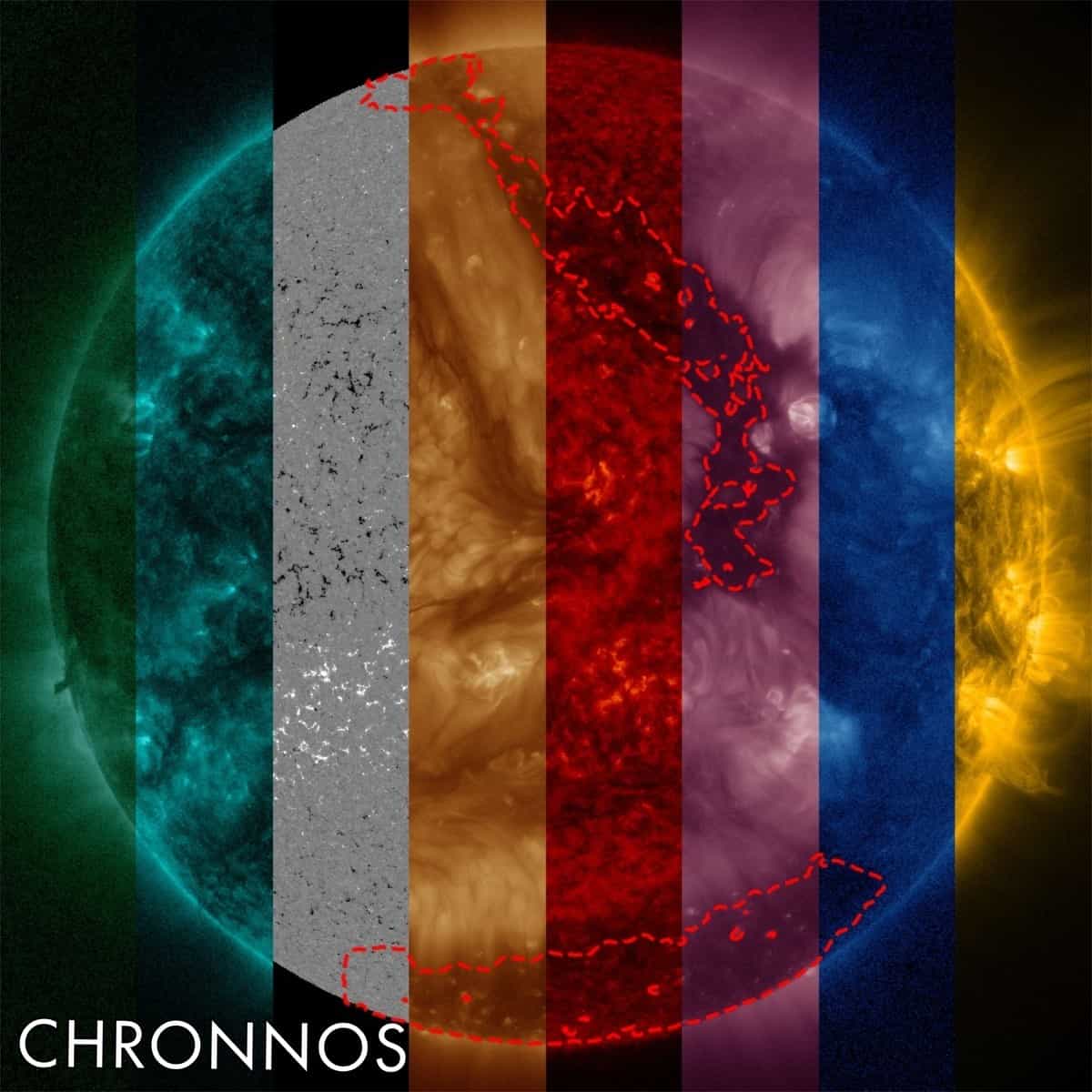
CHRONNOS square

Artificial intelligence can be used to detect coronal holes in the Sun’s upper atmosphere, an international research team has shown. Robert Jarolim at the University of Graz in Austria, Tatiana Podladchikova at Skoltech in Russia and colleagues have demonstrated a strong agreement between the holes identified by their convolutional neural network, and those picked up manually by astronomers. The system could lead to more reliable forecasting of disruptive space weather and an improved understanding of the Sun’s complex evolution.

When observed at extreme ultraviolet (EUV) wavelengths, holes can appear in the Sun’s corona – its upper atmosphere. These holes are cooler and less dense than surrounding material in the corona and comprise many smaller-scale magnetic funnels. These funnels are rooted deeper in the Sun, in the star’s light-radiating photosphere, and they extend far into interplanetary space. Along these magnetic field lines, solar plasma is rapidly accelerated away from the Sun, producing high-speed solar wind that can trigger powerful geomagnetic storms as they interact with Earth’s magnetosphere.

Currently, the shapes, sizes, and locations of coronal holes must be identified manually in EUV images gathered by space-based telescopes. This is a challenging process, both due to strong variations in the corona’s brightness throughout the Sun’s 11-year activity cycle, and because coronal holes can be difficult to differentiate from other dark features such as solar filaments.

Real-time maps

To address these shortcomings, Jarolim’s team developed a new artificial neural network called CHRONNOS, which can be trained to recognize the boundaries of coronal holes within images taken at several different EUV wavelengths. In addition, it can pick out the structures from real-time maps of the Sun’s magnetic field. By comparing these images, the artificial intelligence algorithm can then identify the boundaries of coronal holes by their intensities, shapes, and magnetic field properties.

After training the neural network, the team used it to study 1700 EUV and magnetic field images of the Sun, taken by NASA’s Solar Dynamics Observatory between November 2010 and December 2016. Out of the 261 coronal holes identified manually by astronomers in the images, CHRONNOS picked up 256 – a 98.1% success rate. In addition, while the neural network performed best when the information from all EUV and magnetic images was combined, coronal holes could also be identified from magnetic field maps alone – which are far more difficult for humans to analyse.

The results showed that CHRONNOS could provide reliable detections of coronal holes, regardless of the level of solar activity. Over shorter timescales of days and weeks, the model even exceeded human performance in its consistency and reliability. Through future improvements, Jarolim’s team hope that their model could soon provide organizations that manage electrical and telecoms infrastructure with better warnings of damaging geomagnetic storms. CHRONNOS could also help astronomers to learn more about the long-term evolution of the Sun’s complex and ever-dynamic magnetic field.

The research is described in a paper to be published in Astronomy and Astrophysics and the video below is an animated representation of coronal holes detected by the system in solar observations taken over a period of almost 11 years.

Microfluidic platform generates realistic cardiac tissue

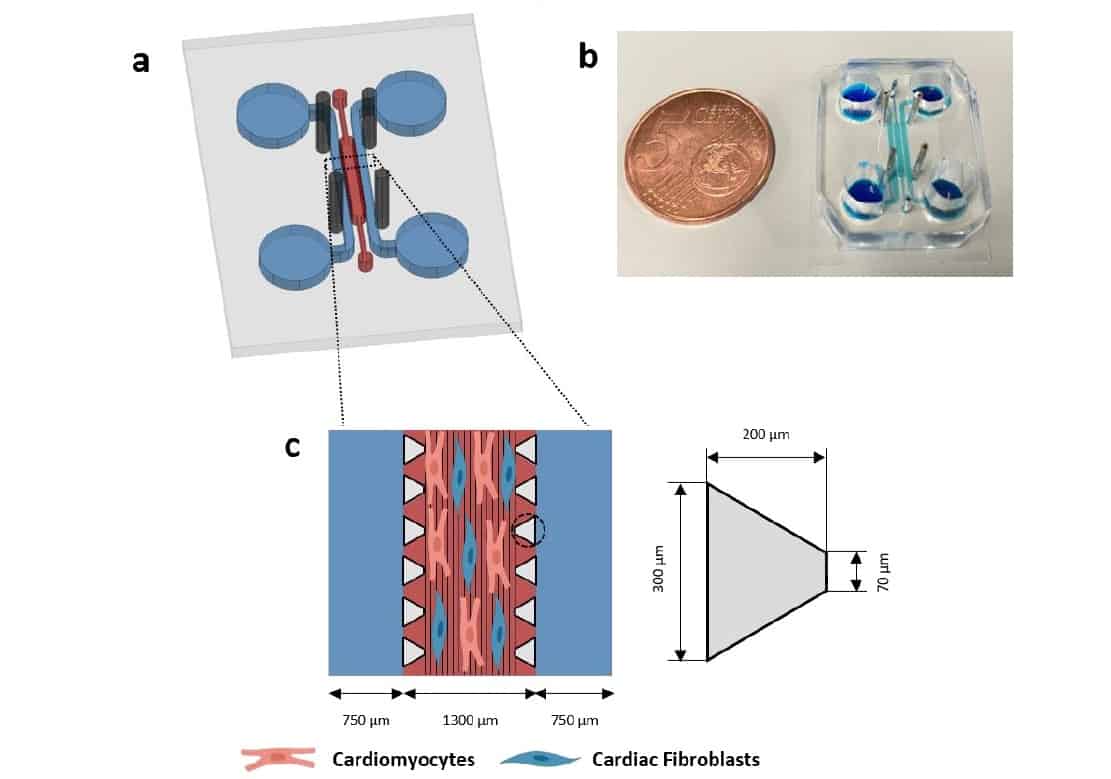
The microfluidic device

Researchers in Spain have created a microfluidic cell culture platform that can generate highly realistic 2D cardiac tissue. The cost-effective, easy-to-use platform, based on electrospun nanofibres and electric stimulation, could prove invaluable to the cardiac research community for studies of heart disease and preclinical drug testing.

Cardiac muscle is a highly specialized tissue in which electrical signals are translated into synchronized fibre contractions that result in heart pumping. Creating realistic cardiac tissue in vitro is limited by difficulties in replicating the high level of organization and functional properties of adult cardiac tissues, in part due to the immaturity of the cells used in existing models.

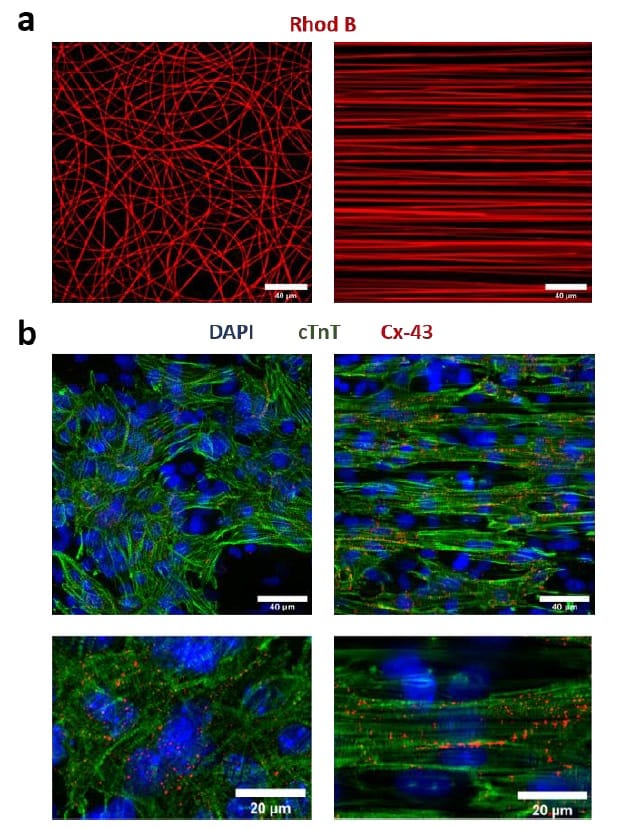
To overcome these obstacles, the team – headed up at the Institute for Bioengineering of Catalonia and the University of Barcelona – used electrospinning to deposit nanofibrous scaffolds on thin coverslips. This approach enabled the researchers to tailor the fibre architecture (orientation, composition, thickness and density) to resemble that of the heart’s extracellular matrix and provide spatial cues to guide cardiac assembly in vitro.

IBEC research group

“We have proposed a microfluidic device that allows us to reproduce some of the main characteristics of cardiac tissues,” says first author Adrián López-Canosa. “One of the most relevant is its high level of anisotropy, which means that the tissue is highly aligned in one particular direction. This was achieved by patterning the substrate of our device with aligned nanofibres.”

After patterning with electrospun nanofibres, the team bonded the coverslips to a silicone microfluidic device to create a 1300 x 8800 x 150 μm cell culture chamber. The device also incorporates two media channels and four holes to hold rod-shaped electrodes to stimulate the cells. This electrical stimulation is essential for maturation and organization of cardiac cells.

“It is unfeasible to obtain adequate cell numbers directly from adult donors, so the most common approach is to use cells from neonatal animal hearts or human pluripotent stem cells,” López-Canosa explains. “However, these cells are in a highly immature state, so implementing strategies to drive their maturation is paramount.”

Tissue growth

Optimal stimulation of cardiac cells requires a uniform electric field of 5 V/cm, 2 ms duration and 1 Hz frequency, to mimic the electrical impulses in murine native myocardium. López-Canosa and colleagues first developed a computational model of the platform’s electric field to determine whether it could meet these requirements.

They found that that the inexpensive rod-shaped electrodes could generate comparable electric fields to gold-standard planar electrodes with similar input voltages. Placing the electrodes tangential to the media channels and aligned with the cell chamber inlets gave the best trade-off between design simplicity and maximizing field strength in the chamber. Comparisons between the simulated voltage curve and experimental measurements revealed an excellent match between the two.

Electrospun fibres and cardiomyocytes

The researchers then validated the platform’s ability to grow cardiac tissue, using a co-culture of neonatal mouse cardiomyocytes (heart muscle cells) and cardiac fibroblasts (which produce connective tissue). They seeded the cells in the microfluidic device and evaluated the tissue after seven days in culture, including five days under electrical stimulation.

In platforms containing randomly deposited fibres, the distribution of cardiomyocyte contractile proteins was completely isotropic. A substrate of aligned fibres, on the other hand, yielded highly anisotropic cardiac tissues, with cells polarized in the direction of the nanofibres. The cardiomyocytes formed confluent cell monolayers that were capable of spontaneous contraction.

To assess the impact of electrical stimulation on the cardiac constructs, the team examined the development of gap junctions, which enable electrical signals to propagate across cardiac tissue and activate contraction. Immunofluorescence analyses revealed a moderate but significant increase in connexin-43 (the major gap junction protein in heart tissue) in stimulated tissue compared with unstimulated controls. They also observed increased expression of key cardiac genes related to contractile and conductive properties in the electrically stimulated samples.

The researchers conclude that their microfluidic system can generate highly biomimetic 2D cardiac tissue by combining topographical cues and electrical stimulation more simply and efficiently than previous platforms. Next, they plan to incorporate a system that generates oxygen gradients into the device.

“Moreover, we intend to make the platform 3D to achieve a higher degree of physiological mimicry,” says López-Canosa. “This will allow us to artificially mimic a myocardial infarction event, which would greatly benefit the field of cardiovascular research, as there is a clear lack of adequate models to study this disease.”

The researchers report their findings in Biofabrication.

ProKnow’s cloud-based architecture centralizes radiotherapy data while opening up user access

The convergence of big-data analytics with secure and scalable cloud-based data storage presents an inflection point in radiation oncology – an opportunity to reimagine operational best practice in the planning, delivery and management of radiation therapy while personalizing cancer treatment to meet the clinical needs of individual patients. It’s a compelling vision, one that sits front-and-centre within Elekta’s technology roadmap and – more specifically – informs the development of ProKnow, a suite of cloud-based software tools that enables radiation oncology clinics – and, more broadly, regional and international oncology networks – to aggregate, structure and interrogate their diverse, and previously fragmented, data stores.

Think consolidated data warehousing – at terabyte scale and beyond. Think geographically distributed access to that data warehouse via a simple web-based user interface. In this way, ProKnow allows clinical teams to retrieve and analyse patient DICOM data along a range of coordinates – imaging, planning, treatment modality and delivery system – and share those data sets with colleagues across departments and in other treatment centres. Think remote, collaborative, always-on data access. “Those collective data streams create a cloud-based knowledge repository that oncology teams can mine for clinical insights – trends, relationships, outliers, significance – to support innovation and continuous improvement in patient care,” says Ben Nelms, founder of ProKnow and adviser to Elekta on the ProKnow development programme.

Underpinning it all, given the cloud-based architecture of ProKnow, is bulletproof cybersecurity, with all patient data encrypted in transit and at rest in a fully HIPAA-compliant environment (ensuring the privacy and integrity of sensitive patient information). In terms of user access, for example, ProKnow supports multifactor authentication, as well as single sign-on for institutions that have established their own federated user authentication. “ProKnow is as secure as online banking – if not more secure,” claims Nelms, “so that accredited clinical users can log on and authenticate from anywhere as long as they have a WiFi connection.”

Clinical innovation

Operationally, it’s clear that collaboration and peer review are hard-wired into the ProKnow value proposition. After all, this is a software platform designed to harness the collective domain knowledge and expertise scattered across multiple clinical departments and multiple treatment centres. That means clinicians, physicists, dosimetrists and other experts are able to evaluate critical anatomy contouring, treatment design and plan quality as team activities – sharing the load and distributing tasks as needed.

Ben Nelms

“By centralizing data and opening up access, specialists are now accessible across geographically distributed ProKnow clinics,” explains Nelms. “In short, there’s no reason why clinical experts in, say, hypofractionated radiotherapy for lung cancer or MR-Linac treatment of pelvic malignancies should be constrained to a single hospital.”

In the short term, ProKnow can help the radiation oncology team create a unified framework for treatment planning, driving standardization and best practice across collaborating treatment facilities. It is possible to take a single patient plan – for example, a stereotactic radiosurgery (SRS) treatment for a complex cranial indication – and benchmark against a repository of previous similar cases using a range of predefined metrics such as dose coverage, tissue sparing, dose-volume histogram (DVH) and planning times. “Users can customize these critical metrics and their clinical objectives into scorecards, then extract for individual patients as well as across populations,” says Nelms. “From here, clinicians are able to rate the current patient’s plan quality and address any unwanted variations.”

Subsequently, those scorecards can be shared across treatment centres to give planners a standardized baseline from which to develop individualized treatment plans on a patient-by-patient basis. The emphasis on standardization extends to atlases of best-practice organ contouring, region-of-interest nomenclature and peer-review task management. During routine plan review, for example, a clinician might be concerned by a seemingly high mean dose to the brain stem. “With ProKnow,” says Nelms, “it’s a straightforward exercise to review similar patient treatment plans over a defined timeframe, calling up relevant histograms and scatter plots to allow comparison and iteration.”

It’s all about outcomes

Another innovative feature of ProKnow is the ease with which patients can be assigned into one or more cohorts. These user-defined populations of similar patients enable clinicians to track treatment efficacy and outcomes over time. In other words, ProKnow is shaping up as a core platform technology for individual clinics – as well as multicentre cancer networks – to conduct their own clinical trials using data they’re generating as part of the day-to-day treatment workflow.

“When users centralize data, they’re effectively building up a powerful asset that they can learn from,” says Nelms. “It’s all about mining the data to figure out what’s working best in terms of patient outcomes and workflow efficiency.” A case in point is the clinical roll-out and validation of machine-learning technologies for autosegmentation and automated treatment planning, with ProKnow facilitating “analysis-of-variance” comparisons with prior patient cohorts based on manual contouring and planning.

It’s similarly straightforward to integrate custom metrics not found in the patient DICOM data – including measures of success or toxicity as well as variables such as drug regimens, genetic factors, immobilization techniques and image-guidance technologies. “With this multichannel data aggregation,” says Nelms, “users can continually look for statistical relationships between patient outcomes and DVH and dose-based metrics as well as other predictive factors.”

Copyright © 2026 by IOP Publishing Ltd and individual contributors