Automated system offers fast, reliable malaria screening

Counting malaria parasites

Malaria — a life-threatening disease and a serious global health problem — is caused by parasites transmitted by female Anopheles mosquitoes. The initial symptoms, such as fever, chills and headache, are not specifically associated with malaria, making accurate detection of malaria parasites important for diagnosis and treatment. Currently, however, diagnosis is often performed by visual analysis of blood slides for parasites — making its accuracy dependent upon the experience of the examiner.

Aiming to ease the intensive manual diagnosis process and improve its accuracy, a research collaboration from the USA, Thailand, India and the UK is developing an automated detection system for identifying and quantifying malaria parasites. The system provides reliable and standardized interpretation of blood films, as well as lowering diagnostic costs by reducing the required workload (J. Med. Imaging 10.1117/1.JMI.5.4.044506).

Malaria parasite detection system

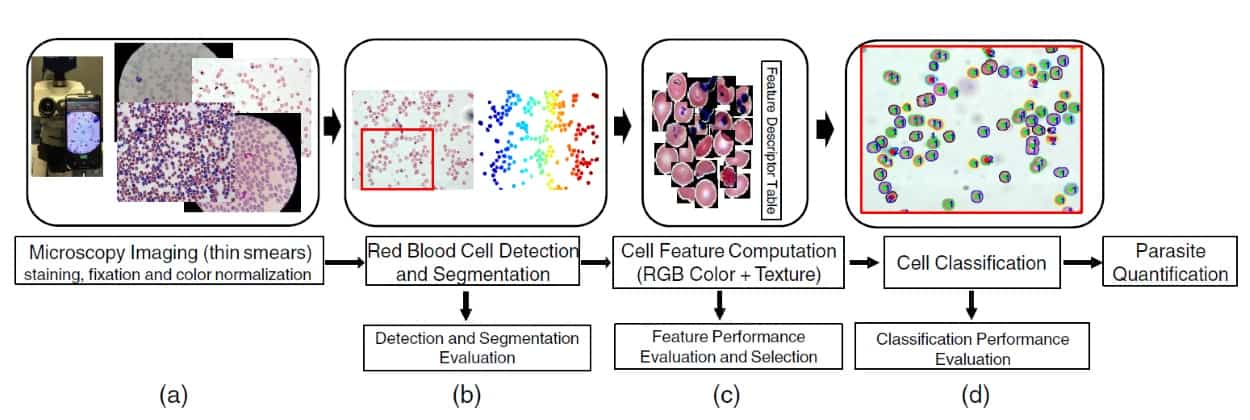
The automated system employs four main steps to detect the malaria parasite:

  • Blood slides are prepared using staining and fixation; digitized images are then acquired using a standard light microscope and a top-mounted camera.
  • A computerized technique detects and segments the red blood cells in the blood smear.
  • The computerized technique characterizes the segmented red blood cells.
  • Classification methods distinguish between infected and uninfected cells.

Despite unavoidable difficulties such as low image contrast, cell staining variations, uneven illumination, shape diversities, size differences and texture complexities during the detection and segmentation processes, the system can process about 100 cells/second. This means that it takes 20 seconds to examine around 2000 cells — a number that would take a specialized examiner between 10 and 15 minutes to assess.

The system characterizes segmented cells by colour (the red–green–blue model is suitable for determining the typical colour information of stained parasites) and by texture, to obtain information about changes in the appearance of the parasite during the different stages of its life.

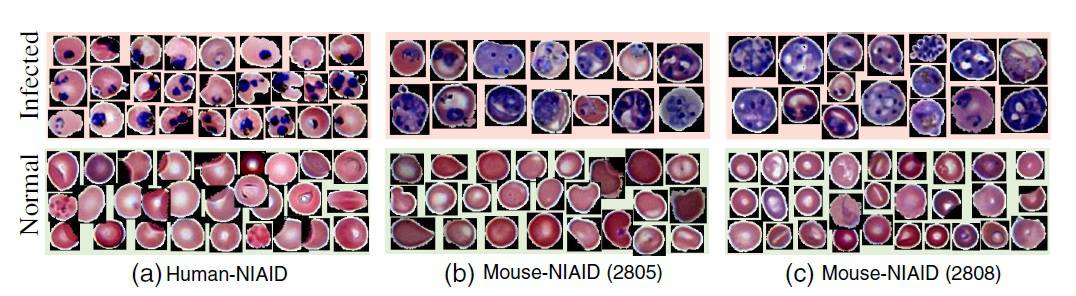
Infected and normal cells

Then, it uses classifiers such as SVM (support vector machine) and ANN (artificial neural network) to determine which cells are infected and which are not. To quantify the malaria infection, the system computes the infection ratio: the number of infected cells divided by the total number of cells.

The researchers tested the automated system on human and mouse blood cells. They observed an absolute error of 1.18% between the actual infection ratio and the automatically computed infection ratio for human cells. For mouse cells, the automatic count correlated well with an expert examiner’s counts and with flow cytometry (used only for mouse cells).

This study presents the first robust system for automated detection of malaria infection in blood slide images from both humans and mice. The authors note that, importantly, the system could be implemented as a standalone smartphone app that’s well-suited for resource-poor malaria-prone regions.

US demand for food dries out Mexico

The US imports 15% of its food, much of it from Mexico. Now a study shows that America’s appetite for fresh salad, winter strawberries and the like is resulting in parched aquifers, dry rivers and salty soil across large swathes of Mexico.

The border between the US and Mexico crosses 3200 km of arid and semi-arid landscape. Droughts are common and tough shrubs and grasses dominate. But there are also regions where the soil is good and if it’s irrigated, crops will readily grow in the sub-tropical climate.

In 1994 the US, Canada and Mexico signed the North America Free Trade Agreement, creating a trilateral trade bloc. As a result, agricultural and urban development flourished along both sides of the US/Mexico border. This vigorous trade has been good for the economy, but what impact has it had on the environment?

To find out, Theodore Bohn from Arizona State University, US, and colleagues examined how land and water use along the border changed between 1992 — two years before the agreement — and 2011. They employed land-cover maps, a hydrology and irrigation model, meteorological data, agricultural production statistics and urban water demand data to build up a detailed picture.

In the southern US, urban expansion has been the dominant trend, Bohn and his colleagues show. An extra 16,000 sq. km of urban sprawl – a 24% increase — emerged between 1992 and 2011, particularly around the cities of Phoenix, Dallas, Houston and Los Angeles. Cropland also expanded but the growth is mostly cancelled out by crop-to-urban-land conversion, resulting in a net increase of just 1800 sq. km, some 1%. That means demand for agricultural irrigation in the southern US fell; the net fall in water demand for this region was 5%.

Mexico, in contrast, has seen a 14% increase in cropland, or 18,000 sq. km. Demand for water from both urban areas and agricultural irrigation rose, resulting in a net increase in demand of 16%.

Given that the US imports half its fruit and one-fifth of its fresh vegetables, and that Mexico provides 44% of these fruit and veg imports, it’s clear that a virtual trade in water is occurring and that the southern US is responsible for a significant portion of the increased water demand in Mexico.

Due to the arid and semi-arid climate in Mexico, these changes have not been sustainable, resulting in widespread aquifer depletion and saltwater intrusion, plus reduced river flow and failure to meet transboundary reservoir agreements.

When the North America Free Trade Agreement was signed there was recognition that there would be environmental impacts. Environmental regulations were already in place but clearly these didn’t do enough to protect water and land resources in this region.

“There needs to be co-ordination across enforcement agencies and more funding to improve infrastructure and monitor land and water resources,” says Bohn, who published the study in Environmental Research Letters (ERL).

Bohn and colleagues hope that their findings will help raise awareness of the issue amongst consumers, traders and policy makers, and that ultimately recognition of the problem will trigger international co-operation to tackle it.

Dark matter could be detected by firing microwaves into space

A powerful beam of microwaves could be fired into space to detect hypothetical dark-matter particles called axions. That is the proposal of Pierre Sikivie and Ariel Arza at the University of Florida, who hope to record a faint microwave “echo” from the dark matter thought to exist at higher concentrations in certain regions of the Milky Way.

Axions were postulated in the 1970s to overcome a problem with the strong nuclear force, but it was later realized that they could in fact make up much of the universe’s dark matter. Unlike some other dark-matter candidates, axions have unusually well-defined properties including a mass no smaller than about a millionth of an electronvolt (eV) – to make them compatible with the observed abundance of dark matter – and no larger than about 10-3 eV, given that experiments with inferior sensitivities have not discovered them.

Physicists have already tried to detect the pairs of photons that axions are predicted to decay into. One of the leading groups is the Axion Dark Matter Experiment (ADMX) at the University of Washington in Seattle. Led by Leslie Rosenberg, it uses an antenna sensitive to microwave photons at the energy of axions with a certain mass.

Like ADMX, Sikivie and Arza’s proposal boosts sensitivity to dark matter by using photons at the right frequency to stimulate axion decay. However, while ADMX goes after axions close to the apparatus – using virtual photons generated by a strong magnet surrounding a microwave cavity – the new idea involves directing a powerful beam of microwaves up from the Earth and then detecting the very few photons travelling back along the beam path following the decay of axions in space.

Caustic rings

The proposal relies on certain assumptions about the type of dark matter “halo” thought to envelop our galaxy. Most astrophysicists assume that the halo is thermal, which means that particles of dark matter drawn in from outside interact with the particles already there, maximizing entropy and yield a halo of uniform temperature. Instead, Sikivie and Arza reckon that the infalling particles interact too slowly to reach thermal equilibrium and generate flows of dark matter with well-defined velocities. In turn, those flows would yield higher density regions of dark matter known as caustic rings.

As Sikivie explains, the frequency of the microwave beam would have to be adjusted slightly to account for the Doppler shift of the moving axions. So a smaller spread of axion velocities would increase the detection rate for a beam of a given frequency. The existence of caustic rings, meanwhile, would boost the density of axions in the line of sight, assuming the beam is pointed at the right spot on the sky.

Sikivie is confident that his astrophysics is correct, arguing that satellite observations support the idea that Earth is close to one of the Milky Way’s caustic rings – a crucial factor in determining detection sensitivities. He has yet to sketch out his scheme in detail but says one option would be to fire microwaves from perhaps 100 small dishes arranged around a much larger, existing, receiver, such as the Green Bank Telescope in West Virginia or the Lovell Telescope in the UK. As he points out, the Doppler shift comes in handy here as it would in principle mean being able to pick out the echo – at a miniscule 10-21 W – from the vastly more powerful outgoing beam.

Sikivie argues that such an experiment could target a much wider range of frequencies, and therefore axion masses, than ADMX. If the axion does exist and does constitute dark matter, he claims, the experiment “would have an excellent chance of finding it”.

Astronomical electricity bill

Sikivie cautions that, unlike ADMX, the new scheme only exists “on paper” and that it remains to be seen how much it would cost. Electricity consumption alone could amount to $100m, he says, assuming that 10 MW-years of energy is needed for every doubling in frequency (at $1 per watt-year). But he says that this estimate is quite sensitive to assumptions about the nature of galactic dark matter and could be as low as $5m.

Rosenberg is enthusiastic about the proposal. “I don’t think there’s much question that this is sensible,” he says, regarding the basic principle of axion echo generation. But he considers the astrophysical analysis to be “more speculative”, although still potentially correct. And he argues that neither radar facilities nor astronomical observatories are set up to carry out such a search – the former lacking suitable low-noise receivers while the latter typically don’t fire beams into space.

Axel Lindner, who studies dark matter at DESY in Germany, is more upbeat on this point. He says that the new proposal “basically rests on existing technologies”, arguing that it could in fact “be realized rather quickly” if someone sketched out a more concrete plan.

The proposal is described in a preprint on the arXiv server.

Explore exoplanets through multimedia tours, astronomy outreach through vibrations, and a professor gains knighthood

We have all probably wondered what other planets throughout the cosmos might look like. Now NASA’s Exoplanet Exploration Program (ExEP) lets you visualize each of the almost 4000 discovered planets outside the Solar System. There are not any actual photos of these exoplanets, but what little is known about them has been used to create a 3D multimedia speculative image for each one.

For some of those other worlds, ExEP’s Exoplanet Travel Bureau takes you on an immersive experience – a 360-degree panorama from the planet’s surface as scientists imagine it. NASA has also released a series of vintage travel posters for each of these planets, including 55 Cancri e – a world thought to be covered by an ocean of lava, and Kepler-16b – the first exoplanet discovered orbiting two stars.

The Vibrating Universe is a new astronomy outreach workshop created by the University of California, Riverside and the California School for the Deaf. It is aimed at those who suffer from hearing loss, numbering round 360 million worldwide and who are often overlooked when scientific outreach activities are designed.

The workshop uses the School’s on-site sound lab to turn the sounds from low-frequency cosmic phenomena into tangible vibrations that can be felt. The experience is made complete with the breathtaking imagery of outer space and takes students on a voyage taking off in a rocket from Earth, through a solar storm, and all the way to witnessing a supernova explosion.

At a ceremony in Buckingham Palace on 31 January James Hough from the University of Glasgow was knighted in recognition of his contribution to physics and astronomy. This has been the latest in a wide array of awards that both Hough and his colleagues have received since their contribution to the detection of gravitational waves back in 2015. Last year, for example, Hough was bestowed the Royal Astronomical Society’s highest honour – the Gold Medal.

Hough plays a key role in the LIGO experiment, which detected gravitational waves for the first time. You can read more about this discovery in this Physics World research update from early 2016.

Textile gates infrared radiation to keep cool

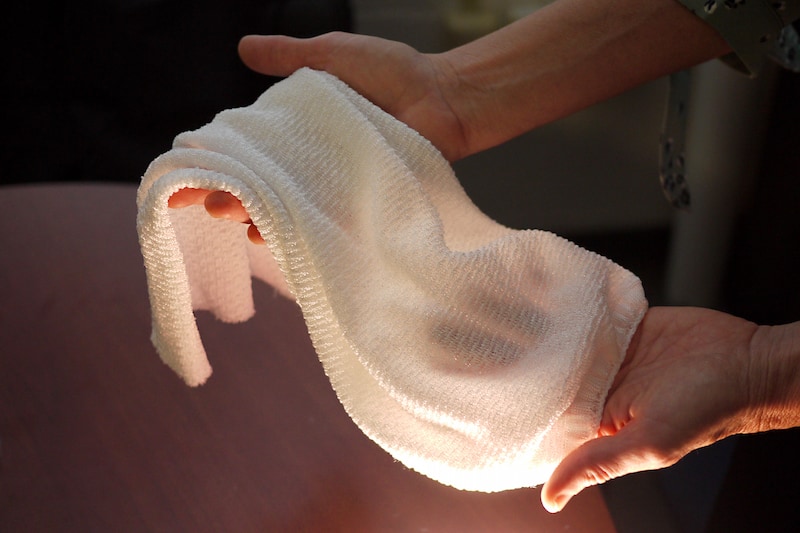
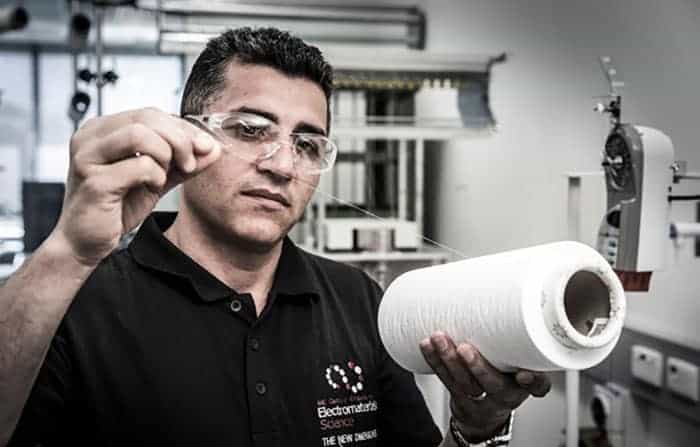
A new textile made from infrared sensitive yarn coated with a thin layer of carbon nanotubes self-regulates its thermal properties depending on how hot or cold the wearer is. While the design and performance of the technology still needs to be optimized, the materials making up the fabric are readily available and the nanotubes can easily be added to the yarn during standard dyeing processes at little additional cost.

Many animals have evolved to efficiently manipulate infrared radiation for heating up and cooling down. Saharan silver ants, for example, dissipate excess heat thanks to triangular shaped hairs that can reflect near-IR rays depending on the position of the Sun. Things are different for humans – our bodies absorb and lose heat mainly through IR radiation with a wavelength of 10 microns. Unfortunately, neither our skin or even the most sophisticated of textiles made so far can control this wavelength channel in real time to regulate heating and cooling.

Fluffy textile

A team of researchers led by Min Ouyang and YuHuang Wang of the University of Maryland in the US has now designed a new IR-adaptive textile made from triacetate and cellulose bimorph fibres coated with a thin layer of conducting few-walled carbon nanotubes (CNTs) that can do just this. The yarn making up the textile is fluffy with large distances between the fibres.

The two fibres in the textile both repel and attract water, so they warp and collapse into a tight bundle when placed in a hot and humid environment (such as that around a person sweating), explains Ouyang. This distortion, or actuation, brings the strands of the fibre yarns closer together, which induces resonant electromagnetic coupling between the CNTs in the fibre coating. This coupling shifts the textile’s effectiveness in emitting energy as thermal radiation (its emissivity) so that it spectrally overlaps with that of skin. This effectively enhances heat exchange with the human body to dissipate heat.

Cool textile

In contrast, when the textile is cold or dry, the reverse effect occurs: the fibres expand and reduce heat dissipation, keeping the wearer warm.

Almost instant reaction

The fabric either blocks IR radiation or allows it to pass through depending on how the electromagnetic interactions are tuned, or gated. “The reaction is almost instant, so before the wearer realizes they’re getting hot the garment could already be cooling them down. Conversely, as the body cools down, the dynamic works in reverse to trap in heat.

“Until now, the only way to regulate the heat radiator that is the human body was to put on or take clothes off,” he adds. “Our work is the first to incorporate fundamental physics into textile technology to make a fabric that is a truly bidirectional regulator of thermal radiation.”

The research, which is detailed in Science 10.1126/science.aau1217, could help the textile industry change the way it thinks when looking to improve the functionality of fabric and clothing, he tells Physics World. “While we would still like to optimize the design and performance of our technology, the materials we employed in our yarn are readily available already.”

‘Dismay’ as cuts hit major UK PhD training programme

A leading programme to train PhD students in the UK has come under fire after many top-rated centres were told that they will not receive any further money. According to a Physics World investigation, the Centres for Doctoral Training (CDT) programme — funded by the UK’s Engineering and Physical Sciences Research Council (EPSRC) — will see around two-thirds of its top-performing hubs being axed. Researchers running centres that have not been renewed say they have also not been told why — despite in some cases receiving top marks during the selection process.

The CDTs are funded by each of the major research councils in the UK that belong to UK Research and Innovation (UKRI). Designed to give students a broader perspective than a traditional UK PhD, each CDT is based at either a single university or shared across multiple institutions. Around 15 students in each “cohort” are funded in a specific research area over a three- or four-year period. CDT students begin taking courses and may carry out two short research projects, which can also be done in industry, before choosing which to continue for a PhD project.

EPSRC’s CDT programme began in 2009 when it funded 59 centres over a four-year period. Following a positive evaluation carried out by EPSRC in 2011, the funding body’s council decided to renew the programme and in 2013 expanded the number of CDTs to 115 based at 40 universities, which led to over 7000 students being trained. A total of £950m was spend on this second round, of which £500m came from EPSRC and £450m from industry partners that included firms such as BP, IBM and Rolls Royce. From 2011, the CDT programme has also been adopted by other UK funding councils such as the Economic and Social Research Council and the Medical Research Council.

We were dismayed to find that we failed with a CDT proposition that had a successful mid-term review score as well as a very strong peer review of the proposal

Paul Conway

In 2017, EPSRC carried out a mid-term review of its 115 centres, which was chaired by Mark Smith, a physicist who is vice-chancellor of Lancaster University. When announcing the results in August that year, EPSRC noted that the CDT scheme was bringing “together diverse areas of expertise to equip engineers and scientists with the skills, knowledge and confidence to tackle current and future challenges”, adding that it is “setting the gold standard for cohort-based doctoral training in the UK”.

However, EPSRC did not initially release the ratings it gave each centre, only doing so following a freedom of information request made last year. That request revealed that EPSRC gave each CDT a score between 1 and 4, with 44 centres receiving a 4, meaning they were rated “good”. However,  nearly two-thirds of CDTs were given a score of 3 (“good/satisfactory”) or lower, with 19 CDTs receiving the bottom mark (1), which resulted in the CDT’s principal investigator being called in for an interview to consider whether it would be continued.

Early last year, EPSRC then announced a call for proposals for CDTs to be funded between 2019 and 2024. On 4 February, it revealed that 75 centres based at 31 universities had been successful, which will result in around 4600 students being trained. With a total fund of £830m, EPSRC called the new programme “one of the UK’s most significant investments in research skills”, but it in fact represents a cut of almost 20% in real terms compared to the 2013 programme. Of the £830m, some £446m will come from EPSRC with rest from industry.

Selection process

According to a Physics World analysis, a total of 80 of the 115 centres funded last time will not be further supported. Only 35 of the 2013 CDTs have been renewed with the remainder being entirely new centres. EPRSC claims, however, that around 40 — or 53% — of 2019 CDTs will “build upon a previous EPSRC CDT investment”. Yet this still means that most universities will see severe cuts to the number of EPSRC-funded CDTs. Imperial College London, for example, lost half of its 12 centres. Meanwhile, some institutions – notably the universities of Exeter, Leicester, Loughborough and Southampton — now have none at all.

Concerns have also been raised about the lack of correlation between the results of the mid-term assessment and CDT renewal. For example, only 16 out of 44 of CDTs rated “good” were retained by EPSRC. Among the 28 good performers that were axed were several at the University of Warwick, which from 2013 had five CDTs (as well as a further CDT co-sponsored with the University of Oxford) funded with £20m. In the mid-term review, four were given top marks and the other rated 3, but only the Mathematics for Real-World Systems (MathSys) CDT (rated 4) was renewed with £4.6m (compared to £3.7m in 2013). Meanwhile, a new CDT — Centre for Doctoral Training in Modelling of Heterogeneous Systems (HetSys) — was awarded £5.5m.

New and existing CDTs were treated equally with the same assessment criteria to ensure a level playing field

EPSRC spokesperson

“We are very pleased and proud to receive funding to continue our successful MathSys CDT and to establish [HetSys],” a spokesperson for Warwick University told Physics World, adding that “a number of” Warwick CDTs had reached the “final-stage interview process” towards selection. He adds that Warwick is committed to supporting “a range of Warwick CDTs” alongside the two EPSRC-supported ones. This, he says, will “provide a strong and widespread doctoral training across the breadth of our sciences in collaboration with our industrial partners”. Yet the spokesperson declined to say why those that were awarded a “good” rating failed to be funded further.

Highly competitive exercise

Another top-rated CDT that will not be funded for new students from 2019 onwards is the CDT in Embedded Intelligence at Loughborough University. As well as receiving a grade 4 in the mid-term review, it also got given “strong” feedback during peer-review in the proposal process. However, Paul Conway, who is director of the CDT, told Physics World that he has not been given any feedback on the result. “We were dismayed to find that we failed with a CDT proposition that had a successful mid-term review score as well as a very strong peer review of the proposal, international endorsement and healthy student recruitment numbers,” he says. Conway adds that his team had been told to expect feedback in mid-to-late January, but that they are still waiting, adding that he has “expressed his concerns” to EPSRC over the running of the process.

Other discontinued CDTs that have been contacted by Physics World also confirmed that they were not informed why their centre would be not receiving funding. This has caused some to speculate that EPSRC wanted to consolidate the CDT programme to a smaller number of institutions or perhaps fund strategic areas of research at a detriment to those that were performing well. For example, while the CDT in Delivering Quantum Technologies at University College London received a 1 in the mid-term assessment, it was still renewed. The bottom-rated CDT in Sensor Technologies for a Healthy and Sustainable Future at Cambridge University, has been renewed too.

However, EPSRC denies any such assertion. “New and existing CDTs were treated equally with the same assessment criteria to ensure a level playing field for new and existing centres and encourage applications for centres in new areas,” a spokesperson for EPRSC told Physics World. “Decisions on which centres to fund were taken using robust peer review in a highly competitive exercise.” EPSRC says that they will be informing unsuccessful centres “shortly” adding that an “exercise of this scale takes a little while to complete”.

EPSRC also denies that there will be cuts to the new CDT programme claiming that overall support for CDTs has in fact grown given that UKRI will provide an additional £100m for CDTs in artificial intelligence, some of which will “support doctoral training within EPSRC’s remit”. The council also states that additional funding of £212m from “academic partners” will take the spending by industry and university partners beyond 2013’s value of £450m. As to why there are fewer CDTs compared to 2013, EPSRC says that this is mainly due to increased PhD fees and stipends for students.


Nanoplates tag neuroblastoma to guide tumour surgery

Neuroblastoma is one of the most common cancers in children and requires surgical removal. During this surgery, there is an increased risk of damage to healthy tissue. Real-time imaging techniques are therefore required to discriminate between neuroblastoma lesions and non-cancerous tissue. However, current techniques do not allow real-time imaging, since the blood–brain barrier hinders the delivery of imaging agents.

With this in mind, researchers from the CAS Key Laboratory of Molecular Imaging, Institute of Automation, Chinese Academy of Sciences have developed gadolinium oxide nanoplates conjugated with rabies virus glycoprotein (RVG) peptide that can target neuroblastoma cells. The project aims to circumvent the limitations of current imaging techniques and assist in both the detection and surgical excision of neuroblastoma tumours (Acta Biomater. 10.1016/j.actbio.2019.01.042).

Nanoplates cross the blood–brain barrier

The nano-structures contain three main elements, each one with its own function. First, the triangular nanoplates act as a carrier and are small enough to penetrate the brain capillaries. The modified RVG peptide then enables infiltration through the blood–brain barrier and promotes uptake by neuroblastoma cells. Lastly, the nanoplates also include a fluorogenic dye, which allows their detection using real-time fluorescent imaging. Once fabricated, the researchers also demonstrated that the nanoplates were not cytotoxic and were stable over 30 days, making their storage possible.

Nanoplates

To demonstrate the potential of these nanoplates, the researchers injected them in mice with induced neuroblastomas in the brain and under the skin. They then imaged the animals with both MRI — which detects the gadolinium oxide — and fluorescence imaging — which detects the fluorogenic dye, using nanoplates without RVG peptide as a control. The nanoplates with the RVG peptide attached produced two to three-fold higher intensity MRI and fluorescence signals in the tumours, proving the ability to precisely detect the tumour.

Taking it a step further, mice with brain neuroblastoma underwent surgery and the researchers used the nanoplates to image the brain with fluorescence imaging in real time. The system provided accurate tumour detection and guidance for excising the tumours, which increased the post-surgical survival of the animals from 0% to 80% after 40 days. The researchers further proved the precise tumour detection when analysing the brains with histology, where the tumour was accurately depicted.

A potential clinical system

The authors believe that these nanoplates could be used in humans to guide neuroblastoma excision surgery, improving the outcomes by reducing the damage to healthy tissue. This potential application is further supported by the nanoplates’ low cytotoxicity and targeting accuracy, meaning that this system could significantly improve diagnosis and treatment for neuroblastoma patients.

Food shocks increase as world warms

More than ever, the world’s ways of keeping hunger at bay are taking a pounding as food shocks become more frequent. Potatoes are being baked in heat waves. Corn is being parched by drought. Fruit is being bitten by frost.

And a long-term study suggests that for the world’s farmers and graziers, fishing crews and fish farmers, things will get worse as the world warms. Australian and US scientists report in the journal Nature Sustainability that they examined the incidence of what they call “food shocks” across 134 nations over a period of 53 years.

They found that some regions and some kinds of farming have suffered worse than others; that food production is vulnerable to volatile climate and weather changes; and that the dangers are increasing with time.

The researchers looked at cases of dramatic crop failure, harvest loss and fishing fleet failures between 1961 and 2013, as recorded by the UN Food and Agriculture Organisation and other sources, and then mapped shock frequency and co-occurrence.

In their database of 741 available time-series of food production, they found 226 cases of food shock: dramatic interruption of supply.

Hunger increases

Agriculture and livestock emerged as slightly more vulnerable to shock than fisheries and aquaculture. South Asia suffered most from crop damage or loss; the Caribbean for livestock, and Eastern Europe for fisheries; some of these regions were hard hit in more than one sector.

“The frequency of shocks has increased across all sectors at a global scale,” the authors report. “Increasing shock frequency is a food security concern in itself. Conflict-related shocks across sub-Saharan Africa and the Middle East since 2010, combined with adverse climate conditions, are responsible for the first uptick in global hunger in recent times.”

More than half of all shocks to food production were climate-related, and drought was the biggest factor. Extreme weather accounted for a quarter of shocks to livestock, and disease outbreaks another 10%, but the biggest single factor for pastoral farmers arose from geopolitical conflict and other crises.

Fisheries seemed better protected, and the worst shocks to fish landings could be traced to overfishing. Disruption to fish farming – a relatively new form of food production – has grown at a faster rate and to a higher level than in any other sector.

Climate scientists and agricultural researchers have been warning for years that food security is at hazard from global warming and climate change, both driven by profligate human use of fossil fuels and unthinking destruction of forests and natural grasslands and wetlands.

Heat extremes can harm cereal yields almost anywhere, but Africa and south-east Asia are particularly at risk from changes in precipitation patterns.

The latest study is a reminder that, in some ways, the future has already arrived: the forewarned rise in climate extremes such as floodheat and drought can be detected in the annual harvest tally around the globe.

And although a high percentage of the food supply damage can be linked to social conflict or political stress, climate change seems increasingly to be a factor in civil and international violence.

A new study for the UN security council – co-incidentally released on the same day – confirms the picture. Hunger and conflict are in a persistent and deadly partnership that threatens millions.

Mass famine

The number of food shocks fluctuates from year to year, the Nature Sustainability authors say. That is because factors such as social conflict and climate change can in synergy create a number of shocks across different sectors at different times. At least 22 of the 134 nations experienced shocks in many sectors over the same five-year time period.

In some cases, these shocks ended with more than just empty shelves. The collapse of the Soviet Union late in the last century removed some economic support from North Korea: subsequent floods precipitated a famine that killed 200,000 people.

Iraq’s invasion of Kuwait in 1991, and the subsequent Gulf War, devastated agricultural land and cost Kuwait’s commercial fishermen their livelihoods. Drought in Afghanistan in 2001 and 2002 decimated cereal yields, pastoralists lost fodder for their cattle and animal disease incidence soared.

“While the number of food shocks fluctuates from year to year, the long-term trend shows they are happening more often,” said Richard Cottrell of the University of Tasmania, who led the study.

“Globalized trade and the dependence of many countries on food imports mean that food shocks are a global problem, and the international community faces a significant challenge to build resilience.”

Interfacial fluid transport is the trick to better biomedical devices

Improved integrated implants and less invasive surgical techniques may be available thanks to work recently published in PNAS. Researchers in Paris have shed light on how the movement of water from hydrogel devices to tissues is key to achieving and controlling adhesion. The results provide insights into the role of interfacial transport in bioadhesion and hold promise for better strategies to fix devices to internal organs.

A huge number of implants and surgical devices are made from hydrogels, 3D polymeric networks capable of absorbing large amounts of water. These biocompatible materials not only make up implants, but are also used as protective layers, substrates for biosensors and platforms for drug delivery. For all of these applications the hydrogel must be fixed to soft and wet internal organs. This can be difficult. Bioadhesive surfaces are much preferred because mechanical fixing can damage both the device and the tissue. However, the extremely wet interface means that adhesion can also be tricky as surrounding biological fluid and constant vascular flow inhibits binding.

A sticking point

Laurent Corté and his team characterized the adhesion between animal livers and model hydrogel membranes by a peeling test to help understand the role of water transport in attaching devices. They found that the contact time, the amount of water already contained in the hydrogel and the hydration state of the tissue are all critical for adhesion. The group were able to identify two regimes. When the hydrogel is only in contact for a short time, is already extensively swollen with water or the tissue is drier, adhesion is low and liquid wets the interface (lubricated regime). However, after longer contact times, with a less extensively swollen hydrogel and hydrated tissues, solid binding occurs (adhesive regime).

Corté and his team determined that adhesion depends on whether the hydrogel can soak up all of the surrounding biological fluids. For example, in the liver this is blood and bile. The group were then able to devise a simple model for the transition between the lubricated and adhesive regimes.

If the hydrogel is not able to absorb all of the free water, this leaves a liquid film on the interface, preventing bonding between the two surfaces. However, when the hydrogel can absorb all of the free water, the interface is completely drained. This allows the crucial short-range interactions between the tissue and the hydrogel network to form.  At this point, the hydrogel can dehydrate the cells themselves at the surface of the tissue. The group liken the tissue as it starts to dehydrate to intrinsically sticky pressure-sensitive adhesives.

Corté and his team showed that this even holds true in vivo, where biological fluids are constantly being replenished, so that draining the interfacial fluid by the hydrogel is more difficult.

Improving adhesion

From these new insights the team were able to show improved bioadhesion using superabsorbent membranes capable of absorbing a lot of water and swelling quickly.

Furthermore, by identifying the huge improvement in adhesion by local dehydration of tissues, this work opens up the possibility of tailoring the fixing of hydrogel-based devices and implants. The researchers suggest that these insights could also be combined with existing binding approaches, opening routes for functional strategies. This could help to fine-tune strength and durability for specific applications and tissues. The team also suggest that these findings and predictions can be applied to many other internal organs.

Carbon fascination endures in nanoscience

As the International Year of the Periodic Table launched in Paris, France, last week, a celebration of the technology enabled by advances in nanoscience drew crowds to the Big Sight conference centre in Tokyo, Japan. Investigations of features at the nanoscale have brought new properties and behaviour to light for a number of elemental groups and classes, but the element with an incomparable track record of ceaseless reinventions is carbon.

Carbon future tech

As the element underpinning the whole of organic chemistry carbon never had humble claims. Exhibits and sessions at Nanotech 2019 spoke volumes about how research and development to exploit the flexibility, versatility and often cheaper processing of organic compounds is booming. Representatives at Kyushu University described how chemically engineered polymers were bringing solutions to organic LEDs and potentially organic lasing. While at a materials informatics session researchers from the National Institute of Advanced Industrial Science and Technology (AIST), Tohoku University, the Institute of Statistical Mathematics, Research Organization of Information and Systems, and Mitsubishi Chemical Corporation described algorithms for both large virtual chemical database machine learning and small database “transfer learning” to unearth polymer designs with desired property combinations.

The absence of prominent nanoscale features in many of the displays at Nanotech 2019 speaks volumes of how the term “Nanotech” is increasingly used more figuratively as synonymous with “next-generation technology”. The exhibit abounded with impressive demos, and from the company Carbon’s 3D printed trainers in collaboration with Adidas to the lignin based cars by the research consortium behind (SIP-Lignin), carbon played a role in many of the materials featured.

Tokyo Big Sight, Japan

Carbon in zero to three dimensions

At the other side of Big Sight in the 1&2DM conference the role of nanoscale features was very much in the foreground. As the homeland of Sumio Iijima – the scientist who discovered carbon nanotubes  (CNTs) in 1990, and who also opened the conference plenaries – Japan has cherished a strong government-funded research landscape in these one-dimensional rolls of honeycomb-shaped carbon lattice. Although preceded by the 1985 discovery of buckminster fullerene – football-shaped structures of carbon – the impressive electronic and mechanical properties of CNTs really catapulted nanocarbons into the eye of industry. Mauricio Terrones at Japan’s Shinshu University and the Pennsylvania State University in the US highlighted how their biocompatibility has also opened up opportunities for exploiting them in medical applications, such as viral filters for diagnosis.

Since the 2005 isolation of graphene – dubbed the “wonder material” for its array of electronic, optoelectronic and mechanical properties – interest  in 2D materials surged. However, what the closing plenaries at 1&2DM emphasised most was the developments taking place in multidimensional nanosystems.

Graphene is no stranger to industry and Byung-Hee Hong, at Seoul National University and Graphene Square, South Korea, and Stephan Roche at ICREA and ICN2 in Spain led attendees through some of the advantages the materials has offered for applications from mobile phones to treatments for Parkinson’s disease and osteoporosis. Improvements in fabrication mean that companies like Air Membrane (a spin out from Masatoshi Hasegawa’s group at AIST) are now able to offer production of electronic grade graphene, which has higher crystal quality requirements, at scales that are relevant to industry. But as Nobel laureate Kostya Novoselov told attendees as he described the moment when he and fellow laureate Andre Geim at Manchester University in the UK first isolated graphene, “The next important step was when we realized we could go from 2D back to 3D.” He went on to describe the tunable band electronic structures and tunnelling magnetic properties in 2D material superlattices, as well as recent work synthesizing zero-dimensional graphene dots in 2D hexagonal boron nitride (hBN), which might then be layered in a 3D superlattice. Stephan Roche later described the work as, “A new playground now – it’s beautiful.”

The next important step was when we realized we could go from 2D back to 3D

While a lot of research in 2D materials focuses on producing pristine crystals or crystals with regular defects to access their extraordinary properties, Barbaros Oezyilmaz at the National University of Singapore showed how amorphous 2D carbon structures with random bond lengths and angles also have interesting traits to explore. A researcher who works particularly closely with industry, Oezyilmaz told attendees, “Interacting with companies helps us define what we need but also pushes us in new research directions,” adding that the right collaboration is key. Perhaps as a result he was quick to pinpoint potential applications of amorphous 2D carbon such as exploiting their low-k dielectric properties in electronics, their chemical inertness in anti-oxidation coatings or their use in battery electrodes.

Efforts to exploit graphene in electronics has led to extensive research over the past 15 years into producing nanoribbons where the finite width gives rise to a bandgap, an electronic property the semiconductor industry hinges on. Most protocols for nanoribbon synthesis either unzip carbon nanotubes or cut graphene into strips, that is, moving from 2D towards 1D. Akimitsu Narita at the Max Planck Institute for Polymer Research, Germany, described a purely bottom up chemical approach that allows unprecedented control over parameters such as chirality and edge states, including armchair and zig zag shaped edges as well as coves and other edge features. The deft chemical manipulation of the nanoribbon parameters makes it possible to explore a rich range of properties including some of the exotic topological states described in the subsequent plenary by Katsunori Wakabayashi at Kwansei Gakuin University, Japan.

Holey nanocarbon

On the other side of Tokyo at Tokyo University Hiroyuki Isobe and his team are also pushing the boundaries of carbon chemistry control. The new chemistry lab is kitted out with an appreciation of convenience as well as state of the art, including features unique to fault-line research bases, such as a chemical bench attached to both ceiling and floor for earthquake resilience, as well as 360 degree lighting to minimize shadows for a clearer view while handling chemicals. Here Isobe and his team developed the chemical procedures to synthesize and join rings of phenine molecules to produce precisely defined phenine nanotubes – a reinvention of the carbon nanotube where phenine rings of carbon atoms replace each carbon atom.

360 degree lighting in the new chemistry lab at Tokyo University

“Carbon nanotubes are one species, but as chemists we consider each sample a collection of several molecular entities because the length and so on are not defined,” he tells Physics World as he explains the difference in precision synthesis between conventional CNT growth and the work in his lab.

The phenine ring structures have already revealed a number of surprises. Isobe and his team showed they could trap a Buckminster fullerene in the ring and what is more, the ball would spin in an inertial mode as temperature increases. Much remains unanswered but the researchers believe the unidirectional motion could arise from the difference in energy for forward versus backward motion due to the chirality of the ring. The apparently ordered motion from heat energy input may at first raise alarms concerning the second Law of Thermodynamics, which states that the entropy of a system should always increase, but taking a system of multiple ring entrapped fullerene balls at random orientations as a whole may settle these qualms.

While fascinating from a fundamental science point of view, applications of these molecular motors remain remote. However, the optoelectronic properties may be easier to harness. Isobe describes how the direction of electron flow round the molecular cylinders cancels at adjacent rings in the direction perpendicular to the ring plane, so that the sum current is parallel to an applied magnetic field. This leads to interesting effects for holograms, which rely on the chirality of emitted light where the figure of merit, the g factor, is proportional to the cosine of the angle between field and current. Where the field and current are parallel this cosine reaches its maximum of one so that the g factor of these molecules is around 0.15, more than 10 times that of any other organic molecule.

There was a time when pure carbon was essentially either soot, pencil lead or diamond. With advances in nanoscience these dichotomies have bred and multiplied so that the permutations of possible carbon structures seem endless. And with each additional product successfully synthesized a whole new catalogue of properties and potential avenues for developments in both fundamental and applied science emerges, so that the fascinating partnership of nano and carbon science seems likely to endure for many years to come.

  • edited 21 Feb 2019
Copyright © 2026 by IOP Publishing Ltd and individual contributors