Subatomic board game, the physics of fake news, physicist prepares to scale Everest

When games designer John Coveyou began a crowd-funding page on Kickstarter for a new game that he and his colleagues had designed, he probably never imagined the amount of support it would get. Coveyou has a master’s degree in environmental and chemical engineering from Washington University in St. Louis and is the founder of Genius Games. He took to the site in early February to raise $9000 to turn a particle-physics deck-building game called Subatomic into reality.

The game involves players starting with a hand of cards consisting of up quarks, down quarks and photon cards, which they use to form protons, neutrons, and electrons. These cards can then be combined to build certain elements such as helium, lithium, beryllium and boron. Basically, the person with the most “mass” wins. The game is designed for two to four players, aged 10+, and apparently takes 40-60 minutes to complete. Yet within 30 days, the Kickstarter had raised over $250 000 from 4548 backers. Now that so much extra cash has been raised, the game will feature a thicker game board as well as glossy cards. But don’t worry if you missed out, as you can still pre-order the game for $33 when released in October.

The news this week has been filled with stories about the alleged use of personal data and clever algorithms to influence elections. But how do voters respond to social media campaigns? The mathematical physicists Alexandre Bovet of Belgium’s University of Namur and Hernan Makse of the City College of New York have looked at how Twitter users interacted with purveyors of fake news during the 2016 presidential election in the US. Much to their surprise, they found that right-wing voters tended to influence the output of people producing fake-news tweets, not the other way around. You can read more in “Influence of fake news in Twitter during the 2016 US presidential election”.

Have you ever noticed that physicists like to have their pictures taken in the mountains? If you don’t know what I am talking about, have a quick look at the university webpages of a dozen or so physicists, and I’ll bet you will see a few alpine images. But plasma physicist Melanie Windridge is taking the “physicist on a mountain” meme to a new extreme by scaling Mount Everest this year – as she explains in the above video.

Innovation in Japan

Could you tell us about your background?

I have spent half of my life outside Japan. I left the country when I was 14 years old and moved to France. I did a BSc in mathematics at the University of Besançon in 1973 but then stopped my studies to focus on having a family. After moving to Switzerland in 1983, I became interested in the economic aspects of the education system and completed a PhD in economics at the University of Geneva in 1997. I moved back to Japan in 2001, where I spent more than a decade working as a professor at Tohoku University. I was appointed as an executive member of the Council for Science, Technology and Innovation (CSTI) by prime minister Shinzo Abe in 2013.

When was the CSTI created and what are its main activities?

In the 1990s Japan’s economy was struggling and the government was seeking a way to recover. One such action was to invest in science and technology. In 1995 politicians created the “science technology basic law” to begin that investment boost in these areas. A bylaw of this was the creation of a Council for Science Technology Policy (CSTP). In 2014 we then decided to modify the law to add “innovation” into the official name.

Does that mean your focus is now on innovation?

Our main focus is on innovation driven by science and technology rather than just purely entrepreneurial business models. Our biggest task is preparing the five-year science and technology plans – the so-called Science and Technology Basic Plan – which take almost a year to carry out. We are also currently involved in preparing next year’s budget where we coordinate all the spending on science, technology and innovation.

How many people sit on the council?

There are eight executive members. We try to have a gender balance. It is not written in law, but from the beginning we used to have two women among the eight, which is not so bad in a Japanese context. We also try to have a balance between people from academia and the private sector.

How are members of the council selected?

We have two categories of members. The first is politicians. For example, the prime minister is the chair of the council and we also have other relevant government ministers, including the minister of finance. Then there are the executive members, like me. There are eight executive members, of whom seven are political appointees – as such, you receive a call one day, asking if you want to be part of the council. The remaining seat is reserved for the president of the Science Council of Japan.

How often does the prime minister attend the meetings?

When we need to have a meeting, we ask the prime minister’s office to set one up. This is defined by the prime minister’s schedule. On average, we have one every two months.

How is your work organized? Does the prime minister come to you with an initiative?

In the past, when a big question arose, he would ask the council to prepare a report. But recently, we have had more power and we can propose topics and policy for the prime minister to consider.

What kind of things have you pushed towards him recently?

Before Abe became prime minister, the council didn’t have any budget for itself that it could allocate for projects. So we proposed our own budget that would allow us to create our own programmes aimed at bringing policy innovation. After a long negotiation, we finally succeeded.

Is the prime minister a good supporter of science? Does he understand the value it brings?

The strength of the council is that it is chaired by the prime minister and in that regard he is very supportive. I think he’s confident that we are doing our jobs correctly.

Japan’s spending on science has been reducing, why is this?

It is not quite reducing, but staying at the same level. Each time we propose a new annual budget for science and technology we try to increase spending, but we have not been very successful recently due to the fierce competition among policy priorities, in particular social security. Japan spends almost 4% of its gross domestic product (GDP) on science and technology so we are quite good compared with other countries. Yet not even 1% of that is from the public sector. Our goal is to have at least 1% from the public sector and also push the private sector so we spend more than 4% of GDP on science. That’s the negotiating position, but we have to bear in mind the socio-economic situation in Japan, especially with an ageing society and ever-increasing public debt.

Would you consider Japan to be more innovative compared with China or Korea?

If you look at data related to innovation, we have fallen behind Singapore, China and Korea. I am impressed by the developments coming from these countries. They are quicker to react and also take action on the ground.

Since the Fukushima incident in 2011, how has giving scientific advice changed in Japan?

Before Fukushima, when the government needed to act it formed a committee of experts in that particular field, for example nuclear power. What we recognized after Fukushima is the need to have experts from a wider breadth of areas rather than just one selected field. We also decided not to have one person assigned as a chief science adviser – as some other countries have – and let our council play that role.

Is it a problem that Japan struggles to attract foreign researchers?

We are pushing to increase the proportion of foreign researchers and we have funding to do so. So we want more exchanges, particularly for students. We find that many researchers who come here also love Japanese culture. They’re happy to come to really experience Japanese life and at the same time do science. Yet there are difficulties, notably with social life and family issues. International school, for example, is unaffordable for someone on a university salary. So there are many things we need to think about.

Is the International Linear Collider going to come to Japan?

I know some are working on that and the Science Council of Japan has been recommended to identify its location, but it takes time. It’s not only a scientific endeavour, but a political one too. There needs to be a consensus to set up such large infrastructures and to help set up all of the related issues such as finance and governance structure.

Earwig origami inspires new self-folding materials

Self-folding materials that can snap shut and grip objects have been created by researchers in Switzerland and the US. Inspired by origami and the folding wings of the earwig, the materials were made with a 3D printer and the team’s design principles could potentially have broad applications in, for example, robotics and even winged drones.

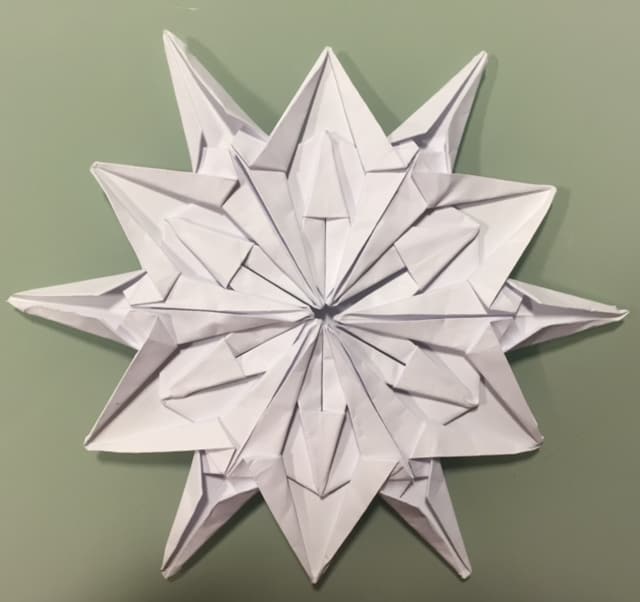
Origami is the ancient Japanese art of paper folding. As well as being aesthetically beautiful, it is mathematically fascinating and has important applications in engineering and technology. The conventional mathematical model of origami treats surfaces as completely rigid plates connected by flexible hinges. The assumption is that there is no resistance to a fold in which all the motion is perpendicular to the hinge. However, any other fold – for example one which stretches the hinge – is not described by the model.

Despite its mathematical elegance, the conventional model of origami has two weaknesses. First, it fails to capture the full set of possible folding patterns that can be made with real materials, which are not perfectly rigid. Secondly, by making motion either resistance-free or impossible, it cannot model bistable systems that resist deformation before snapping into a different shape configuration.

Tightly folded

Bistable systems exist in nature and include earwig wings – which can snap rapidly between a tightly folded crawling state and an open configuration for flying. The wings are stiff enough in the unfolded state to support aerodynamic loads during flight, but that stiffness does not prevent the wings from remaining tightly folded when not in use.

Researchers have already modified classical origami models by adding bending resistance to the creases, but this does not reproduce bistable behaviour. Now, Jakob Faber and André Studart of ETH Zürich in Switzerland and Andres Arrieta of Purdue University in the US have worked out that the earwig wings are able to snap tightly shut because the creases are able to stretch during the folding process.

Armed with this knowledge, the team created a new origami model that includes finite resistance of a crease to stretching – as well as a finite resistance to bending. With these two types of resistance, deformation becomes “a competition between stretching and bending,” explains Arrieta , allowing bistable structures with two potential-energy minima. When a structure in either state experiences small forces, like the aerodynamic forces on the earwig’s unfolded wing, the resulting crease stretching increases its strain energy. When the forces are removed, the structure returns to its original state.

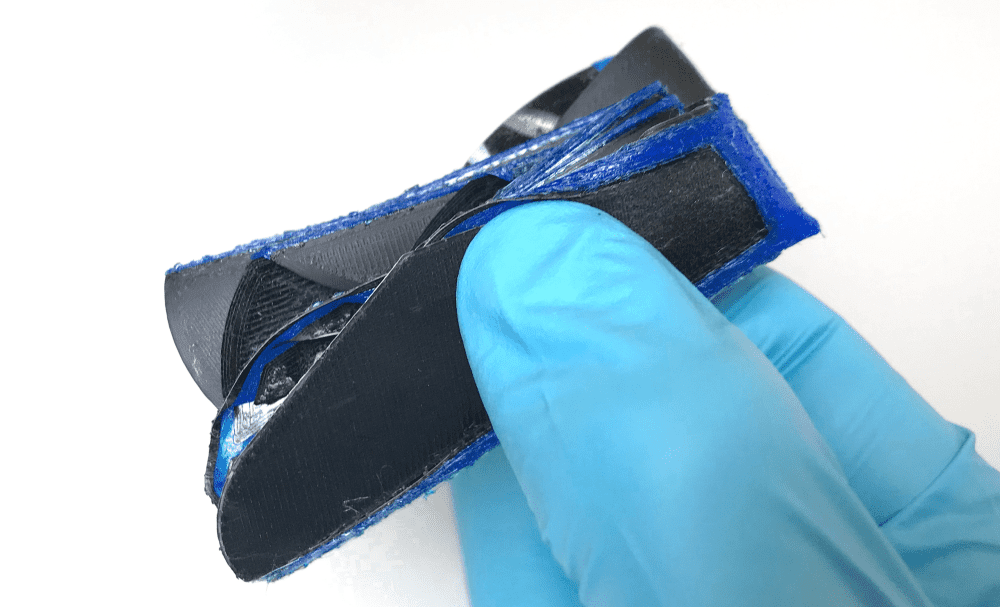
Photograph of a folded wing

When the strain energy is increased beyond a certain threshold, however, the energy required to stretch a crease any further becomes lower than the energy required to overcome the bending resistance. The structure can therefore most effectively minimize its strain energy by folding up into a different shape, much as the earwig’s wing snaps shut when required. Once the structure reaches this new potential energy minimum, the stretch resistance of the crease will prevent it from returning to the original state until it is deformed beyond the required threshold.

The researchers used 4D printing (3D printing of objects that can evolve with time) to deposit sheets of a rigid polymer polylactic acid connected by an elastomer in carefully predetermined patterns. As well as producing artificial wings (see figures), they also made a gripper device that can snap shut and hold-on to an object without external actuation. Using their model, the team could predict, and experimentally control, the threshold strain required to open and close the gripper by tuning the ratio of the stretching and bending stiffness of the creases. Once actuated, the gripper could lift objects equal to its own weight without further energy input.

“What’s very interesting for us now is to play with the design of the materials that we would use on the creases,” says Arrieta . “Because then one can combine things like phase transformation and other viscoelastic effects with this purely elastic energy storage to create some interesting behaviour.”

Jesse Silverberg of Harvard University is impressed by the work: “The modelling and the math that they went into was fairly normal for the field,” he says, “The real strength of the [work] was that they actually made a device.” He cautions, however, that the field still needs to explore the durability of these strain-storing structures when cycled repeatedly: “If we’re going to think about a next generation version of drones, for example, in which we have deployable wings instead of helicopter propellers, we need to think about what the real-world limitations are going to be for this set of design principles.  As a field we haven’t really gotten to these questions yet because we’re still showing what the possibilities are.”

The research is described in Science.

Bioink review highlights opportunities for computational tools

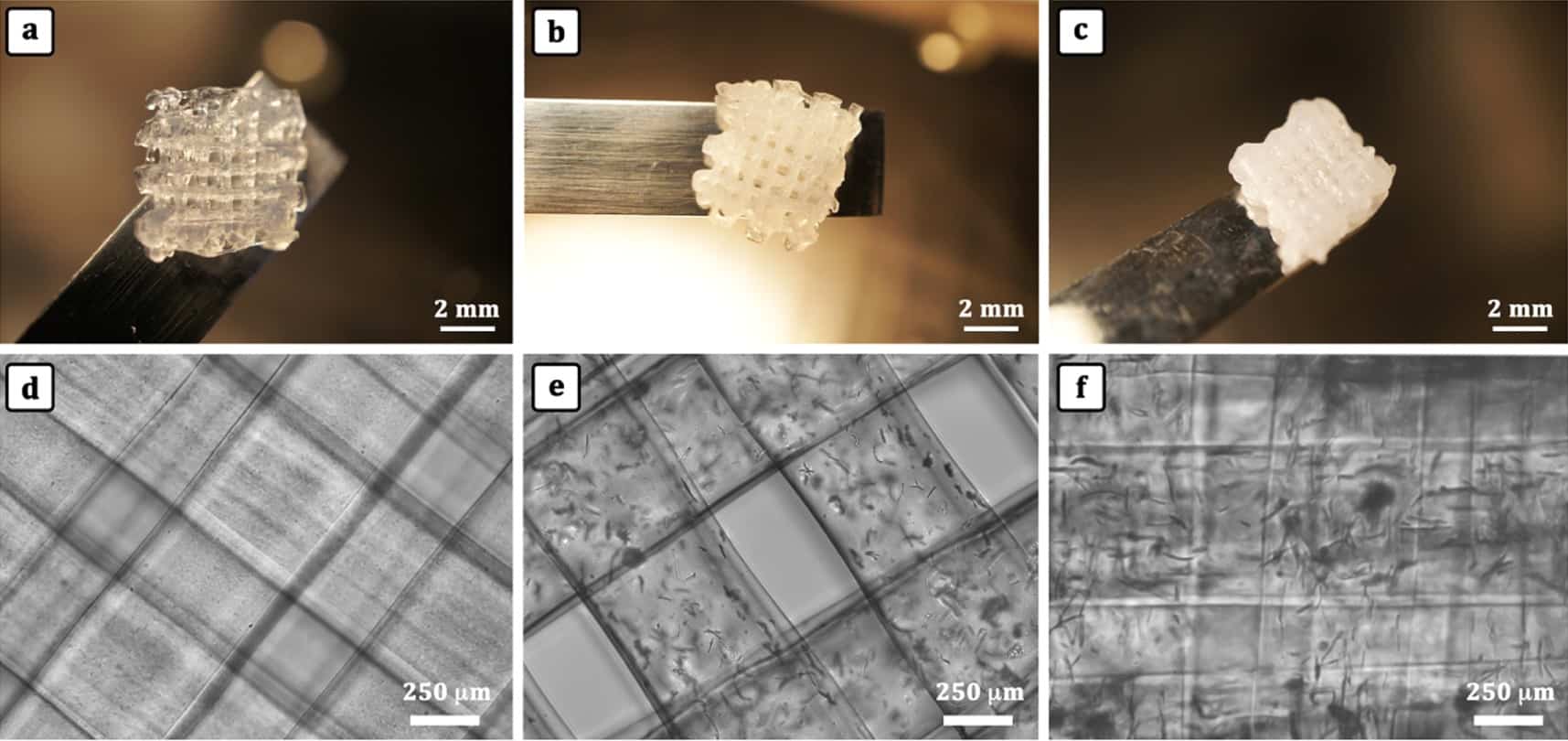
Images and micrographs of 3D printed scaffolds

Progress in bioink development is helping to boost the performance of 3D printed scaffolds, which in turn could benefit the repair of damaged organs and tissues. Bioinks are particularly useful because they enable scaffold designs to be seeded with cells as part of the manufacturing process. They also help in matching the scaffold to the surrounding tissue by enabling different cell types to be distributed at different locations in the bioprinted constructs.

But what’s the optimum combination of bioink properties for a given application, and how can developers use this knowledge to further improve their designs?

“The focus was initially on areas such as bioink viscosity, gelation mechanisms, precision construction, and biocompatibility in the context of a particular bioprinting approach,” comments Aleksandr Ovsianikov, who is based at Vienna University of Technology and a member of the Austrian cluster for tissue regeneration. “However, for most bioprinting technologies bioink development is long past the point when it was simply about process compatibility and cell survival; novel formulations are expected to also offer an instructive environment for the cells.”

His team, which includes colleagues in the US, Belgium and China, has reviewed the properties of bioinks before, during and after 3D bioprinting, with the aim of determining the various process parameters that affect cell-containing scaffolds assembled layer-by-layer. The topical review, published in the journal Biofabrication, also identifies modelling tools that could help designers to explore new materials combinations for tissue repair and adapt them to an expanding range of bioprinting scenarios.

Computational approaches can assist in the synthesis of novel materials, but they can also help to predict the properties during maturation of bioprinted constructs.

Aleksandr Ovsianikov, Vienna University of Technology

Bioink development is made difficult by the changing demands that are placed on formulations. Scaffold manufacturing is just one consideration, and developers need to adapt the ink to suit all stages of the application.

“Different bioprinting technologies and even using a different nozzle diameter for the same approach will result in varying requirements in terms of bioink properties,” comments Ovsianikov. “In addition, the properties of a hydrogel with regard to the bioprinting process and subsequent cell culturing are often opposing.”

Hydrogels that deliver a stiffer structure help to preserve the integrity of a scaffold design during treatment, but softer versions typically provide a more familiar environment for cells. The scenario presents scaffold designers with a challenge when optimizing inks for tissue growth. To overcome the hurdle, researchers are exploring the use of hybrid systems that combine a range of material properties in their structures.

“A hybrid approach offers much greater flexibility for independently adjusting the rigidity of the overall construct and the mechanical properties of cell-containing bionks,” Ovsianikov explains.

Considering the fine-tuning of formulations for greater success, he sees opportunities for computational methods to contribute to the process on a number of levels.

“On the one hand, computational approaches can assist in the synthesis of novel materials, but they can also help to predict the properties during maturation of bioprinted constructs,” Ovsianikov points out.

Tissue development is governed by multiple factors such as cell proliferation, material degradation and matrix remodelling. Computational insight into this dynamic behaviour will aid designers in optimizing printed constructs towards the expected target properties of the tissue in question.

The topical review highlights numerical work examining the impact of cell density on desirable mechanical properties. Predictions of the mechanical response of cells in various printed hydrogel architectures could be integrated with experimental loadings to determine promising scaffold combinations. The method could also be used to evaluate fabrication conditions, offering a perspective on parameters such as printing speed or nozzle diameter for optimum bioink deposition.

More details can be found in the journal Biofabrication.

  • This article is one of a series of reports reviewing progress on high-impact research originally published in the IOP Publishing journal Biofabrication.

Brazil suspended from European Southern Observatory

Astronomers in Brazil have voiced their disappointment after the European Southern Observatory (ESO) suspended the country’s membership following its failure to ratify an agreement struck in 2010. ESO had allowed Brazil to be an interim member, giving its astronomers access to the consortium’s telescopes, but from 1 April scientists will have to apply for time on a similar basis as non-ESO members.

Brazil’s road to membership of ESO began at the end of 2010 when former Brazilian president Luís Inácio Lula da Silva signed an agreement to join – his last official act as head of state. This signalled the country’s intent to become a full member of the organization but before it could do so, the agreement first had to be approved by Brazil’s National Congress and then ratified by the president of Brazil.

Sadly, [the suspension] wasn’t a big surprise for us

Astrophysicist Ulisses Barres

While the approval from the National Congress came in May 2015, the presidential ratification was never signed – neither by Lula’s successor Dilma Rousseff nor by Michel Temer, who took on the presidency after her controversial impeachment in 2016.

Despite the lack of formal ratification, ESO has allowed astronomers in Brazil to work at its facilities since 2010 as an interim measure. This has given Brazilian astronomers free access to ESO’s infrastructure, with the Brazilian Astronomical Society (SAB) estimating that around 300 Brazilian researchers actively collect data at ESO facilities, which in turn has led to around 3% of the world’s indexed astronomy papers now being published by Brazilian scientists. “In terms of scientific publication rates, our performance at ESO was not too different from that of countries with a much longer tradition in observing the skies such as Germany, France or the UK,” says SAB president Reinaldo de Carvalho.

However, due to Brazil’s failure to ratify the agreement, ESO decided at a council meeting on 7 March to suspend the country’s membership with effect from 1 April. “All indications are that Brazil is unfortunately not currently in a position to complete the ratification process,” says ESO public information officer Richard Hook. He adds that astronomers at Brazilian institutes will still be able to apply for observing time, but they will no longer be considered on the same basis as those from ESO member states.

‘No easy ride’

Carvalho says that Brazil can still publish good science without ESO membership, but it will be hard to publish high-impact science. “The case well illustrates to what extent Brazil still lacks a solid state-level commitment to science and technology,” says Carvalho, who adds that the head of Brazil’s science ministry has changed six times over the past seven years.

While ESO membership would have costed us around €270m, we invested over €290m in the renovation of a single football stadium to host the 2014 World Cup

Astronomer Gustavo Rojas

That view is backed up by astrophysicist Ulisses Barres, from the Brazilian Centre for Research in Physics. “Sadly, [the suspension] wasn’t a big surprise for us”, he says. “The negotiation process was nearly stuck since its inception in 2010, with virtually no action on part of the Brazilian government representatives.”

Astronomer Gustavo Rojas, a representative of the ESO Science Outreach Network and a researcher at the Federal University of São Carlos, agrees that the government’s priorities have resulted in the deadlock. “While ESO membership would have costed us around €270m, we invested over €290m in the renovation of a single football stadium to host the 2014 World Cup,” he says. “It’s the newer generations of astronomers that are likely to be most affected by the country’s suspension from the consortium. In an increasingly competitive environment, it will be no easy ride for them to collect good-quality data without access to appropriate tools.”

The SAB will now meet with government representatives next month to discuss the next steps. Brazil’s science minister, Gilberto Kassab, told Physics World that the ministry is keen to ensure that Brazil’s membership status can be resolved soon. However, that may not happen quickly given that the country faces an austerity programme and that the current administration has shown little enthusiasm for science and technology. “Nevertheless, I have to remain optimistic,” adds Carvalho.

Real-time image-guided ART achieved on a standard linac

Real-time image-guided adaptive radiation therapy (IGART) is currently limited to expensive, dedicated cancer radiotherapy systems. The combination of two software programs that can be used with any standard linear accelerator – an image-based real-time tumour localization system and a real-time multileaf collimator (MLC) tracking system – offers the potential for widespread implementation of real-time IGART.

Researchers at the University of Sydney and the Royal North Shore Hospital in Australia have demonstrated the feasibility of performing real-time IGART with a standard linac by using two self-developed real-time systems: kilovoltage intrafraction monitoring (KIM) for measuring the position of a tumour during treatment; and an MLC tracking system. They have now used these combined software programs to treat eight prostate cancer patients participating in a clinical trial to evaluate KIM’s capabilities (Radiother. Oncol. doi: 10.1016/j.radonc.2018.01.001).

This clinical achievement represents another milestone towards affordable and widespread implementation of real-time IGART when stereotactic body radiotherapy (SBRT) is used to deliver radiation treatments. As an example, in Australia, there are currently only two very expensive dedicated linacs capable of real-time adaptation. An additional 200 standard linacs in the country could benefit from combined KIM/MLC systems, and potentially offer safer radiotherapy to many more cancer patients with tumours affected by body motion.

KIM is a real-time intrafraction tumour tracking system that provides six degrees-of-freedom (DoF) motion information during SBRT. Using the image-guidance system on a standard linac to acquire two dimensional (2D) projections of implanted fiducial markers, KIM reconstructs three-dimensional (3D) positions by maximum likelihood estimation of a 3D probability function, and makes additional computations to obtain 6 DoF motion information.

This capability enables real-time monitoring of a tumour’s position and rotation prior to and during SBRT. It tracks prostate motion in 3D with sub-millimetre accuracy, providing tumour targeting and enabling tighter treatment margins. KIM has been in development for over a decade, with research led by Paul Keall, professor of medical physics at the University of Sydney Medical School and director of the university’s ACRF Image X Institute.

KIM sends the tumour position signal in real-time to the MLC tracking code, which adjusts the leaf position to optimally align the treatment beam with the real-time target position. Real-time MLC tracking helps improve geometric accuracy. It also can be extended to correct for rotations and deformations observed in real-time.

Clinical trial
In the TROG 15.01 SPARK trial, researchers are testing the use of KIM to monitor prostate position during prostate radiotherapy delivered by standard linacs. Intrafraction motion can reduce the delivered radiation dose and increase the dose to organs-at-risk. The trial aims to measure the radiation dose of 48 patients who received SBRT with KIM, compared with the dose that would have been delivered had KIM not been used. The trial’s secondary outcomes include measuring KIM targeting accuracy, and quality-of-life, toxicity and biochemical cancer control for the participants.

Each patient received five 7.25 Gy fractions for a prescribed dose of 36.25 Gy to 95% of the planning target volume (PTV), delivered by a standard linac (Varian’s Trilogy) and MLC. Use of KIM for the total treatment generated an estimated additional kV dose of 0.4 Gy.

Thirty-nine out of 40 fractions were successfully completed using integrated KIM and MLC tracking, with one treatment using KIM and gating due to a technical reason. The geometric accuracy of the KIM system was excellent, with a mean accuracy within 0.2 ±0.6 mm in all directions. Prostate motion of between 3 and 7 mm occurred in more than half of the 40 fractions, but real-time IGART reproduced the planned dose more closely than when it was not applied.

Isodose distributions with and without IGART

The dose to the PTV and clinical target volume (CTV) were also consistently higher. An analysis of the treatment with the largest target motion, 8 mm throughout one fractional treatment, showed that the geometric accuracy of KIM was not affected by the magnitude or duration of this motion. In fact, 100% of the CTV received the prescribed dose with the use of real-time IGART, compared with 95% without it.

Keall told medicalphysicsweb that he is excited by the future opportunities that this achievement creates. “With the growing global awareness of the need for high-quality accessible radiotherapy, using the KIM and MLC software tools to bridge the technology gap between standard and high-end radiotherapy system capabilities can make real-time adaptive radiotherapy accessible to a much larger number of cancer patients than is currently possible,” he explained.

Loss of unregarded forests is at danger level

The world’s unregarded forests are at risk. Intact forest is now being destroyed at an annual rate that threatens to cancel out any attempts to contain global warming by controlling greenhouse gas emissions.

Trees in the tropical regions are dying twice as fast as they did 35 years ago – and human-induced climate change is a factor.

And a third study has highlighted the value to humanity of intact forests, while estimating that four-fifths of the Earth’s remaining woodlands are now in some way degraded by human activities. “This figure,” researchers warn, “is probably an underestimate.”

All three studies confirm the value of forests to the planet – and underline the increasingly dangerous rate of loss.

An international team of researchers report in Nature Communications that they made a computer model of the planet’s atmospheric conditions: they included natural and human-triggered aerosols, volatile organic compounds, greenhouse gases and other factors that influence temperature, one of which is albedo: the scientist’s word for the capacity of terrain to absorb or reflect solar radiation.

Cooling effect

They tested their model against the Earth’s temperature records since 1850 – and then ran it again, this time with a hypothetical forest-free world.

“The result was a significant rise of 0.8°C in mean temperature. In other words, today the planet would be almost 1°C warmer on average if there were no more forests,” said Paulo Artaxo, of the University of São Paulo in Brazil.

“If we go on destroying forests at the current pace – some 7,000 square kilometres per year in the case of Amazonia – in three to four decades, we’ll have a massive accumulated loss. This will intensify global warming regardless of all efforts to reduce greenhouse gas emissions.”

The second study, in the journal New Phytologist, is a reminder of just how complex the challenge of forest conservation can be. Foresters and botanists from around the planet concentrated on the special case of the tropical rainforest, home to so much of the world’s terrestrial biodiversity, and analysed the hazards.

These include rising temperatures, increasing carbon dioxide levels, fires, more destructive storms, insect infestation and the impact of woody vines known as lianas.

They found that trees in some areas were dying at about twice the rate they were 35 years ago.

“No matter how you look at it, trees in the moist tropics will likely die at elevated rates through the end of the century relative to their mortality rates in the past,” said Nate McDowell, of the US government’s Pacific Northwest National Laboratory.

“There is a host of factors that appear to be driving mortality, and the likelihood of those factors occurring is increasing.”

Such studies deliver no great surprises: they add levels of detail to a big picture that has been clearly outlined and repeatedly confirmed. Humans do not need to fell forests to find new farmland, and when they do so they damage the natural diversity on which they and other creatures depend.

Winners all round

Healthy forests absorb carbon dioxide from human fossil fuel combustion and at the same time reduce regional temperatures.

Forests are being destroyed at a disconcerting rate, but if humans conserved them, there would be a greater chance of containing global warming to targets set by a global climate summit in Paris in 2015.

And repeated studies have confirmed that conserved forests deliver many benefits. Everybody wins.

Just how humans benefit has been spelled out yet again in the journal Nature Ecology and Evolution. Forests cover about 25% of the planet’s land surface, but over the past three centuries Earth has lost at least a third of its natural tree cover, due to human expansion. More than 80% of what remains has been affected by human action.

Vital stabilisers

But these same forests absorb around 25% of carbon emissions from factory chimneys, power stations and car exhausts; they play a vital role in stabilising local and regional weather, and they reduce the risk of drought.

Intact forests are home to higher numbers of other species; they sustain many indigenous cultures; their conservation delivers medically-beneficial plants and their degradation drives the spread of infectious diseases.

“It is well-known that forest protection is essential for any environmental solution – yet not all forests are equal,” said James Watson, of the University of Queensland in Australia and the World Conservation Society.

“Forest conservation must be prioritised based on their relative values, and Earth’s remaining forests are the crown jewels, ones that global climate and biodiversity policies must now emphasise.” – Climate News Network

• This report was first published in Climate News Network

Resistive switches gain functionality on paper

Whether it’s alternative technology for non-volatile memory or computing architectures that mimic the brain, when it comes to next-generation electronics the chances are a resistive switch is at the heart of it. Now for the first time researchers have fabricated a device that allows resistive switching with both the large ratio between resistance states needed for memory and the small ratio used in neuromorphic computing. In addition the device is printed on cheap and flexible plain paper, and can be mechanically reset by bending.

When a nanoscale morphology is characterized by “high porosity”, “roughness”, and “poorly connected and non-compact structures” a lot of people steer clear. However, as Paolo Milani explains, granular materials with a lot of defects at the nanoscale can have very interesting behaviour. He began to consider the possibility of resistive switching behaviour in the cluster-assembled materials he was investigating at Universita degli Studi di Milano in Italy when Simon Brown – who specializes in resistive switching research at the University of Canterbury in New Zealand – came to Milan on his sabbatical.

Milani and his colleagues in Milan were the first to demonstrate the potential of “supersonic cluster beam deposition” (SCBD) for bottom up nanofabrication. The technique involves vaporizing and sputtering a target material that then forms a supersonic beam, which passes through an expansion chamber and onto the substrate. They were also looking at paper as a cheap substrate for printing flexible devices, so the next step was to combine the two.

Brown and Milani worked with students Matteo Mirigliano and Chloé Minnai, who did many of the experiments and was a key part of the collaboration between the two groups. When they printed gold devices on glass and silicon using SCBD they were able to switch between low and high resistance states that were comparatively close to each other when they applied and removed a voltage. However when they printed the devices on paper they found a threshold voltage at which they could reversibly switch the device into a state with a resistance several orders of magnitude greater than the lower resistance states, revealing two resistive switching regimes in the same device.

“We did not suspect that paper could support resistive switching at all,” says Milani. Further surprises were in store when purely by accident the researchers discovered after bending the device, that it was reset to the low resistance state. Milani knows no other reports of a device that can accommodate two switching regimes or mechanical reset of a nanoscale switch.

Nanocoherer

Mechanical resistive switching reset is known at the macroscale, in the coherer devices Guglielmo Marconi exploited when he first developed the radio telegraph system in 1894. Those devices consisted of a glass ampoule containing metal filings that would switch from an insulating to a conductive state when a voltage was applied, and reset after tapping. While the device worked reliably enough to transmit Morse code messages and form the basis of the telegraph system for over a decade, the mechanism behind the switching and mechanical reset was never fully understood. Shedding light on the mechanism behind the resistive switching in the paper device could also provide insights into the operation of Marconi’s coherer.

“We suspect it is the fibrous structure of the paper that allows the two regimes,” he suggests. “There may be interplay between the nano and the microscale structures that gives rise to the dual regime, but we are investigating this.”

The results could also have implications for applications of nanoscale resistive switching devices, since the same device could be used for both memory and for mimicking the synaptic connections in neural systems that allow learning. “This could help if you start to build up more complicated neuromorphic architectures,” says Milani. Although this is just the first stage, both the functionality and the efficiency of computers could greatly improve by mimicking the brain, which effortlessly handles complex tasks all day on just three meals, a million times less than the power conventional computers consume for equivalent output.

The researchers

Predictive disorder

Despite the apparent disorder in the deposited gold, the SCBD printing approach allows for a great deal of control over the level of disorder through careful selection of the deposition parameters, and this determines the initial resistance of the system. The threshold voltage at which the system switches between regimes in turn depends on this initial resistance. Although the disorder has discouraged some people from working with this kind of system, as Milani emphasises it is not random but disorder that can be very precisely controlled.

“We start to recognize nanogranular systems present physics that is very interesting – this has not been recognized,” he adds. “Before people wanted to embed these structures or put a shell around. But it’s the same as it was with macrosocopic granular matter, which is important, but it was only in the 1980s and 1990s that this was recognized as something that could be described with a solid theoretical approach.”

As well as printing artificial devices that share behaviour with neurons, the team have also successfully grown natural neurons with their technology, opening up interesting possibilities of designing systems that combine natural and artificial neurons. First however Milani is keen to understand the basic principle behind their resistive switching device and achieve better control for more complex devices.

Full details are reported in Nano Futures.

New catalysts by design

A pioneering approach to designing and synthesizing catalysts for the hydrogen evolution reaction (HER) makes use of a technique called scanning probe block copolymer lithography (SPBCL) and density-functional theory calculations. The method could not only be used to produce more cost-effective alternatives to platinum-based catalysts for applications in fuel cells, but might even prove to be a completely new way to discover and make novel catalysts for almost any industrially important process, according to its inventors.

Designing efficient new catalysts is no easy task, especially when nanoparticles are the active structures. In catalysts that contain more than one element, for example, researchers not only need to take into account all the possible elemental combinations, they must also add a number of other variables, such as particle size, shape and surface structure, as well as the degree of alloying or phase segregation. This ultimately leads to an overwhelmingly large number of potential candidates.

To address this challenge, techniques to make poly-elemental particles and control their alloying or phase segregation state combined with screening methods to reduce their overall number need to be developed. Such techniques require combinatorial approaches coupled with theory calculations.

Combining SPBCL and DFT

A team led by Chad Mirkin, Chris Wolverton and Yijin Kang of Northwestern University in the US has now used an up-and-coming nanoparticle synthetic tool called scanning probe block copolymer lithography (SPBCL) combined with density-functional theory (DFT) calculations to explore three-component particles consisting of different combinations of platinum, gold, copper and nickel.

In their experiments, the researchers chose to study the hydrogen evolution reaction (HER) because it is crucial for commercially producing hydrogen in fuel cells. In an acidic electrolyte, the catalyst’s hydrogen binding energy (HBE) is the most important descriptor for the HER. According to the so-called Sabatier principle, the HBE of a HER catalyst should neither be too strong nor too weak – that is, the surfaces of the metals making up the catalysts should neither be too strongly nor too weakly absorbing.

Reducing the HBE

Although Pt is the best-known single-element catalyst for the HER, it could be further improved if its HBE was reduced. Electronically tuning its d-band structure by alloying it with another element, or indeed other elements, is a good way of doing this.

To find out which combinations of Pt, Au, Cu and Ni were best, Mirkin and colleagues studied the PtAu-M tri-metallic system (where M=Ni or Cu). They first used DFT calculations to calculate the HBEs of the different structures. They then synthesized these target structures using SPBCL and evaluated their catalytic properties. One of the advantages of SPBCL is that researchers can control the growth and composition of individual nanoparticles patterned on a surface, which allows them to produce particles that have uniform stoichiometry and phase.

Seven times more active

Thanks to these experiments, described in PNAS, the researchers identified PtAuCu as having the optimal calculated HBE and thus the highest measured HER activity – seven times more active than state-of the-art commercial platinum, says Mirkin.

“In addition to providing a new way to catalyze the HER, the paper highlights a novel approach for making and discovering new particle catalysts for almost any industrially important process,” says Wolverton.

“To find best-in-class materials that drive any application of interest, we need to identify ways to reduce the number of possibilities that will be studied and increase the rate at which they can be explored,” adds Kang. “This combination of theory and nanoscale particle synthesis begins to take on that challenge,” says Mirkin.

Quantum spin liquid could shed new light on superconductivity

A new type of quantum spin liquid has been unveiled by an international team of physicists and chemists. The technique for making the material was developed by Maarit Karppinen and colleagues at Aalto University in Finland, the Brazilian Center for Research in Physics (CBPF), Germany’s Technical University of Braunschweig and Nagoya University in Japan. It could lead to the creation of new and potentially useful high-temperature superconductors and materials for creating quantum computers.

Quantum spin liquids are in fact solid magnetic materials that are unable to arrange their magnetic moments (or spins) into a regular, stable pattern. This is unlike a ferromagnet, for example, in which all the spins point in the same direction or an antiferromagnet where neighbouring spins point in alternating directions. Instead, the spins in a quantum spin liquid are constantly changing direction in a fluidlike manner — even at temperatures close to absolute zero.

Idle speculation

This novel state of matter was predicted in 1973 by the future Nobel laureate Philip Anderson who tells Physics World, “It was a speculation that you could label as ‘idle’, in that I didn’t follow it up with much of anything”.

However, the discovery of high-temperature superconductivity in 1986 encouraged Anderson to follow-up his initial prediction. In 1987 he found a possible crucial link between quantum spin liquid theory and high-temperature superconductivity.

Today, high-temperature superconductors are sought for myriad applications, including energy grids, levitating transport and quantum computing. However, the physics underlying these materials is still poorly understood so the possibility of studying a real-life quantum spin liquid has piqued the curiosity of condensed-matter physicists including Anderson – who says “It’s fascinating that they keep turning up”.

To fashion a quantum spin liquid, Karppinen and colleagues ground and pressed a polycrystalline magnetic material with square lattice ordering into pellets. Then they modified the magnetic interactions of this square structure by adding tellurium and tungsten ions to the material – which introduced disorder.

To confirm they indeed had a quantum spin liquid on their hands, the team cooled their samples, revealing a characteristic dynamic magnetism all the way down to 19 mK. They used a number of different techniques, including muon spin spectroscopy, X-ray diffraction, SQUID magnetometry and many more, to support their claim of making a quantum spin liquid.

Square lattice

While quantum spin liquids have been produced before, almost all of them have a kagome structure – a lattice of corner-sharing triangles. This is unlike the material made by Karppinen and colleagues, which is the first quantum spin liquid to have a square lattice, which is also found in high-temperature superconductors.

As well as having the potential to shine new light on the physics of high-temperature superconductors, quantum spin liquids could be created specifically to harbour collective excitations (or quasiparticles) that could be used to store and process quantum information. These quasiparticles would be particularly useful because they would be topologically protected from being degraded by environmental noise.

Karppinen says that with further work “this research on quantum spin liquids can lead us to the experimental realization of the topological quantum computer”.

The new quantum spin liquid is described in Nature Communications.

Copyright © 2026 by IOP Publishing Ltd and individual contributors