One giant leap: Artemis II returns humanity to the Moon

After 54 years, numerous failed starts and countless abandoned dreams, earlier this year humanity finally returned to the Moon in an epic 10-day flight that gripped the planet. The Artemis II mission and its four astronauts – mission commander Reid Wiseman, pilot Victor Glover and mission specialists Christina Koch and Jeremy Hansen – gave us something to smile about during a dark time of global geopolitical turmoil.

The primary objective of the mission was to fly a crew around the Moon, to demonstrate and test the systems needed to support astronauts in deep-space exploration. In doing so, Wiseman, Glover, Koch and Hansen ventured farther from our planet than any human has ever gone and saw things on the lunar surface that no human eye has seen before.

That the crew did not land and walk on the Moon did not diminish the enthusiasm for the mission. Through today’s online world, the astronauts were able to share their own excitement with the millions watching from Earth with such relatability that the popularity of the mission was cemented in the history books.

Moreover, their voyage and safe return has paved the way for future Artemis missions. These will not only see astronauts set foot on the lunar surface for the first time since 1972, but also include building a permanently crewed outpost at the lunar south pole.

The astronauts of Artemis II
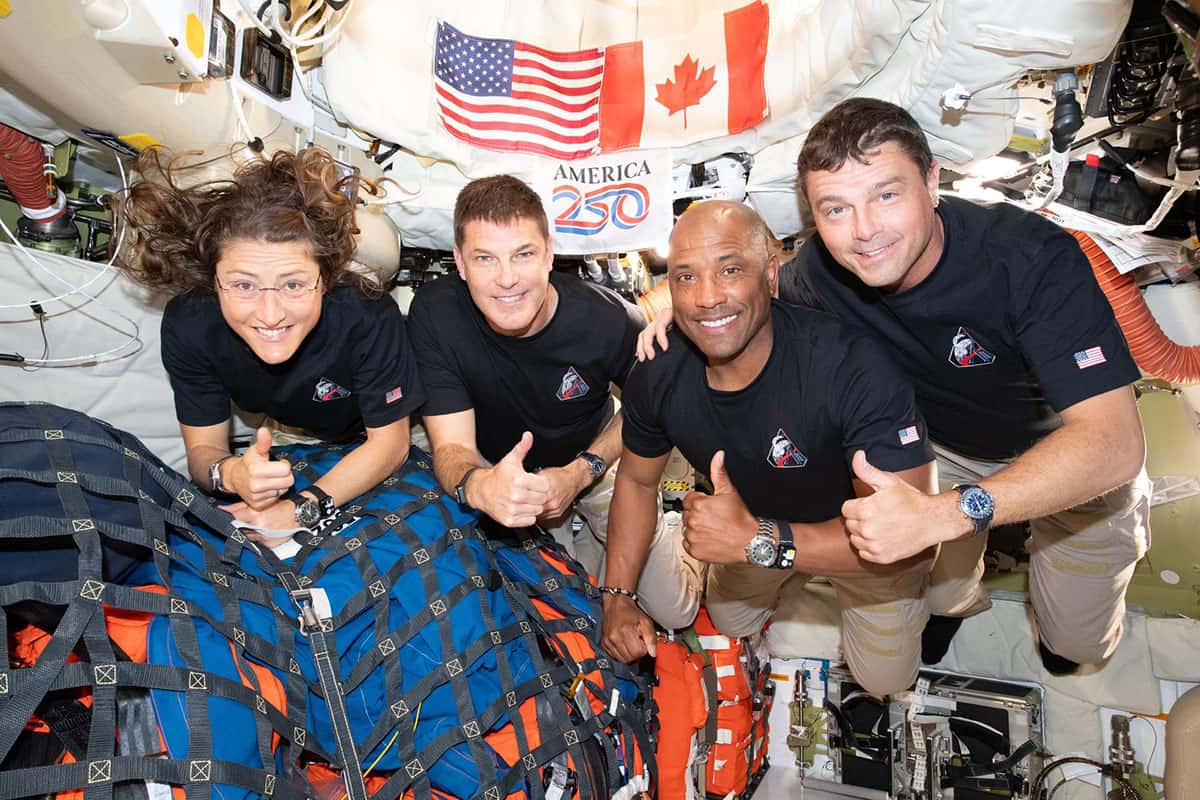
Four astronauts floating in a space capsule holding thumbs up and smiling

The Artemis II crew broke records by travelling further from Earth than any humans had before. But they also made history by including the first person of colour, the first woman and the first Canadian to go beyond low Earth orbit, and to travel around the Moon. Here’s who they are:

Reid Wiseman – mission commander

A former US Navy fighter pilot and test pilot, Wiseman was selected as an astronaut by NASA in 2009 and flew to the International Space Station (ISS) in 2014 as part of Expedition 41, where he took part in space walks. He was chief of the Astronaut Office between 2020 and 2022 before being made mission commander on Artemis II. A crater on the Moon seen by the crew of Artemis II has been named after his late wife, Carroll.

Victor Glover – pilot

Having joined NASA’s astronaut corps in 2013, Glover’s first venture into space was as pilot on the first post-certification flight of SpaceX’s Crew Dragon capsule to the ISS. As part of Expeditions 64 and 65, Glover performed four space walks during his time on the station. Like Wiseman, he is also a former US Navy pilot and test pilot.

Christina Koch – mission specialist

In 2019 Koch spent 326 days onboard the ISS as part of Expeditions 59, 60 and 61, setting the record for the longest continuous spaceflight for a female astronaut. During this time she also participated in the first all-female spacewalk. Prior to being chosen as an astronaut in 2013, Koch worked as an electrical engineer at NASA’s Goddard Space Flight Center, and spent time in Antarctica at the Amundsen-Scott South Pole Station and Palmer Station.

Jeremy Hansen – mission specialist

A colonel in the Royal Canadian Air Force, Hansen became an astronaut for the Canadian Space Agency in 2009. His training included taking part in the European Space Agency’s CAVES programme – spending time living underground in Sardinia – and NASA’s NEEMO 19 seven-day undersea mission. Artemis II was Hansen’s first flight into space.

The journey begins

On 1 April 2026 spectators on the ground, millions online and even the crew of the International Space Station (ISS) watched as Artemis II blasted off from pad 39B at the Kennedy Space Center in Florida at 6.35 p.m. EDT.

At launch, the four crew members were safely enclosed in their home for the next 10 days – the Orion spacecraft they had named Integrity. In turn, Integrity sat atop NASA’s gigantic Space Launch System (SLS), a rocket more powerful than the mighty Saturn V. Standing 98 m tall, the SLS was driven by four RS-25 liquid propellant engines and supported by two solid-rocket boosters, producing in excess of 39,000 kN of thrust at lift-off.

It was only the second flight of the SLS following 2022’s Artemis I, an uncrewed Moon-orbiting mission to test the SLS rocket and Orion spacecraft. Yet the Artemis II launch was flawless, with the thunderous roar deafening spectators and astounding the assorted news media present.

As the rocket left the atmosphere, the solid-rocket boosters, protective panels and launch abort system (there in case of ascent emergencies) were all successfully jettisoned, followed by the core stage of the SLS. Next, using the interim cryogenic propulsion stage (ICPS) or upper stage – fuelled by a liquid hydrogen/oxygen mix and powered by a single RL10 engine providing 110 kN of thrust – the mission performed a series of manoeuvres to raise its altitude, reaching an orbital elevation of 74,000 km.

Earth with a thin crescent of sunlight behind

Following that, the upper stage was separated; but before leaving it (and Earth) behind, the astronauts used it as part of their demonstration tests, which included showing they could manually pilot Integrity. While in high orbit, the mission also deployed four cubesats – one each from Argentina, Germany, Saudi Arabia and South Korea – designed to study the effects of space radiation from the Sun and in Earth’s Van Allen radiation belts, and how electrical systems perform in such radiation-drenched environments.

With all that done, it was time to leave Earth’s orbit. On day two, the engine of the service module (constructed by the European Space Agency (ESA)) performed the trans-lunar injection burn – firing for almost six minutes to propel the capsule and crew out of Earth orbit and towards the Moon. Artemis II would not orbit the Moon, but swing around it and head back to Earth, following a flight path known as a free-return trajectory. This means that after the trans-lunar injection burn, Integrity coasted for four days through space with only occasional minor course corrections to keep the Moon dead ahead. No further engine burns were required in order to get home (hence “free”) – their trajectory used lunar gravity to naturally slingshot them around the Moon while Earth’s gravity drew them back home. On a diagram, Integrity’s trajectory looks like a figure 8, which follows gravitational gradients between the Earth and the Moon.

Close encounter

On 6 April the mission flew round the Moon just once, giving the crew a seven-hour fly-by observation period of both the near and far sides.

The astronauts’ view of the lunar surface was “amazing” in the words of mission commander Wiseman. “The four of us have looked at the Moon our entire lives and the way we are responding to what we’re seeing out the window is just like we’re a bunch of kids up here. We cannot get enough of this,” he radioed back to Earth.

For much of the fly-by, the four astronauts were like space paparazzi, taking it in turns to photograph the Moon. Although lunar science wasn’t part of the mission, they had a list of 35 targets to find and record that had been selected by the Artemis II science team led by Kelsey Young from NASA’s Goddard Space Flight Center. Among them were impact craters with radial streaks of ejecta that can help planetary scientists understand how craters evolve over time; and a bright swirly feature known as Reiner Gamma that contains a magnetic anomaly and is a possible future landing site for robotic explorers.
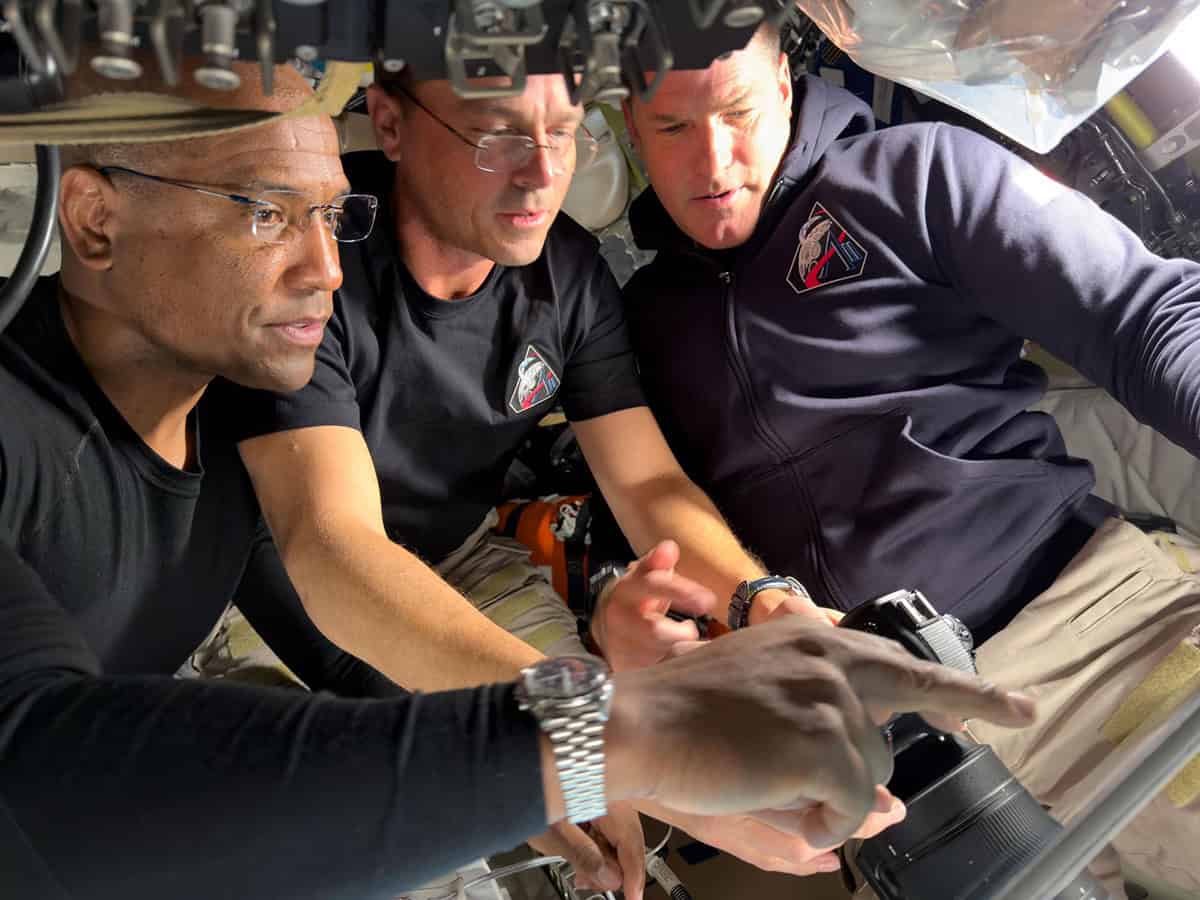
Three astronauts holding a camera and looking out the window of their capsule

The astronauts also targeted parts of the far side that had never before been seen by human eyes because they had been in darkness during the Apollo missions. They were aided in their efforts by a custom-designed app, called the Lunar Targeting Plan, which contained information on the targets, what features to look out for, and how to correctly photograph them – there were even prompts for discussions about what they were seeing.

Some have suggested that the crew’s efforts were more about aesthetics than science, since the entirety of the Moon has previously been mapped by past missions. These include Japan’s Kaguya orbiter, the spacecraft in India’s Chandrayaan programme and Europe’s SMART-1 mission back in 2003. Indeed, none have mapped the Moon as comprehensively as NASA’s Lunar Reconnaissance Orbiter (LRO), which launched in 2009 and to this day continues to map the entire lunar surface to 100-metre resolution, and in some places reaches an unprecedented half-metre resolution.

However, Amanda Hendrix, who is director of the Planetary Science Institute (PSI) in Arizona and who works on LRO, disagrees that lunar science wasn’t a part of the Artemis II mission.

“I think there was science to do on the fly-by,” she says. While LRO’s cameras catch a lot on the lunar surface, particularly how features seem to change with the shortening and lengthening of shadows throughout the lunar day, there’s something very crucial that is missing. “LRO’s instrumentation is limited,” explains Hendrix. “Its cameras don’t have that many filters, so we don’t get that much colour information.”

As it turns out, the Moon isn’t just a boring silver-grey sphere, but a world of many subtle colours, which Apollo 17 astronaut and geologist Harrison Schmitt discovered in 1972, when he found orange regolith made of volcanic beads rich in titanium.

“What the Artemis II crew brought is the spectral coverage that they could see with their eyes that we don’t have with LRO,” says Hendrix. “Plus, we could hear the astronauts talking about how impressed they were with the change in lighting geometry as the spacecraft went around behind the Moon, and how the day/night terminator moved across the surface. So I do think there is new scientific information there.”

The far side

Most of the science targets were found on the far side, including the mighty Orientale impact basin, which is located on the limb of the Moon as seen from Earth. (The limb is what we call the edge of the Moon when we look at it in the sky, but we can’t call it an edge since the Moon, as a sphere, doesn’t have an edge. Features on the limb are foreshortened because of perspective as the lunar surface curves away from us.) Thought to be the youngest of the Moon’s large impacts, Orientale features a lunar sea (known as a mare) at its centre, and a stunning double-ring structure at its edge. The exterior ring has a diameter of 930 km, making it one of the largest impact sites in the entire solar system.
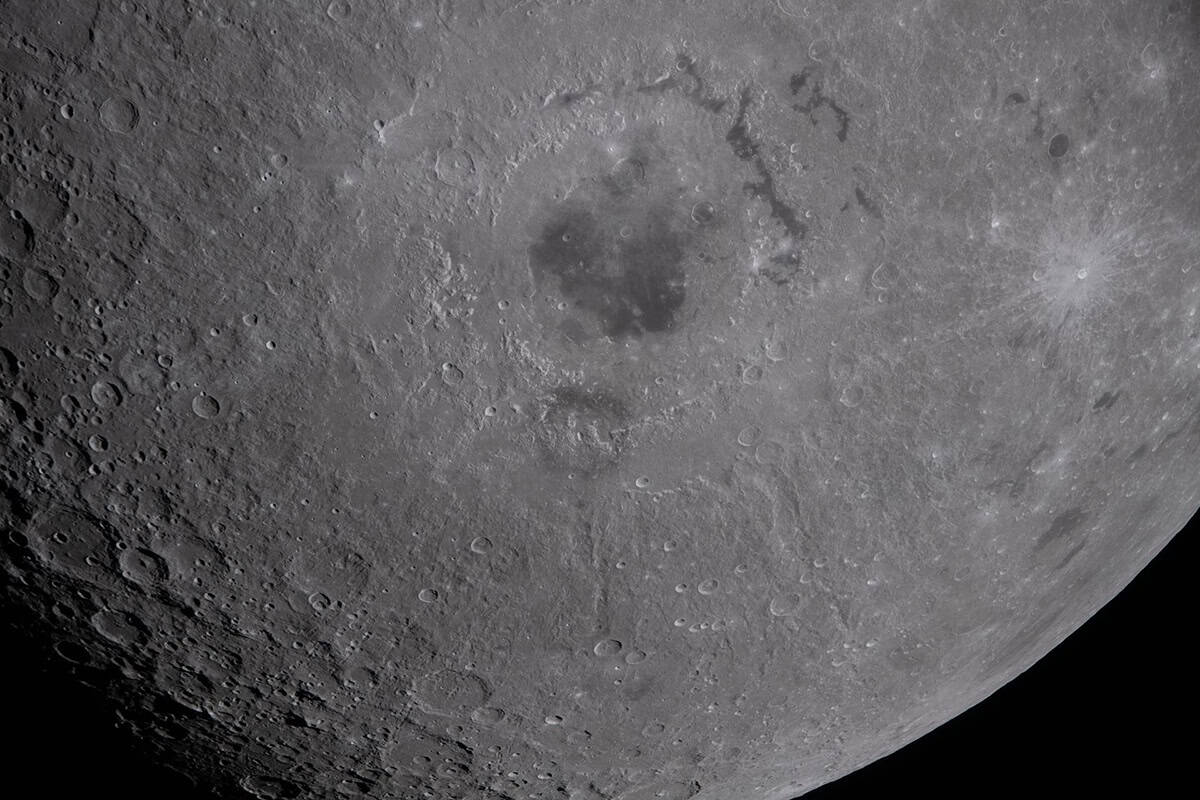
Photograph of the Moon showing a very large crater

“What really struck me is that this was the first time that humans themselves saw so much of the Moon and I think a lot of people don’t really appreciate that,” says Jeffrey Andrews-Hanna, a planetary scientist at the University of Arizona’s Lunar and Planetary Laboratory. “A great example is the Orientale impact basin. We have an incredible amount of data from orbiting robotic spacecraft, but humans had never actually laid eyes on so much of it until now. The Artemis II astronauts had a prime view looking on the surface and seeing the basin in its entirety.”

At one point shortly after the closest approach – which saw the astronauts get to within 6545 km of the lunar surface – they witnessed the Sun spectacularly fall into total eclipse behind the Moon. Then, as Integrity was cast into the Moon’s shadow, the crew saw five remarkable events – flashes of light as meteorites slammed into the surface, gouging out small new craters. The flashes were so fast that the crew were unable to catch them on camera, but they knew to be on the lookout for them nevertheless.

Lunar impacts have been sporadically witnessed before by spacecraft and amateur astrophotographers, but this was the first time it has been possible to ascertain the rate of impacts occurring on the Moon.
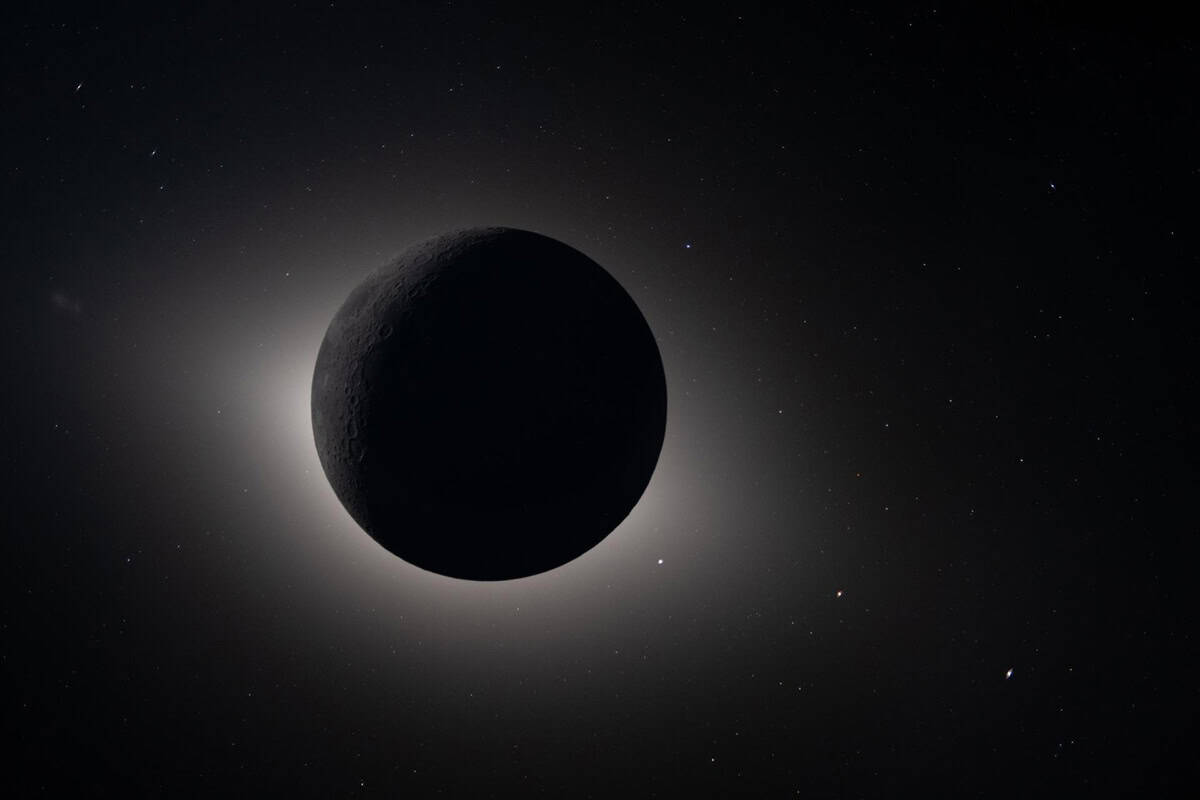
A solar eclipse viewed from the far side of the Moon

“To have seen five of them during that short time frame tells you the rate at which they must be happening all over the Moon, whether you can see them or not,” says Hendrix. “That’s important for telling us how much material is still out there impacting not only the Moon but also Earth, or at least the top of our atmosphere.”

Looking to future Artemis missions that will land on the Moon (currently planned from 2028), Andrews-Hanna sees a way in which the study of meteorite impacts can be enhanced by seismometers placed on the surface. “Understanding the impact flux is important,” he says. “And there’s a lot that can come from linking an impact that is seen with the seismic waves that are measured.”

A seismometer can give some indication of the size of the impacts, providing information about the mass of the meteorites impacting the Moon as well as their frequency. The seismic waves can even be used as probes into the Moon’s interior structure.

Back to Earth

The farthest that Integrity got from Earth was 406,771 km, breaking Apollo 13’s distance record of 401,171 km. While behind the Moon, the crew were out of contact with Earth for 40 minutes (as planned), far from home and completely alone.

That perfect isolation would not last long, and soon Integrity was embarking on the journey home, to arrive on Friday 10 April. Yet even if NASA and the Artemis II crew didn’t show it, there was some nervousness ahead of that return.

During Artemis I the heat shield on the empty Orion capsule suffered serious damage, cracking to the point that large chunks of the heat-resistant Avcoat material ripped dangerously away in temperatures of 2760 °C while plummeting through Earth’s atmosphere. Upon investigation, NASA scientists found that the problem was triggered by the skip guidance entry technique they had used to return Orion to Earth, which involves dipping the capsule in and out of the atmosphere so that atmospheric drag helps slow the re-entry.

In ground tests to simulate the technique, the scientists had used heating rates that had allowed a permeable char layer to form and ablate, releasing gases produced by the Avcoat layer. But in reality, dipping in and out of the atmosphere resulted in less severe heating and slower char formation. Gases accumulated in the Avcoat layer and could not escape, causing cracking.
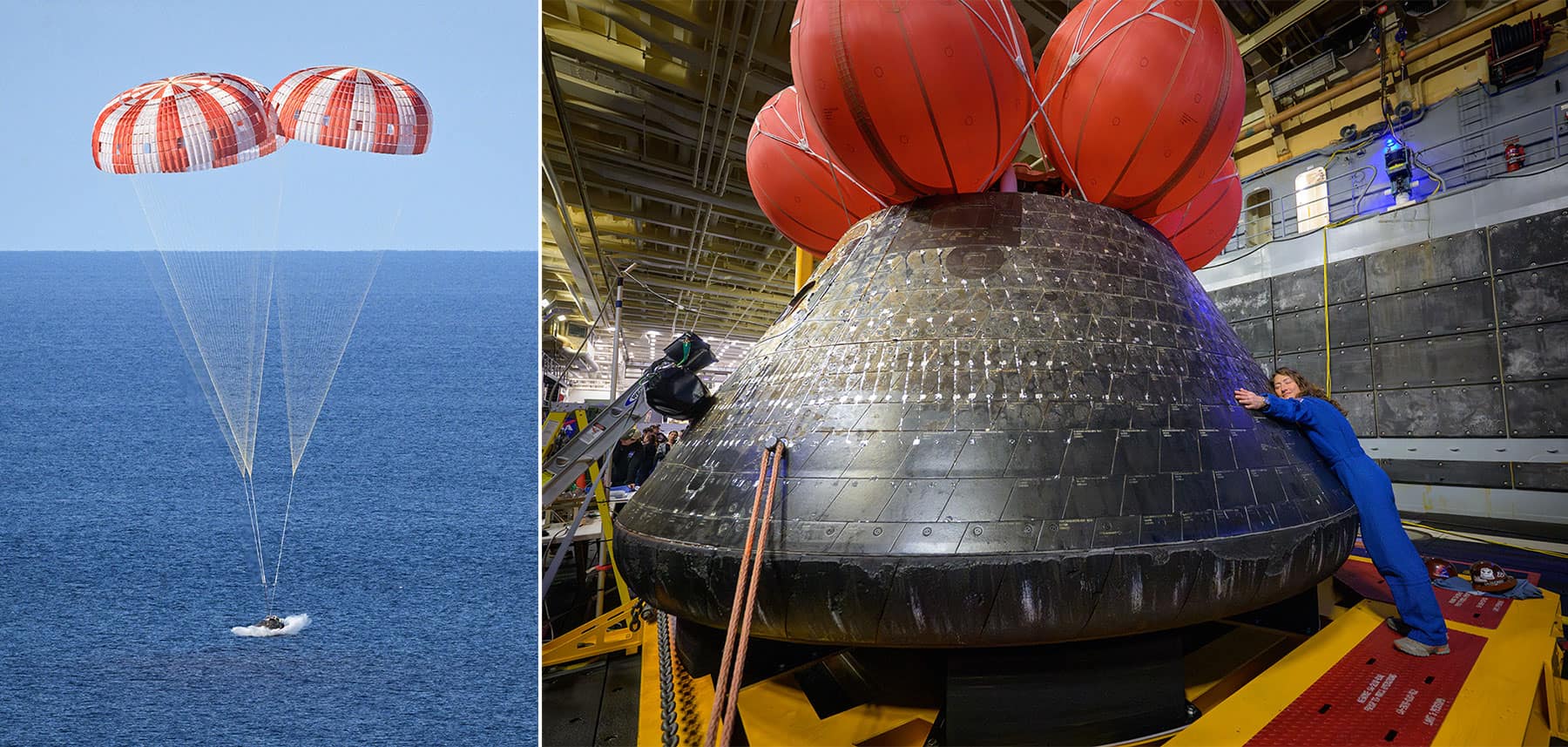
Two photos: the Orion capsule splashes into the ocean with parachutes open above; the Orion capsule in the cargo hold of a large ship with one of the astronauts hugging it from outside

Obviously, something needed to be changed for Artemis II. Rather than modify the heat shield that had already been built, NASA decided to change the re-entry profile. Integrity’s trajectory was made steeper, reducing time spent in the part of the atmosphere where Artemis I had problems – however, this would make it the fastest atmospheric entry ever attempted by a crewed spacecraft.

During the 13-minute fall from the sky, the heat shield held up well, staying hot long enough to release the gases. Eleven parachutes in total were deployed, slowing the capsule from 40,230 km/h while 120 km above the Earth, to 523 km/h at 8 km altitude. By the time the main parachute unfurled, Integrity was gently drifting down at less than 32 km/h for a successful splashdown in the Pacific Ocean near San Diego.

From II to V

Artemis II was a success, proving that we can send humans back to the vicinity of the Moon. Artemis III was originally planned to finally land on the lunar surface again, but it has now been repurposed for practising docking and rendezvous procedures in low Earth orbit, just as Apollo 9 did following Apollo 8’s triumphant flight around the Moon. Artemis IV, planned for early 2028, is currently the mission that will land, and hopefully later that year Artemis V will begin construction of a lunar outpost at the South Pole–Aitken Basin, among permanently shadowed craters that harbour water-ice.

After Artemis II, landing on the Moon doesn’t feel as far away as it did

After Artemis II, landing on the Moon doesn’t feel as far away as it did. Certainly, Wiseman is more optimistic now than he ever was. “I’m going to eat these words, but [landing on the Moon] is not the leap I thought it was,” he told journalists at a media conference in Houston a week after splashdown. “Once we were around the Moon in a vehicle that was handling great, if you’d given us the keys to a lander, we would have taken it down and landed on the Moon. It’s going to be extremely technically challenging, but it is absolutely doable, and doable soon.”

Visiting our orbiting companion
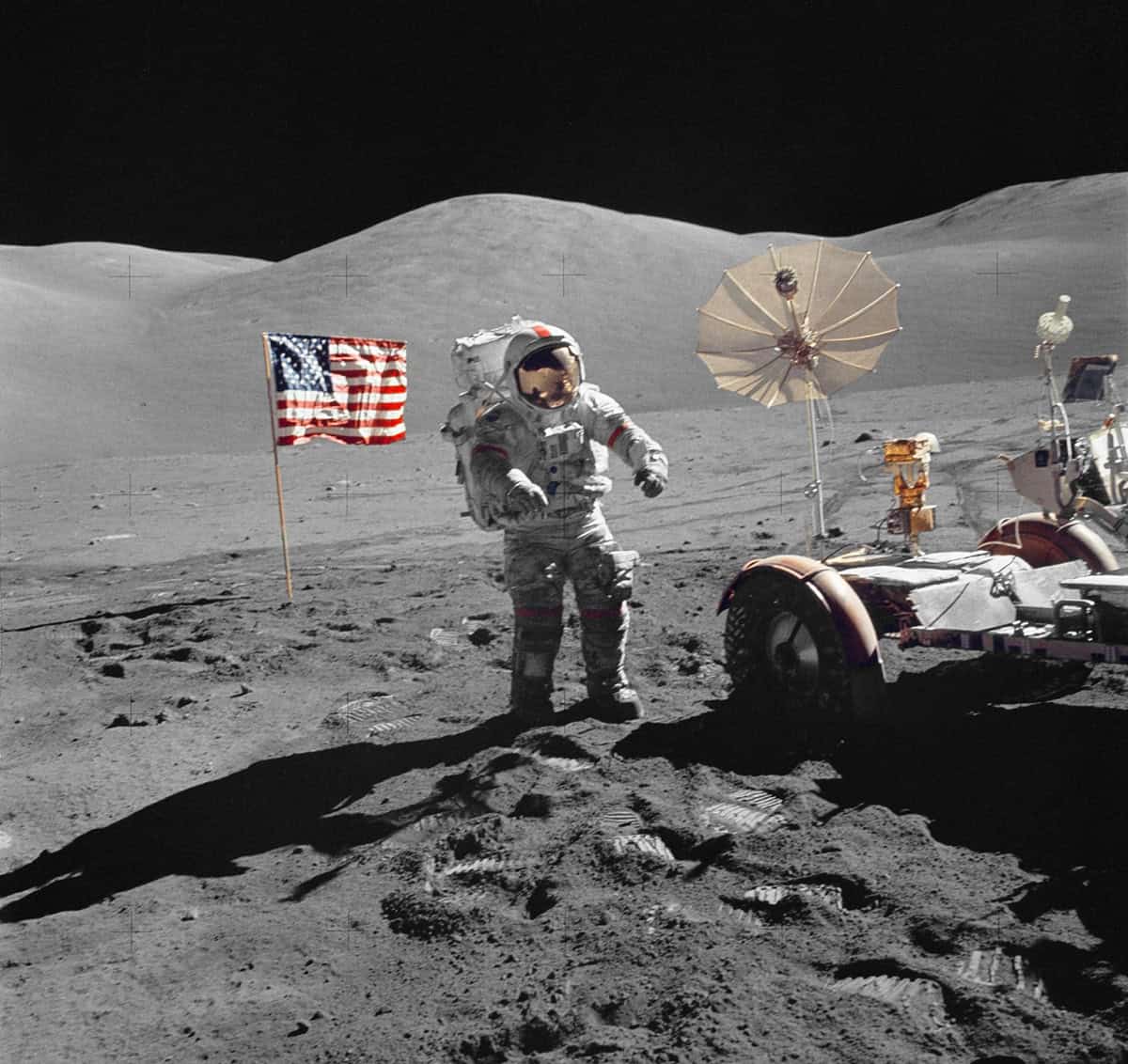
NASA astronaut walks on the Moon from a USA flag to a lunar rover

The first crewed mission to the Moon took place in December 1968 when NASA’s Apollo 8 entered lunar orbit. Over the next four years, the US sent another eight crewed spacecraft, including the historic Apollo 11 mission that saw Neil Armstrong take humanity’s first steps on the Moon.

But we then stopped sending people to our rocky satellite. The Apollo missions were cancelled due to budget costs and changing political priorities, while the Soviet Union’s efforts to land cosmonauts on the Moon stalled on the launchpad with the failure to develop their N1 heavy lift rocket. Many uncrewed missions from around the world have impacted, orbited, flown by or landed on the Moon, but – until now – none have had human passengers, leaving Gene Cernan as the last person to set foot on the Moon on 13 December 1972 as part of the Apollo 17 mission.

While science was not the priority for Artemis II, the scientific community is already positioning itself to make the most of returning to the Moon. Hendrix points out that three researchers from PSI have been selected as participating scientists for Artemis IV. Meanwhile, tangential to the Artemis programme is the Commercial Lunar Payload Services (CLPS), in which NASA is working with private contractors to build small landers that can take scientific experiments to the Moon. Although their success in landing has been somewhat mixed so far, it opens the Moon up to a wider range of scientists.

That’s important, says Hendrix, because there’s less grant money coming from NASA, which has seen its budget remain more or less the same while shouldering the burden of more large-scale missions.

“There is concern in the planetary science community that opportunities have been shrinking and it is because the budget hasn’t increased enough over the past couple of decades to accommodate all the programmes that are happening,” says Hendrix. There is also great uncertainty in the US science community around funding and budget changes under the current administration. “Planetary scientists can at least do some science on the Artemis missions as part of the landing science team, and they can be part of the science teams for instruments on CLPS missions, and those are the bulk of the opportunities now.”

The US is not the only country with its sights set on the Moon. China is also hoping to send astronauts – or taikonauts – by 2030. They will travel in the Mengzhou seven-person spacecraft, which is currently scheduled to do its first orbital uncrewed test flight in September 2026. The corresponding lunar lander, called Lanyue, is also under development. In the meantime, China has been sending regular robotic missions to both the near and far side of the Moon, and has brought precious lunar samples back to Earth. These missions have involved some – albeit limited – international co-operation, particularly with European scientists who have had experiments flown on the missions.

Inspiring the world from the Moon

Since the safe return of the Artemis II crew, the reaction has been as philosophical as it has been admiring of the technical feats of the mission. This was especially notable during the astronauts’ press conference, in which they discussed not the sights they had seen, but the way the mission had brought the whole world together in support.

“When we came home, we were shocked by the global outpouring of support, of pride, of ownership of this mission,” admitted Wiseman. “The four of us wanted to go out and do something that would bring the world together.”

Public interest is vital if the Artemis programme is to continue being funded, explains Hendrix. “The whole of planet Earth was brought along with them, as we watched on our screens,” she says. “Getting everybody on Earth behind these missions is important, especially the people who make the budget.”


Earth with the Moon as foreground

When Apollo 8 took three astronauts around the Moon for the first time during Christmas week of 1968, it brought the American public together during a time of national strife because of the Vietnam War. The famous “Earthrise” photograph taken during the mission also became a rallying cry for the burgeoning environmental movement.

The global circumstances around the time of Artemis II’s launch were not dissimilar, with wars in South-West Asia and Ukraine continuing against a backdrop of impending environmental disaster and social and political strife. Perhaps our return to the Moon will help bring people back on Earth together once again.

Gap in neutrino energy spectrum raises questions about cosmic environments

A new analysis of data from the IceCube Neutrino Observatory suggests that the energy spectrum of cosmic neutrinos is more complex than was previously thought. Whereas a previous study found that the energies of these ubiquitous, nearly massless particles follow a simple power law distribution, the latest analysis reveals a knee-like bend in the spectrum at around 30 TeV. The discovery could help astrophysicists better understand where cosmic neutrinos come from and what objects and processes in the universe are producing them.

Neutrinos are subatomic particles that are around a million times less massive than electrons. They are known to come in (at least) three different “flavours” – electron, muon and tau – but they have no electrical charge, and they interact with matter only rarely, via the weak nuclear force and gravity. This means they can travel vast distances through the universe without being deflected by magnetic fields or absorbed by interstellar material along the way.

Astrophysicists think cosmic neutrinos are produced in collisions between high-energy cosmic rays and other particles. Since cosmic rays are accelerated by a range of astrophysical sources – including gamma-ray bursts, active galactic nuclei powered by supermassive black holes, and other extreme cosmic processes – the neutrino spectrum is a way of gleaning information about where these sources are and how they work.

The catch is that because neutrinos interact so weakly, they must be studied using detectors with a very large volume. For this reason, neutrino scientists often use natural structures such as deep water or expanses of ice to support their detectors. These locations also have the advantage of being shielded from muons, cosmic rays and other sources of background noise.

Measuring neutrinos since 2010

The 5000 optical sensors that make up the IceCube observatory are suspended within a cubic kilometre of Antarctic ice. They are designed to detect the telltale flashes of visible and ultraviolet light that occur whenever a neutrino interacts with a molecule of ice. During these rare detection events, the neutrino either leaves behind an elongated track or produces a “cascade” in which its energy is contained in a small, spherical volume inside the ice.

IceCube’s detectors have been operating since 2010 and the earliest data they produced suggested that the energies of the detected neutrinos followed a single falling power law distribution. Researchers were initially pleased with this result because it agreed with simple models that related cosmic neutrinos to cosmic rays, says Aswathi Balagopal V, a postdoctoral researcher at the University of Wisconsin, US, and a member of the IceCube collaboration. These models suggested that cosmic ray acceleration takes place exclusively in so-called shock environments where collision events produce neutrinos.

In the new work, Balagopal V and colleagues performed two different, independent, types of analysis on more than 10 years’ worth of neutrino observations in the 1 TeV to 10 PeV range. The first analysis involved measuring a sample of neutrino cascades and a sample of neutrino tracks in the detector. The team then combined the results of both sets of measurements to characterize the neutrino spectrum.

The second analysis used a new event sample consisting of neutrinos with “interaction vertices” inside the detector. “This sample therefore contains neutrinos of all flavours,” explains Balagopal V, “and we performed a fit to the energy spectrum using these events.”

Both analyses arrived at the same conclusion, rejecting a single power law distribution with a confidence of more than 4𝜎 (the usual maximum confidence being 5𝜎). The best fit for the data was instead a broken power law, with the spectrum of neutrino energies falling more steeply at higher energies than at energies below around 30 TeV, Balagopal V tells Physics World.

“This implies that there are fewer lower energy neutrinos when compared to what one would obtain with a simple extrapolation of the prediction from higher energies,” she says. “This changing shape of the spectrum can indicate several things: either a changing population of cosmic neutrino sources; or a change in their production mechanism.” If cosmic neutrinos come from more than one kind of astrophysical source, she adds, then each type may be accelerating cosmic rays in a different way.

A final option, Balagopal V notes, is that some theories suggest that interactions with dark matter can also produce such a spectral feature. “With these measurements, we have opened up the possibility of discoveries in any of these directions,” she says. “With more detailed analyses, we could identify if there are additional features in the energy spectrum and we are already analysing new IceCube data to this end.”

Theranostics: building the bridge between nuclear medicine and radiation oncology

In the ongoing quest to improve cancer treatments, the radiation oncology community is looking to add to its armoury of radiation-based treatments. In particular, radiopharmaceutical therapy (RPT) – also known as molecular radiotherapy (MRT) – and the emerging sub-field of theranostics are set to play an expanded role as radiation medicine shifts towards a more integrated, multidisciplinary approach.

RPT is an evolving modality that uses a tumour-targeting molecule attached to a therapeutic radioisotope to deliver radiation directly to tumour cells. Theranostics takes this approach a step further, pairing the therapeutic radioisotope with a diagnostic analogue to image the disease before therapy and predict how the radioactive drug will be taken up by a specific patient.

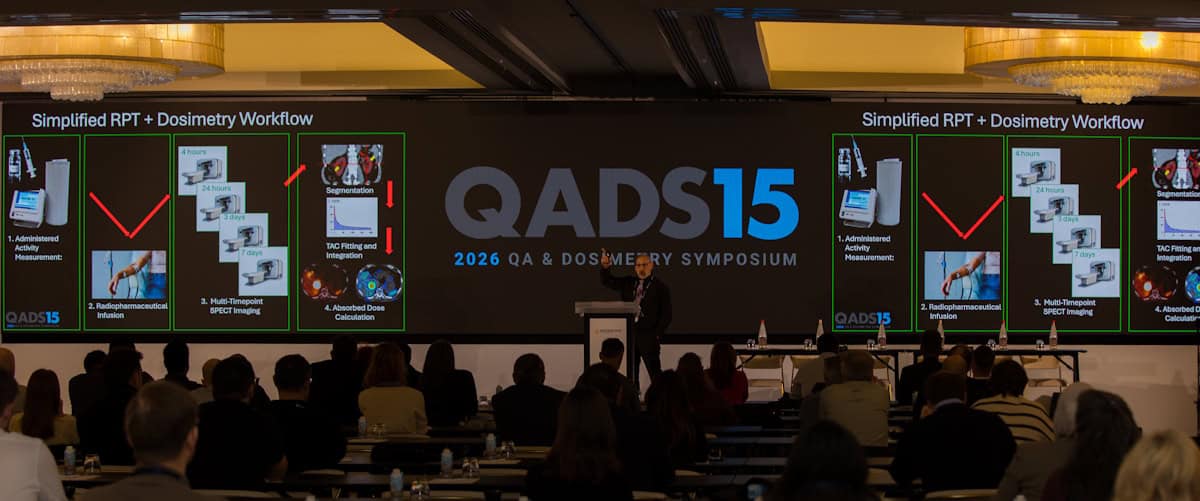
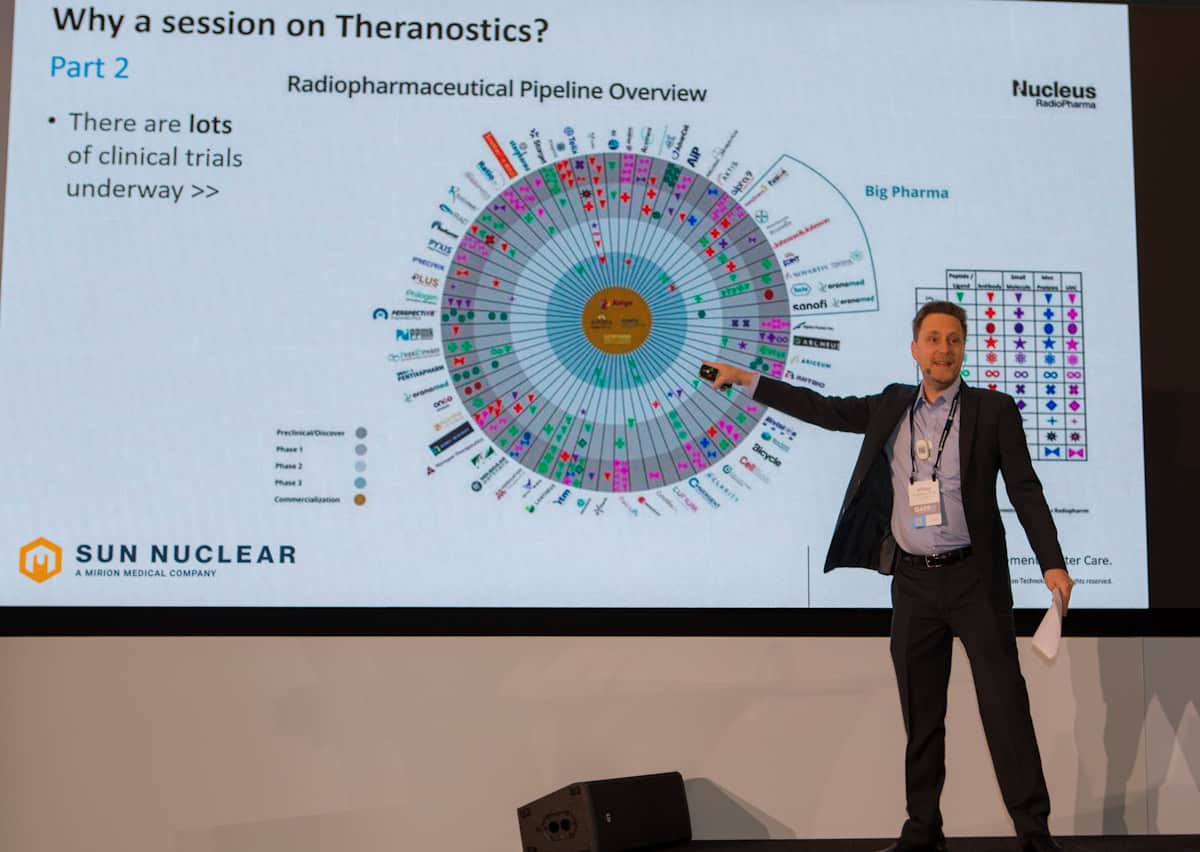
“Interest in theranostics has really exploded since the clinical approvals of two radioactive drugs that are being used right now to treat patients,” explained Jeff Kapatoes, vice-president of regulatory, physics and product at Mirion Medical, at the recent QA & Dosimetry Symposium (QADS) hosted by Sun Nuclear.

The two approved drugs – Lutathera and Pluvicto – are approved for treating neuroendocrine tumours and certain prostate cancers, respectively, currently for later-stage disease but with multiple clinical trials ongoing to expand their remit to early-stage disease. “There are also active trials that treat other disease sites, such as lymphoma, breast and lung,” Kapatoes noted. Alongside, some 70 companies are developing their own therapeutic radiopharmaceuticals, with nine candidates now in phase-three trials and closing in on approval.

But despite its vast potential, theranostics is still in the early stages of widespread clinical adoption. While external-beam radiotherapy benefits from established treatment and quality assurance methodologies, this is simply not the case for theranostics. And as demand continues to grow, it’s vital that the full theranostic workflow is standardized – from radioisotope production through to final delivery to the patient.

Mirion Medical can support this integration of theranostics into radiation oncology, offering a broad portfolio of products designed for the entire theranostics lifecycle. The transition will also rely heavily on the contribution of medical physicists, who are uniquely positioned to implement theranostics programmes within their institutions.

Theranostics today

Speaking at the QADS event, John Sunderland from the University of Iowa explained the current situation. “The reality is, in external-beam radiotherapy, there are methods to ensure that the beam reaches the right place and the energy deposited is what you think. In RPT, you don’t control where the dose goes, biology and biochemistry do.”

He described a typical theranostic prostate cancer treatment, which begins with a PET/CT scan to visualize how a diagnostic radioisotope binds to the patient’s prostate cancer cells. Candidate patients are then injected with a therapeutic radioisotope comprising the same cancer-targeting molecule labelled with the beta emitter lutetium-177 (177Lu), which delivers highly localized radiation dose to the tumours. Importantly, this drug can also be imaged, using SPECT/CT to track its delivery.

Serial imaging enables treatment to be tailored to a patient’s response. Sunderland discussed one patient who had almost complete response after three treatments with Pluvicto (which is delivered in up to six cycles of 200 mCi). “There’s no reason to keep giving radiation dose to this patient, which might result in adverse events, we may as well stop,” he explained.

More typically, a patient will exhibit stable disease or a modest response – likely because not enough dose was delivered to the tumour. Simply increasing the amount of injected activity, however, risks increasing the dose to non-target organs such as kidneys or bone marrow. “Instead, we’re trying to move to dosimetry-modulated RPT where you modulate the amount of injected activity based upon the dosimetry in that first cycle,” Sunderland explained. “Then you can optimize the efficacy while maintaining critical organ toxicity levels to below where they might have adverse effects.”

Such dosimetry modulation requires three things: accurate measurement of the injected activity using a radionuclide calibrator; quantitative SPECT mapping of the absorbed radiation dose; and uniform software tools. But challenges remain, due to a lack of standardization at all three stages.

“Even expert physicists making the same dosimetry measurements with the same image data could vary by 20 to 30%, just because of the methodology they choose,” said Sunderland. “We have to standardize. We’re not where the external-beam people are, we’re all doing it differently because it’s so new.”

The QADS meeting

The PDIB project

The Precision Dosimetry Imaging Biomarker (PDIB) project hopes to remedy this situation via three parallel projects: establishing a network of secondary standards calibration laboratories (SSCLs); standardization of SPECT/CT scanner calibration procedures; and standardization of dosimetry calculation workflows. “Only if we can do that are we actually going to be able to define our radiation dose-effect curves, as the external-beam field has been doing for years,” said Sunderland.

The first project aims to enable accurate measurement of the injected dose. To achieve this, four SSCLs – at BC Cancer, the University of Iowa, the University of Alabama Birmingham and the Belgian Nuclear Research Centre – will work with the national metrology labs NIST and NPL to support clinical trials worldwide. Using high-purity germanium detectors, the labs will perform absolute activity measurements of the six most commonly used radionuclides (177Lu, 131I, 225Ac, 111In, 203Pb and 212Pb). These samples can then be used by radiopharmacies and imaging/therapy sites to adjust their own dose calibrators to the SSCL measurements, targeting an overall activity uncertainty of less than 3%.

The second project, designed to harmonize quantitative calibration of SPECT/CT for therapeutic radionuclides, involves 12 imaging sites across the US, Europe and Australia. “There’s no standard way to calibrate right now and there’s no way to validate the calibration,” said Sunderland. The plan is to calibrate seven common quantitative SPECT/CT scanner models, using three different phantoms and the six radionuclides, using SSCL-supplied samples to ensure accurate activities.

The final project addresses the dosimetry calculations. Led by five international experts (two in North America, two in Europe and one in Australia), the project will examine 177Lu dosimetry for kidneys, bone marrow and tumours using 20 curated 177Lu-DOTATOC datasets. The teams will use five cases to develop standard operating procedures, then test these procedures on the other 15 cases, using five different dosimetry software packages, to investigate inter-user dosimetry variability.

“Radiopharmaceutical therapy is a big deal,” Sunderland emphasized. “The market for nuclear medicine is growing exponentially; it’s going to be double that of external-beam radiotherapy by 2030. And there are not nearly enough nuclear medicine physicists to do this work.”

In the US, RPT is a shared domain between radiation oncology and nuclear medicine, with active discussion around which department should be handling radiation for therapeutic versus purely diagnostic purposes. In Europe, meanwhile, theranostics generally sits solely within the remit of nuclear medicine.

“We need to recruit the external-beam physicists into the fold,” said Sunderland. “From a dosimetry and physics standpoint, there’s a lot of overlap here and a lot of expertise.”

Supporting the theranostics workflow

This blurring of traditional boundaries between nuclear medicine and radiation oncology creates both opportunities and complexities. With a comprehensive portfolio of products that span both domains, Mirion Medical aims to ease this convergence of disciplines and support the physicists navigating this transition.

Designed to standardize and streamline the full theranostics workflow, ec² Software enables radioisotope manufacturers, radiopharmacies and clinical facilities to provide traceability and support precision, safety and regulatory adherence.

“Products from ec² Software enhance precision through accurate dose tracking and documentation across the radiopharmaceutical lifecycle, improve safety by reducing manual steps, and support regulatory compliance with auditable records,” Kapatoes explained. “Overall, ec² Software helps health systems move from fragmented processes to consistent, scalable operations.”

Meanwhile, Mirion’s broader Radiopharma offering supports the physical and operational infrastructure required for safe and accurate delivery of theranostic procedures. This includes dose calibrators, SPECT calibration phantoms and shielding systems from Capintec, all of which will be key enablers for the introduction of dosimetry-modulated RPT.

“While ec² provides the workflow, traceability and compliance layer, Mirion’s hardware and monitoring solutions address the measurement, protection and safety environment in which those workflows operate,” said Kapatoes. “Together, they create an integrated approach, linking what’s happening operationally with what’s happening physically. This alignment helps health systems standardize processes, reduce variability and maintain compliance as programmes scale.”

Semiconductor metrology and standards will ensure the UK plays to its strengths

Smaller, faster, more efficient: the quest for relentless miniaturization has served the global semiconductor industry well – and, in fact, continues to do so, with the number of transistors on a microchip still doubling (per Moore’s Law) roughly every two years. Increasingly, however, applied scientists and engineers are redefining semiconductor progress along multiple axes of innovation.

The drivers? On the one hand, there is a convergence of new materials, advanced device concepts and heterogeneous integration (which combines different materials or technologies within one high-performance microelectronics package); on the other, the market-pull of disruptive technologies like AI and machine-learning, quantum computing and electrified transportation.

For the UK, “the opportunity is real and the direction is clear”, according to a new semiconductor metrology roadmap published by the National Physical Laboratory (NPL), the UK’s National Metrology Institute.

Following a three-year consultation exercise with around 500 semiconductor experts, the report – UK Priorities in Semiconductor Metrology and Standards to Drive Innovation and Growth – states that the UK must invest in foundational metrology and standardization capabilities to unlock commercial opportunities across the semiconductor supply chain.

“There’s been a gap in understanding – in policy circles and in industry – about the critical role that semiconductor metrology plays in defining what good looks like,” says Gareth Edwards, head of advanced manufacturing and materials strategy at NPL. “Publication of this roadmap is an attempt to reset the narrative by ensuring that metrology and standardization are treated as integral components of the UK’s semiconductor strategy, not as peripheral technical concerns.”

By shaping how emerging semiconductor technologies are measured, qualified and trusted, the roadmap argues the UK can help define the rules of future markets, support resilient supply chains and convert scientific excellence into sustained economic and strategic advantage.

“There’s a lot at stake here,” adds Edwards. “The countries that drive the conversation on standards development can ensure first-mover advantage for their domestic manufacturing base when it comes to roll-out and acceptance of new semiconductor materials, processes and products.”

Punching above its weight

While the NPL roadmap acknowledges that the UK is unlikely to become a leader in large-scale advanced silicon manufacturing alongside the likes of Taiwan, Korea and the US, the country has notable strengths that align well with the long-term trajectory of the global semiconductor industry.

NPL's Gareth Edwards

The UK’s academic and industrial R&D base, for example, consistently punches above its weight, underpinning world-class capabilities in compound semiconductors, materials science, photonics, power electronics, device modelling, semiconductor tooling and applied measurement science. Through organizations like NPL and BSI, the national standards body, the UK also has an unrivalled reputation for rigour and trust in metrology and standardization.

All of which matters even more given that next-generation semiconductor technologies are advancing much faster than the standards that govern how they are made, tested and integrated.

For context, mature silicon platforms are built upon decades of recognized best-practice and widely adopted specifications. Novel materials and device architectures, by contrast, often arrive without agreed performance metrics, standard test methods or even consistent terminology.

“This means that NPL, and other national metrology institutes like it, have significant work to do where new technologies have to compete or integrate with incumbent semiconductor products,” explains Sebastian Wood, principal scientist for semiconductor materials and devices in NPL’s electronic and magnetic materials group.

The NPL roadmap therefore lands at an apposite moment, setting out 12 metrology priorities to address the UK’s capability gaps in semiconductor technology and manufacturing (see “Made to measure: the path to next-generation semiconductors”, below).

Sebastian Wood

The roadmap’s call-to-action spans the full life-cycle of semiconductor innovation – from materials and structures, through process development and scale-up, to device and system performance – with the aim of exerting influence where global semiconductor markets are still evolving rather than competing where they are already mature.

“As a facilitator,” says Wood, “NPL’s role is to address these metrology priorities by mobilizing key stakeholders across the UK semiconductor ecosystem.”

Operationally, that means bringing together representatives from industry, academia and government to work on all aspects of semiconductor performance metrics, benchmarking and standards development; at the same time, reinforcing the UK’s voice in the European and international standards development organizations. “We want the UK to be a country that defines semiconductor standards, not one that must adapt to them,” he adds.

Joining the semiconductor dots

Encouragingly, the effort to translate the strategic vision for “UK Semiconductor” into economic upside is already under way. The official launch of the semiconductor metrology roadmap is a case in point, with a well-attended workshop at NPL’s Teddington campus in March yielding recommendations for delegates at all levels of the semiconductor supply chain.

The roadmap states that industry must engage earlier and more consistently in pre-competitive metrology and standards activity, recognizing it as an investment in market access and competitiveness. Academia, meanwhile, must align fundamental research more closely with the measurement and qualification needs that shape industrial adoption. Government, too, has a critical role to play by recognizing standards as strategic assets and through targeted funding for pre-competitive standards metrology and research.

“The metrology and standards roadmap offers a framework for a more joined-up innovation pipeline in semiconductor technology,” Wood concludes. “In this way, we will enable UK companies to not only translate their breakthroughs in basic science, but commercialize, scale and project them on global markets.”

Made to measure: the path to next-generation semiconductors

The NPL roadmap – UK Priorities in Semiconductor Metrology and Standards to Drive Innovation and Growth – sets out 12 priorities that must be addressed if the UK is to play a leadership role in the development of next-generation semiconductor technologies. The headline themes map versus the lifecycle of semiconductor innovation.

Materials and structures

  • Material property and measurement
  • Material quality and metrics
  • Defect metrology and classification
  • Metrology for complex 3D structures

Process development and scale-up

  • Defining manufacturing sustainability metrics
  • Process metrology and in-line inspection
  • Confidence in complex data flows and AI analysis
  • Heterogeneous integration standards

Devices and systems

  • Hardware security standards
  • Next-generation devices: performance testing
  • Package performance testing
  • Device reliability standards

Memory device breaks high-temperature performance record

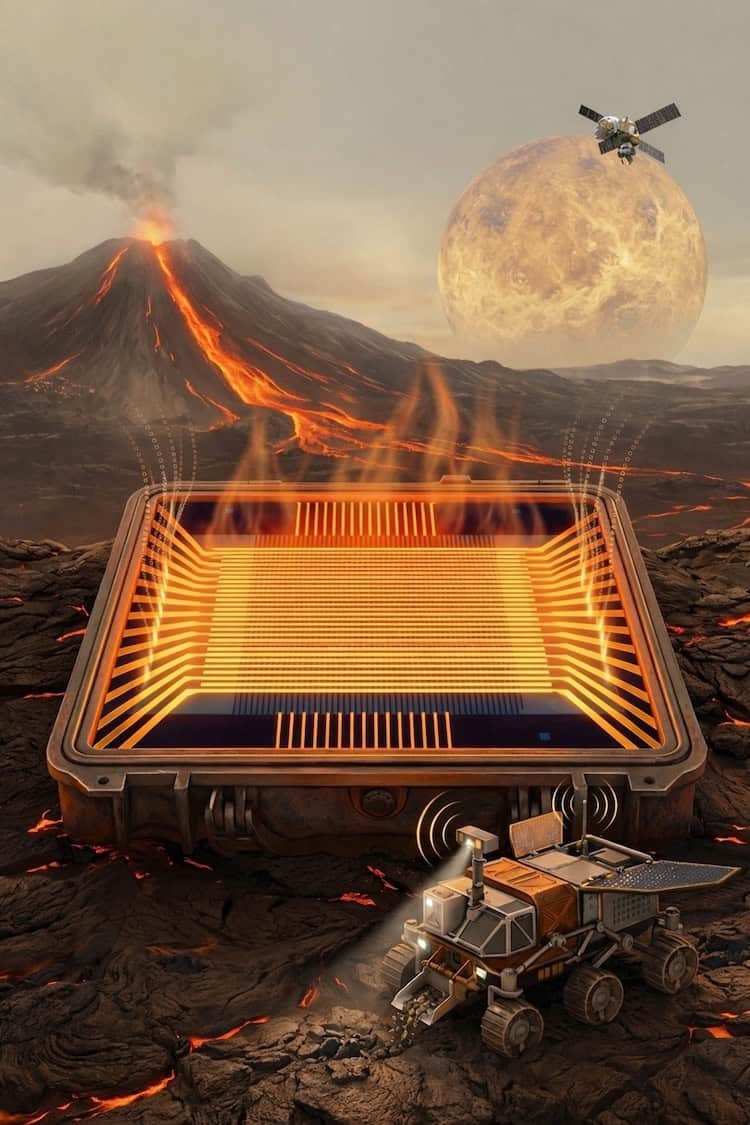
Image showing the memristor chip against a background of a volcano spewing lava. There's a planetary rover in the foreground.

A memory device that can operate at temperatures over 700 °C could enable electronic systems to withstand harsh conditions with less need for cooling. The device, which is a memristor based on graphene, tungsten and a hafnium oxide ceramic, can store data for over 50 hours, has a working voltage of just 1.5 V, and is robust to more than 109 switching cycles. It also has a high switching speed of just tens of nanoseconds, according to its developers at the University of Southern California (USC), US.

“Our work provides one of the most critical electronic components – memory – for a wide range of applications, particularly in extreme environments,” says Joshua Yang, who directs USC’s Center On Neuromorphic Computing undeR ExTreme Environments (CONCRETE). “These include space exploration, deep-Earth drilling (for geothermal energy) and nuclear and fusion energy plants in which intense heat is generated.”

Heat-tolerant electronics could also dramatically reduce the need for energy-intensive cooling systems, cutting both power consumption and fan noise, Yang adds. “Our work also shows that these devices require significantly lower voltage and current to operate at elevated temperatures – meaning higher ambient temperature can actually improve energy efficiency of computing systems.”

A device to remember

Rather than being fixed, the resistance of a memristor (or memory-resistor to give it its full name) changes depending on the current or voltage previously applied to it. This means that specific resistances can be programmed into the devices and subsequently stored. Importantly, the “remembered” value of the resistive state persists even when the power is switched off, making it a non-volatile form of electronic memory.

Memristors are also capable of processing large amounts of data in parallel, making them faster and more energy-efficient than conventional memories for certain calculations such as matrix-vector multiplication. They are therefore useful for in-memory computer technologies, including those that are now routinely employed in artificial intelligence (AI) hardware.

An unexpected discovery

The memristor described in the new CONCRETE Center study consists of a hafnium oxide (HfO2) layer sandwiched between two electrodes: a tungsten one on top and a graphene one on the bottom. Tungsten has the highest melting point of any metallic element, and the study’s first author, Jian Zhao, notes that graphene (a sheet of carbon just one atom thick) can also withstand high temperatures without degrading. Nevertheless, Yang says they didn’t specifically set out to make a super-high temperature device.

“As often in science, this work originated from an unexpected discovery,” he explains. “We identified a material stack with significantly higher temperature tolerance while investigating something else completely – namely trying to build a different kind of device using graphene.”

Understanding why this stack could withstand such high temperatures and validating their hypotheses took considerable effort, Yang tells Physics World. The team used a combination of advanced electron microscopy, spectroscopy and first-principles calculations to work out the physical mechanisms behind the process, he adds.

The role of graphene

In conventional ceramic-based memristors, like those with a platinum bottom electrode, high temperatures cause the metal atoms from the top electrode to migrate through the ceramic layer until they reach the bottom electrode. When this happens, the two electrodes permanently connect and the devices short-circuit.

In the USC team’s memristor, though, this simply wasn’t happening. “Graphene puts an end to this process,” Yang explains. “Tungsten atoms still drift towards the graphene electrode as expected, but because of its surface chemistry and structure they cannot anchor onto it. These atoms therefore end up migrating away from the electrode, so avoiding short-circuiting and device failure.”

The researchers, who report their work in Science, say that one future research direction might be to search for materials that have a similar surface chemistry to graphene, but are easier to handle. Their next goal, which they acknowledge will be challenging, is to integrate their high-temperature memristors with logic devices (such as those based on SiC substrates) that can also withstand extreme temperatures.

To advance their memristor technology, Yang and his colleagues Glenn Ge, Miao Hu and Qiangfei Xia have founded a start-up company, Tetramem Inc., focused on developing memristor-based machine learning/AI accelerators. Though scaling up their devices will take time – the current examples were made by hand in the lab at the sub-microscale – Yang says that creating high-operating-temperature accelerators could enable intelligent computing in extreme environments, including space applications or datacentres.

How polarons travel through TiO₂

Complex oxide materials form a large family of compounds with highly tuneable electronic properties, making them important for electronics, magnetic devices, and energy technologies. In many of these materials, electrons interact strongly with lattice vibrations and form polarons, quasiparticles consisting of an electron plus the surrounding lattice distortion. Polarons play a key role in determining how materials conduct electricity, but they are difficult to study because theoretical modelling requires advanced methods to describe strong electron-lattice interactions characteristic of polarons, and experiments must be performed on ultraclean samples to reveal intrinsic behaviour.

In this work, the researchers combine experimental and theoretical approaches to study polarons in TiO₂, a material that is ideal for this purpose because it has a simple crystal structure, well‑known phonon modes, well‑characterised defects, and strong, reproducible electron-phonon coupling. They use a state of the art simulation method called first‑principles electron‑phonon diagrammatic Monte Carlo (FEP‑DMC), which accurately predicts polaron formation and transport. The calculations predict a room temperature mobility of around 45 cm² V⁻¹ s⁻¹ and a characteristic temperature scaling of μ ∝ T⁻¹·⁹, while also revealing microscopic details of polaron structure, phonon cloud distribution, and lattice distortion that experiments alone cannot access.

Lead researchers Marco Bernardi (left) from California Institute of Technology and Bharat Jalan (right) from University of Minnesota

The team then grew ultrahigh‑quality TiO₂ thin films with controlled oxygen vacancies using hybrid molecular beam epitaxy, achieving record high electron mobility in excellent agreement with the theoretical predictions. Microscopy and spectroscopy measurements show that oxygen vacancies act as intrinsic n‑type dopants and strongly influence low‑temperature transport, including in‑plane resistance anisotropy and signatures of the Kondo effect.

Together, these results provide the most detailed picture to date of how large polarons move in TiO₂ and demonstrate that the theoretical method is a reliable predictive tool for polaronic materials. This unified framework will help guide the design and engineering of improved electronic and energy materials in the future.

Do you want to learn more about this topic?

Review Phonons and thermal transport in graphene and graphene-based materials by Denis L Nika and Alexander A Balandin (2017)

When Fermi arcs flip, the current flips

Weyl semimetals are quantum materials in which electrons behave as if they are massless, moving with a linear energy-momentum relationship similar to photons. These materials also host Weyl fermions with a built‑in chirality, meaning their spin and momentum are locked in either a left‑ or right‑handed configuration.

A distinctive feature of Weyl semimetals is the presence of Fermi arcs which are surface electronic states that connect projections of bulk Weyl nodes. Because these arcs inherit the chirality of the underlying Weyl fermions, their motion is directionally biased and highly sensitive to the surface environment. This makes them promising for surface‑state engineering in topological devices.

The researchers show that the surface of the Weyl semimetal Co₃Sn₂S₂ can generate a strong, tunable second‑order nonreciprocal electrical response, which depends sensitively on the surface termination and can be further controlled by adjusting the surface potential. Crucially, when the Fermi arcs undergo a Fermi arc Lifshitz transition, a change in how the arcs connect across the surface Brillouin zone, the nonlinear current reverses sign. This sign flip arises from the chiral nature of electron velocities on the arcs.

The work demonstrates that measuring nonreciprocal transport provides a direct and experimentally accessible fingerprint of Fermi arc topology, offering a practical route to track and control surface states in Weyl semimetals without relying on complex surface‑sensitive probes.

Read the full article

Nonlinear transport fingerprints of tunable Fermi-arc connectivity in magnetic Weyl semimetal Co3Sn2S2

K X Jia et al 2026 Rep. Prog. Phys. 89 020503

Do you want to learn more about this topic?

Recent progress on correlated electron systems with strong spin–orbit coupling by Robert SchafferEric Kin-Ho LeeBohm-Jung Yang and Yong Baek Kim (2016)

Decoupling electrical and thermal mechanisms could optimize brain tumour therapy

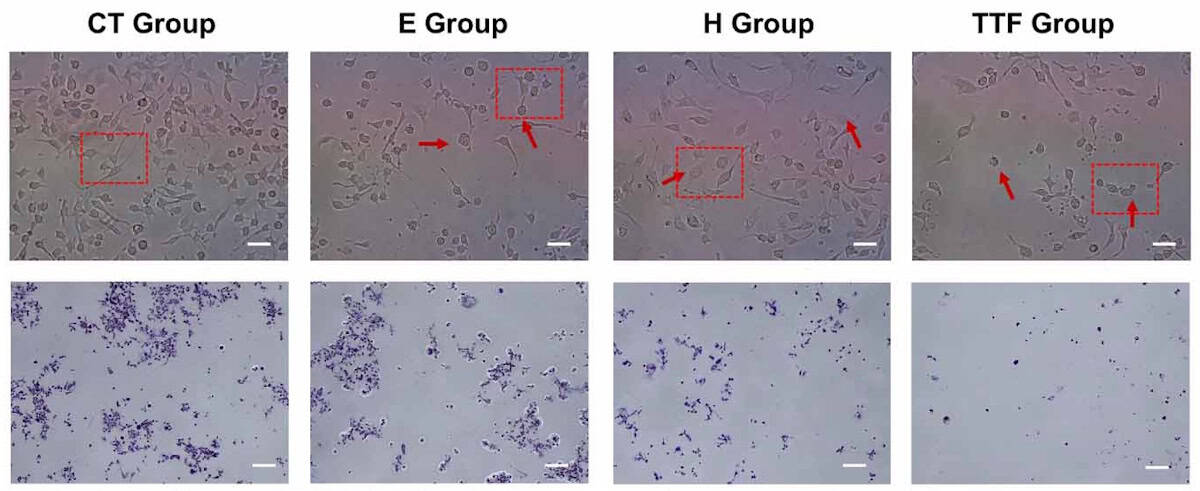
Effects of decoupled electrical and thermal fields on cell morphology and viability

A non-invasive cancer therapy known as tumour treating fields (TTFields) uses low-intensity alternating electric fields to inhibit cancer cell division and cause cell death. A new study providing fresh insights into how the applied electric fields kill cancer cells could help optimize future treatment of the brain cancer glioblastoma (GBM).

Most patients with GBM will have surgery to remove as much of their tumour as possible, before undergoing radiotherapy and chemotherapy. For newly diagnosed or recurrent GBM, tumour growth or spread can sometimes be slowed by adding in TTFields treatment. TTFields directs low-intensity (1–3 V/cm) alternating electric fields through the scalp to the tumour via insulated ceramic transducer arrays. The 200–300 kHz frequencies precisely target the rapidly dividing GBM cells, creating biophysical forces that disrupt cell division.

Simultaneously, the interaction of the electric fields with local conductive biological tissue heats those areas to between 38 and 39.5°C. While careful thermal management is required to prevent this “intrinsic mild hyperthermia (iMH)” side effect from injuring the scalp, studies in pancreatic cancer models have shown that deliberate application of additional hyperthermia in combination with TTFields can enhance cytotoxicity and inhibit cell migration. In this latest study, a team of researchers, led by Aili Zhang from Shanghai Jiaotong University in China, investigated whether the intrinsic heating during TTFields treatments for GBM could be optimized to produce similar advantageous effects.

“Our initial interest was to understand the biological effect of the electric field itself to find out why TTFields therapy works for some people but not for others,” explains Zhang. “As we looked more closely, we found that applying the field inevitably generates heat, which makes it difficult to distinguish the pure electrical effect from the accompanying thermal effect.”

That problem led the team to focus on electrothermal decoupling, in other words, separating the electrical and thermal components: an important step for clarifying the exact mechanism by which the GBM cancer cells are killed and for developing possible treatment optimization protocols.

As detailed in Physics in Medicine & Biology, Zhang and colleagues used numerical simulations to help them create an in vitro experimental platform capable of decoupling TTFields’ electrical and thermal components. The 230 kHz, 2 V/cm electric fields were applied via custom-designed, conductive, 2 mm-wide titanium electrodes created to safely enable precise delivery to in vitro wells containing murine GBM cells.

The team used numerical modelling to estimate temperature, and to optimize the electrode geometry and spacing such that a stable and sufficiently uniform electric field could be generated in the central monitoring area where the cells were being analysed.

“Just as importantly, the modelling told us how much intrinsic heating would be generated during TTFields exposure and how to compensate for it. Based on those results, we could set the incubator conditions to create a pure electric condition, a pure thermal condition and the combined TTFields condition,” explains Zhang.

Their results revealed that while the electric field component of TTFields was more closely associated with suppressing the proliferation and migration of cells, the decrease in both cell viability – thanks to elevated levels of calcium ions which help mediate cell death – and metabolic activity was primarily due to the thermal iMH.

“We became genuinely excited when the decoupled experiments started to show that the electric and thermal components were not simply producing the same biological effect at different intensities, but were contributing in clearly different ways,” Zhang tells Physics World.

“That was a significant moment because it suggested that the heat generated during TTFields should not be viewed only as an unwanted by-product, but as a potentially meaningful therapeutic component,” she continues, explaining that, importantly, “the combined TTFields condition performed better than would be expected from a simple additive effect”. This electrothermal synergy, the researchers believe, comes from the thermal component sensitizing the cells by increasing membrane vulnerability and disturbing calcium homeostasis, thereby allowing the electric field to more effectively drive cell death.

Next, Zhang plans to confirm the synergistic effect at the molecular level and “systematically examine how the electrothermal interaction changes across different TTFields frequencies, field strengths and thermal conditions for different GBM human cell lines”. The ultimate aim is to find the “optimized treatment protocol” for glioblastoma. Understanding such heating effects could also help optimize other medical treatments such as cardiac ablation, she adds.

Proton therapy could improve treatment options for dangerous heart rhythm disorder

A first-in-human study from researchers at the Mayo Clinic has shown how proton therapy could provide a new treatment option for patients with hard-to-treat ventricular tachycardia (VT), a life-threatening heart rhythm disorder. In the small group of patients examined in this early feasibility study, the treatment led to a 79% reduction in VT episodes.

VT is a type of abnormal heartbeat in which faulty electrical signals in the ventricles cause the heart to beat too quickly, meaning that it can’t pump enough blood around the body. Treatments include antiarrhythmic drugs or the use of catheter ablation to destroy the areas of myocardium (cardiac muscle) responsible for the abnormal signals. Sufferers can also be fitted with an implantable cardioverter-defibrillator (ICD) that automatically delivers a shock to reset the heart’s rhythm during a VT attack.

Some patients, however, don’t respond to conventional therapies, including antiarrhythmic medications and catheter ablations, and ICD shocks can significantly impact quality-of-life. For these cases, cardiac radioablation – which uses external-beam radiotherapy to target the problematic myocardium – is under investigation as an alternative, catheter-free treatment for VT.

Previous clinical studies of cardiac radioablation have employed photon-based irradiation, which can expose surrounding cardiac tissue to low-to-moderate radiation doses. Beams of protons, on the other hand, deposit almost all dose at a defined depth (the Bragg peak) and could enable more precise targeting with reduced irradiation of nearby healthy tissue.

“The main motivation for investigating cardiac radioablation is to improve upon the limitations and suboptimal outcomes of catheter ablation of VT in some patients,” explains lead investigator Konstantinos Siontis. “The motivation specific to protons is the potential dosimetric advantage, allowing more precise myocardial targeting while minimizing radiation to surrounding cardiac and extracardiac structures compared with photons.”

In this new study, reported in Heart Rhythm, Siontis and colleagues used proton-based cardiac radioablation to treat seven patients with advanced cardiomyopathy (disease of the heart muscle) and recurrent VT despite drug treatment and previous catheter ablations.

First-in-human investigation

To define the target myocardium for radioablation, the team integrated data from multiple imaging modalities (primarily MRI, plus CT) with information from electrocardiogram (ECG) and electrophysiology mapping originating from the patient’s prior invasive ablation procedures. The CT images were then used to contour the target and organs-at-risk (OARs) and for treatment planning.

The researchers designed treatment plans to deliver a single 30 Gy fraction of expiration-gated intensity-modulated proton therapy to the cardiac internal target volume (ITV, the target myocardium expanded to include cardiac motion) while sparing surrounding OARs. They point out that, due to safety uncertainties in thisfirst-in-human study, they took a generally conservative approach to target definition. In all patients, at least 90% of the ITV received 100% of the prescription dose, while a median of 96.2% of the ITV received at least 95%. Importantly, only 4.3% of non-target myocardium received a dose of 20 Gy or above.

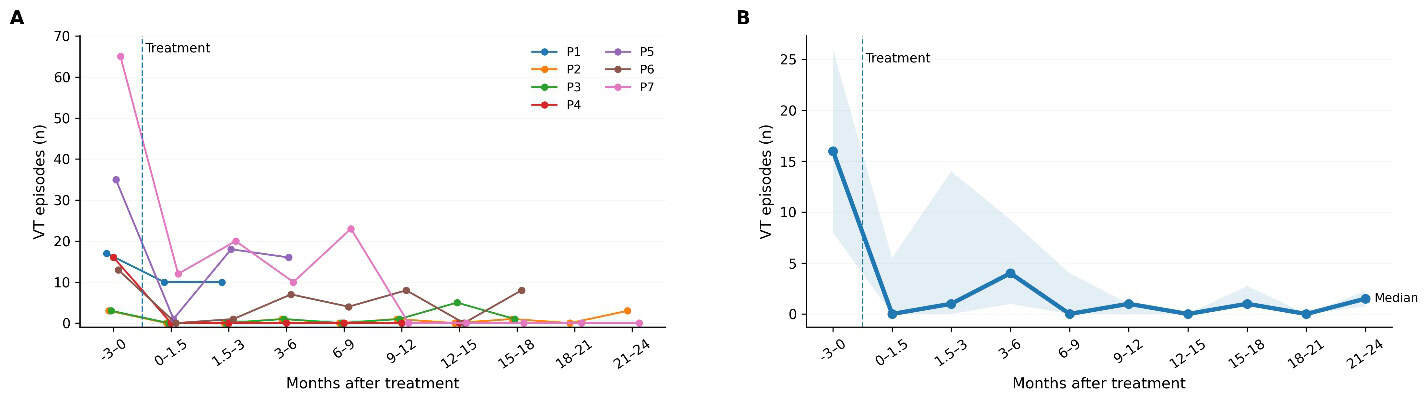
VT episodes before and after treatment

After treatment, the investigators performed follow-up evaluations for up to two years (median 514 days). Most patients experienced recurrent VT during this time, although less frequently than before the radioablation. Across all patients, the rate of VT events declined from 7.24 per patient-month in the three months before treatment to 1.52 per patient-month afterwards – corresponding to a 79% reduction in VT event rate. None of the group experienced serious treatment-related side effects and key heart function measures remained largely stable.

All patients in this study had advanced structural heart disease with severely reduced ventricular function and recurrent VT, putting them at high risk of both arrhythmic and heart failure-related mortality. In line with this profile, two patients required heart transplantation (at 66 and 514 days after treatment) and three died (at 155, 502 and 529 days), due to progressive heart failure.

“This early feasibility study demonstrates that proton cardiac radioablation for refractory VT can be safely planned and delivered with encouraging reductions in arrhythmic burden and no clear treatment-related toxicity,” the researchers conclude. “These findings support the feasibility of proton-based cardiac radioablation and justify further investigation,” they write.

Siontis notes that alongside the emergence of cardiac radioablation techniques, catheter ablation tools are also constantly improving. “Radioablation is unlikely to replace catheter ablation broadly, but it could become an important complementary or salvage option for patients with refractory VT who are poor candidates for invasive procedures,” he tells Physics World.

The team is now planning a larger prospective trial to better define the safety, efficacy and optimal targeting. “We are also investigating improved radiation delivery techniques, such as optimizing treatment planning around cardiac motion,” says Siontis. “In parallel, we continue to investigate photon radioablation in a pivotal randomized trial (RADIATE-VT), while we also offer proton therapy as a compassionate use option for patients in need in our clinical practice.”

The strange metaphor of Euglena’s tail

Quantum mechanics is so full of strange phenomena that it’s not surprising that physicists have had to dream up some vivid metaphors to explain them. Who can’t help but think of cats in boxes when contemplating superposition or balls of jumbled yarn when musing over entanglement? Like all metaphors, these use familiar experiences to help understand the unfamiliar.

Metaphors come in many different types. “Love is a rose”, for instance, is a “filtrative” metaphor, in which a secondary subject (a rose) guides us how to perceive another, primary subject (love) by drawing our attention to key features.

In a “creative” metaphor, however, the secondary subject eventually becomes the technically correct term for the primary subject. This has happened over and over again in quantum mechanics: entanglement, superposition and spin are all examples.

A third kind is a “perceptual” metaphor, which seeks to recast our overall view of something. A good example is physician Lewis Thomas’s remark that the Earth is “most like a single cell.”

But one extraordinary metaphor proposed 10 years ago by Christopher Fuchs, a physicist at the University of Massachusetts Boston, involves a type of algae known as Euglena. Fuchs decided to invoke this single-celled, biological organism to help understand not just one quantum-mechanical phenomenon but possibly the deepest mystery of all: the relationship between quantum formalism and the world around us.

Subjective matters

Ever since Werner Heisenberg and others developed quantum mechanics more than a century ago, physicists have been debating what it means and what it says about the world. Over the years, there have been many different points of view, or “interpretations”, of quantum mechanics, but they all fall into two main camps.

One set claims that the formalism of quantum mechanics quantifies some actual, objective structure that existed even before humans and is independent of what we do. Another set of interpretations treats the formalism like a tool that lets humans make predictions about the world. In philosophical terms, the former interpretations are “ontological” and the latter “epistemological”.

Fuchs and a loose conglomerate of physicists and philosophers, however, have been advocating an entirely different approach, known as QBism. It says that any measurement we make – whether determining the spin of an electron or stamping our feet on the ground – is a new creation; it’s an experience that never existed in the world before. Quantum states aren’t therefore real states of affairs in nature but subjective probabilities we assign to our interactions with the world.

Subjective probabilities aren’t as strange as they sound, simply describing a user’s degree of belief about an individual event. Objective interpretations, in contrast, see probability distributions as physical. QBism’s conclusion that many pieces of the formalism are subjective simultaneously distances our subjective control over nature. For a one-horse race, I can predict the winner with certainty, but nevertheless, the race can still get washed out by rain. Even if I make a prediction with certainty about an event, nature can throw us a curveball and do otherwise.

For Fuchs and his supporters, quantum theory is therefore an appendix to Bayesian probability theory. Originally developed by the British philosopher and statistician Thomas Bayes in the 18th century, it evaluates a user’s judgment about how likely an outcome is (such as whether a horse will win a race) rather than being about pre-existing states of affairs (such as passively recording the speed of particles in a gas).

Fuchs calls his interpretation of quantum mechanics QBism as it derives from the term “Quantum Bayesianism”. Quantum mechanics, according to Fuchs, is a “user’s manual” that “anyone can pick up”, devised by experienced players to guide individual experimentalists to make wise bets on measurement outcomes.

Subjective interpretations of quantum mechanics treat the formalism as something for individuals to use and apply for all kinds of physical phenomena

The key point is that while quantum state assignments are subjective, the rules underlying them aren’t. They have been analysed, evaluated and corrected over time by communities of physicists. Subjective interpretations of quantum mechanics treat the formalism as something for individuals to use and apply for all kinds of physical phenomena.

Enter Euglena

If you’re struggling to get your head around all of this, that’s where Euglena comes in. It’s a single-celled freshwater algae, roughly 50 microns long, that has a long whip or “flagellum” that can sense nutrients and propel the organism towards the food. The tail, which is the product of many years of evolution, helps only the organism to which it is attached. However, by studying it, we can learn not just about an individual Euglena but also the wider environment in which it moves.

The metaphor of Euglena’s tail therefore does two things. First, it expresses the idea that quantum formalism is a manual – a means to get around in the world. Second, it says something about how we interact with the world.

Each organism uses its inherited tail, constantly tested and improved by a community of others, to “guess” how to get around in its environment. But each time the organism does, it encounters something in the environment it never did before.

Euglena’s tail can, in other words, help us to explain why quantum mechanics can be both a single-user theory and the product of extensive study. “By dissecting it,” Fuchs wrote in a 2016 arxiv preprint (1601.04360), “you can learn something about the world that all of us are immersed in.”

Like all metaphors, however, Euglena has its shortcomings.

Imagine standing above the Euglena and observing it through a microscope. It would be perfectly reasonable to say that “there is” an environment that the organism senses “thanks to” the whip. We might also conclude that what a Euglena encounters is objective, independent of its presence, and could be predicted by the organism, provided it had enough data and processing ability.

But all this assumes we are looking down from above to adopt a point of view completely detached from Euglena and its environment; we, as researchers, are outsiders. The Euglena organism itself is different. It has no such outside standpoint and each move is creative, encountering a fresh environment.

Physicists have no external standpoint from which to look down on the world

Now here’s the key point of the metaphor. Quantum physicists, too, cannot become “outsiders”. They have no external standpoint from which to look down on the world. They have the quantum formalism, but it’s a guide to what we find in our fresh encounters with the world.

The critical point

Fuchs’s Euglena metaphor has a much broader scope than the other scientific metaphors mentioned above. It is not so much about comparing a piece of the organism to quantum mechanics, but a way of comparing an organism’s adaptation to its world to the experimentalist’s user-manual; in turn, it becomes a story about what the world is.

The Euglena’s tiny whip is a way to grapple with the ontological lesson of quantum mechanics. You might, in fact, call it an “ontologizing” metaphor.

Robert P Crease  (click link below for full bio) is a professor in the Department of Philosophy, Stony Brook University, US, and Gino Elia is a philosopher of physics who is spending 2026–27 at the Ludwig Maximilian University of Munich, Germany, e-mail gino.elia@stonybrook.edu

Copyright © 2026 by IOP Publishing Ltd and individual contributors