Summer internships: Claire Houghton – ‘I got to see real scientific experiments, where no-one knows exactly what’s going to happen’

While immersed in your studies, it can be hard to see the bigger picture of what physics is used for beyond academia. When Claire Houghton was studying physics at the University of Sussex, she decided that she wanted to use her physics knowledge in her future career, but she didn’t want to do a PhD, so she started looking for internships to discover what options were out there.

“I signed up for SEPnet, which the University of Sussex is part of, and I got a booklet with project summaries and profiles of companies that wanted to recruit interns for the summer.” Houghton sent a CV and cover letter to the companies that she was interested in, and was invited to an interview at Kurt J Lesker, a company that makes vacuum products for research equipment.

After being offered an internship, Houghton moved to Hastings for the summer, where the UK branch of the company is based. She worked on a project looking at vapour deposition to create thin films of material, and investigating how the quantities of material deposited would affect the properties of the end product. “That was really exciting because I got to run experiments and learn to use real equipment.”

The following summer, she did another placement through SEPnet, this time at Adaptix – a medical-physics company in Oxfordshire, UK, where she worked on a design for a portable 3D X-ray machine. “I was looking at the percentage of electrons that were lost depending on the set-up, to find the electric field that would maximize the number of electrons getting to the place where they would generate X-rays. At university you always talk about the theory of things, but actually seeing the application of the physics that I’d been learning was really exciting.”

Working in the real world comes with its hazards though. While running one experiment, Houghton began to hear sparks, and see flashes like lightning, indicating that the electron paths had gone wrong. “It looked like the beginnings of a fantasy movie where someone’s going to get hit by X-rays and turn into some kind of superhero,” she says. “We had to press the big red emergency button to stop the experiment. It was one of the most nerve-wracking things I’ve ever done. You always see these big red buttons and think it would be terrible to have to press that. Luckily we switched it off in time, so nothing got broken.”

For both internships Houghton moved to a new place. “That was exciting as I got to explore a new area and it made it feel like a real job.” She also joined in with social activities. “At Adaptix we would go out for drinks together some evenings, and we had a sports day with other companies that were based at the same site as Adaptix, which was fun. Watching all these very smart scientists doing three-legged races was funny.”

Houghton now works at Diamond Light Source, a synchrotron facility in Oxfordshire, and she uses many of the skills she developed during her internships. “I really enjoyed the mesh of theory and practice, and my current job has both elements. I work on diagnostics, using experiments and simulations to understand the reason for something going wrong,” she says. “Often at university you don’t see things go wrong in experiments – or if you do, then you already know the reason. The internships gave me an idea of real scientific experiments where no-one knows exactly what’s going to happen, so things might not work perfectly, and part of it is working out why. I really enjoyed that problem-solving aspect.”

As well as helping Houghton decide on her future career, the internships also proved valuable when it came to applying for jobs. “At the end of both internships I created a poster or a report on my project. That’s something you can take with you to an interview and show as concrete examples when they ask about when you’ve used problem-solving skills or worked in a team. It also shows that you’ve thought about what you want to do, rather than just applying for any jobs you see after graduating.”

To find an internship, Houghton suggests going to your university careers office, because they will know about opportunities in your area, and also signing up to a mailing list for internships and graduate schemes.

“Apply to everything that interests you, even if you don’t think you have enough experience. A lot of places looking for interns know that people won’t have experience, but they know that you have gained a lot of skills while studying physics, and you should trust that you have too, even if it doesn’t feel like it. Both internships were really useful in seeing how I could use those skills in my career.”
Imaging, modelling and machine learning combine to predict risk of sudden cardiac death

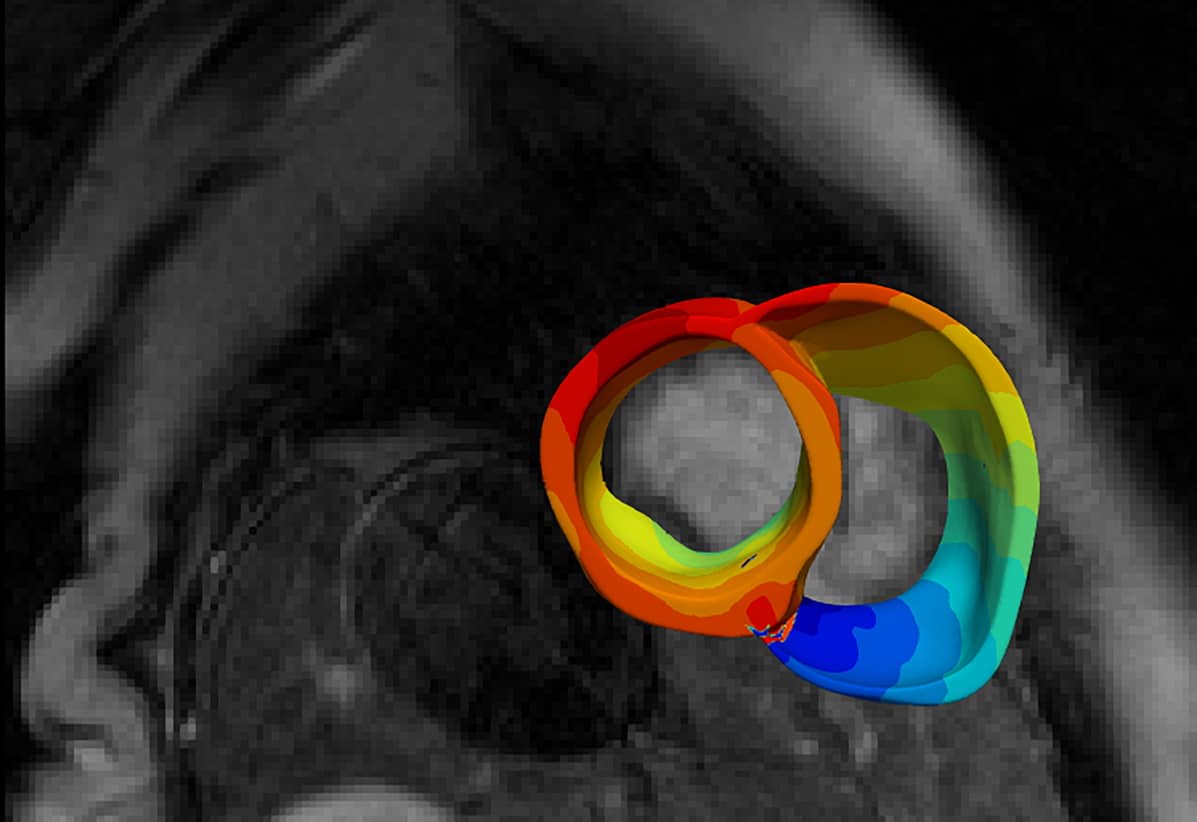
Julie Shade, a biomedical engineering PhD candidate in Natalia Trayanova’s lab at Johns Hopkins University, hopes her research will change how doctors manage cardiac sarcoidosis.

Cardiac sarcoidosis is an inflammatory heart disease in which clusters of white blood cells gather in heart tissue and interfere with the heart’s electrical system. Some patients with cardiac sarcoidosis will have irregular heartbeats called arrythmias that may progress to heart failure or sudden cardiac arrest.

Unfortunately, doctors don’t have precise methods to identify which patients with cardiac sarcoidosis will have an arrythmia. Consequently, only one-third of these individuals receive appropriate care, such as implantation of a defibrillator, and up to a quarter of patients receive inappropriate therapy. In this latest study, results of which are reported in Science Advances, Shade combines data from two types of heart scan with machine learning to create a tool that predicts a patient’s risk of sudden cardiac arrest.

“This is the first study to assess the propensity to electrical disturbances in patients’ hearts using information from multiple imaging modalities,” explains Shade. “When we combined this information with other clinical data in a multivariable classifier, we arrived at an approach that could be used as a clinical decision support tool, helping a clinician assess a patient’s risk of sudden cardiac death due to arrhythmia.”

Modelling electrical signals in cardiac sarcoidosis

Regions of fibrosis and inflammation in the heart – hallmarks of cardiac sarcoidosis – slow down and disturb the electrical signals passing through the heart. To gain insight into how fibrosis and inflammation affect heartbeat, Shade created three-dimensional models of cardiac sarcoidosis patients’ hearts and then measured how electrical conduction in each model becomes disorganized as the result of disease changes in the heart. Researchers could extrapolate these findings to clinical outcomes and a patient’s risk of having an arrythmia.

Modelling electrical signals

While Trayanova’s lab had experience modelling cardiac electrical function, modelling electrical signals’ pathways in cardiac sarcoidosis posed unique challenges.

For example, fibrosis is best visualized using magnetic resonance imaging (MRI), while areas of inflammation are seen with positron emission tomography (PET). Shade and the rest of the research team identified areas of fibrosis and inflammation in each heart by identifying thresholds of image intensity in the MR and PET images and checked these regions against radiologists’ reports. Regions of fibrosis and inflammation identified, the researchers registered MR and PET images/volumes using a combination of landmark- and mutual information-based techniques.

Next, regions of fibrosis and inflammation in each personalized model were populated with heart cells with abnormal properties. Then the researchers took an in-depth, point-by-point look at how the fibrosis and inflammation affected heartbeats by poking each modelled heart with a myriad of tiny electrical signals. They validated the results of their models with clinical ablation data.

“The number of patient heart models here – forty-five – developed for the evaluation of arrhythmia likelihood is the largest in any patient-specific heart modelling study to date, and entailed an enormous effort and investment,” says Trayanova, who is senior author on the study. “We worked together with the clinical team, which had added tremendous value to this study.”

Predicting arrythmias using a classifier

Personalized heart models of patients with sarcoidosis can predict, fairly accurately, which heart is likely to develop heartbeat dysfunction. However, they do not account for other patient clinical data, which, in a complex disease like sarcoidosis, might provide additional predictive value. Therefore, once the heart models were built and validated, Shade implemented a supervised classifier to identify which patients are at risk of sudden cardiac death due to arrhythmia. She trained, tested and validated the classifier on the personalized modelling results, as well as additional MRI and PET data and clinical information acquired retrospectively from 45 patients at Johns Hopkins Hospital.

Shade’s classifier (60% sensitivity, 72% specificity, area under the curve 0.754) outperformed traditional clinical metrics (no higher than 38% sensitivity and specificity). Shade notes that while the sample size of their study is small from a machine learning perspective, it’s large from a modelling perspective.

“Our validation results were stronger than the test results. But the test results were not bad,” says Shade. “I think the reason for that [good performance despite small sample size] is that most or many of the features in the machine learning classifier were based on a mechanistic understanding of how a patient’s heart works…We’re not giving [the classifier] features that have no biophysical meaning.”

“The synergistic combination of mechanistic modelling and machine learning that [we developed in] this study is unique,” Trayanova adds. “The inclusion of features from results of mechanistic modelling in a machine learning classifier imparts interpretability to the predictions, exemplifying how concerns over clinical decisions being informed by ‘black box’ algorithms could be overcome.”

Johns Hopkins Medicine is now prospectively collecting MR and PET images from patients with cardiac sarcoidosis, and Shade would like to use these images to see if the researchers’ combined model and classifier can correctly predict occurrence of arrythmia in these patients. She would also like to validate their modelling techniques and classifier performance in a multi-centre study.

We’re all going on a geeky holiday

Why lie on a beach when you could go to Chernobyl? In the past few years there has been a steady growth in alternative tourism, which includes people going to sites of scientific interest. In this episode of the Physics World Stories podcast, Andrew Glester meets three people who are unashamedly drawn to geeky destinations.

Ruth Nichol is a yoga instructor who travels the world with her husband seeking eclipses. She describes the emotional impact of witnessing totality and her trip to see the Northern Lights from a plane.

Tom Scott is a radiation researcher at the University of Bristol whose work regularly takes him to Chernobyl, Ukraine, the site of the world’s worst nuclear disaster. Scott talks about his research using robotics to track radiation levels in the Chernobyl exclusion zone, which he also described in the Physics World article “Glimpsing Chernobyl’s hidden hotspots“. Over the years Scott has witnessed the rise of Chernobyl tours, which had grown to attract around 100,000 visitors annually before the COVID-19 pandemic.

Finally, Glester catches up with Jeffrey Brunstrom, an experimental psychologist at the University of Bristol specializing in nutrition. As Brunstrom explains, there are tricky psychological barriers that make our post-holiday diets easier to speak about than actually stick to. Brunstrom also describes his love of the Marconi centre in Cornwall, which celebrates the Italian inventor Guglielmo Marconi who undertook groundbreaking telecommunications experiments in the region.

Find out more about science-themed holidays in the August special issue of Physics World, which also has features on the physics of sandcastles and rollercoasters.

Electron interaction with heavy nucleus calculated from first principles

Gutenberg theorists

The interaction between an electron and a calcium-40 nucleus has been calculated from first principles for the first time. Physicists in Germany and the US led by Joanna Sobczyk, Sonia Bacca and Bijaya Acharya at Johannes Gutenberg University Mainz used “chiral effective field theory” to account for the complex interactions that occur when an electron scatters from  calcium-40 nuclei and validated their model using data from experiments.

One of the most important goals of nuclear physics is to predict the observed properties of atomic nuclei based purely on how many protons and neutrons they contain – something that has proven elusive for all but the simplest of nuclei. One property of interest is how nuclei interact with much less massive particles called leptons, which include electrons and neutrinos.

Sobczyk and colleagues are particularly interested in learning more about how neutrinos interact with nuclei, because this information could be used to devise better neutrino experiments. Because neutrinos have no electrical charge, they do not interact with nuclei that often and therefore there is not much experimental data to hone theoretical models.

Instead, Sobczyk’s team has focussed on how the electron interacts with nuclei – which can then be generalized for all leptons. They calculated how a single electron interacts with a calcium-40 using the underlying principles of “chiral effective field theories” – which describe the forces imparted and experienced by individual protons and neutrons in a nucleus.

Too many protons and neutrons

Previously, there were just too many protons and neutrons in a nucleus size of calcium-40 for such a calculation to be done. In their new theoretical approach, the researchers calculated the “longitudinal response function” of calcium-40, which is the probability that an electron will be deflected at a certain angle when it enters the vicinity of the nucleus.

When comparing their calculations with observations from real scattering experiments, Sobczyk and colleagues found that they were in close agreement with each other in cases where the electron and nucleus exchanged a low or intermediate amount of momentum. The technique also allowed them to rigorously quantify any uncertainties in their calculations – which is typically an extremely time-consuming process.

The team believes that its approach represents a key milestone towards first-principles calculations of neutrino-nucleus interactions. In the future it could provide guidance for those building neutrino detectors, which search for extremely subtle signals of interaction between neutrinos and matter. Their methods could also shed new light on the poorly-understood effect of “neutrino oscillation” – where the particles spontaneously transform between three different neutrino flavours.

For now, the team aims to carry out first-principles calculations of argon nuclei which will be used as a detector target in the upcoming Deep Underground Neutrino Experiment (DUNE) in the US. This experiment will be jointly done by Fermilab and the Sanford Underground Research Facility.

The research is described in Physical Review Letters.

Blue plaque unveiled in honour of remarkable Hungarian-born polymer scientist Andrew Keller

Whether dedicated to artists, scientists, sports stars or authors, I’ve seen plenty of blue plaques on houses, walls, shop fronts and labs. But until yesterday I’d never actually attended the unveiling of one of these objects – or even thought about what’s involved in creating a blue plaque and having it approved.

The plaque in question was unveiled on the former family home of Andrew Keller (1925-1999), a remarkable Hungarian-born polymer scientist who was based for most of his career at the University of Bristol in the UK. The only child of Jewish parents, Keller’s father, uncle and aunt were all sent by the Nazis during the Second World War to the Buchenwald concentration camp, never to be seen again.

Alan Windle remembers Andrew Keller

As a student at the University of Budapest in 1943, Keller himself was rounded up and forced to work for a Jewish labour battalion. In what sounds like a movie plot, he escaped, hiding in a haybarn, only to be later picked up by the Russians. This time he ended up at a German-run displaced persons’ camp, but escaped again – breaking free after crawling under three rolls of barbed wire one moonless night.

It’s an incredible story of fortitude and bravery, which saw Keller return to Budapest and graduate with a degree in chemistry in 1947. But the drama was not over. With the Communists looming over Hungary, Keller fled again, escaping by the skin of his teeth the day before his PhD graduation. Thanks to family contacts in Britain and a British intelligence officer in Budapest, he managed to secure a job in the UK with ICI.

Keller moved to Bristol in 1955, where he was taken under the wing of Charles Frank, another scientist honoured with a blue plaque in Bristol. There he made his name studying how long-chain molecules line up to form very thin crystals. Weirdly, the polymers don’t lie in the plane of the crystal but at right angles to it, with Keller discovering that straight sections do repeated U-turns, or “folds”, back and forth.

You’d think that Keller’s story coupled with his scientific prowess make him a sure-fire candidate for a blue plaque. And sure enough, once the idea was raised, a group of researchers – including materials scientist Alan Windle from the University of Cambridge and Bristol physicist Bob Evans – swiftly secured approval from members of the blue-plaques panel of Bristol Civic Society, chaired by Gordon Young.

Bristol's deputy Lord Mayor

Agreeing on a form of words on a plaque isn’t easy though. “Wording is crucial,” Young told the 50 or so people who attended the unveiling in Bristol yesterday. “It has to be both vigorously expressive and yet concise.” He said that one of the city’s blue plaques required 224 e-mails before the text was agreed, but admitted that on this occasion things had been “a little bit more straightforward”.

Following a tribute by Windle, who worked with Keller and spoke of his humanity, fortitude and scientific passion, the plaque was then formally unveiled by Bristol’s deputy Lord Mayor. But it was Windle’s words that resonated with me.

Keller, Windle said, had three guiding principles for research. Always read the original literature – don’t just quote it but go back through it because it’s amazing what you can find. Second, don’t simply make measurements but use all your senses, something especially true for chemists. And perhaps most importantly, don’t be afraid to challenge the status quo.

Coming from a refugee scientist who used his wits and bravery to escape both the Communists and Nazis, those are guiding principles that it’s well worth remembering – and following.

The importance of taking time out

Due to the success of the COVID-19 vaccination programme in some countries, there is a glimmer of hope that the end of the pandemic is getting nearer. The narrative by the UK government and media is now about the “terminus date” and the eventual “return to work” – despite a developing bump in the road caused by the so-called Delta variant. For most academics, however, the notion of returning to work is a misnomer – not only has work never actually stopped but it has even increased since the pandemic began early last year, resulting in widespread burnout, depression and anxiety.

Following the initial UK lockdown in March 2020, universities and research labs made it a priority for scientists to continue working. A focus was put on shifting to remote work – a change that many disabled people have campaigned for, and often been denied, for years. Yet the increased difficulty of doing research from home – whether it be connecting to unreliable VPNs, a lack of data from paused experiments or not being able to get into the lab – put many in a difficult position. The underlying feeling of “needing to catch up” has emerged, further eroding the line between personal and professional life.

In this new stage of the pandemic, we must remember that although we are returning to work in person, we never actually stopped working

Now, seemingly out of nowhere, we are being prompted to return to work (face-to-face) with at best a small extension to projects. There is little to no accounting for the enormous cost that working from home has caused for many people’s personal and mental wellbeing. Students and academics across the board have put in more time than they would normally have to keep their work progressing at a similar pace to pre-pandemic levels. This includes additional tasks such as writing, recording, editing and posting video lectures for online teaching, planning and implementing new projects that can be done virtually, as well as attending meetings outside of “normal” working hours to keep in touch with international collaborators. All of this is done at a personal cost, with no formal compensation to account for the countless extra hours these tasks have taken.

Given this dire situation, taking time off for a holiday may not have even been a thought during these tumultuous months. It is well known that pre-pandemic there was a serious problem with academic burnout, with people at all stages of the academic career ladder regularly going years without taking a holiday. Indeed, prior to the pandemic multiple surveys on thousands of PhD researchers worldwide have found a relatively high level of depression and anxiety among them compared to the general population. PhD students have reported that their university departments or supervisors have enabled bad habits with requests to take a holiday being met with hostility or negativity. Depending on how proactive a group is in checking on the welfare of its staff and students, it is very easy to work every day if everyone else in the office does the same, making it difficult for an individual to ask to take time off. Since the pressures of the outside world have increased so dramatically in the last 18 months, this is only likely to have become worse.

Pursuing interests

Standard working contracts should provide people with paid-for holidays. For example, PhD studentships funded by the UK Science and Technology Facilities Council have up to 25 days holiday (excluding public holidays and weekends) per academic year. Yet this time is not being utilized despite reports of increasing mental-health issues and burnout throughout the pandemic. Unfortunately, the focus on keeping up with research has resulted in the individual’s physical and mental wellbeing falling by the wayside. As we enter whatever the autumn and winter brings, there will no doubt be a lot of new work that comes along with it.

In this new stage of the pandemic, we must remember that although we are returning to work in person, we never actually stopped working. Indeed, taking a few days to hurriedly arrange a new living situation or sitting, nervously waiting as your department/research group figures out how to work remotely as thousands die, does not count as holiday. Such situations are missing the key “relaxing” ingredient that actually makes it time off. Due to months of lockdown, it may not be possible to finish within whatever your original funded period was, and the feeling of being behind on work and constantly trying to catch up on a never-ending list of tasks is an easy rabbit hole to fall into. However, we must remember that to function, we cannot work 24/7. If you want to conduct research as well as you possibly can, then you must use whatever holiday you are entitled to to pursue hobbies, recover and, most crucially, relax. You mind, body and research will thank you for it.

Low-dose radiation plus immunotherapy can eliminate metastatic cancer in mice

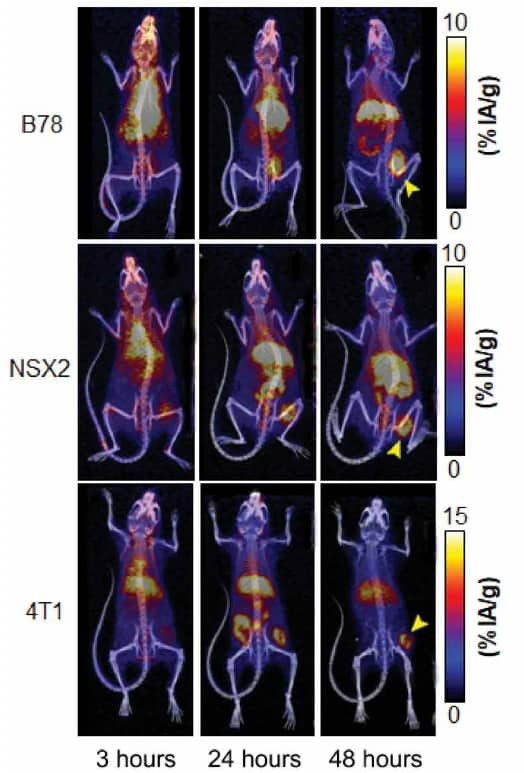
NM600 uptake

Targeted radionuclide therapy (TRT) can increase the effectiveness of immunotherapy, helping to eradicate metastatic cancer in mice even when the radiation dose is too low to destroy the cancer outright. That’s the conclusion of a study by researchers at the University of Pittsburgh School of Medicine and the University of Wisconsin-Madison. Their findings, published in Science Translational Medicine, may lead to a new method for treating metastatic cancer, particularly for immunologically “cold” tumours that do not respond to immunotherapy.

Immune checkpoint inhibitors (ICIs) are immunotherapy drugs that block immune checkpoints, the part of the natural immune system that keeps immune responses from being too aggressive. Blocking these checkpoints allow immune cells to attack cancer cells more effectively. However, some patients have cancers characterized by immunologically cold tumours, which evade or suppress a patient’s immune response.

Preclinical studies have shown that external-beam radiotherapy (EBRT) targeting a single tumour can enhance response to ICIs. But even low-dose EBRT is not typically feasible for patients with metastatic cancers, due to the quantity of tumour sites, the presence of radiographically occult (invisible) tumours that cannot be readily targeted, and the toxicities that large-field or whole-body irradiation would cause.

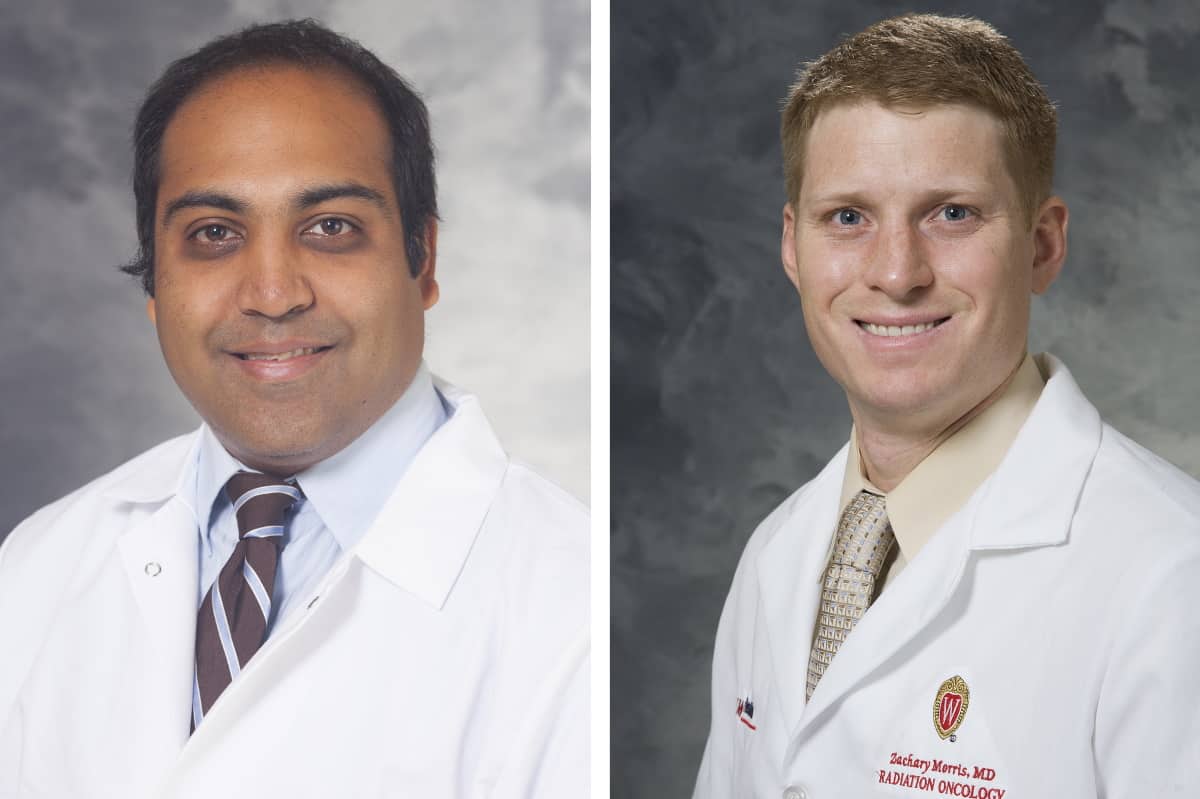
Ravi Patel and Zachary Morris

Lead author Ravi Patel and senior author Zachary Morris hypothesized that low-dose TRT might enhance a patient’s response to ICIs. TRT uses a cancer-targeting molecule to deliver a radionuclide to a tumour. As this radionuclide decays, it deposits radiation in the tumour microenvironment – providing a safe method to deliver radiation selectively to tumour sites. TRT is being developed for treatment of many types of cancer, however, no TRT has been tested to determine how it affects response to ICIs.

For this investigation, the researchers used NM600, a theranostic TRT that preferentially accumulates in most tumour types. NM600 can be used for both diagnostic imaging (86Y-NM600) or delivery of therapeutic radiation (90Y-NM600).

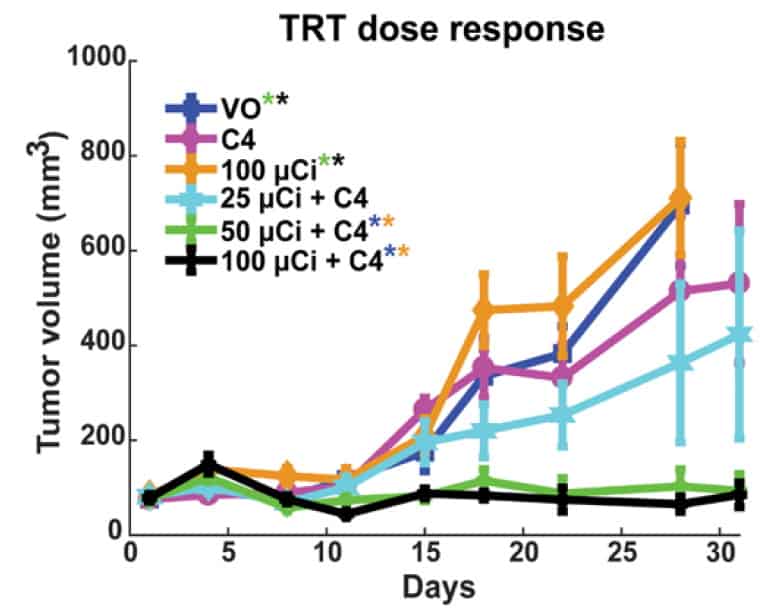
The researchers studied mice with B78 melanoma tumours, injecting the animals with 0, 25, 50 or 100 μCi of 90Y-NM600 (delivering 0, 1.25, 2.5 or 5.0 Gy to the tumour), either alone or combined with the ICI anti-CTLA-4 or dual ICI (anti-CTLA-4 plus anti-PD-L1).

Tumour growth vs dose

Mice receiving 50 or 100 μCi of 90Y-NM600 plus anti-CTLA-4 had significantly improved tumour response and increased survival compared with the group receiving either 90Y-NM600 or anti-CTLA-4 alone. Treatment with 90Y-NM600 plus dual ICI improved survival significantly compared with dual ICI alone.

“Only mice receiving combination TRT plus ICI treatment exhibited durable complete responses, and this represented about half of the group that received both therapies,” the researchers write. “All mice that achieved complete response exhibited immunologic memory against the tumour they had rejected and did not develop cancer again when they had the same type of melanoma tumour cells implanted 90 days later.”

The team also compared the therapeutic efficacy of 2.5 Gy of radiation delivered to a single tumour via targeted EBRT, whole-mouse EBRT or systemically delivered 90Y-NM600, either alone or in combination with anti-CTLA-4.

The whole-mouse EBRT was the least effective treatment, while anti-CTLA-4 plus low-dose targeted EBRT or 90Y-NM600 both increased tumour response. One advantage of radiation delivery via TRT over EBRT, the researchers note, is that TRT can treat all sites of metastatic disease, including those that are radiographically occult.

The mice experienced no visible toxicity from the combination of 90Y-NM600 and anti-CTLA-4, such as weight loss, lethargy or hunched posture. Histological analysis performed 35 days after TRT administration revealed no evidence of toxicity in the animals’ liver, spleen, bone marrow, small intestine or kidneys.

Proof-of-concept study

To examine the feasibility and safety of this approach in larger mammals, the researchers also treated two pet dogs with spontaneous metastatic cancer. The dogs received low-dose radiation to all tumour sites using 90Y-NM600, together with single-tumour-directed, moderate-dose EBRT.

“Because the range of radiation emitted from TRT agents is constant regardless of tumour context, these large animals more closely mimic the setting that will be encountered upon clinical translation of this combined modality approach in humans,” the team explain. The dogs tolerated this treatment combination well without toxic side effects.

Further advantages of NM600, which was developed by co-authors Jamey Weichert and Reinier Hernandez, include its ability to semi-selectively deliver radionuclides to nearly any type of tumour, to cross the blood–brain barrier and to rapidly clear from blood. A Madison, WI-based start-up company, Archeus Technologies, is now completing studies needed to apply for approval from the US Food and Drug Administration to begin testing this agent in human clinical trials within the next one to two years.

In Patel’s lab, meanwhile, researchers are currently expanding upon this initial work by testing the concept with approved cancer therapies, such as 177Lu-PSMA and 177Lu-dotatate, with the goal of translating this treatment approach into the clinic. Patel notes that while combination low-dose TRT with ICI achieved high complete response or long-term cure rates, a proportion of tumours did eventually progress. As such, his lab is also investigating mechanisms of resistance to this therapy and strategies to overcome this resistance.

Astronomers capture most detailed images of large, rare metal asteroid

Astronomers have used the Atacama Large Millimeter/Submillimeter Array (ALMA) to gain a more detailed picture of the composition of the asteroid Psyche. The asteroid, which orbits the Sun at a distance of between 179.5 and 329 million kilometres from Earth, is the target of a NASA mission scheduled to arrive in 2026, and the latest results suggest that its surface is both rocky and highly metallic.

Psyche was discovered in 1852 by the Italian astronomer Annibale de Gasparis. It is classed as an M-type asteroid, meaning that its spectrum resembles that of an iron meteorite, and its diameter of more than 200 km means that it is the largest of its kind ever found.

Asteroid observations

In principle, Psyche’s thermal emissions could offer further clues to its composition. By monitoring the heat radiated from its surface, scientists can infer its thermal inertia, which measures “how much the surface heats during the day and cools at night,” explains Katherine de Kleer, an assistant professor of planetary science and astronomy at the California Institute of Technology and the first author of a paper in The Planetary Science Journal describing the latest measurements. However, Psyche’s small size and relatively large distance from Earth makes it difficult to get in-depth observations of the asteroid’s surface using ground-based infrared detectors. Past efforts have produced only single-pixel images.

To overcome this problem, de Kleer and her colleagues combined data from the 66 radio telescopes that make up the ALMA facility in Chile. By observing all of Psyche's surface multiple times per day, the team gained more insight into its thermal inertia, producing 50-pixel images.

Metallic composition inferred from thermal emissions

These new images reveal that some regions of the asteroid have surface temperatures different from the average, indicating that Psyche’s composition is not uniform. The researchers also found that Psyche has a relatively high thermal inertia compared to other asteroids, yet it radiates approximately 60% less heat than would be expected for an object with such a high inertia. The researchers hypothesize that this is because the asteroid’s surface is at least 30% metal. However, the light reflecting off Psyche’s surface is unpolarized, which would not be the case for an object with a smooth or solid metallic surface. They therefore hypothesize that metallic grains are spread throughout its surface material, causing the light to scatter.

If Psyche is mostly metal, it could mean that it is a pre-planet that had a core, mantle and crust before it suffered a major collision with another object. Alternatively, the researchers suggest that an abundance of enstatite chondrite on Psyche's surface could indicate that the asteroid formed in a different area of the solar system, from material being accreted closer to the Sun. 

While this study is the first to make highly spatially-resolved thermal observations of an M-type asteroid, and to map its thermal emissions, the nature of millimetre observations of rocky and metallic astronomical objects makes it impossible to measure their composition more than a few millimetres below the surface.  NASA’s Psyche mission, which is due to launch in August 2022 with various payloads, will explore the asteroid’s composition further, with the goal of determining whether it is a core fragment or unmelted material. According to de Kleer, “both possibilities remain viable” for now, though she hopes “that future observations, whether from Earth or from the Psyche mission, may be able to differentiate between them”.

Supporting the scale-up of quantum computers

What are your main responsibilities at Oxford Instruments NanoScience?

My role there is to push the company’s technology, advise on new developments in techniques such as dilution refrigeration, and to identify opportunities in the field. The company has products serving both quantum computing and the physical sciences, including a wide range of cryostats as well as dilution refrigerators that can cool samples to a few millikelvin. They all have a range of options for studying samples with magnets or lasers.

You’re combining your new role with your existing position at the University of Glasgow, where you’ve been since 2018. What’s the focus of your research group there?

My team focuses on superconductor-based quantum circuits, developing the cryogenic hardware, the nanoelectronic chips and the electronics needed for quantum computers. Our research therefore covers everything from materials science and device fabrication to circuit integration. We collaborate with other researchers, with start-ups, and with small and medium-sized enterprises (SMEs) both in the UK and internationally. For example, we’re involved in the Quantum Computing and Simulation Hub hosted by the University of Oxford, and have two projects with industrial partners, funded by Innovate UK.

Can you give examples of your work?

We’ve recently been investigating the long-term stability of individual “fixed-frequency” qubits, similar to those that Google and IBM are using for their quantum processors. It turns out that these quantum circuits aren’t very stable for more than a few hours because their coherence times and resonance frequency are affected by tiny, fluctuating surface defects. Finding ways to reduce these microscopic states is a big challenge, but we’ve got some ideas to try. Another recent project has led to a cleaner, wafer-scale process for making tunnel junctions, which are the key component of superconducting quantum circuits. We’ve also been studying the thermal noise introduced by the coaxial wiring to the quantum-computing stage and finding ways to scale up quantum processors.

What other expertise do you hope to bring to the new consultancy role?

Having worked with cryogenic quantum circuits and technologies for almost two decades, I’ve seen them grow dramatically during that time. It’s involved a fascinating mix of electronics, optics, photonics and, of course, cryogenics. There are lots of exciting new applications ranging from dark-matter detectors and single-photon cameras to implementations in quantum metrology, quantum simulation and quantum computing. That progress involves advances in materials science, integration concepts and chip design, underpinned also by improvements to theoretical models and to supporting hardware, such as electronics and cryogenics. My appointment will further support the momentum Oxford Instruments NanoScience is building in quantum computing and materials science to ensure the firm stays at the forefront of the innovation.

Quantum circuits and technologies involve a fascinating mix of electronics, optics, photonics and cryogenics

What’s the most challenging requirement from customers working with quantum tech? Price, size, low noise or cooling ability?

I think it’s all of those things. Keeping the chips well isolated from infrared radiation running down the coaxial lines or from outside the sample package is a big challenge, as is keeping it cold when pulsing more and more qubits simultaneously. When it comes to scaling up devices, then the integration, filtering and thermalization of high-density coax lines with high signal purity is paramount to achieve quantum error correction or increase the quantum volume of a quantum processor.

The quantum scale-up demand goes beyond having more wiring and a bigger fridge, though. Another challenge is the shift from research being funded by government grants to it being funded by companies earning money from selling products in the area.

In such a new market like quantum tech, how do you work out what customers need?

First, we’re close to our customers in both industry and academia. We have a wide range of activities such as sponsoring scientific meetings and conferences, hosting virtual symposium and publishing technical white papers. We also have the Nicholas Kurti Science Prize for Europe, which promotes and recognizes innovative work of early-career scientists in Europe who work with low temperatures and/or use high magnetic fields. And don’t forget that the company does a lot of research and development (R&D) itself – last year investing £26.8m, or 8.4% of turnover, on it. That focus has been kept up over the past 18 months, despite the global pandemic. It’s critical for the business.

Is it hard to develop the right products in a field where research is moving so fast?

Yes, but it’s exciting as well. In quantum computing, for example, we’ve seen massive improvements over the last five years in the number of superconducting qubits you can squeeze on a chip. But other hardware platforms, based on semiconductors, are catching up fast. We’re also seeing traditional, room-temperature-based quantum-computing platforms, such as photonic chips or ion traps, going cryogenic to boost their gate fidelities.

Then there’s the development of more and more hybrid approaches, such as super- and semiconducting circuits with optical faces or “cryoCMOS” control chips near the qubit processor. To serve this evolving market, the new Proteox family of dilution refrigerators provides customers with extra space to install components and other equipment, while also letting them mount samples more easily to operate devices with lots of qubits.

I’d say that the advent of cryogen-free dilution refrigerators 10–15 years ago has allowed researchers to fully focus on the science and technology of quantum computing circuits. What’s more, larger and more powerful cryostats have recently been developed that can host quantum processors with more than 50 qubits, hundreds of coaxial lines and plenty of passive and active microwave components. That’s a dramatic improvement – previous cryostats had a sample volume barely the size of a teacup, whereas now they provide much more space.

Wind farms get noisier at night, say physicists

Noise from wind farms may be more bothersome at night than it is during the day – and not only for the reasons you might expect.

While it’s true that competing sources of background noise (such as traffic) tend to die down at night, and people are more likely to notice sounds when they’re trying to fall asleep, scientists in Australia have found that physics as well as psychology plays a role in wind-farm-induced sleep disturbances.

According to Kirsty Hansen, an acoustics expert at Flinders University, one of the most noticeable types of wind farm noise is the “swooshing” sound produced as the blades rotate. In her latest research, published in Measurement and Applied Acoustics, Hansen and colleagues at Flinders and the University of Adelaide found that this swooshing sound (known technically as amplitude modulation, or AM) is by no means constant. “The noise seems to worsen after sunset,” explains Duc Phuc Nguyen, a PhD student at Flinders and the lead author of both studies. “We found that the amount of amplitude modulation present during the daytime versus night-time varies substantially, occurring two to five times more often during the night-time.”

Members of the team used a combination of long-term noise monitoring and machine learning to analyse how often AM occurred. They found that observers located around 1 km from a wind farm experience AM more than 50% of the time between the hours of about 8pm and 5am, whereas at mid-day the prevalence drops to around 20%. For observers 3.5 km away, the comparable figures are 30% and less than 5%.

The team attribute the day-night variations to differences in prevailing wind and air conditions at the locations they studied. Hansen, who is also involved in a separate study that aims to quantify sleep disturbances due to wind farm noise, notes that people living downwind or crosswind to turbines are also more likely to experience AM.

Hansen says that her long-term goal is to make wind energy more acceptable to the public by improving noise assessment methods, regulatory guidelines and turbine designs for wind farms. “These studies advance our ability to measure and monitor the noise from wind turbines that is likely to be more annoying than other noise types at the same level,” she concludes.

Copyright © 2026 by IOP Publishing Ltd and individual contributors