How the Netherlands is forging ahead in quantum technologies

How did you get into quantum tech?

I graduated from the Technical University of Delft’s Policy Analysis and Systems Engineering department in 1999 and after a two-year stint at KPN Research as a consultant, I joined the Ministry of Economic Affairs as an adviser in 2002. In 2013 – as head of strategy at the ministry – I visited the University of Technology in Delft to hear about their plans to start a quantum institute. Three years later the Netherlands held the presidency of the European Union and we helped to launch the 1bn Quantum Flagship programme. This led to interest from several Dutch research centres and companies, and to combine all this into a coherent national agenda I founded Quantum Delta NL last year together with Ronald Hanson and Jesse Robbers.

What is the role of Quantum Delta NL?

We are the Dutch umbrella organization that connects the five main quantum research hubs: Delft, Amsterdam, Leiden, Eindhoven and Twente. We bridge the gap between fundamental research and business, especially for start-ups that are taking quantum technology out of the lab and into people’s lives. With the Netherlands being such a small country, it is easier for these institutes to collaborate and this type of collaboration is unique – we don’t see it anywhere else. That’s why we think the Netherlands can have a world-leading role in quantum technology over the next decade.

And what do you focus on?

My role is to foster the best ecosystem for quantum technology development. By removing barriers between institutions and procedures, and by focusing on talent and entrepreneurship, we want to establish an open culture where innovation is possible. We also want to go beyond quantum technology being a field only for physicists. To develop quantum products and services for society, other disciplines will be important such as computer science, design, business and law.

We want to go beyond quantum technology being a field only for physicists

Quantum Delta NL recently received 615m from the Dutch government. How will that be spent?

We support research and development in three main topics: quantum computing, quantum networks and quantum sensing. The next step is to give start-ups a better and faster way to market by building new cleanroom facilities so they can develop their technology as well as providing early-stage investment and a tailored acceleration programme dubbed Lightspeed. Additionally, we put extra effort into educating and attracting people as well as the social impact of quantum technology. A dedicated campus for this “quantum ecosystem” – called the House of Quantum – will be operational from 2024.

What is the Netherlands doing in quantum networks?

Last July saw the live demonstration of a quantum-encrypted video being transferred across a quantum connection between Delft and The Hague. Late November we went live with an advanced quantum internet through our Quantum Network Explorer (QNE). QNE is the “software stack” to run such a network. Currently it runs on an emulated quantum network but this will be upgraded to actual quantum hardware soon. We use these demonstrations to show the technology’s capability to potential end-users and technology suppliers and give them a chance to participate.

What are the main challenges for Quantum Delta NL?

The main challenges are to scale up the ecosystem and engage with European industry. The key to these challenges is attracting and training the right talent. Even Quantum Delta NL has not reached the intended capacity yet, let alone attracting people into all the various programmes and start-up companies.

How does the Netherlands compare to the rest of the world?

The Netherlands is third in the world concerning quantum-research output and citations. Because we are nationally well organized, we are also frontrunners in developing the entrepreneurial ecosystem. However, European countries often lack the availability of venture capitalist funding or the big tech companies – both of which we see in the US, for example – that are willing to take the long-term risks. Fortunately, we see European industry engaging and EU governments investing. We also see some of the bigger companies, like Microsoft and Intel, collaborating with our research centres. On that level we are an important global player.

How do you see the interplay between competition and collaboration?

There will always be competition, but we mostly seek to collaborate. The development of quantum technology does not stop at the border – it requires effort on a global scale. On a European level we try to create a European ecosystem for quantum development. We are expanding through participation in several European programmes that have emerged from the quantum flagship programme. As an example, we work with several French institutions on topics such as spin-qubits and we also exchange talent with a job-board for quantum-related jobs in both countries.

Is there a danger that quantum technologies become a “bubble”?

There is a risk of overpromise, and we have a collective responsibility to manage this. Any mismatch between expectations and realization means part of the interest can collapse. We avoid that by tailoring our acceleration programme for start-ups and by only getting the right type of investors on board. But a little bit of hype is not necessarily bad as it will help to excite young talent to go into quantum technologies. As there is a solid scientific foundation underpinning the potential of quantum technology, the question is not if it will happen but when.

Quantum sensor could help detect dementia

A new quantum sensor developed by scientists at the University of Sussex in the UK could help clinicians identify diseases such as dementia, Alzheimer’s and Parkinson’s by tracking patients’ brain waves and monitoring how their speed changes over time. The sensor, which is based on a real-time, high-spatial-resolution neuroimaging technique known as magnetoencephalography (MEG), uses an array of quantum devices called optically-pumped magnetometers (OPMs) to map the tiny magnetic fields generated when neurons in the brain send out electrical signals. If used to monitor patients over a period of several months, the researchers say the new sensor could identify declines in brain signal transmission speed that may be associated with pathology.

Non-invasive neuroimaging techniques have improved significantly over the past few decades, greatly expanding our knowledge of the brain’s inner workings by providing information about neural responses and processes. Previous studies have shown that the ways these processes are distributed within the brain, and how they change over time, are reliable biomarkers for anomalous brain activity associated with neurodegenerative diseases. If clinicians could detect these biomarkers accurately, and with high enough precision, they might be able to predict how a disease will evolve or how a patient will respond to treatment.

The problem is that current clinical methods cannot simultaneously resolve brain signals in space and time.  Functional Magnetic Resonance Imaging (fMRI), for example, can map brain regions with high spatial resolution, but its temporal resolution is low (around 1 s) because it measures changes in local blood flow, which lag substantially behind electrical brain activity. Electroencephalography (EEG), for its part, detects these electrical signals directly, and thus works in real time. However, its spatial resolution is low, especially for high-frequency brain waves.

Evaluating cortical signals

In principle, MEG offers the best of both worlds, making it possible to measure the postsynaptic potentials of brain cells located just below surface of the scalp non-invasively, in real time and with high spatial resolution. Indeed, recent research has used MEG to evaluate abnormal cortical signals in patients with Alzheimer’s, Parkinson’s, autism spectrum disorder and even severe cases of post-traumatic stress disorder.

The drawback is that MEG has to be performed in special magnetically-shielded rooms to reduce magnetic noise from the environment, which is often many orders of magnitude higher than neuromagnetic fields (which are in the femtotesla to picotesla range). In addition, most of today’s MEG systems detect these tiny fields using superconductive quantum interference devices (SQUIDs), which require bulky cryogenic refrigeration. This means they cannot be placed close to the skull, limiting the spatial and temporal resolution of SQUID-based MEG scanners.

Around the turn of the millennium, researchers developed an alternative known as a “spin-exchange relaxation-free” (SERF) OPM. The version used in the current study contains a gas of rubidium atoms, and Peter Kruger, who leads the Quantum Systems and Devices group at Sussex, explains that when these atoms experience changes in their local magnetic field, they emit light differently. Hence, when researchers shine beams of laser light at the atoms, fluctuations in the emitted light reveal changes in the magnetic activity in the brain.

Better at brain signal tracking

In the new work, Kruger, PhD student Aikaterini Gialopsou and other members of the team used their OPM-MEG to record the spatio-temporal patterns of neuronal signals in volunteers responding to visual stimuli. They then compared these patterns to those obtained by conventional SQUID-MEG, demonstrating that the new sensor is better at tracking brain signals in both space and time. “We discovered that this quantum sensing technique can combine high spatial and temporal resolution,” they explain. “While previous techniques were able to locate signals in the brain, this one is the first to record the precise timing of brain signals.”

According to Kruger, the new quantum sensor is accurate to within milliseconds and has a spatial resolution of just millimetres. He and his colleagues now aim to improve the quality of their images still further by increasing the number of sensors in their OPM-MEG scanners. At the moment, this is done by squeezing individual sensors closer together. While this approach is straightforward, it is quickly reaching its limits because of cross-talk between sensors, overheating and other difficulties in scaling up individual sensors to whole imaging arrays, Gialopsou explains. “We are tackling this problem in a fundamentally different way by integrating high-density arrays of OPM sensors based on standard microfabrication techniques and shared resources,” she tells Physics World. “The first modular arrays developed in our group can be easily reconfigured, allowing for quick prototyping of novel sensing schemes and optimisation of sensor components and control systems.”

The new OPM-MEG is detailed in Scientific Reports.

Evidence grows for tetraneutrons as hypothetical clusters are glimpsed in Germany

The tetraneutron, a hypothetical cluster of four bound neutrons, has been glimpsed by physicists in Germany. Although the measurement is well below the statistical significance required for a discovery, the observation is the latest possible sighting of the tetraneutron in the past two decades. Confirming the existence of the tetraneutron would shake-up our understanding of the forces that bind nuclei together and could also provide insights into neutron stars.

For over 50 years, physicists have been looking for clusters of two or more neutrons that are bound together by the strong force – and have found no conclusive evidence for their existence. There have been, however, tentative sightings of tetraneutrons, comprising four neutrons.

In 2002 an experiment at the GANIL accelerator facility in France revealed the first evidence for tetraneutrons – be it fleeting. Then in 2016, tetraneutrons were glimpsed again at the RIKEN nuclear-physics lab in Japan. The Riken team concluded that the tetraneutron is unbound, meaning that it immediately flies apart after being produced. A year later, physicists in the US and France developed a theoretical framework that suggested that if tetraneutrons existed, they would not stick around for very long. As a result, it remains unclear whether bound tetraneutrons exist.

Stable as a neutron

The latest search for was led by Thomas Faestermann and used the tandem Van de Graaff accelerator at the Maier-Leibnitz Laboratory, which is on the Garching campus of the Technical University of Munich. The team fired lithium-7 ions at a target of lithium-7 and observed the particles created by the colliding lithium nuclei. They found that some of the collisions created a carbon-10 nucleus along with a tetraneutron. The data suggest that the binding energy of the tetraneutron is about 420 keV. Calculations by the team suggest that the tetraneutron is roughly as stable as a free neutron, which has a half life of 450 s.

“For us, this is the only physically plausible explanation of the measured values in all respects,” explains Faestermann.

The measurement has a statistical significance of 3σ. However, this is not good enough for particle physics, which normally requires 5σ for a discovery. The team is now hoping that their measurements and analysis can be confirmed by independent groups.

The research is described in Physics Letters B.

Quantum entanglement of two macroscopic objects is the Physics World 2021 Breakthrough of the Year

Quantum technology has made great strides over the past two decades and physicists are now able to construct and manipulate systems that were once in the realm of thought experiments.  One particularly fascinating avenue of inquiry is the fuzzy border between quantum and classical physics. In the past, a clear delineation could be made in terms of size: tiny objects such as photons and electrons inhabit the quantum world whereas large objects such as billiard balls obey classical physics.

Over the past decade, physicists have been pushing the limits of what is quantum using drum-like mechanical resonators measuring around 10 microns across. Unlike electrons or photons, these drumheads are macroscopic objects that are manufactured using standard micromachining techniques and appear as solid as billiard balls in electron microscope images (see figure). Yet despite the resonators’ tangible nature, researchers have been able to observe their quantum properties, for example, by putting a device into its quantum ground state as Teufel and colleagues did in 2017.

This year, teams led by Teufel and Kotler and independently by Sillanpää went a step further, becoming the first to quantum-mechanically entangle two such drumheads. The two groups generated their entanglement in different ways. While the Aalto/Canberra team used a specially chosen resonant frequency to eliminate noise in the system that could have disturbed the entangled state, the NIST group’s entanglement resembled a two-qubit gate in which the form of the entangled state depends on the initial states of the drumheads.

Both teams overcame significant experimental challenges, and their considerable efforts could open the door for entangled resonators to be used as quantum sensors or as nodes in quantum networks. As a result, this work deserves its place as the first quantum-related Breakthrough of the Year since 2015.

Selection criteria

The Breakthrough of the Year and the nine runners-up are selected by five Physics World editors from a list of nearly 600 research updates published on the website this year. In addition to having been reported in Physics World in 2021, our selections must meet the following criteria:

  • Significant advance in knowledge or understanding
  • Importance of work for scientific progress and/or development of real-world applications
  • Of general interest to Physics World readers

Here are the nine runners-up that make up the rest of the Physics World Top 10 Breakthroughs for 2021. You can listen to our editors talk about the Top Ten in this episode of the Physics World Weekly podcast.

Restoring speech in a paralysed man

Clinical trial testing session

To Edward Chang, David Moses, Sean Metzger, Jessie Liu and colleagues at the University of California San Francisco for developing a speech neuroprosthesis that enabled a man with severe paralysis to communicate in sentences, by translating his brain signals directly into words on a screen. To achieve this, the team used a high-density electrode array implanted on the surface of the participant’s brain to record electrical activity in multiple cortical regions involved in speech formulation. Based on a 50-word vocabulary that the system could identify from patterns in recorded cortical activity, he was able to produce hundreds of short sentences. The technique showed a promising median decoding rate of 15.2 words per minute – around three times faster than the computer-based typing interface that he normally used for communication.

Making 30 lasers emit as one

To Sebastian Klembt of the University of Würzburg, Germany, Mordechai Segev of the Technion-Israel Institute of Technology, and colleagues for creating an array of 30 vertical cavity surface emitting lasers (VCSELs) that behave as a single coherent light source, paving the way for large-scale, high-power applications. The team drew on principles of topological photonics to ensure that light from each laser in the array flows through all the others, forcing them to emit at the same frequency. The new design overcomes the power limitations of a previous device built by Segev and collaborators in 2018, and can in principle be scaled up to incorporate hundreds of individual lasers.

Quantifying wave–particle duality

To Tai Hyun Yoon and Minhaeng Cho of the Institute for Basic Science, South Korea; Xiaofeng Qian of the Stevens Institute of Technology, US; and Girish Agarwal of Texas A&M University, US for experimental and theoretical work quantifying the “wave-ness” and “particle-ness” of a photon and demonstrating that both properties are related to the purity of the photon source. In their experiment, Yoon and Cho tightly controlled the quantum state of pairs of photons – a “signal” and an “idler” – emitted by two crystals of lithium niobate. By independently altering the chances that each crystal would emit photons, they showed that this so-called source purity is related to the visibility of interference fringes (a wave-like property) and path distinguishability (a particle-like property) by a simple mathematical expression first articulated by Qian and Agarwal in 2020. The result has applications in quantum information and puts a new twist on interpretations of complementarity – the idea, originating from the 20th-century quantum pioneer Niels Bohr, that quantum objects sometimes behave like waves, and sometimes like particles.

Milestone for laser fusion

National Ignition Facility

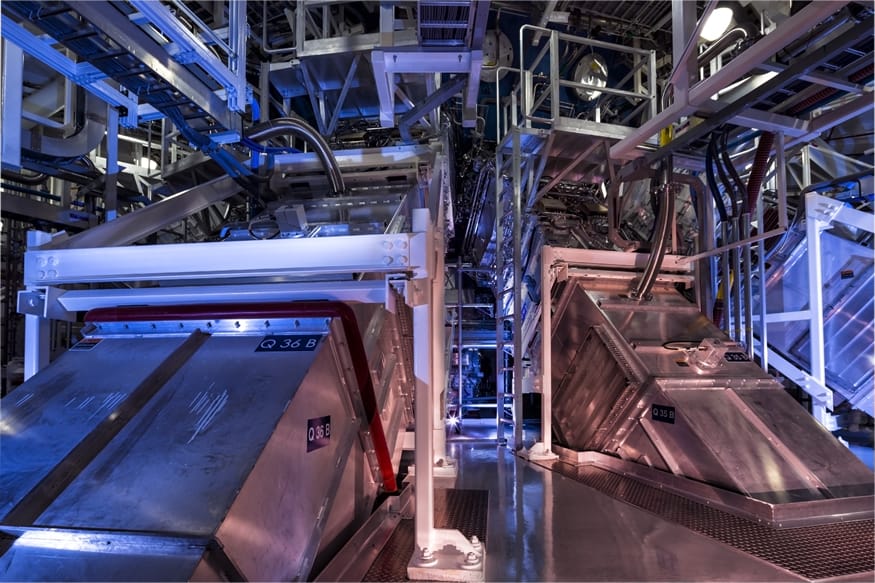
To Omar Hurricane, Annie Kritcher, Alex Zylstra, Debbie Callahan and colleagues at the National Ignition Facility (NIF) in California, US, for taking a step closer to their ultimate goal of realizing “ignition”. Since NIF was turned on over a decade ago, its long-term goal has been to show it can achieve ignition – the point at which fusion reactions generate at least as much energy as its lasers put in. This involves self-sustaining reactions, in which the alpha particles that are also emitted during fusion emit heat to initiate further fusion. NIF, which is operated by the Lawrence Livermore National Laboratory, trains 192 pulsed laser beams on to the inner surface of a centimetre-long hollow metal cylinder known as a hohlraum. Inside is a fuel capsule, which is a roughly 2 mm-diameter hollow sphere containing a thin deuterium-tritium layer. Experiments between 2009 and 2012 fell well short of reaching ignition and so researchers went back to the drawing board to make improvements. That paid off spectacularly on 8 August when researchers achieved an energy yield of more than 1.3 MJ – about 70% of the energy that the laser pulse delivered to the sample. Although still short of break-even, the figure far exceeded previous markers of around 0.1 MJ and some experts have described the result as the most significant advance in inertial fusion since it began in 1972.

Innovative particle cooling techniques

To researchers from the Antihydrogen Laser Physics Apparatus (ALPHA) and the Baryon Antibaryon Symmetry Experiment (BASE) collaborations at CERN, for two separate studies presenting new ways to cool particles and antiparticles. The techniques could pave the way for precision studies examining the matter–antimatter asymmetry in the universe. The ALPHA collaboration demonstrated laser-cooling of antihydrogen atoms for the first time. To achieve this, the physicists developed a new type of laser, which produces 121.6 nm laser pulses, to cool the antiatoms. They then measured a key electronic transition in antihydrogen with unprecedented precision, a breakthrough that could lead to improved tests of other key properties of antimatter. The BASE researchers, meanwhile, showed how to extract heat from a single proton via a superconducting circuit connected to a cloud of laser-cooled ions several centimetres away – a technique, they say, that could easily be applied to antiprotons.

Observing a black hole’s magnetic field

M87* polarization

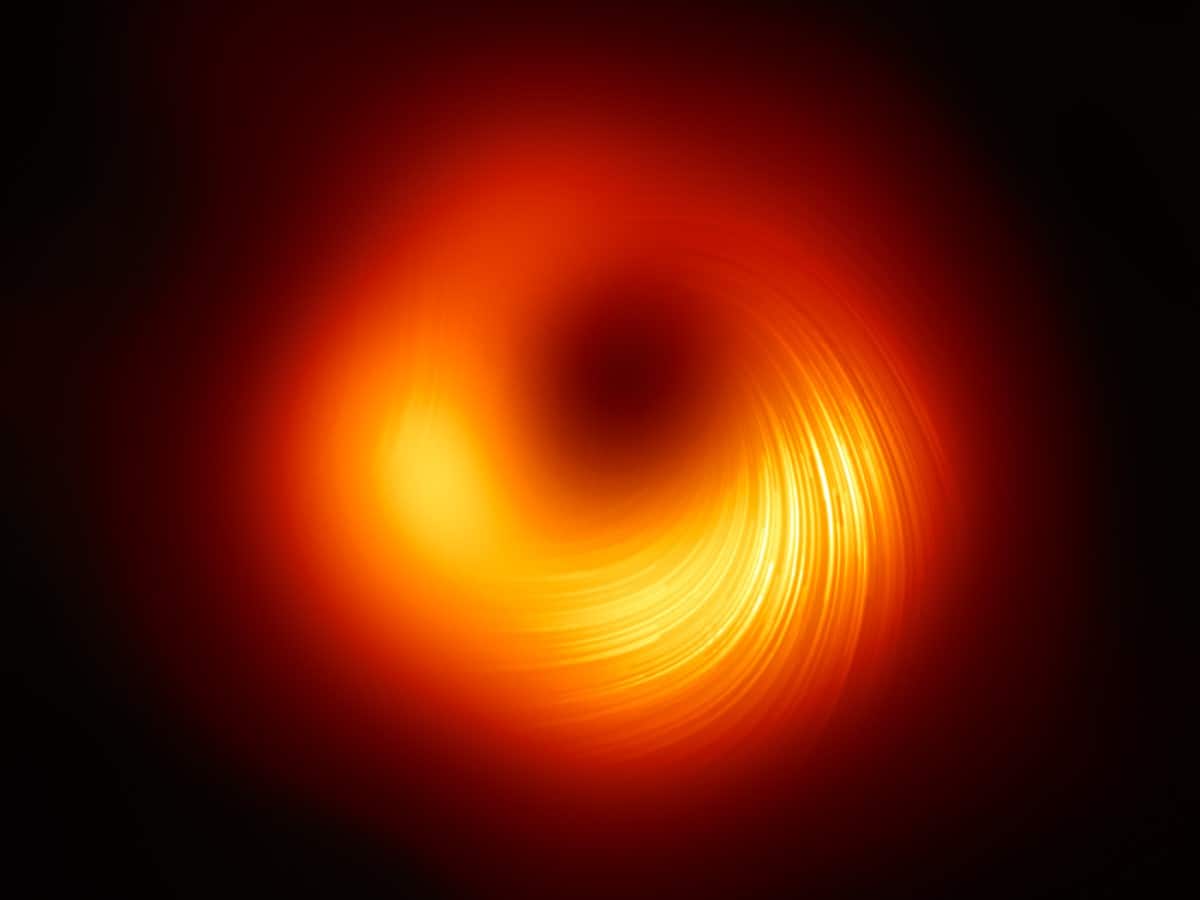
To the Event Horizon Telescope Collaboration (EHT) for creating the first image showing the polarization of light in the region surrounding a supermassive black hole. The polarization reveals the presence of strong magnetic fields in an area where matter is accelerating into M87*, a black hole more than six billion times the mass of the Sun. Further study of this polarization could provide important insights into how some black holes create huge jets that eject matter and radiation into surrounding space. In 2019 the EHT made history by capturing the first image of the shadow of a black hole, and the collaboration was awarded the Physics World 2019 Breakthrough of the Year for that work.

Achieving coherent quantum control of nuclei

To Jörg Evers and colleagues at the Max Planck Institute for Nuclear Physics in Heidelberg and the Deutsches Elektronen-Synchrotron – both in Germany – and the European Synchrotron Radiation Facility in France, for being the first to achieve the coherent quantum control of nuclear excitations. The team used X-ray light from a synchrotron that was delivered to the nuclei in two ultrashort pulses. By adjusting the phase of the pulses, the team could toggle iron nuclei between coherent enhanced excitation and coherent enhanced emission. As well as providing a better understanding of quantum matter, the work could hasten the development of new technologies such as ultra-precise nuclear clocks and batteries that can store huge amounts of energy.

Observing Pauli blocking in ultracold fermionic gases

To Christian Sanner and colleagues at JILA in the US; Amita Deb and Niels Kjærgaard at the University of Otago; and Wolfgang Ketterle and colleagues at the Massachusetts Institute of Technology in the US, for independently observing Pauli blocking in ultracold gases of fermionic atoms. Pauli blocking occurs in such gases because the constituent atoms fill nearly all available low-energy quantum states, which prevents atoms from making small transitions to neighbouring states. This affects how light scatters from atoms in the gas, and all three teams observed that Pauli blocking increased the transparency of their gases as they were cooled. The effect could someday be used to improve technologies based on ultracold atoms such as optical clocks and quantum repeaters.

Confirming the muon’s theory-defying magnetism

Muon g-2 ring

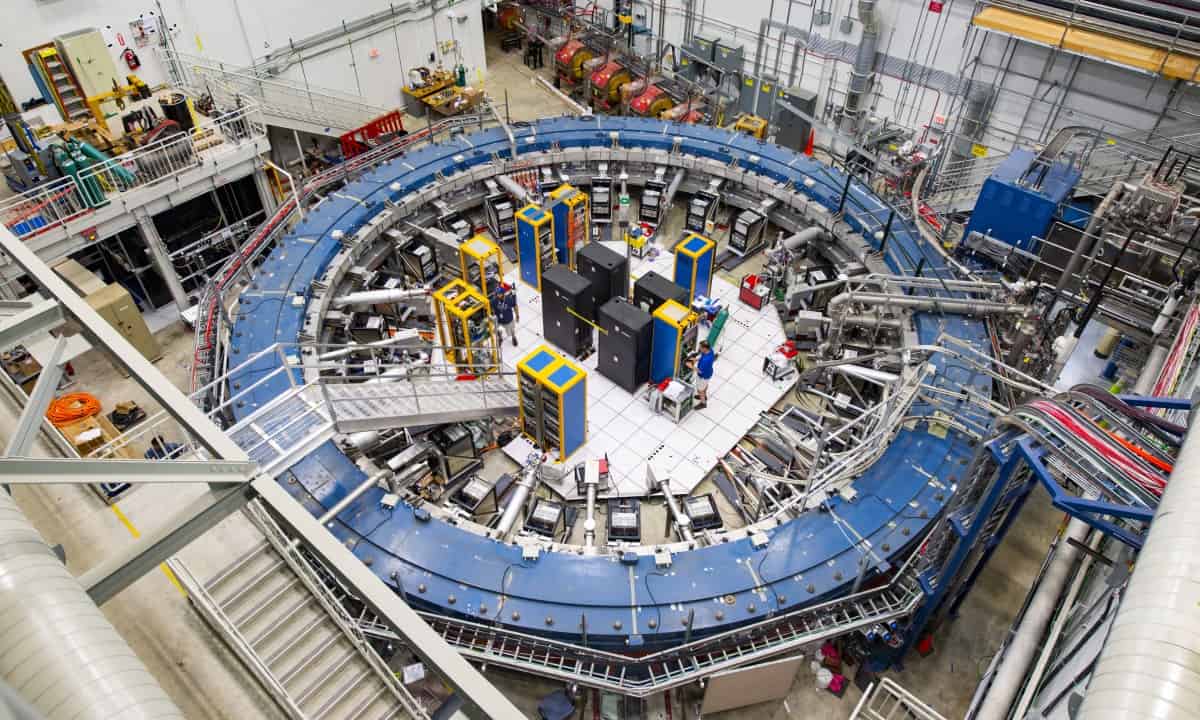
To the Muon g–2 collaboration for providing further evidence that the measured value of the muon’s magnetic moment disagrees with theoretical predictions. The international team circulated a beam of magnetically polarized muons in a storage ring at Fermilab in the US. The magnetic moments of the muons were rotated by a magnetic field and the rotation rate gave the size of the muon’s magnetic moment. The discrepancy between theory and experiment was first revealed two decades ago at Brookhaven National Laboratory. Now the combined Fermilab/Brookhaven results put the difference between experiment and theory at 4.2σ, which is less than the 5σ required for a discovery. If the discrepancy stands the test of future experiments, it could point to new physics beyond the Standard Model.

Bluefors logo block

Physics World‘s Breakthrough of the Year coverage is supported by Bluefors, a leading supplier of cryogen-free dilution refrigerator measurement systems with a strong focus on the quantum computing and information community. Our aim is to deliver the most reliable and easy to operate systems on the market which are of the highest possible quality.


Honeywell Quantum Solutions and Cambridge Quantum Computing join forces to form Quantinuum

Two leading quantum companies – Honeywell Quantum Solutions and Cambridge Quantum Computing (CQC) – have merged to form a new business called Quantinuum. The new company, which combines Honeywell’s expertise in quantum hardware with CQC’s software capabilities, has almost 400 employees. Quantinuum claims it is the world’s largest integrated quantum computing company, and has headquarters in both Cambridge, UK, and Colorado, US.

Honeywell’s hardware is based on trapped-ion qubits and the firm had achieved what it said was the highest-ever “quantum volume”, which indicates how many useful calculations a processor can do before breaking down due to decoherence. CQC, meanwhile, has focused on software that can be used in quantum chemistry to, for example, search for new drugs or develop novel carbon-capture materials. CQC’s software is compatible with all types of quantum computers – not only those using trapped ions – and Quantinuum will be similarly “platform agnostic”.

As well as having a majority stake of 54% in Quantinuum, Honeywell has additionally invested almost $300m in the new company. Quantinuum is due to launch a quantum cryptography product this month, and a software package in 2022 aimed at corporate clients in various industries from pharmaceuticals to agrochemicals.

Ilyas Khan, who founded CQC and is now chief executive of the merged business believes that the new firm will help “to bring real, quantum computing products and solutions to large, high-growth markets as quantum computers scale in capacity and quality”. Meanwhile, Tony Uttley, who was head of Honeywell Quantum Solutions, becomes president and chief operating officer of Quantinuum. “I am thrilled to help lead our new company, which will positively change the world through the application of quantum computing,” he said.

This merger is a promising sign for the industry, according to James McKenzie, who was vice president for business at the Institute of Physics from 2016-2020. “It shows commercial relevance and fuels further investment,” he says. “Honeywell is a serious international business with a long-running and strong track record in commercialization of technology, so an acquisition or investment by them is a very positive statement about the UK quantum sector.”

This news also marks a big milestone in quantum computing for Najwa Sidqi, who is knowledge transfer manager for quantum technologies at KTN, a UK-based organization that aims to drive innovation by promoting networks between hi-tech firms and other stakeholders. “This merger will speed up the deployment of the technology and perhaps also access to quantum computing for end users,” she says. “It brings together strong talent and skillsets from both Honeywell and CQC, and I look forward to seeing where it goes in future.”

Biomaterial gives voice to vocal cord repair

What do the heart and the vocal cords have in common? They are constantly vibrating, albeit at different frequencies. While biological tissue is tough enough to withstand these vibrations, designing synthetic tissue that can survive such a dynamic environment remains a major challenge in regenerative medicine.

Scientists from McGill University have developed a new type of injectable hydrogel that is resistant to prolonged, high-frequency stimulation. Describing their findings in Advanced Science, the researchers believe that the hydrogel’s unique combination of properties, including mechanical integrity, high porosity and cell compatibility, could one day enable the repair of muscular tissues such as the heart and vocal cords.

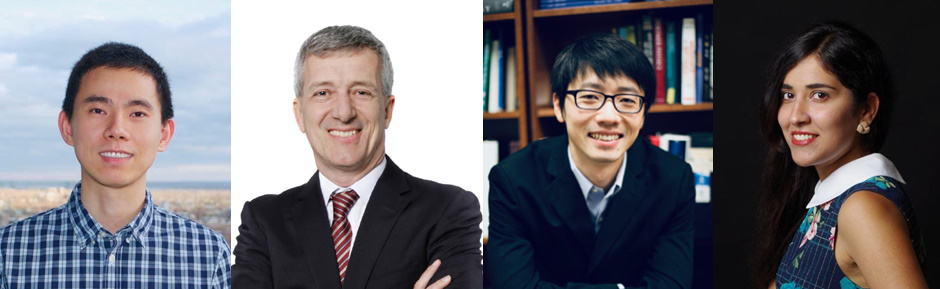
“Our work highlights the synergy of materials science, mechanical engineering and bioengineering in creating novel biomaterials with unprecedented performance,” says Jianyu Li, who led the team alongside colleague Luc Mongeau.

“We hope that one day the new hydrogel will be used as an implant to restore the voice of people with damaged vocal cords, for example laryngeal cancer survivors,” adds co-first author Guangyu Bao.

Research team

Putting the hydrogel through its paces

Our vocal cords vibrate to produce sounds at a frequency of 100 to 300 Hz. Many hydrogels break down under these conditions due to their porous structure. Pores are an essential feature of implantable biomaterials because they allow oxygen and nutrients to perfuse through the implant, which is crucial for cell survival. Unfortunately, porosity often comes at the expense of mechanical strength, especially under dynamic loads.

To combat this, the researchers developed a specific type of hydrogel called a porous double-network (PDN) hydrogel. The two polymer networks used to form the PDN, chitosan (a sugar found in the outer skeleton of shellfish) and glycol–chitosan, are difficult to separate from one another. This results in a stretchy material that resists fracture. In fact, PDNs can resist millions of cycles of mechanical loading compared to their porous single-network (PSN) counterparts.

“Most synthetic materials developed so far for vocal cord repair are based on single-network hydrogels,” Bao tells Physics World. “Currently, patients may need periodic injections because those hydrogels do not last long. Our hydrogel offers a five to 40-fold increase in toughness, which could potentially improve the retention of the hydrogel after injection.”

Using a perfusable vocal cord bioreactor, the team subjected the PDN and a chitosan-based PSN to over six million cycles of 120 Hz vibrations – that’s the equivalent of talking for two hours every day for a week. Not only did the PDN remain intact after loading, but cells encapsulated within the hydrogel were viable throughout the seven-day period. On the other hand, the PSN fractured into pieces.

Accelerated wound repair

What sets the PDN apart from other injectable double-network hydrogels is its ability to form cell-sized pores upon injection. Injectable hydrogels are desirable in many areas of regenerative medicine, from drug delivery to lab-on-a-chip disease models. Most injectable hydrogels form nanosized pores, meaning that they suffer from low permeability. The team found that cells could not proliferate inside a nanoporous glycol–chitosan hydrogel, but could inside the PDN.

“We utilize the phase separation behaviour of chitosan to create pores on the microscale,” explains Bao. “This feature can facilitate cell recruitment from native tissues to help accelerate wound repair.”

By varying the concentration of glycol–chitosan, the researchers could further control key parameters like stiffness and porosity. They also found that their fabrication technique was compatible with other types of polymers, such as gelatin.

Future steps

The team believes that this study could form the basis of a new class of tough, injectable hydrogels. After investigating the biocompatibility, biodegradability and theurapeutic performance of the PDN in animal models, the researchers hope to apply for permission to perform clinical trials.

While their study focused on frequencies relating to vocal cords, they emphasize that the hydrogel is tough enough to repair other soft tissues under dynamic loading.

“People recovering from heart damage often face a long and tricky journey. Healing is challenging because of the constant movement tissues must withstand as the heart beats,” says Bao. “We are curious to know [the hydrogel’s] efficacy in cardiac tissue engineering and welcome collaboration with scientists in those fields.”

How to prepare for a career in the emerging quantum-technology industry

Whether it’s lasers, nuclear power, computing or IT, one of the most exciting aspects of living through the dawn of rapidly evolving technology is that it creates a lot of jobs. In fact, new industries often open up completely new roles that didn’t exist before, offering fresh career opportunities for those willing to take the plunge. Right now, there’s no better example of a burgeoning area than quantum technology and, fortunately for physicists, this is an area they are a perfect fit for.

But what’s so new about quantum technology, given that everything from lasers and semiconductors to magnetic-resonance imagers and fibre-optic cables use quantum principles? These are often loosely characterized as “quantum 1.0” technologies, which rely on quantum effects like spin, tunnelling and quantized energy. The newer “quantum 2.0” technologies, in contrast, actually produce, exploit and read out quantum states of matter. To do this, they use more complicated quantum phenomena, such as superposition and entanglement.

This second wave of quantum tech is of particular interest to KTN, a UK-based organization that aims to drive innovation by promoting networks between universities, hi-tech firms, funding bodies and government organizations. In fact, Najwa Sidqi, a physicist who is KTN’s knowledge transfer manager for quantum technologies, believes that quantum devices could significantly outperform their predecessors.

Quantum computers, for example, have the potential to handle much more data and to do calculations much more quickly and efficiently,” she says. “A lot of our physical and chemical problems can only be simulated and addressed using quantum models, because nature is quantum. It’s also been proven that photons are the only way to communicate data in a safe and unbreachable way, using the properties of superposition and entanglement.”

Riding the new quantum wave

Quantum 2.0 has three main areas: computing, sensing and communications. Quantum sensing encompasses technologies that use quantum effects to take extremely high-precision measurements, such as atomic clocks for measuring time and trapped ions for detecting electric fields. Quantum communications mostly involves building perfectly secure systems of transmitting information. But it is quantum computing that gets the most attention in the media.

“The main goal of this quantum revolution, which might or might not happen, is a digital quantum computer,” says Ciaran Hughes, a senior research fellow at CERN who recently co-wrote a paper entitled “Assessing the needs of the quantum industry” (arXiv:2109.03601). The paper reports on a survey of 57 US-based quantum companies who were asked about the jobs they would be hiring for in the next few years, as well as the skills and degrees they need employees to have. It is one of the first studies to look in depth at what kind of workforce the quantum industry will require.

Quantum computing is the most ambitious quantum 2.0 area, according to Heather Lewandowski, professor of physics at the University of Colorado Boulder, who co-wrote the report, with potential applications in everything from cryptography and drug design to new materials for carbon capture. In the near term, though, she thinks that quantum sensing is the area with the most immediate promise. Quantum gravity sensors, for example, which measure gravitational gradients very precisely, could be useful for civil engineering projects, and are closer to being ready for use than quantum computers.

Nevertheless, investment is very high across all these areas. That becomes obvious if you look at the interactive tool of the “quantum landscape”, drawn up by Sidqi and her colleagues at KTN, which maps out the UK’s activities in quantum tech. It includes information on publicly funded projects, as well as the six big national centres that house most of the UK’s research capabilities in the area.

The tool also lists 160 research groups and more than 200 businesses that have quantum capabilities, indicating the “main interests” of the businesses. This showcases the huge variety of quantum applications, with companies working in areas from aerospace and cryogenics to geoscience and healthcare. There are familiar names such as Airbus and Leonardo, as well as countless start-ups and smaller companies.

Careers in quantum 2.0

Not so long ago, if you wanted to work on quantum 2.0 technologies, you would probably have had to go into academic research. But, as KTN’s map of quantum industry shows, that is no longer the only option. Indeed, there is a lot of interaction between universities and companies.

“There’s still an important role for fundamental research in academia, but as we’ve seen there have been many spin-off companies from that, such as IonQ and ColdQuanta,” Lewandowski explains. “I think there are increasing partnerships between these companies and academic institutions, probably greater than there has been in a lot of other physics-type disciplines.”

As quantum-tech companies progress towards practical, commercial products that make a return on investment, the number of people working in industry in the sector will grow to outnumber academic researchers. It was the need to understand what kind of workforce this field will require that motivated Hughes, Lewandowski and co-authors to write their paper.

Their study lists the jobs that companies say they will be hiring for, which include many specialized quantum roles, such as error correction scientists and quantum algorithm developers. However, those firms will also be looking for non-quantum roles, but where a science background is needed, such as test and measurement engineers, data scientists, cryogenics scientists and circuit designers. So don’t be put off from the quantum sector if you don’t have a PhD in quantum physics: there’s a lot more on offer.

The arXiv paper also asked the companies surveyed about the level of education needed for each of the roles they are hiring for. For most of the jobs, most companies say they required a Master’s degree or a PhD, but Lewandowski points out that this will change over time. “Right now it’s a bit skewed towards the higher degree levels,” she says. “But as the industry moves from R&D into products you’ll see more at the bachelor’s level.”

According to Sidqi, there are also many jobs needed in the UK quantum industry that don’t require specifically “quantum 2.0” skills. “Photonics and looking at how we generate photons is important for quantum communication, for example, and laser development for atomic cooling is also a big area,” she explains. “Materials science is a focus for building hardware for quantum technologies, as is work on semiconductors. People with a physics background are highly sought after on both the software and hardware sides.”

Skills for the quantum industry

Another finding of the arXiv paper is that there is much more consensus among quantum-tech companies about the skills they need than about the degrees that workers in the sector need. Some require specialized expertise in areas like quantum algorithm development, for example, while others need non-quantum capabilities, such as electronics and software development. Hands-on skills are vital too, including laboratory and experimental experience, as well as knowing how to program and an ability to work in interdisciplinary teams. To develop these skills, Hughes and Lewandowski suggest gaining practical experience through an internship or by contacting an academic who has a lab and might take on a student.

Whatever your background, though, you’re likely to have lots of on-the-job training if you go to work for a quantum company. A 2020 study that Lewandowski also co-authored (Phys. Rev. Phys. Educ. Res. 16 020131), for example, revealed that 95% of quantum companies surveyed expected their employees to learn the necessary skills on the job. “It typically takes many months of training for people hired in these jobs,” says Lewandowski, “so you don’t need to have 100% of the skills walking in on the first day.”

It typically takes many months of training, so you don’t need to have 100% of the skills walking in on the first day

Sidqi echoes this, recalling her own transition from university to working in industry before she moved to KTN. Although she took many courses on semiconductor physics during her Master’s degree, and learned the underlying theory of how electrons move within them, it wasn’t until she went to work at STMicroelectronics that she learnt how you actually make semiconductors and how they function within a finished product.

Since both sides of training are essential, collaborations are springing up between universities and companies to design courses that incorporate both. “There has been an effort across the UK, the EU and the US to launch quantum Master’s programmes, many of which are sponsored by industry,” says Sidqi. Within the UK, you can find much of this information on KTN’s map of the quantum landscape, which includes universities and Centres for Doctoral Training, as well as the industrial partners involved and the funding that the programmes have been given.

One example is the University of Bristol, which has developed a Master’s degree in optoelectronic and quantum technologies. As part of the course, students complete a research project, either based at the university or with one of the industrial partners. On the other side of the world, meanwhile, the University of New South Wales in Sydney, Australia, has even launched a whole undergraduate degree in quantum engineering.

Outside specialized degree programmes, many institutions are also beginning to offer short classes in quantum physics that anyone can take to gain new skills relevant to the quantum sector. There are even some decent free resources available online for anyone who wants to learn more. Qiskit, for example, is an open-source software development kit for quantum software founded by tech giant IBM, and it also has free textbooks and courses on quantum computing.

The UK quantum tech industry at a glance

Information taken from the KTN interactive map of the “quantum landscape”

Six national centres

Biggest public funders

Research groups

  • 160 groups across more than 68 institutions

Businesses 

  • More than 200 businesses with quantum technology capabilities
  • The most common functions of these businesses are technology provision for supply chains or for end users, consultancy and innovation support

Training centres

  • 30 universities, Centres for Doctoral Training and Training & Skills Hubs offering programmes with more than 200 partners from industry and international universities

Keeping your options open

The quantum industry is on the up but it’s still early days and it’s wise not to rush in too fast or try to plan your entire career around it just yet. In fact, Hughes and Lewandowski caution against specializing too narrowly too soon, since there is a lot of uncertainty around if and when this quantum revolution will come to pass.

“This area has some great potential, but I wouldn’t advise people to make career decisions based on the assumption that it will be established in 10 years’ time,” says Hughes. “One problem of going specific early is that you don’t know if the job you’re aiming for is going to be there in that capacity later on.” In any case, your career interests are likely to change over time, so it’s important to be versatile. From the point of view of the quantum industry – or any industry for that matter – it also isn’t healthy to have too many people all wanting to do the same thing.

In fact, more than 50% of the roles that companies are recruiting into require no essential quantum skills at all according to the arXiv paper, and this percentage will probably increase further as businesses expand and progress towards products. On the other hand, non-quantum competencies, such as software and electronics, are required in every role that the paper looked at, highlighting the importance of having a broad set of skills. In light of this, the paper recommends that quantum-specific courses should include more general STEM content, while classical degrees could teach one or two broad quantum courses, so that graduates are quantum-aware, but not trained too specifically too early on.

Above all, says Sidqi, it’s vital for physics students to stay abreast of emerging areas and to be curious and follow developments closely. “There are so many ways you can do this, whether it’s social media, quantum news sites and mailing lists,” she says. “Conferences and job fairs are also a good way to learn.”

So keep an eye on how this field is unfolding, but stay open-minded and strive to develop a broad set of skills. That way, you’ll be versatile and have a lot of career options – whatever the quantum industry landscape looks like when you want to join.


Laser pulses light the way towards killing antibiotic-resistant bacteria

Safe sterilization

The efficacy of conventional antibiotic treatments has been on the decline for years owing to their excessive use. Antibiotic resistance is a growing concern and now poses one of the biggest threats to global health. Without alternative solutions, a post-antibiotic era in which common infections and minor injuries pose serious risks may be inevitable.

Promising emergent strategies are shifting the focus away from traditional chemical antibiotic treatments and towards physical methods, including ultraviolet radiation, gamma-rays and heating. While effective for inactivating pathogens, these techniques also cause extensive collateral damage to human tissue, making them unsuitable for clinical use.

Enter visible light. At low doses, this form of electromagnetic radiation is considered safe for human cells and blood proteins while being capable of inactivating pathogens, including bacteria and viruses.

Of particular interest are ultrashort-pulse (femtosecond) lasers. The germicidal properties of such lasers have been previously explored and demonstrate a unique ability to inactivate pathogens that are challenging to kill by other means.

In collaboration with Shelley Haydel, a professor of microbiology at Arizona State University, researchers at Washington University School of Medicine in St. Louis have shown that an ultrashort-pulse visible (420 ± 5 nm) laser is effective even against tough-to-kill, antibiotic-resistant bacteria and bacterial spores.

Their findings, published in the Journal of Biophotonics, demonstrate the utility of the laser against two bacteria from distant branches of the bacterial kingdom: Staphylococcus aureus (MRSA); and extended spectrum beta-lactamase-producing Escherichia coli (E coli). Both of these bacteria are highly resistant to chemical and physical treatments. In addition, the researchers investigated spores from the bacterium Bacillus cereus, which can cause food poisoning and is capable of withstanding boiling.

Exposure to the laser resulted in 99.9% of bacteria becoming inactivated in all cases, highlighting the impressive efficacy of the treatment.

“We previously published a paper in which we showed that the laser power matters,” explains first author Shaw-Wei (David) Tsen, from Washington University’s Mallinckrodt Institute of Radiology. “At a certain laser power, we’re inactivating viruses. As you increase the power, you start inactivating bacteria. But it takes even higher power than that, and we’re talking orders of magnitude, to start killing human cells. So there is a therapeutic window where we can tune the laser parameters such that we can kill pathogens without affecting the human cells.”

While the wavelength of the laser used in the present study corresponds to violet light, Tsen notes that the technique would be effective in other regions, including near infrared.

Shaw-Wei (David) Tsen

How does it work?

The proposed mechanism of action responsible for the laser’s success is that it forces the densely packed proteins within the bacteria to mechanically vibrate until some of their molecular bonds are dislodged. When the broken ends quickly reattach, it is often not to where they had been attached to before. The result is that regular protein function grinds to a halt and the organism dies.

The study results support the use of such lasers as a replacement for conventional antibiotic treatments in specific scenarios. “Imagine if, prior to closing a surgical wound, we could scan a laser beam across the site and further reduce the chances of infection. I can see this technology being used soon to disinfect biological products in vitro, and even to treat bloodstream infections in the future by putting patients on dialysis and passing the blood through a laser treatment device,” says Tsen.

In addition to preventing and treating bacterial infection in vivo, the laser could be used to aid in sterilizing blood prior to transfusion. “Anything derived from human or animal sources could be contaminated with pathogens,” Tsen says. “We screen all blood products before transfusing them to patients. The problem is that we have to know what we’re screening for. If a new blood-borne virus emerges, like HIV did in the 1970s and 1980s, it could get into the blood supply before we know it. Ultrashort-pulse lasers could be a way to make sure that our blood supply is clear of pathogens both known and unknown.”

The promising results of this study suggest the possible future role of ultrashort-pulse laser treatment in alleviating the healthcare burden posed by antibiotic resistance.

Helium-8 nucleus has unexpected rugby-ball shape

An unexpected deformation has been discovered in the helium-8 nucleus by an international team led by Matthias Holl and Rituparna Kanungo, both at Saint Mary’s University in Canada. The researchers used cutting-edge instruments at the TRIUMF facility in Vancouver to reveal a rugby-ball shape for the neutron-rich nucleus. Theoretical calculations based on the no-core shell model also suggest a deformed shape and the research provides important information about how nucleons (protons and neutrons) interact within atomic nuclei.

The nuclear shell model describes the structure of nuclei in terms of shells of energy levels that are occupied by nucleons. If a nuclear shell is closed, it contains the maximum number of allowed protons or neutrons in that shell. If any further nucleons are added to the nucleus, they are valence nucleons and exist in an unfilled shell surrounding the closed inner shell. The shell model is a work in progress and physicists are improving it by studying the properties of a range of nuclei.

Neutron skin

Within a helium-4 nucleus, both protons and neutrons exist in closed shells of two nucleons each – resulting in a highly stable nucleus. Helium-8 has four extra neutrons that form a “skin” around a helium-4 core. Physicists believe that these neutrons could form a closed sub-shell. This would make helium-8 a doubly-closed-shell nucleus.

So far, the few doubly-closed-shell nuclei studied by physicists are spherical. In their study, Holl and Kanungo’s team investigated whether this holds true for helium-8 by doing proton inelastic scattering experiments at TRIUMF’s 520 MeV cyclotron. They fired an beam of doubly ionized helium-8 nuclei at solid hydrogen target that was cooled to 4 K. Using the IRIS spectroscopy station, which is headed by Kanungo, they analysed the scattered nuclei.

Their results revealed a large energy gap between the ground and first excited states of the helium-8 nucleus. This supports previous predictions that the nucleus contains a closed sub-shell of neutrons. Yet contrary to past predictions, the analysis also revealed that this shell is not spherical. Instead, it has a prolate spheroidal – or rugby ball – shape, being elongated along its central axis.

In parallel with these experiments, teams across several different institutions made their own theoretical predictions of the shape of helium-8 from first principles. When their calculations were based on a no-core shell model, where the nucleus’ inner protons and neutrons are allowed to interact with its outer neutron sub-shell, the results closely matched the TRIUMF measurements.

Holl and Kanungo’s team hope that their work will inspire future investigation into the deformation of helium-8, potentially unveiling new types of nuclear interaction.

The research is described in Physics Letters B.

The causes of science denial and how to combat it

One of the first questions Lee McIntyre, a philosopher at Boston University, poses about those who insist the Earth is flat is: “Can these people be serious?” As one of the most extreme examples of science denial, McIntyre starts his book, How to Talk to a Science Denier: Conversations with Flat Earthers, Climate Deniers, and Others Who Defy Reason, by describing his visit to the 2018 Flat Earth International Conference in Denver, US. The answer to his question, he quickly concludes, is “yes, completely so”.

McIntyre is the author of several previous books, including The Scientific Attitude: Defending Science from Denial, Fraud and Pseudoscience, where he argues that what makes science distinctive is its emphasis on evidence and scientists’ willingness to change theories on the basis of new information. His latest book takes the reader through the current literature on the origins of science denial and the motivations of deniers, both political and personal. He dissects several studies on how we might communicate with those who seem to defy reason, and describes some of his own encounters with people who will not accept what most consider irrefutable scientific evidence.

According to McIntyre the story of science denial starts in the 1950s with the tobacco industry’s campaign to obfuscate the causal link between smoking and cancer. One executive was quoted saying “doubt is our product” and that approach has become a blueprint for science denial, including climate change scepticism, ever since. McIntyre cites a 2018 US poll in which only 29% of respondents believed that climate change is anthropomorphic. He contrasts this with an account of a trip to the Maldives, where the effects of climate change are already clear to see. “Flat-Earthers may have seemed harmless but this kind of science denial could kill us,” he says.

Describing his encounters with flat-Earthers in Denver, McIntyre paints a picture of those attracted to what he sees as almost a cult, finding a mixture of Christian fundamentalists and conspiracy-theory believers. Given his connection to the family of a school shooting victim, one of his most upsetting encounters is with a flat-Earther who also believes that the 2018 Parkland school massacre of 17 people was faked.

McIntyre concludes that many flat-Earthers are emotionally damaged people who harbour resentment and anger towards the elites. What becomes clear to him is that their beliefs are deeply rooted in their identity and sense of belonging – making them much harder to shift. But flat-Earthers are not unique here; McIntyre points out that increasingly many of us support points of view that match the “political team” we feel we belong to, rather than the other way round.

McIntyre provides a useful analysis of how to identify science denial. He describes five elements that are almost always part of the arguments: cherry-picking evidence; belief in conspiracies around the issue; reliance on fake experts; logical errors; and setting impossible levels of evidence for any opposing views. Given this, McIntyre explains that combating science denial can be done by correcting the inaccuracies of the science, but also by pointing out the fallacies in the mode of thinking, known as technique rebuttal.

He also sets out carefully the argument for why we can and should engage with science deniers. A study in 2010 demonstrated a “backfire effect”, where presenting the evidence against a person’s position causes an even stronger adherence to it – leading to the demoralizing idea that there may be no point in fighting back. But McIntyre reports that these results were never replicated. In fact, a breakthrough experiment done in 2019 by behavioural scientists Philipp Schmid and Cornelia Betsch from the University of Erfurt, Germany, showed that several methods of rebuttal were more effective than no response at all.

However, McIntyre concludes that “we’ve outrun the literature” in working out how to talk to science deniers and puts forward his own view that “engagement, trust, relationships and values are the keys to real belief change”. He sets out to do this himself through building trust face-to-face, by listening without attacking, and showing respect. He describes this approach via conversations he has around several issues. Speaking to coal miners in Pennsylvania, McIntyre finds few outright climate-change deniers willing to talk. He then moves on to those who oppose genetically modified organisms (GMOs). He argues this is another form of denial that has caused harm, by preventing the development of nutrient-enriched GM crops that could fight malnutrition in poorer countries.

This brings up the issue of whether science denial is only a feature of right-wing ideologies or if there is also a “liberal war on science”. While there is not an equivalence, McIntyre argues that those on the left have no right to be smug. For example, the rhetoric and claims that Monsanto deliberately caused food shortages to promote the use of GM foods certainly share the conspiracy thinking found in other forms of science denial.

Having written the book during the COVID-19 pandemic, McIntyre tackles the massive amounts of disinformation that have taken root around it, prophetically foreshadowing the anti-vaccination stance that predominates in some parts of the US. Presumably writing in 2020, he expresses some hope that minds will change and points out that when the focus of the pandemic in the US moved from New York to the rest of the country in 2020, there was less support for the politicians who refused to listen to science. But at the end of 2021 this hope now seems outdated, with disinformation clearly impacting vaccination levels and mask-wearing in states like Texas and Florida, where COVID outbreaks re-emerged.

Overall, this book presents an authoritative and entertaining account of science denial and how we might fight it, moving smoothly between theory and the author’s personal experiences of talking to science deniers. Unfortunately, the book is a little light on those conversations, due to limited opportunities for face-to-face meetings during the pandemic, and McIntyre has few examples of success in persuading deniers to change their minds. He does, however, discuss his future plans to engage with flat-Earthers along with retired physicist Bruce Sherwood. Sherwood has produced a 3D computer model that shows how the flat-Earth sky would really look – nothing like reality. It will certainly be interesting to see if their combined approach can make a difference in future.

We need to talk to those with whom we disagree. But we have to be smart about how we do it

McIntyre concludes with a call for scientists to get out of their echo chambers. “We need to start talking to one another again, especially to those with whom we disagree,” he says. “But we have to be smart about how we do it.” No insulting, no shaming, and lots of empathy and respect. Particularly with the existential threats posed by climate change, he says ‘‘We must try to make them understand, we must try to get them to care, but first we have to go out there face to face and begin to talk to them.”

  • 2021 MIT Press $24.95hb 280pp
Copyright © 2026 by IOP Publishing Ltd and individual contributors