The ability to make decisions distinguishes robots from basic machines. Most robots are wired with electronic circuits for decision making, a convention that has developed into a sophisticated art capable of fast data-dense operations. However as robotics broaches applications such as surgery and disaster response, the demands for soft robots increase, raising compatibility issues with the hard world of silicon electronics. By demonstrating binary logic operations using origami, researchers at the Wright-Patterson Air Force Base in the US demonstrate a type of mechanologic that may provide a useful complement to electronics.
Credit: CC-BY 2.0 Josey
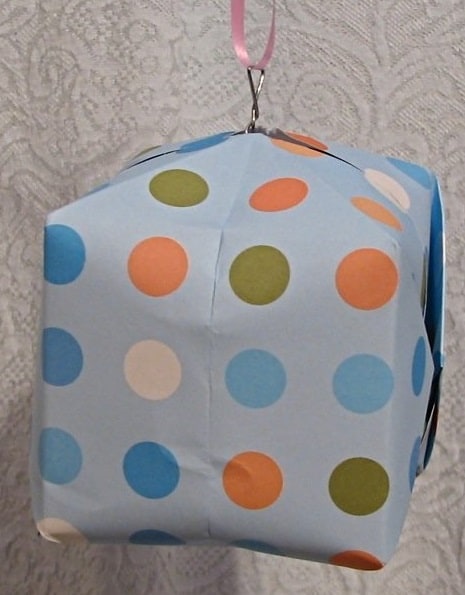
Benjamin Treml, Andrew Gillman, Philip Buskohl, and Richard Vaia investigated the possible logic operations of a waterbomb-base origami pattern, where inward and outward pointing configurations can indicate 0 and 1 states in binary logic. In general origami systems have localized folding with flat planes that can accommodate hard electronics to complement the mechanologic. However, the water bomb structure in particular has additional advantages as the apex can point inwards or outwards without affecting the mount or valley nature of surrounding folds. “We believe these properties allow the mechanical bit to switch between 1 and 0 states without interfering with the ability of other connected units to reconfigure in the multiunit structures presented below,” they explain in their paper.
Sensing-decision-response structures
As well as decision making, the robot must be able to sense inputs and respond with outputs. While there are a number of materials with physical responses to environmental stimuli, Treml et al. investigate water bomb structures made from PEDOT:PSS – a conductive polymer commonly used in flexible and organic electronics that also swells and shrinks in response to humidity.
The researchers also study the responses of tessellated combinations of water bomb structures and the effect of shared folds on the energy barrier to snap between 0 and 1 states. They calculate a 33% increase or 15% decrease in the energy barrier for two joined water bomb structures for snapping between like and unlike states.
The researchers point out various limitations in the available operations, and the origami from 2D structures also limits the number of inputs. They also emphasise how this type of logic is unlikely to ever replace electronics, instead complementing existing electronics. The work is far from the first demonstration of mechanical robotics. As Treml et al. point out in the paper, “Mechanical logic devices have a long history, dating back to Leibniz’s step reckoner in 1672 and Babbage’s difference engine in 1822.” The crucial advance here is the ability to render logical operations in a mechanical system that is also soft.
Date: 23 July 2018, 2 p.m. BST Presenter: Robert Done – Project Design Engineer – STFC – Rutherford Appleton Laboratory
Rob Done began his career as a mechanical engineering apprentice for UKAEA at Risley in Cheshire. On graduating, he joined the Science and Technology Facility Council, working first at their Daresbury site in Warrington and eventually moving to the Rutherford Appleton Laboratory in Oxfordshire. For the last 30 years he has been providing the mechanical engineering support for the neutron spallation source at the site, designing equipment which provides the experimental environments for user provided test samples. Much of this equipment operates at cryogenic temperatures. Rob routinely presents a series of cryogenic training courses for both internal and external clients. He is also a lead auditor for the Council’s safety auditing team.
The Society of Nuclear Medicine and Molecular Imaging (SNMMI) Annual Meeting, held this week in Philadelphia, PA, brought together physicians, technologists, pharmacists and scientists from around the globe to share research and collaborate on “Imaging the Future of Human Health”. The meeting included 850 scientific presentations and nearly 1000 posters on cutting-edge research advances. Here are just a few of this year’s highlights.
A research team from the University of Wisconsin Madison demonstrated that combining targeted radionuclide therapy (TRT) with immunotherapy may improve survival of patients with metastatic melanoma. External-beam radiotherapy has been shown to enhance immunotherapy response in preclinical studies, but results can be limited due to the presence of metastatic disease. This study showed, for the first time, that TRT can successfully synergize with immunotherapies.
NM600 selectively targets murine melanomas in vivo. (Courtesy: R Hernandez, R Patel et al, University of Wisconsin-Madison)
The researchers injected melanoma-bearing mice with 86Y-labelled NM600 and performed PET/CT scans 3, 21 and 48 hr later. They used these images to determine the activity of the TRT agent 90Y-NM600 required to deliver the desired radiation dose to the tumour. They then treated groups of mice with TRT, followed by anti-CTLA-4 immunotherapy at days 4, 7 and 11.
“Following intravenous injection of our TRT agent, it undergoes selective tumour uptake and prolonged retention, allowing for the precise delivery of radiation dose to tumours wherever they are in the body – something that is unique to this form of radiation treatment,” explains first author Reinier Hernandez. “We have also demonstrated a low toxicity profile for normal organs and tissues at the low immunomodulatory radiation doses of NM600.”
Mice treated with either 90Y-NM600 or anti-CTLA-4 alone showed a dose-dependent decrease in the rate of tumour progression, but not tumour regression. Mice receiving the combination of 90Y-NM600 and anti-CTLA-4 showed tumour regression and improved survival compared with other treatment groups, with 66% exhibiting a durable complete tumour response.
PET reporter gene/probe monitors success of gene therapy
Gene therapy for diseases of the central nervous system is a growing field, but progress is limited by the absence of imaging techniques to monitor delivery or expression of the therapy. A new PET reporter gene/probe system makes it possible, for the first time, to noninvasively monitor the level and location of gene expression in all areas of the brain, providing an early indication of the likelihood of treatment success.
(A) MRI of AAV transduced mouse brain. (B) 18-F-DASA-23 PET/MR images; white arrow indicates radiotracer uptake. (C) Autoradiography of mouse brain sections. (D) Immunofluorescence stain for PKM2. (Courtesy: T Haywood et al, Stanford University School of Medicine)
The researchers, from Stanford University, examined the use of pyruvate kinase M2 (PKM2) as a PET reporter gene, and imaged its expression with the radiotracer 18F-DASA-23. Developed in the Gambhir lab, 18F-DASA-23 is a novel reporter probe that can cross the blood-brain barrier and targets PKM2 in the central nervous system.
In the study, the researchers infected mice with an associated-adeno virus (AAV) containing the PKM2 reporter gene. They then imaged the mice with 18F-DASA-23 over two months to observe the increase in PKM2 expression. Results, confirmed by 18F-DASA-23 uptake studies and mRNA analysis, showed a good correlation between PKM2 and the radiotracer. Further analysis showed an increase in PKM2 expression in infected mice when compared with controls.
“Having a reporter gene/reporter probe system that allows monitoring of all areas of the brain opens the door to more accurate and less invasive imaging of the brain and of gene therapies used to tackle diseases of the brain,” says first author Thomas Haywood.
Fluciclovine PET/CT locates recurrent prostate cancer
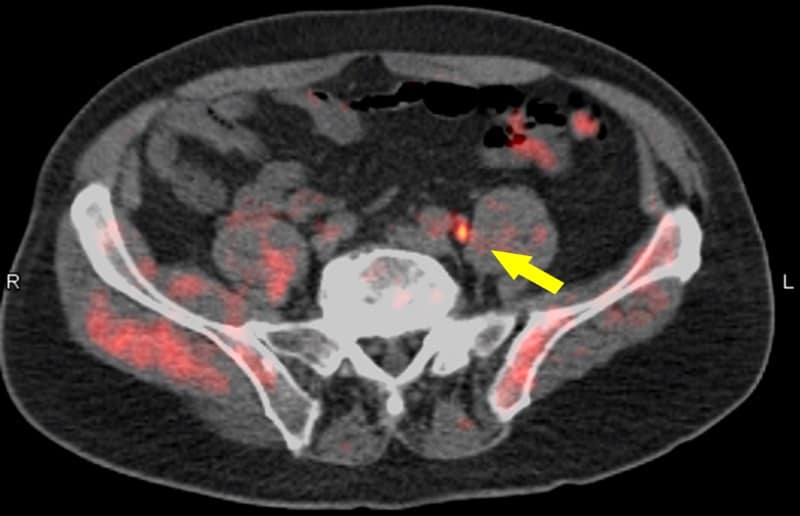
Adding 18F-fluciclovine PET/CT to the diagnostic work-up of patients with biochemical recurrence of prostate cancer can find previously undetected lesions in the prostate and other tissues. The scan changed treatment management for the majority of patients, according to results of the LOCATE trial, a prospective multicentre study conducted at 15 sites in the US.
Fused PET/CT 18-F-fluciclovine image indicates recurrent prostate cancer in a pelvic lymph node. (Courtesy: Barry A Siegel, Mallinckrodt Institute of Radiology and the Alvin J Siteman Cancer Center, Washington University School of Medicine)
Up to 30% of patients with prostate cancer will develop local or distant recurrence within 10 years of radical prostatectomy or radiotherapy. Determining the location and extent of recurrent disease helps optimize the selection of appropriate management. Current anatomical imaging procedures, however, have limitations in identifying the sites of recurrence.
For the LOCATE trial, 213 men with biochemically recurrent prostate cancer were evaluated with 18F-fluciclovine PET/CT, after having negative or equivocal findings on conventional imaging, such as a bone scan, CT or MRI. Results showed that 59% of patients had their clinical management changed by the 18F-fluciclovine findings, with 78% of these changes classified as “major”, meaning a change in treatment modality.
“Selecting appropriate treatment for men with recurrent prostate cancer is critical,” explains Austin Pantel of the University of Pennsylvania. “Many options are available, and additional information, such as that provided by 18F-fluciclovine PET/CT, may help tailor personalized treatment plans.”
Alpha emitter targets wide range of solid tumours
In 2017, researchers from Memorial Sloan Kettering Cancer Center developed a novel approach to pretargeted radioimmunotherapy (DOTA-PRIT) that demonstrated, preclinically, complete responses in several solid tumour types using the beta-emitting 177Lu-DOTA-hapten. Now, they have expanded this approach to 225Ac, an alpha-emitting isotope.
225-Ac-proteus-DOTA hapten can be targeted in vivo to GPA33-expressing human colorectal cancer xenografts using anti-GPA33-DOTA-PRIT, with minimal radioactive uptake in critical radiosensitive tissues. (Courtesy: S M Cheal et al, Memorial Sloan Kettering Cancer Center)
“Targeted alpha radiotherapy has shown considerable promise for patients, especially for those with advanced castration-resistance prostate cancer,” explain Steven Larson and Sarah Cheal. “By combining DOTA-PRIT with 225Ac-proteus-DOTA hapten, we can potentially target a wide array of cancer types for which we have validated DOTA-PRIT bispecific antibodies.”
DOTA-PRIT has a major advantage over other forms of radioimmunotherapy because of its high ability to deliver radiation to tumours while sparing normal tissues, such as kidney and bone marrow. The researchers synthesized proteus-DOTA, radiolabelled it with 225Ac, and conducted in vitro and in vivo studies of a mouse model with colorectal cancer. They also performed a toxicity study in tumour-free mice with varying doses of 225Ac-proteus-DOTA.
The team found that the new approach, 225Ac-proteus-DOTA, mimics the behaviour of 177Lu-DOTA-hapten, with high tumour uptake, minimal accumulation in normal tissue, good whole-body clearance, no acute toxicity and no chronic radiation damage. It also offers greater versatility for treating a wide variety of solid tumours.
Graphene could be the two-dimensional nanomaterial for the future, but exploiting it will require further advances in methods to fabricate it. With a high carrier mobility, stability, and rigidity under atmospheric conditions, its electronic, chemical, and structural properties are unparalleled. In particular, AB stacked bilayer graphene, which consists of two graphene sheets stacked in an offset configuration, has an impressive tuneable bandgap ideal for usage in high performance device fabrication. However, growth of defect-free graphene and large-scale transfer from its native growth substrate, a necessity to bring such applications to fruition, remains challenging. Researchers Hussain Alsalman et al., under the direction of Michael Spencer, hope to overcome these challenges with their novel growth and dry transfer method.
High-quality graphene growth
Large-scale, uniform, defect-free graphene samples are difficult to obtain. Traditional exfoliation methods, where flakes of graphene are mechanically scraped off of graphite, are limited to small areas. Chemical vapour deposition (CVD) performs slightly better regarding area but it can take hours to achieve AB stacked sheets.
To overcome these obstacles, researchers at Cornell University utilized SiC epitaxy to grow large areas of graphene up to hundreds of microns,. Essentially, they annealed a prepared layer of SiC and the Si atoms sublimated to leave a layer of carbon that rearranged into graphene. Hussain Alsalman, a graduate student working on the project, notes, “SiC epitaxy sublimates the silicon atoms across the entire SiC wafer surface at once, giving it a clear advantage in the speed of single crystal synthesis.”
They then obtain bilayer graphene through high-temperature hydrogen intercalation. As Alsalman et al. point out in their report of the work, “SiC graphene on the Si-face is not limited by the orientations randomness that challenges CVD graphene.” This control over the AB stacking is another clear advantage over traditional synthesis methods.
A novel transfer method
Since SiC epitaxy produces graphene on an undesirable SiC substrate, the next step is isolating it from its native growth substrate, and this is not trivial. Alsalman et al. resolved this issue by transferring the graphene layers to more functional materials.
First, they deposited a layer of gold onto the graphene/SiC stack and spin-coated the stack to deposit a layer of acrylic polymer on top of the new gold layer. They can then mechanically remove the original SiC substrate thus allowing transfer of the graphene to the new target substrate. The acrylic and gold layers they remove via acetone and etching, respectively. Lastly, they rinse the isolated graphene/substrate stack to obtain the final product.
To emphasize the success of their dry transfer method, Alsalman et al. employed a range of characterization techniques. Transmission electron microscopy (TEM) data show the classic atomic honeycomb structure of graphene and reveal high crystallinity within the monolayers even after transfer, which the researchers describe as “a testament to the robustness of epitaxial graphene.”
Although Raman spectroscopy revealed few defects within the graphene structure and uniform AB stacked bilayers, these results were not as impressive as those from monolayer growth via SiC epitaxy, most likely due to the intercalation method used to generate the second graphene layer. In their report of the work Alsalman et al. state, “This limitation for bilayers might be mitigated by carefully selecting for growth of bilayer on SiC and not using intercalation…However, this process needs optimization and would be a topic of further research.”
Field effect transistors (FETs) constructed from graphene grown with this technique also highlighted discrepancies in the quality between monolayer and bilayer graphene. While monolayer FETs showed field effect mobilities of approximately 1700 cm2/Vs, bilayer devices lagged behind this value at 250 cm2/Vs. Annealing the graphene before device construction increased the mobility values, which the researchers attribute to release of trapped hydrogen gases. The increase was limited to around 25%, and these generally low mobility values may be due to defects caused by step edges present on the SiC wafers. Control of bilayer growth, as previously discussed, may also increase the mobilities.
TLM devices gave contact resistance values of approximately 585 Ω μm for monolayer samples and 2310 Ω μm for AB stacked samples. Such a result is unsurprising, as contact resistance directly depends on the quality of the graphene, which was worse for the bilayer samples compared with the monolayer samples. Carrier mobilities also affect resistance.
Limitations aside the researchers conclude, “And while the performance figures might fall short from that of CVD graphene, transferred epitaxial graphene does currently have an advantage in synthesizing large area AB stacked bilayer graphene where in principle it is only limited by the size of the SiC wafer.”
Dong-Woo Cho, director of the Intelligent Manufacturing Systems Lab at the Pohang University of Science and Technology (POSTECH) in Korea, is working together with his colleagues to apply mechanical engineering know-how to biofabrication. Potential applications for the team’s work include the repair of complex bone and cartilage injuries, as well as non-transplant based treatments for end-stage liver disease.
Cho has long been interested in the use of 3D printing technology to fabricate micro-sized structures, and in the early 2000s he chose to make the jump into biofabrication. “We had the chance to discuss our research with medical doctors and there was a hint that microstructures could have a dramatic impact on cell activity,” he recalls. “That motivated us to work with biocompatible materials.”
Bone regeneration in rabbits
The group’s core expertise is 3D printing-related manufacturing technology, which involves system design as well as the development of printing processes and software technology. But that’s only part of the picture. “Collaboration with experts in the field of biology and medicine is essential for the application of biofabrication,” Cho comments. “Research on this topic becomes more meaningful when cellular and clinical expertise is reflected in the work.”
Over the last 15 years, the group has been proactive in building networks domestically and internationally to link its mechanical engineering expertise with biologists and physicians. Cho is excited by prospects for the technology, such as the potential of 3D bioprinting technology to boost patient-specific medical care.
“Traditional medical practice typically relies on products manufactured with a mass production paradigm,” he explains. “However, by using 3D bioprinting technology, we have the opportunity to personalize not only the outer shape of a device, but also its inner structure.”
Taking tissue scaffolds as an example, 3D printing could produce structures that are a much better fit for patients and could also enable cells to be printed at the histologically desired location for organ regeneration.
Recently, Cho and his team highlighted this benefit by examining the regeneration of tissue in rabbit knee joints. In the work — published in the journal Biofabrication – scaffolds that had been tuned to match cartilage and bone regions were able to smoothly regenerate tissue in as little as eight weeks. “As a follow-up study, we will investigate localizing not only the extracellular matrix, but also tissue-specific cells at the desired location,” Cho adds.
Applying this tailored approach towards the repair of organs such as the liver, the team has also shown that bioprinting can be used to establish and maintain a co-cultured 3D environment of multiple types of cells. “In order to regenerate liver tissue, it is very important to realize the hepatic histological structure as it is,” Cho points out. “In other words, you need to promote the growth of hepatocytes and hepatocyte surrounding cells, as well as blood vessels.”
Adding to the challenge is the need to realize a solution in three-dimensions to better match the performance of the native micro-environment, since the regeneration will then be more efficient.
Building-up structures layer-by-layer also allows researchers to introduce porosity where needed to encourage vascularization deep inside the biocompatible construct – which in turn will help to enhance tissue formation. Indeed, Cho’s team has already used 3D patterning-enabled porosity to good effect in studies on bone repair and on liver regeneration.
Another design feature being investigated in the lab is how to optimize the scaffold’s strength so that its form persists during treatment. In earlier work, the team integrated a mechanically stiff polymer (polycaprolactone) as a framework material, but it hopes to simplify the design for clinical applications.
Ideally, the researchers would prefer to 3D-print their constructs using bioink that’s able to maintain its shape without the support of an additional framework. Suitable materials are now being evaluated by Cho and his group as they work towards their goals in 2018.
Read our special collection “Frontiers in biofabrication” to learn more about the latest advances in tissue engineering. This article is one of a series of reports highlighting high-impact research published in the IOP Publishing journal Biofabrication.
The Lawrence Berkeley National Laboratory (Berkeley Lab) has joined forces with window companies Andersen Corporation and Alpen High Performance Products to resurrect its “thin triple” super window design, first patented in 1991. The new collaboration aims to commercialize the super window, which is at least twice as insulating as 98% of the windows for sale today – potentially halving the estimated $20 billion in heating energy lost every year by windows in the US.
Window of opportunity
The new design is an evolution of the common double-glazed window. It has two layers of 3 mm thick glass that sandwich a third layer of very thin glass that is less than 1 mm thick. A standard low-emissivity coating that helps to block long-wave infrared rays is applied to the thin central glass. Finally, argon that would usually fill the double-glazed window cavity to reduce heat transfer is replaced by krypton, which has superior insulating properties.
Ahead of its time in 1991, the super window garnered “little commercial interest,” according to recently retired Stephen Selkowitz, former leader of the Windows and Daylighting research group at Berkeley Lab. But after gathering dust for 22 years, rising public awareness of climate change and green technology prompted the researchers to revisit the concept five years ago. In the 1990s, the costs of both the thin central glass and krypton were too high to be viable. Now however, market forces have seen these prices dramatically fall, convincing the window companies to invest in technology.
Unlike other highly insulating designs that have struggled – such as triple, vacuum and aerogel glazing – the super window is almost the same thickness and weight as a double-glazed window, requiring no costly redesign of window frames. What is more, only small changes in the window manufacturing process are needed.
“The key here is to provide a path for window manufacturers to make the transition to dramatically new product capabilities, but without the cost and risk of a full production line makeover,” adds Selkowitz. “We call it a ‘drop in’ replacement for the existing insulating glass unit.”
Although Selkowitz warns that “it will likely be a year before we collectively have done enough ‘due diligence’ for the window companies to decide to invest in creating of a marketable product”, simulations and prototypes built and tested in the lab suggest widespread adoption of the super window could have a significant impact on home energy efficiency. Indeed, the windows exceed the performance of a well-insulated wall over the course of a year, and can even help heat homes located in colder climates by locking in heat from the Sun.
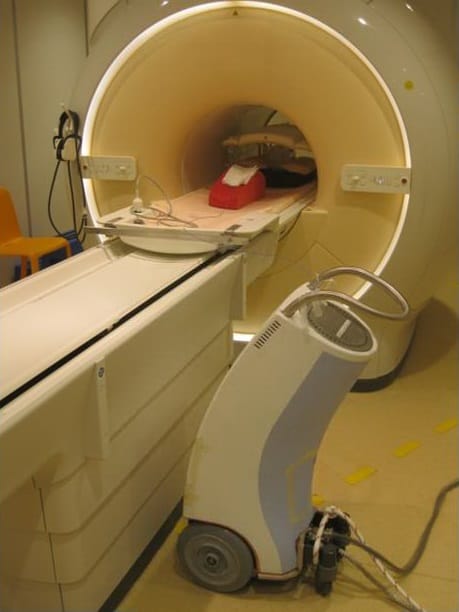
An MR conditional afterloader that can operate simultaneously with an MRI scanner could enable real-time high-dose-rate (HDR) brachytherapy source localization for treatment verification. Image guidance is critical for accurate and safe radiation dose delivery. Such an afterloader, which enables the patient to remain in the same position during dwell position reconstruction, treatment planning and irradiation, could increase the safety of HDR brachytherapy, as well as streamline clinical workflow.
This research, leading to eventual commercial availability of an MR conditional afterloader, could have a huge impact on HDR brachytherapy. A patient could remain in the MRI bore throughout the treatment process. MR-based localization could also be applied for a direct reconstruction of the source dwell positions after catheter insertion, using a dummy source. Upon completion of this treatment planning process, the dose could be delivered under MRI guidance.
A new design
Current commercial brachytherapy afterloaders interfere with and are affected by MR scanner operation. Radiofrequency (RF) signals generated by the scanner can impact the correct functioning and reliability of the afterloader. Its electronic system contains parts that are affected by the scanner’s strong magnetic field. In addition, RF signals generated by the afterloader can interfere with the RF signals emitted by nuclear spins of the object to be imaged. Finally, the steel source cable poses safety risks of RF-induced heating and torque, as well as acting as an RF antenna from inside the afterloader into the MR bore.
The prototype MR conditional afterloader, developed by Elekta in cooperation with researchers at the university’s department of radiotherapy and Image Sciences Institute, was RF-shielded with a copper/aluminium coating. The data cable connecting the afterloader with the treatment control station was shielded with a conductive hose and brought into contact with the Faraday cage of the MRI room.
A 2.65 m plastic test cable containing a piece of steel at its tip, which served as a dummy source, replaced the 1.4 m steel source cable. This enabled the source to be sent to the scanner’s isocentre while the afterloader remained at a sufficient distance outside the 20 mT line (which indicates the position where the magnet’s fringe field has a strength of 20 mT).
Proof-of-concept
For the tests, the researchers placed a prototype afterloader next to a 1.5 T MRI scanner, 2.1 m from the isocentre. A plastic catheter placed inside a cylindrical Agar phantom via a prototype plastic transfer tube was connected to the afterloader. They conducted two tests with different programmed source positions and dwell times.
The researchers acquired MR images and performed localization of the dummy source for coronal and sagittal images, using a method based on MR artefact simulation and a phase correlation localization algorithm. They combined the two 2D positions into a 3D position of the dummy source and analysed the simultaneous functioning of the afterloader and the scanner. They also analysed RF interference, signal-to-noise ratio (SNR) and B0 homogeneity to evaluate the impact of the afterloader on the scanner’s performance.
Results of all tests showed that there was no deterioration of either system. The afterloader was able to send the dummy source to the predefined dwell positions through the catheter with fixed step size as the MR scanner was acquiring images. There was negligible RF interference, the SNR was not affected, and there were no significant distortions of the B0 magnetic field that would disturb the MRI performance.
A MR conditional source cable is required before the afterloader can be tested clinically. Lead author Ellis Beld tells Physics World that Elekta is developing such a cable. When this becomes available, they will conduct a patient study demonstrating the functioning of the MR conditional afterloader, to prove accurate treatment verification.
For now, the researchers are planning to test the source localization method as a first clinical test. They will insert a marker manually into a catheter in the prostate instead of using the afterloader and determine the position of this marker using the source localization algorithm.
“We also will need to perform safety tests, as well as all the tests required to obtain a CE Mark. However, we have now shown proof-of-concept of MR-based treatment verification of HDR brachytherapy with no degradation caused by either the MR scanner or the prototype MR conditional afterloader,” says Beld. “We believe that an MR conditional afterloader that enables source localization and treatment verification might have an enormous impact on the clinical workflow and practice of HDR brachytherapy.”
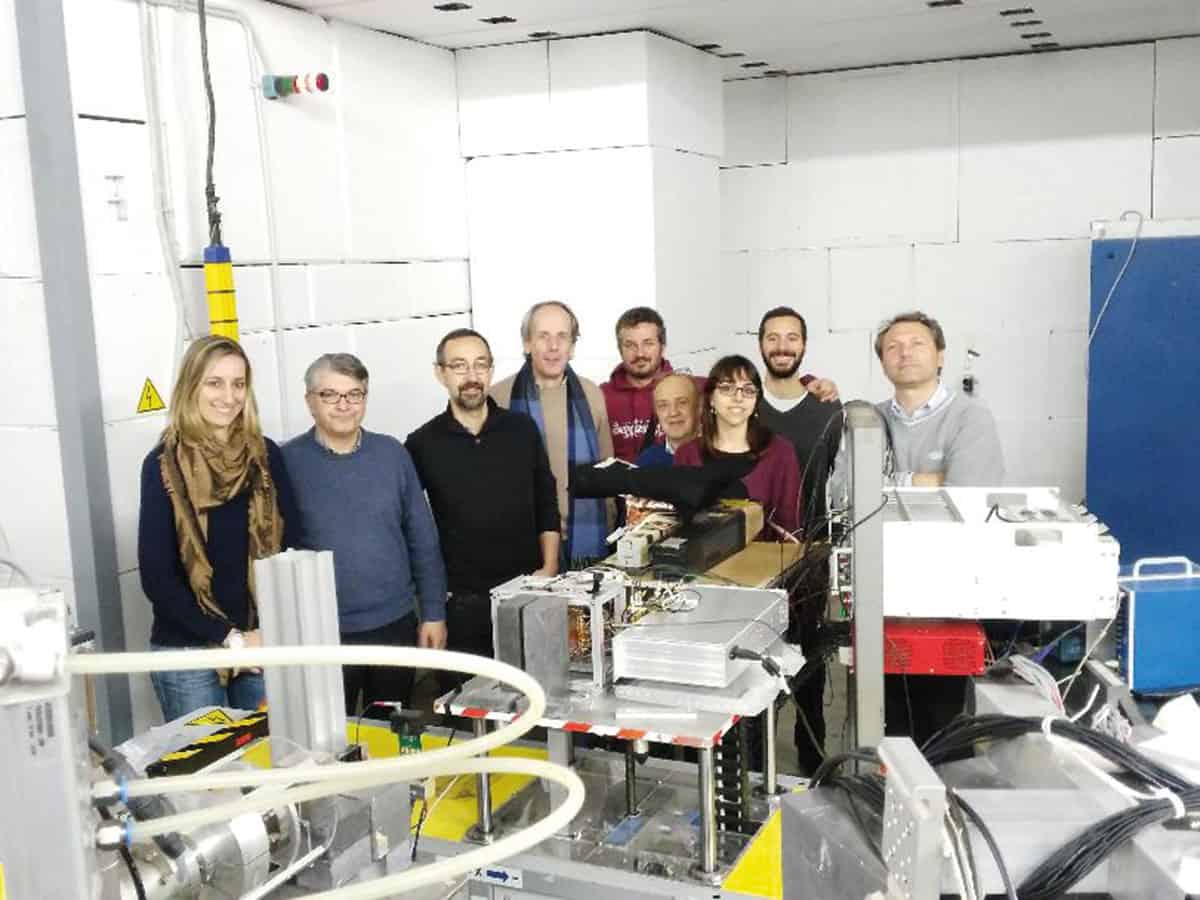
Probing the dark side The PADME experiment at the National Institute of Nuclear Physics in Frascati will search for exotic new particles. (Courtesy: C. Di Giulio)
Physicists in Italy are about to start up a new experiment designed to hunt for hypothetical particles such as the “dark photon” and carriers of a possible fifth force of nature. The Positron Annihilation into Dark Matter Experiment (PADME), located at the National Institute of Nuclear Physics (INFN) laboratories in Frascati outside Rome, will blast a thin diamond target with energetic positrons and record the mass of any exotic new particles produced in the collisions.
The group at Frascati will mainly target the dark photon, which is a heavy version of the ordinary photon. Predicted by various extensions of the Standard Model, it would interact with both dark matter and ordinary matter. Dark photons are not themselves usually considered to be dark matter, since they would carry relatively little mass and would tend to have decayed earlier in the history of the universe. But according to collaboration spokesperson Mauro Raggi of the University of Rome “La Sapienza”, they would provide a “portal between the visible and hidden sectors” and might also help solve other problems, such as the muon’s anomalous magnetic moment.
Dark photons are also being pursued at experiments in other laboratories, such as CERN in Geneva and the Jefferson Lab in Virginia, US. But according to Raggi, PADME will have the edge in being able to search for the “missing mass” of dark photons – allowing the particles to be detected even when they leave no visible decay products.
The experiment will involve recording collisions that happen when positrons from the Frascati lab’s linear accelerator collide with the electrons in a 100 μm-thick film of diamond. The resulting annihilations would normally yield two ordinary photons but, if the dark photon exists, just a single visible photon would be created. The mass of the missing particle could then be calculated by subtracting the measured 4D space–time-momentum of the single visible photon in each case from that of the incoming positron, plotting a spectrum of this missing mass and then reading off the mass value of the spectral peak.
The energy sweet spot
Raggi and colleagues plan to start taking data at the end of July and then run the experiment until the end of the year. For most of that time they will use positrons with the maximum energy provided by the linac – 550 MeV – to explore the biggest range of possible dark-photon masses (the highest mass being about 24 MeV). However, for a few weeks they also intend to operate at 283 MeV to maximize the production of particles weighing around 17 MeV.
That is the mass of a new particle that Attila Krasznahorkay at the Hungarian Academy of Sciences’s Institute for Nuclear Research and colleagues claimed in 2015 is generated when beryllium-8 radioactively decays. The Hungarian group made its claim after firing protons at lithium-7 targets and observing that the electrons and positrons created in the subsequent decays had an unusual angular distribution. Jonathan Feng and colleagues at the University of California Irvine then calculated that the particle could be a new type of force-carrying boson.
Although PADME is set up mainly to search for invisible decays, it also comes equipped with electron and positron detectors that could be used to check the Hungarian result. The measurements in this case will involve firing 283 MeV positrons at the diamond target and recording the number of electrons and positrons produced, before doing the same thing at slightly higher and lower energies. If the Hungarians are right, says Raggi, the number of collision products should drop away from the energy sweet spot.
Once the initial run is over, the group hopes to carry on running the experiment in 2019, says PADME colleague Paolo Valente of INFN, with the extra data lowering the threshold of observable coupling strength for dark photons and the putative 17 MeV boson. “We don’t have a big region of parameter space to explore,” he says, “but we are in a region that is hotter than others.”
Odds against
Another researcher on the hunt for dark photons is Dmitri Nikolenko of the Budker Institute of Nuclear Physics in Russia, who is developing a rival project at the lab’s VEPP-3 electron-positron storage ring that is due to switch on in about three years’ time. He points out that PADME will receive its positron bunches at quite a low rate – no more than 50 times a second – and so is likely to be much less intense than his VEPP-3 experiment. Nevertheless, he says that the Italian experiment might still yield “an interesting result”.
Nikolenko’s colleague at the Budker Institute, Igor Rachek, is more cautious. Despite having “no doubts” about the capability of the PADME collaboration and the quality of the equipment it has built, he thinks its chances of finding any exotic new particle are extremely slim. In fact, he puts the odds against such a discovery at “99.99%”.
To expand the region of parameter space that it can probe, the PADME collaboration plans to transfer its detector to Cornell University in the US after it has finished taking data at Frascati. Once in America, the group will be able to take advantage of the Cornell Synchrotron’s 6 GeV of energy and high intensities. Cornell’s Jim Alexander says that if he and his colleagues can get funding to add a new beamline, they hope to start firing positrons at a slightly modified PADME in the “early 2020s”.
A sea of grass ripples in the wind, whilst occasional clumps of heather stand proud, refusing to bend. In the distance gullies on the Pentland Hills hold the remnants of winter snow. Sheep graze and lapwings sound their distinctive “peewit” call. If it weren’t for the cluster of boxes, tubes and metal rods, you’d be hard pressed to identify that this is the 21st century. But the Auchencorth Moss peatland, around 20 km south of Scottish capital Edinburgh, is very much in the present, and its pristine environment is proving invaluable in pinpointing where air pollution comes from.
The negative health consequences associated with air pollution are on a par with obesity. Essentially it accelerates all age-related health conditions.
Caleb Finch
Knowing more about that air pollution is crucial. From the fug of exhaust fumes in traffic-clogged streets to invisible vapours dispersed by industrial plants and gases released from fertiliser applied to fields, Earth’s atmosphere contains a cocktail of added ingredients. Many of these atmospheric extras turn out to be bad for our health. Scientists are just beginning to unravel the chronic impacts, but the early evidence is worrying. Long-term exposure to poor quality air has been linked to everything from low birthweight babies and teenage misbehaviour to arterial disease, respiratory problems and increased risk of dementia.
“The negative health consequences associated with air pollution are on a par with obesity,” says Caleb Finch of the University of Southern California, US, who studies brain development and ageing. “Essentially it accelerates all age-related health conditions.”
Back on Auchencorth Moss, the bracing breeze makes air pollution seem the last thing worth worrying about. Its distance from belching industrial chimmneys and fume-filled city streets is exactly what makes this peatland valuable, and the odd-looking tubes, boxes and wires are high-tech instruments that monitor the composition of the air each hour.
“The site was chosen due to the lack of sources of anthropogenic pollution in the dominant wind direction,” says Marsailidh Twigg of the Centre for Ecology and Hydrology in Edinburgh. On a good day, the air at Auchencorth is as pristine as the air usually found in rural Scandinavia. But other days may see pollution plumes emanating from continental Europe and the UK. “When we get large pollution events the measurements from Auchencorth help us to separate out what has been transported into our cities and what has been generated within our cities,” says Twigg.
Pollution can travel far, sometimes hitching a ride on a storm, or surfing the breeze to cross an ocean. At Auchencorth during high pollution episodes the winds are often easterly, with a larger than usual fraction of pollutants coming from Western Europe. “Air pollution is not limited by boundaries and transport between countries is driven by meteorology,” says Twigg. “We need to tackle emissions collaboratively across nations since this is a global problem.” Averaged across the year, however, the dominant source of particulate pollution originates from UK emissions.
Spring peaks
There are seasonal changes too. In spring, Auchencorth’s male lapwings display spectacular aerobatics, zigzagging, rolling and diving to impress a mate whilst the hardy sheep have their first lambs. But Twigg and her colleagues have shown that there’s often a peak of pollution, as well as spring, in the air. These spring pollution events result from ammonia – mostly from spreading manure on fields – interacting with nitric acid, typically formed from emissions of nitrogen dioxides by transport in cities. Together, these two chemicals form particles of ammonium nitrate. Under stable atmospheric conditions, such as a “blocking” high pressure system, there’s less mixing to dilute the pollutants. Cool spring temperatures, meanwhile, allow the pollutant to accumulate rather than evaporate. There’s no easy solution.
“Fertilisation of our crops is important, otherwise half the world’s population would not have access to food, but in some countries the current methods and the quantity of fertiliser applied can result in nitrogen escaping into the atmosphere as ammonia gas, rather than being taken up by the plant,” says Twigg.
Courtesy: M. Coyle at the Centre for Ecology and Hydrology.
Away from Auchencorth, it is the inhabitants of large cities who often experience the ill effects associated with air pollution. The cocktail of fumes from idling engines mixed with pollution blown in from further afield creates a particle-laden fug; on still days some cities sit inside their own toxic haze. Jiu-Chiuan Chen, a co-worker of Finch’s at the University of Southern California, lives in one of those large cities – Los Angeles. In recent years he’s researched how air pollution affects our brains.
Chen and colleagues analysed health data gathered during the Women’s Health Initiative Memory Study, which followed a large group of healthy older women from across the US from 1999 to 2010. Using an air quality model, the scientists estimated the particulate pollution where the women lived. Women who were exposed to higher levels of particulate pollution suffered faster rates of cognitive decline and had nearly double the risk of developing dementia, the study showed. “If our results are applicable to the general population, fine particulate pollution in the ambient air may be responsible for about one out of every five cases of dementia,” Chen and Finch wrote in an article for The Conversation.
Exactly how air pollution enters and harms the brain isn’t yet clear. But experiments show that mice that are genetically predisposed towards Alzheimer’s disease accumulate larger deposits of beta-amyloid proteins on their brains when exposed to particulate matter. “We think that the particles alter membranes in cells, which changes the activity of certain enzymes and ultimately leads to increased production of beta-amyloid proteins,” says Finch, who recently authored a book, The Role of Global Air Pollution in Aging and Disease. In humans these proteins are a major target of therapies to prevent the onset of Alzheimer’s disease.
It’s not just air pollution’s long-term impacts on physical health that should concern us. People with mental and behavioural disorders, according to a study published in Environment International, were significantly more likely to die on days when air pollution was very high. Analysing a decade of statistics, Lin Yang from Hong Kong Polytechnic University and colleagues showed that the mortality risk for people in Hong Kong with pre-existing mental health conditions increased by 16% on the first day of haze and 27% on the second day. If ozone pollution accompanied the haze, the mortality risk rose by a whopping 79%. The precise mechanism behind the link isn’t yet known, but it may be linked to mood. “Haze days are very likely to trigger an acute depression response in people,” Yang told the Guardian. “This has been shown in surveys in 2013 in Indonesia, where there was a big disaster of haze from forest fires.”
There’s clearly a need for action and with determination we can reduce air pollution. The rewards would follow relatively soon, as they have in the past. “In Los Angeles, where I live, there was a local decision to reduce the use of black coal back in the 1970s and since then we have seen the bad-air days decrease by 90%,” says Finch. The Auchencorth measurements also bring some good news, showing a drop in sulphur dioxide concentrations of more than 90% over the course of two decades. “This reflects the more stringent emissions targets,” says Twigg.
But it’s hard for local authorities to know how to act unless they know where the air pollution is coming from, why it’s produced, and what could reduce emissions. Which is where sites like Auchencorth Moss play a role. It would be easy to blame high pollution days in UK cities on traffic jams, but as the data from Auchencorth show, it isn’t that simple. Often pollution events have a combination of causes – traffic pollution, fertilising fields and meteorology. Tackling these complex events requires understanding their roots.
Back at Auchencorth, the lapwings wheel, the grasses bend, and the sheep are unconcerned. In the midst of that rural idyll the tubes and pipes whirr and click, taking a quarter of a million measurements each year. Together with data from similar networks, these measurements will provide the evidence to help the next generation breathe more easily. The answer is blowing in the wind.
It’s been a busy few days for the history of science in Ireland.
On Saturday, the European Physical Society unveiled a plaque at Dunsink Observatory in Dublin – where the mathematician William Rowan Hamilton, among others, worked – designating it a European Site of Historical Significance.
But Dunsink isn’t the only place in Dublin of interest to science historians. The entire city, it turns out, is full of interesting artefacts of physics history; for a guide see either Thomas O’Connor’s article “Daedalus in Dublin: a physicist’s labyrinth” in the journal Physics in Perspective (16 98) or the Ingenious Ireland website.
I had to miss the Dunsink ceremony. That’s because I was two hours south in Dungarvan, on Ireland’s eastern coast, at the seventh annual Robert Boyle summer school, held in honour of the natural philosopher who co-founded the Royal Society. The school promotes popular appreciation of Boyle, the history of Irish science, and the relevance of science to current issues.
Dungarvan’s notable natives include Ernest Walton, the only Irish Nobel laureate in physics. A week ago, an article in the Irish Times touted Walton as an emblem of Ireland’s scientific strength and an argument for Ireland’s joining the CERN particle-physics lab. But as someone here reminded me, that argument is backwards. Walton achieved his scientific potential – for his role in the first artificial nuclear disintegration (1932) – only thanks to an international scientific collaboration, with John Cockcroft, in which he was already involved.
The school opened on Thursday night with a costumed stage show about Boyle’s life performed by two of the organizers, Eoin Gill and Sheila Donegan of Waterford Institute of Technology. Gill played Boyle, giving rudimentary demonstrations of Boyle’s development of the pH and flame tests for materials, his use of the vacuum pump, and of course the eponymous law involving an inverse relation between the pressure and volume of a gas. Donegan played Boyle’s older sister Katherine (Lady Ranelagh), who ran a salon and was one of the most influential European women of the era.
A taste of physics: the award-winning Robert Boyle gin. (Courtesy: Robert P Crease)
Other speakers outlined Boyle’s theory of knowledge, the nature of scientific discovery, and neuroscientific findings about the brain. Peter Mulryan of the nearby Blackwater Distillery, spoke about the science of gin. Blackwater’s signature gin, as it happens, is called Robert Boyle gin, which was the prize for the best Irish gin of 2016, the first year it appeared. It’s bottled in an old-fashioned apothecary bottle and has Boyle’s Law and an image of his air pump on the inside of the label. The samples he provided during the talk made the dinner afterwards…well, I don’t have a clear recollection.
I gave my talk on Saturday in Lismore, near Lismore Castle, Boyle’s birthplace. My topic was science denial. There couldn’t have been a better location, given that two hours away, on Ireland’s western shores, is the Trump International Golf Links in Doonbeg. While Trump himself has famously characterized global warming as a hoax, his company has applied to build a seawall to protect this property, citing danger from rising seas due to global warming. Trump is thus using a scientific finding to protect his own financial interest, while denying that possibility to US citizens, as I have written about before.
Another speaker was the writer and comedian Timandra Harkness. She began by lamenting that, having been identified as a comedian by the moderator, the audience would expect a joke. So she delivered one: “Why should you never tell a statistician that they are average? Because it’s mean.”
Her talk, based on her book Big Data: Does Size Matter?, began with her reflections on a 30,000 year old wolf bone that some early hominid had used as a tally stick. She described it as containing a “bite” of data. Harkness only grew funnier from there.