The fastest rotating fluid ever seen has been created by an international team of physicists working on the Relativistic Heavy Ion Collider (RHIC) at Brookhaven National Laboratory in the US. The record-breaking vortices are quark–gluon plasmas (QGPs), which are made by smashing gold ions together at energies up to 200 GeV.
QGPs can be thought of as tiny versions of the universe shortly after the Big Bang – and studying their rotation could provide insight into both the early universe and the strong force that binds quarks together.
A QGP is created in a high-energy collision when the quarks and gluons that make up protons and neutrons become de-confined and create a hot, dense fluid-like state of matter. These collisions are rarely perfectly head on, so the resulting QGP can be left spinning with extremely high angular momentum.
Intrinsic spins
The rotation of the QGP cannot be measured directly and instead physicists working on the STAR detector at RHIC look at hadrons that are emitted from the QGP as it rotates. The intrinsic spins of these particles tend to be aligned with the angular rotation of the QGP, so the challenge becomes how to measure their intrinsic spins. Fortunately one of these hadrons – the Lambda; hyperon – decays rapidly to a proton and a pion – and the proton tends to be emitted along the direction of the Λ hyperon’s intrinsic spin.
The team tracks the proton and pion as they travel through the STAR detector. Because the two particles have opposite electrical charge, they are deflected in opposite directions by the detector’s electric and magnetic fields. The result is a distinct set of tracks that can be traced back to the Λ hyperon (see figure).
Faster than superfluid helium
By studying the intrinsic spin of the ejected Λ hyperons, the team worked out that the QGPs spin at a rate of about 1022 rotations per second. This makes them the fastest fluid vortex ever observed. Their speed is many orders of magnitude faster than a tornado, Jupiter’s red spot and even the previous record holder – vortices in superfluid helium that have been clocked at 107 rotations per second.
Studying QGPs should provide important information about the state of the universe shortly after the Big Bang, when the cosmos was itself a plasma of quarks and gluons. After a short while, this primordial QGP cooled to form the familiar hadrons (protons and neutrons) that comprise most matter today – and physicists are very interested in knowing exactly how this phase transition occurs. By studying the rotational properties of QGPs made here on Earth, physicists should gain important insight into the collective properties of QGPs that drove this transition.
Magnetic measurements
STAR physicists are also looking forward to using Λ hyperon measurements to study the extremely strong magnetic fields that are expected to exist in a QGP, because these fields affect how particles are ejected from the QGP.
The strongest evidence to date for an exoplanet stratosphere has been identified by scientists using NASA’s Hubble Space Telescope. Spectra of WASP-121b’s atmosphere are the first to show the resolved signature of hot-water molecules for a planet outside the solar system.
A planet’s stratosphere is a layer of atmosphere where temperatures increase with altitude. For example, Earth’s stratosphere contains ozone gas that traps ultraviolet radiation from the Sun, raising the temperature within the layer. Meanwhile, on Jupiter and Saturn’s moon, Titan, methane is behind the temperature increase.
Boiling metal
WASP-121b is a “hot Jupiter” – a gas giant with 1.2 times the mass of Jupiter and 1.9 times the radius and a much higher temperature. Located about 900 light-years away, it orbits the star WASP-121 in just 1.3 days, and the planet’s close proximity to the star means the top of its atmosphere reaches 2500 °C – so hot that some metals can boil.
While previous research has found possible signs of stratospheres on other exoplanets, the evidence of water on WASP-121b is the best to date. Thomas Evans from the University of Exeter in the UK and colleagues identified the water because it has a very distinct and predictable interaction with light, depending on its temperature. If there is cool water at the top of the atmosphere, the molecules will prevent certain wavelengths of light (typically infrared due to heating) from escaping the planet. On the other hand, if the water is hot, the molecules will “glow” at the same infrared wavelength. “When we pointed Hubble at WASP-121b,” says Evans, “we saw glowing water molecules, implying that the planet has a strong stratosphere.”
Unknown gaseous cause
The temperature change within stratospheres of solar-system planets is typically around 56 °C, but on WASP-121b the temperature rises by 560 °C. The researchers do not know what chemicals are causing this rise in temperature, but possible candidates include vanadium oxide and titanium oxide because they are gaseous under such high temperatures and are commonly seen in brown-dwarf stars, which have similarities to some exoplanets.
“This result is exciting because it shows that a common trait of most of the atmospheres in our solar system – a warm stratosphere – also can be found in exoplanet atmospheres,” says team member Mark Marley at NASA’s Ames Research Center in the US. “We can now compare processes in exoplanet atmospheres with the same processes that happen under different sets of conditions in our own solar system.”
Scientists have improved cancer treatments in recent years by combining radiation therapy with immunotherapy. Now, researchers in the US and China have engineered nanoparticles to improve outcomes further. The nanoparticles capture tumour-derived proteins at the treatment site, providing a kick to the immune system and enabling it to detect and respond to cancer cells elsewhere in the body.
On its own, radiation therapy works by damaging cancer cells’ DNA, killing them and preventing them from propagating their defective genetic material. Immune cells arriving at the tumour site after irradiation use mutated proteins released by the dying cells to coach other immune cells into recognising and fighting cancer elsewhere. This phenomenon is known as the abscopal effect, and it results in tumour shrinkage even outside of the sites targeted with radiation therapy. Immunotherapy drugs known as checkpoint inhibitors are given alongside radiation therapy to help the body’s immune system marshal its attack on cancerous cells.
Writing in Nature Nanotechnology, a group comprising scientists at the University of North Carolina, Duke University Medical Center and Memorial Sloan-Kettering Cancer in the US, and Xuzhou Medical University in China, outline how antigen-capturing nanoparticles (AC-NPs) can enhance the abscopal effect by attaching themselves to tumour-derived protein antigens (TDPAs). The increase in immune response is thought to result from the size of the nanoparticles, which make the TDPAs much more attractive to the immune system. When TDPAs are bound to nanoparticles, the body mistakes them for something foreign such a virus, and responds more aggressively.
The researchers
Starting with nanoparticles made from PGLA, a biocompatible and biodegradable polymer, the researchers prepared several formulations of AC-NPs by surface modification. Different coatings were attached to the AC-NPs through a number of mechanisms, and the group found that the surface chemistry determined the diversity and composition of the proteins captured.
The attachment of TDPAs to AC-NPs was shown to translate to a more robust activation of T-lymphocytes (T-cells), which play a central role in cell immunity. This increased therapeutic effect led to improved survival when tested in mice. The scientists found that 20% of the mice had a complete response rate when treated with the nanoparticles alongside radiation therapy, compared to none of those mice that received radiation therapy alone. Additionally, when the nanoparticle-treated mice were re-injected with cancerous cells three months after treatment, the mice rejected the cells, demonstrating that the treatment strategy outlined induces a durable response, increasing immunity to the tumours long-term.
Traditional methods of immunotherapy focus on administering one or several chosen antigens. The researchers believe that the limited success of this approach could be due to its failure to take into account diversity in tumour cells. The novel method outlined here is more promising as the immune system is exposed to a wide variety of TDPAs in a patient-specific manner. This offers opportunities for the future in precise and personalized medicines when treating patients suffering from extensive cancers.
Blood clots in an artery – otherwise referred to as an arterial thrombosis – are potentially fatal, and are a major risk factor leading to strokes and heart attacks. One way to study this problem in the lab is to exploit precise manufacturing techniques like 3D printing, and mimicking the interaction between vessel walls and blood flow is critical to effectively replicating healthy and diseased blood vessels in vitro.
Researchers in the Netherlands have now created a more accurate blood-vessel model that effectively replicates the formation of a blood clot caused by stenosis defects, the narrowing of a blood vessel that can lead to disease (Lab on a Chip 18 1). The researchers, from the University of Twente and Utrecht University, developed a microfluidic blood-vessel model using layered stacks of computed tomography angiography (CTA) data combined with sterolithography, a light-based 3D-printing process.
To create the model, the researchers first 3D printed a negative mould with the precise blood-vessel structure. They then poured a mixture of polydimethylsiloxane (PDMS) and a crosslinking agent mixture into the mould, which was then cured to create the vessel channel. By lining the vessel channel with endothelial cells and perfusing patient blood at normal arterial shear rates, the researchers established the platelet aggregation that forms a blood clot, and they also observed an increase in the backflow downstream of the stenosis defect.
Improvements in geometry
The anatomically accurate blood vessel model developed by these researchers achieves an even distribution of shear stress across the vessel, which makes it much more clinically relevant than typical in vitro models. The key difference is the geometry of the fabricated blood vessel, since most previous microfluidic models have been produced with a square channel where vessel cells can be seeded and perfusion can occur. These square channel walls do not provide an accurate representation of a blood vessel, with differing shear forces being applied to the corners and flat sections of the square vessel.
Results produced from this 3D model can be cross-referenced easily with fluid-flow simulations in silico to instil a systems biology approach to research, and the researchers believe the use of patient CTA data could lead to the development of patient specific blood-vessel models. The resolution and control of the blood vessels produced by the technique also makes it suitable for modelling alternative vascular diseases, including chronic conditions like vascular dementia. Further development of this model could eventually lead to a fully stratified approach to vascular disease research, which in turn would reduce the number of animals used in research studies.
A new technique for taking nanoscale images of the magnetic properties of materials has been unveiled by researchers in Switzerland. Unlike other nanoscale imaging methods, the technique can reach deep into a sample, and the team believes that it could provide new insights into the physics of magnetism and optimize magnets for a wide range of industrial applications including data storage.
Nanoscale images of magnetic structures can be obtained using low-energy “soft” X-rays or electrons. However, these can only penetrate 100–200 nm into a material and this restricts them to studying thin films and the surfaces of bulk materials. Neutrons can probe much deeper into materials, but their resolution is limited to 35–100 μm. Higher-resolution images of internal magnetic structure have been obtained only by techniques that destroy the material.
Higher-energy “hard” X-rays penetrate much deeper into materials and are used in tomography. However, magnetic interactions involving X-rays are very weak and magnetic tomography – which involves measuring three components of the magnetic field at every point inside an object – is fiendishly difficult.
Circular dichroism
Now, researchers at ETH Zürich and the Paul Scherrer Institute have developed a new imaging technique that allows researchers to do this using a phenomenon called X-ray magnetic circular dichroism.
“When you have circularly polarized light, and you are near the absorption edge of a magnetic material,” explains ETH Zürich’s Claire Donnelly, “you have preferential absorption of a certain spin for a certain polarization of light.”
The researchers scanned a hard X-ray beam over the surface of a 5 μm-diameter micropillar of the intermetallic magnetic compound GdCO2. They recorded the change in the diffraction pattern as they rotated the pillar through 360°. The researchers then tilted the pillar through 30° about a different axis and repeated the process. Using a computer algorithm of their own design, the researchers used the data to reconstruct the magnetism at each point in the pillar with a spatial resolution of around 100 nm.
Bloch points
This allowed the team to make the first-ever direct experimental observations of Bloch points. These are monopole-like points where magnetic domains point in different directions. “These are not true Dirac monopoles of the kind everybody likes to make a fuss about,” says team member Sebastian Gliga, now at the University of Glasgow. “They are points of divergence of the magnetization within a material, which are fully allowed by Maxwell’s equations.”
The existence of Bloch points has been generally accepted for decades, and they were even used in a type of computer memory called bubble memory in the 1970s and 1980s. Until now, however, no technology has been able to image the magnetic domains around them. The team confirmed that the Bloch points are surrounded by circulating magnetic flux, which theoretical models predict is more stable than “hedgehog” Bloch points with all the domains pointing towards or away from one point. It also observed twisted “anti-Bloch” points for the first time.
The researchers believe the technique opens significant opportunity to explore magnetism: “Now we have the possibility to look inside these unconfined, bulk magnetic systems to see how they react to the application of a magnetic field, or to different temperatures,” says Donnelly. Her colleague Manuel Guizar-Sicairos of the Paul Scherrer Institute believes it also has significant industrial potential: “Once you can look into the internal structure and predict the bulk performance of the magnet, then you can tailor your production methods to create the properties that you want, such as greater efficiency, greater power or whatever.”
Speeding up
Peter Fischer of Lawrence Berkeley National Laboratory in California, who was not involved in the research, says it is “an achievement in demonstrating technique” and is well placed to take advantage of new fourth-generation coherent X-ray light sources: “This technique relies heavily on coherence,” he says. “The promise is that, whereas it took Claire Donnelly a day or two to collect the data, 10 years down the road it might be possible in a couple of minutes, because we have so much higher flux of coherent X-rays in the new facilities coming online as we speak. With this will come better spatial resolution.”
A new metamaterial nanostructure designed for infrared-based spectroscopy traps 27 times more light than similar devices. Developed by scientists in the US and China, the structure could be used to improve the detection of drugs, bomb-making materials and other chemicals.
Infrared absorption spectroscopy is used to identify chemical composition. It works by shining infrared light onto a sample and characterizing the molecules by the wavelengths that are absorbed. One version of the technique is surface-enhanced infrared absorption spectroscopy (SEIRA). Metallic nanostructures in the vicinity of a sample concentrate infrared light, resulting in a significant enhancement of the absorption process.
Reduce the gap
To further boost SEIRA performance, the gaps between the metallic nanostructures can be reduced to further confine the light. However, it is difficult to squeeze light – particularly the mid-infrared wavelengths used in SEIRA – with high efficiency into such small dimensions because of the conventional optical diffraction limit.
Now, Qiaoqiang Gan from the State University of New York at Buffalo in the US and colleagues have developed a promising solution – a metamaterial super absorber structure that acts as a substrate for sample chemicals. Made using atomic layer deposition, the corrugated metallic structure contains insulating gaps smaller than 5 nm. These trap light with 81% efficiency, compared to previous structures that have 3% efficiency.
Great potential
The team’s substrate can boost SEIRA such that it can detect molecules at 100 to 1000 times greater resolution than previous studies. “This new optical device has the potential to improve our abilities to detect all sorts of biological and chemical samples,” says Gan.
They may be your childhood co-conspirator or tormentor, your present-day source of pride or envy, but whatever your relationship with your sibling, one thing rarely changes: for better or worse, you are stuck with them for life. By the time they are 11, children who have siblings spend a third of their time – more than with their friends, parents, teachers or on their own – with their brothers or sisters. This intimacy, and the learning and friction that go along with it, means the sibling relationship is one of the most important in moulding an individual’s adult personality. And for those who have caught the physics bug early in life, it can provide the bedrock for staggering success.
From Sophia and Tycho Brahe’s astronomical observations in the 16th century – some of the most accurate to be made without a telescope – to Frank and J Robert Oppenheimer collaborating on the Manhattan Project, examples of successful sibling scientists can be found throughout history. Some, like the Bernoulli clan whose contributions to mathematics and physics stretch over a century, were born into it. Others, like the Wright brothers, drew strength from their mutual love of science to achieve something great. All gained inspiration from their close bond with their sibling.
Brothers in astrophysics
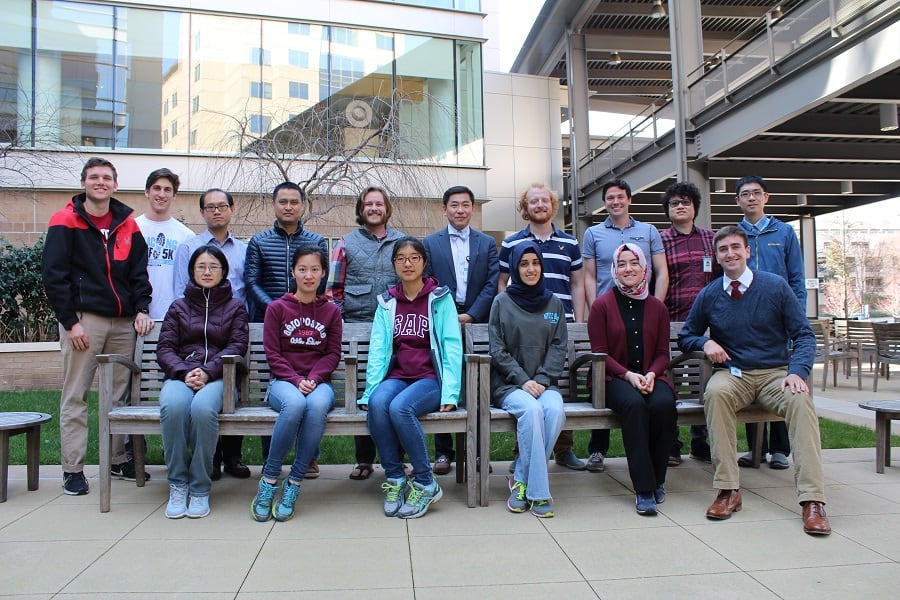
Identical twins Dale and Dan Kocevski are both astrophysicists in the US, at Colby College in Maine and NASA’s Marshall Space Flight Center in Alabama, respectively. Coming from a blue-collar family, and the first in their family to go to college, from an early age the Kocevski twins constantly looked to each other for support in pursuing their nascent scientific interests. “We would take just about anything we could apart to see how it worked and mix random ingredients together from the kitchen in the hope of a chemical reaction,” says Dan. “We often reinforced each other’s preoccupation with science,” agrees Dale. “We attended NASA’s Space Camp in Huntsville, Alabama together and we read a lot and often shared the plots of our respective books, in some sense doubling the number we were reading!” But all this changed at the turn of the century after their bachelor degrees at the University of Michigan.
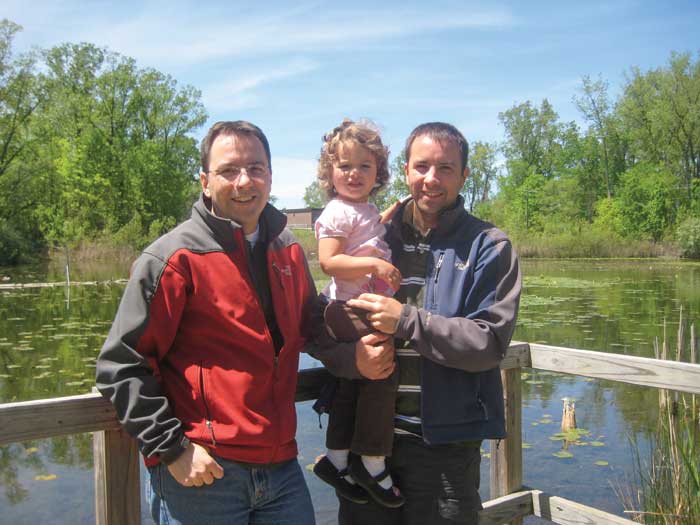
Same but different Twins Dale (left) and Dan (right) Kocevski both chose a career in astrophysics. (Courtesy: Daniel Kocevski)
“We had pretty much spent our entire lives together before going away for grad school,” says Dan. “The loss of the implicit support that comes from having a sibling going through the same challenges was definitely a big deal.” Although they both developed PhD thesis projects related to high-energy astrophysics, their sub-fields – gamma rays for Dan and X-rays for Dale – were worlds apart, meaning the brothers worked on different problems for the first time. “It was a huge change, both academically and personally – it was the first time in our lives that we had lived apart,” says Dale.
Today, while Dale is focused on how galaxies and their supermassive black holes evolve together using observations ranging from X-rays to the infrared, Dan studies the universe through gamma-ray bursts, most recently in relation to searching for the electromagnetic counterpart of the gravitational wave detections made by the Laser Interferometer Gravitational-Wave Observatory.
This means that despite both working in astrophysics, their professional lives are now largely separate, except for one conference a year that brings them together: the annual American Astronomical Society meeting. “It makes for fun stories when we attend the same conference – I’ve had people tell me how much they liked my talk, only to realize that they were referring to my brother’s talk from earlier in the meeting,” says Dan. “I often wonder how many positions I’ve obtained because people erroneously assumed that I was publishing twice as many papers as I was and on two entirely different fields of astronomy.”
Sharing the same experiences and going through the same changes through childhood, the Kocevski twins are a prime example of how a sibling’s behaviour both influences and is influenced by their brother or sister, in this case in a very positive way.
This contrasts with the commonly held view that rivalry plays a major part in driving siblings to excel in a particular topic. But human development and family expert Kathi Conger from the University of California, Davis, thinks this is a popular misconception. “Negative emotions and feelings are often the focus because that is the stereotype of what people expect about sibling relationships,” she says. While Conger acknowledges there is always the possibility of personality clashes, she says that “the notion of sibling rivalry is overstated in the popular literature”. In fact, a much stronger influence is social learning – the simple act of observation and emulation.
The astronaut and the astrophysicist
For siblings with a large age difference, early-life social learning is more of a one-way affair. Astronomy professor at the University of Kansas and former NASA astronaut Steve Hawley is seven years older than his University of Virginia astrophysicist brother John. “Steve led the way into astronomy for me,” notes John. “I have an early memory of his receiving a telescope as a Christmas present and some number of years later he got a better telescope and gave me the first one as a hand-me-down.”
Despite the age gap, the Hawley brothers’ careers have been strangely intertwined. Prior to his selection by NASA in 1978, Steve conducted seminal work into the nature of peculiar remote elliptical galaxies known as BL Lac objects, which John later followed up by helping to understand the physics underlying them. Then, as a NASA astronaut, Steve serviced the Hubble Space Telescope and the Chandra X-ray Observatory (five trips into space in total), both instruments later providing major discoveries in high-energy astrophysics, which is John’s specialism.
Since then, John has had great success, including sharing the 2013 Shaw Prize in Astronomy with former colleague Steven Balbus for the “discovery and elucidation of the magnetorotational instability”, an important part of the dynamics in accretion discs. “I always remark that the big change was going from people asking me ‘are you related to Steve Hawley?’ to today Steve being asked ‘are you related to John Hawley?’,” jokes John. “Good symmetry there, although his Wikipedia article is much longer than mine.”
Academic heritage
Even if John’s comment is light-hearted, using a brother or sister as a yardstick for your career achievement turns out to be quite common and useful. “Because Rosemary is almost six years older than me, she’s always further along her career path,” explains Louise Dyson, an applied mathematician at the University of Warwick, UK. “I do somewhat measure myself against what she was doing when she was at my stage, and I expect in some ways I always will.”
Louise’s research supports efforts to eradicate neglected tropical diseases. In one ongoing study, she devises models of parasitic worms such as roundworm, which infect the intestine and are transmitted through contaminated soil. Her models focus on the interactions between different parasites when they simultaneously infect a host. Meanwhile, her sister Rosemary is also an applied mathematician but her work at the University of Birmingham aims to understand how plants grow, including modelling the growth of plant roots at a range of scales, as well as the interactions between cells and their extracellular matrix. “I’m also working on an industrial project aiming to produce handheld testing devices that can determine whether there are nasty bugs in your water supply, or blood or urine sample, cheaply, quickly and easily,” she adds.
The Dyson sisters come from an academic family – their mother was a mathematician – so from the outside it was little wonder both sisters followed in their mother’s footsteps. Yet while they were growing up, the very idea of also becoming mathematicians was anathema to them. “It seemed a bit boring if we all ended up doing the same thing,” explains Louise, adding, however, that in the end, maths turned out to be fun after all. Rosemary agrees that they both decided to “do what we were interested in and didn’t let the fact that we wanted to rebel against tradition stop us”.
Family expert Conger says that siblings can be an important source of information, especially if they are working in the same or a related field. They can offer advice and encouragement about the culture of competition and collaboration, share ideas for funding sources, provide feedback on job applications or even help one another in areas outside their immediate expertise. This has been Rosemary’s experience, who has found that her younger sister’s know-how has grown increasingly academically useful in her own work: “She has some really interesting research knowledge and ideas, and I now use her as a resource much more than I used to.”
Family magnetism
But what about siblings who choose wildly different career paths? Does the sibling relationship still confer an advantage in adulthood? All siblings described so far (in this admittedly unscientific sample) seem to share a deep desire to rekindle the closeness of the early-life sibling relationship in later years. However, the gravitational pull is palpable too in siblings who have entirely unrelated expertise, often leading to unusual and impactful results.
Early push Scientist sisters Sheila (middle) and Nikki (right) Kanani were surrounded with science books by their mother (left) and father. (Courtesy: Mr A Kanani)
The parents of space scientist Sheila, and GP and chief clinical officer Nikki Kanani, surrounded their daughters from a young age with piles of books on human medicine, biology, veterinary science and maps of the universe. Very early on, Sheila decided she wanted to be an astronaut and Nikki a doctor. “We enjoyed the fact that we didn’t have to compete because we were on such different paths,” says Sheila. “We both made our own choices and weren’t compared to each other so we could each flourish as our own person.”
Although they could not support each other academically, Sheila found that having a sister who believed in her “wild” career aspirations gave her the impetus to carry on: “I never felt silly talking to her about what interested me and what I wanted to do ‘when I grow up’,” she says. “Life would be very different without my sister around!”
What is interesting with the Kanani sisters is that despite working in very different areas, they found a topic where they could join forces. “In December 2012 we decided to try and support people from communities that may not be able to access STEMM (science, technology, engineering, maths and medicine) subjects – and STEMMsisters was born,” explains Sheila. STEMMsisters is an online social network that includes mentoring, events and a blog, all of which aim to connect, inspire and empower anyone interested in the STEMM subjects. “We have similar strengths but also both bring different ideas to the table and we bounce off each other very well,” says Sheila. “Working with your sister is super fun: like doing your dream job with your best friend!”
Quantum connection
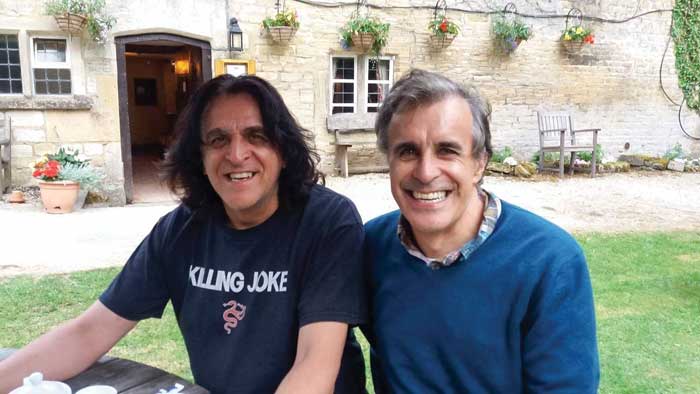
An even more extreme example of sibling collaboration can be seen in Rutgers University condensed-matter physicist Piers and his younger brother Jaz Coleman, who is the co-founder of, and singer in, the hugely successful industrial rock group Killing Joke. With one brother travelling the world as an international rock star and the other studiously advancing the theory of strongly correlated electron systems, the Colemans’ worlds could not be further apart. Yet at the start of the century they found a way to collaborate. Music of the Quantum merged Piers’ knowledge of quantum mechanics with Jaz’s musical skills to create an original musical composition about the quantum world.
Creative similarities Brothers Jaz (left) and Piers (right) Coleman pursued very different careers but have found ways to collaborate professionally. (Courtesy: Jitka Kvacova)
“One of the things I told Jaz was that quantum mechanics allowed things to be in two states at once, and that perhaps we could try to capture this in the music,” says Piers. “Jaz had the idea of using a violin and an accordion to capture these two states.” Music of the Quantum was first performed in New York at Columbia University in 2003 and then in 2004 at the Bethlehem Chapel, Prague. “It was immense fun, though a huge undertaking,” says Piers. “We hope to perform Music of the Quantum again live in London. I love the idea that art and science are not so far apart – the idea that they can synergize one another.”
Clearly, siblings can have a big effect on each other’s life course. From the very beginning, the bickering, fighting and arguing that is usually frowned upon or punished by parents can confer an advantage when it comes to problem-solving in adulthood – a key tool for any scientist. “It seems likely that siblings who learn to resolve conflicts are in a better position to state their case clearly, take a stand and stick up for their point of view,” Conger says. “My research found that sibling problem-solving skills contributed to an adolescent’s sense of mastery and control even after taking into account problem-solving with parents.”
By negotiating new roles and responsibilities outside the home, and incorporating new relationships into their lives, at some point, however, family relationships – including those between siblings – start to become less central to everyday life. But once established in their careers and settled in their family lives, that familiar bond often seems to once again tug siblings back together. And with the angst and rivalries in the past, the warmth of the bond restored, and knowledge from a lifetime devoted to their passions at their fingertips, older sibling pairs can become more than the sum of their parts in achieving great things side by side.
Historical sibling scientists
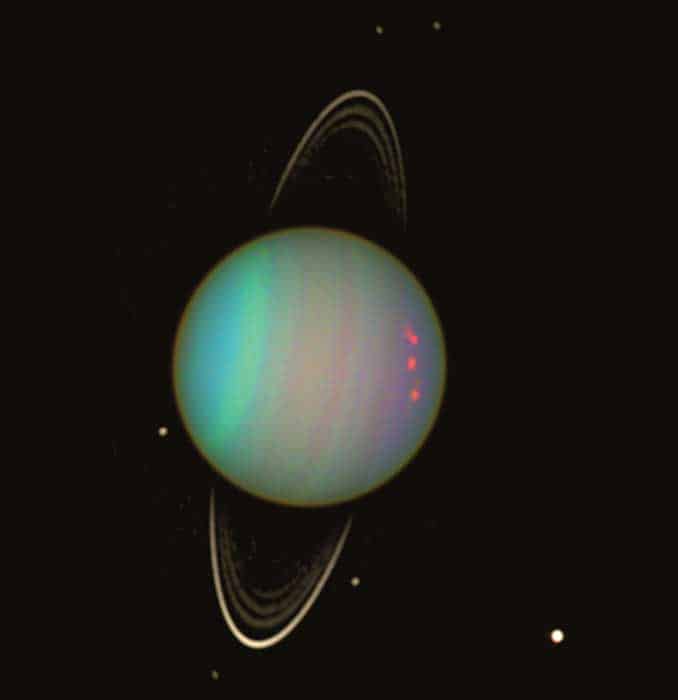
Side by side William Herschel discovered Uranus and two of its moons. He worked closely with his sister Caroline who discovered eight comets. (Courtesy: ESA/NASA/Erich Karkoschka, University of Arizona)
Gifted siblings litter science’s annals with huge achievements. Here is just a small selection of some of the most notable.
Tycho (1546–1601) and Sophia (1559–1643) Brahe
The youngest of 10 children born to Danish high nobility, Sophia Brahe taught herself astronomy, astrology, mathematics, chemistry, medicine, genealogy, botany, literature and German. She assisted elder brother Tycho in his astronomical observations – some of the last to be done with the naked eye – which produced by far the most accurate measurements of the positions of the planets and astronomical objects at that time and led to new understanding of what comets and what we now know as supernovae are.
The Bernoulli mathematicians (1654–1789)
Hailing from Basel, Switzerland, various Bernoullis made a huge impact on mathematics in the 17th and 18th centuries. Brothers Johann and Jacob inspired and competed with one another, leading to progress in infinitesimal calculus, including the development of the calculus of variations. Johann’s sons Nicolaus, Daniel and Johann II, and even his grandchildren also became accomplished mathematicians and teachers. Daniel Bernoulli, in particular, is today known for Bernoulli’s principle on the inverse relationship between the speed and pressure of a fluid or gas.
William (1738–1822) and Caroline (1750–1848) Herschel
The first professional astronomer, German-born William Herschel is probably best known for discovering Uranus and its moons Titania and Oberon, as well as discovering the Saturnian moons Enceladus and Mimas, and importantly, was the first person to identify infrared radiation. Meanwhile, sister Caroline assisting in the shadow of her esteemed brother was the first woman to discover a comet, to be paid for scientific services and to receive an honorary membership into the Royal Society. Until 1996 she was the only woman to receive the Gold Medal from the Royal Astronomical Society.
J Robert (1904–1967) and Frank (1912–1985) Oppenheimer
J Robert Oppenheimer was an American theoretical physicist, who made important contributions to theoretical astrophysics, nuclear physics, spectroscopy and quantum field theory. Frank was inspired to follow in his older brother’s footsteps, which eventually led to him collaborating with Robert, who was director of the Manhattan Project, on the creation of the atomic bomb. However, Frank’s brief dalliance with the Communist Party in the 1930s put an end to his scientific career after the Second World War and damaged his brother’s. Later, Frank recovered by founding San Francisco’s Exploratorium in 1969, which has inspired science museums worldwide ever since.
An antimatter experiment at CERN reveals that the hyperfine splitting of antihydrogen is the same as that of hydrogen to four parts in 10,000. The research was done by physicists working on the ALPHA-2 experiment, who describe the work as an important step towards measuring the spectral lines of antihydrogen – something that could lead to the discovery of new physics.
Antihydrogen is the antimatter version of hydrogen and comprises an antiproton bound with an antielectron (positron). According to the Standard Model of particle physics, physical properties of antihydrogen such as hyperfine splitting should be identical to that of hydrogen. Physicists are therefore very keen to find discrepancies between hydrogen and antihydrogen, which would point to new physics beyond the Standard Model. Such a discovery could, for example, help explain why there is much more matter than antimatter in the universe.
In atomic hydrogen, hyperfine splitting is a result of the interaction between the magnetic moments of the nucleus and the electron. This splitting has been measured to a precision of seven parts in 1013 – providing the first evidence for the anomalous magnetic moment of the electron; inspiring the relativistic theory of quantum electrodynamics; and leading to the development of the hydrogen maser.
Mixing plasmas
The ALPHA-2 experiment receives its antiprotons from the CERN Antiproton Decelerator and its positrons are produced by radioactive decay. In a typical experimental run, the team mixes cold plasmas containing about 90,000 antiprotons and 1.6 million positrons to create about 25,000 antihydrogen atoms. Most of these atoms have far too much kinetic energy to be useful so the vast majority are discarded. This leaves about 20 atoms, which are held in a superconducting magnetic trap. If the mixing process is repeated, up to 74 atoms can be accumulated for study.
In the presence of the trap’s magnetic field, the hyperfine energy levels are further split into two distinct pairs of states. One pair is “trappable” – atoms in those two states will remain in the trap. The other pair is “untrappable” – atoms in those two states will quickly be lost from the trap.
Measurements are made by applying microwave radiation to the trapped atoms. If the frequency of the microwaves matches the frequency associated with a transition from a trappable to an untrappable state, some of the atoms will become untrapped and will annihilate on the inner surface of the trap. This annihilation releases a significant amount of energy, which is captured by special detectors.
Twin peaks
The experiment involves slowly scanning the microwave frequency and measuring the number of annihilation events. The result is two peaks, with the hyperfine splitting corresponding to the energy difference between the peaks.
The team’s measured value for antihydrogen hyperfine splitting (expressed in terms of photon frequency) is 1420±0.5 MHz, which agrees with the measured value for hydrogen to four parts in 10,000.
Although the measurement provides no evidence that the physics of antihydrogen is any different to that of hydrogen, the team says that it opens the door to more precise measurements of the spectrum of antihydrogen. Writing in Nature, the team points out that future measurements of the shape of antihydrogen spectral lines could reveal new physics.
Upgrades to VIRGO involved dismantling the detector – a giant interferometer – and installing several new components, one of which was glass fibres to suspend the mirrors in place. These 40 kg mirrors, or “test masses”, are located at the end of each 3 km arm and bounce laser beams back and forth. If the light travels exactly the same distance down both arms, then two combining light waves interfere destructively, cancelling each other so that no light is observed at the photodetector. But if a gravitational wave slightly stretches one arm and compresses the other, the two beams would no longer completely subtract each other, producing an interference pattern at the detector.
Merging black holes
aLIGO made the first-ever direct detection of gravitational waves in September 2015, when it spotted waves produced from the collision of two black holes of 36 and 29 solar masses in an event dubbed GW150914. Since then, aLIGO has spotted two more events that occurred in December 2015 and January 2017.
aLIGO began taking data on 30 November 2016 as part of its second observational run, which will end on 25 August. VIRGO was initially expected to join this run in March, but issues with the fragility of the glass fibres meant that engineers had to replace them with metal wires, reducing the sensitivity of the instrument. Although VIRGO’s sensitivity to gravitational waves is lower than the twin aLIGO detectors – but better than its 2011 incarnation – it is still good enough to confirm a detection made by aLIGO. This would then allow physicists to locate the source of the gravitational wave much more accurately than before.
Exciting and challenging
After 25 August, VIRGO will switch off for further improvements that include replacing the metals wires with glass fibres. The detector will then begin commissioning in spring 2018 before joining aLIGO’s third observational run in autumn 2018. “The months ahead of us will be exciting and challenging,” says physicist Alessio Rocchi from INFN Roma Tor Vergata, who is VIRGO’s commissioning co-ordinator. “These upgrades are promising further improvements of the sensitivity, while making the instruments more complex.”
The VIRGO collaboration consists of 280 physicists and engineers at 20 research groups in Europe.
Ancient rolls of manuscript that were carbonized during the eruption of Mount Vesuvius in 79 AD have been virtually unfolded by scientists in Italy. Having probed the “Herculaneum papyri” with X-rays, the researchers were able to isolate individual layers from the extremely delicate and heavily distorted rolls and identify Greek letters written on them. They are currently refining their technique and hope shortly to be able to read significant portions of the ancient text.
The Herculaneum papyri, discovered in the mid-18th century, were stored in the library of a huge villa overlooking the Bay of Naples that some think belonged to the father-in-law of Julius Caesar. Numbering more than 1800 and concerned, at least in part, with the work of the Greek philosopher Epicurus, the scrolls were carbonized and buried by volcanic material from Vesuvius. Although the eruption preserved the manuscripts for posterity, the high temperatures and pressures it generated also crushed and partially melted the precious texts.
Unrolling headache
Trying to unfold and read the very fragile and irregularly shaped scrolls has proved a major headache for scholars. Some of the best-preserved texts have been unrolled by mechanical techniques, but others have been partially or completed ruined. Meanwhile, many non-invasive techniques – such as multispectral imaging and X-ray fluorescence – are unable to penetrate the unrolled manuscripts and therefore cannot distinguish features on internal layers.
The latest work exploits a technique known as X-ray phase-contrast tomography (XPCT). Conventional X-ray tomography records the extent to which different materials absorb the radiation. But it is of little use when trying to distinguish different materials with very similar densities – such as the black carbon-based ink used to write on the papyri and the carbonized papyri themselves. XPCT instead relies on the X-rays’ phase changing as the photons takes different paths through a sample. The technique is sensitive enough to detect the variation in refractive index between a minute blob of ink and the papyrus surrounding it.
The Herculaneum papyri were first analysed using XPCT by Vito Mocella of the Institute of Microelectronics and Microsystems in Naples and colleagues. In 2013, they exposed two papyri from a collection in Paris to X-rays from the European Synchrotron Radiation Facility (ESRF) in France. As they reported two years later in Nature Communications, Mocella and team found they could identify segments of writing within the manuscripts. However, at that stage they did not attempt to virtually unroll the papyri.
Virtual handling
In the new research, presented on arXiv, physicists Alessia Cedola and Inna Bukreeva of the National Research Council Institute of Nanotechnology in Rome also used the XPCT technique at ESRF in 2016. Looking at two papyri from the National Library of Naples, they were able to combine their data-taking with a new way of virtually unrolling the scrolls. Rather than tracing out the geometry of individual papyri layers by observing the objects’ cross-sections, they instead used a 3D technique, which, says Cedola, allows them to study a larger portion of the text.
The researchers start by carrying out the digital analogue of traditional mechanical separation – they virtually remove a portion of a papyrus within a 3D tomographic reconstruction of the scroll. They then peel away the individual layers one by one, noting signs of any potential handwriting as they do so. If they do come across what appear to be letters, they flatten their virtual layer by adjusting its shape until the criss-crossed fibres that naturally make up the papyrus form a geometric grid.
Doing so, they have been able to identify several regions of potential text, the most extensive of which they reckon contains 14 lines of letters. Although many of the letters are yet to be deciphered, Cedola and co-workers nevertheless conclude that their technique has enabled “the most extensive potential textual portions ever read so far” from still-rolled Herculaneum papyri.
Deciphering challenge
Two “papyrologists”, also from the National Research Council in Rome, are working alongside Cedola and Bukreeva to decipher the text, having confirmed that it was probably written by philosopher and poet Philodemus, a follower of Epicurus. They hope to have completed their task by around the end the year. Then in early 2018, Cedola’s team plans to go back to Grenoble and investigate a number of papyri using a higher-resolution X-ray detector. Doing so, she explains, will allow them to better flatten the virtual layers and as such more easily remove unwanted shadows caused by undulations in the papyri. “We will be able to say with greater confidence what is a letter and what is shadow,” she says.
Mocella says that the latest research is “interesting work”, but maintains that it “doesn’t represent a significant advance” on his own group’s efforts. He adds that since publishing their initial results in 2015, he and his colleagues have been able to “virtually unroll some particularly large portions of papyrus on which we are currently improving the readability”.