Diamond Light Source – when a tool becomes a gem

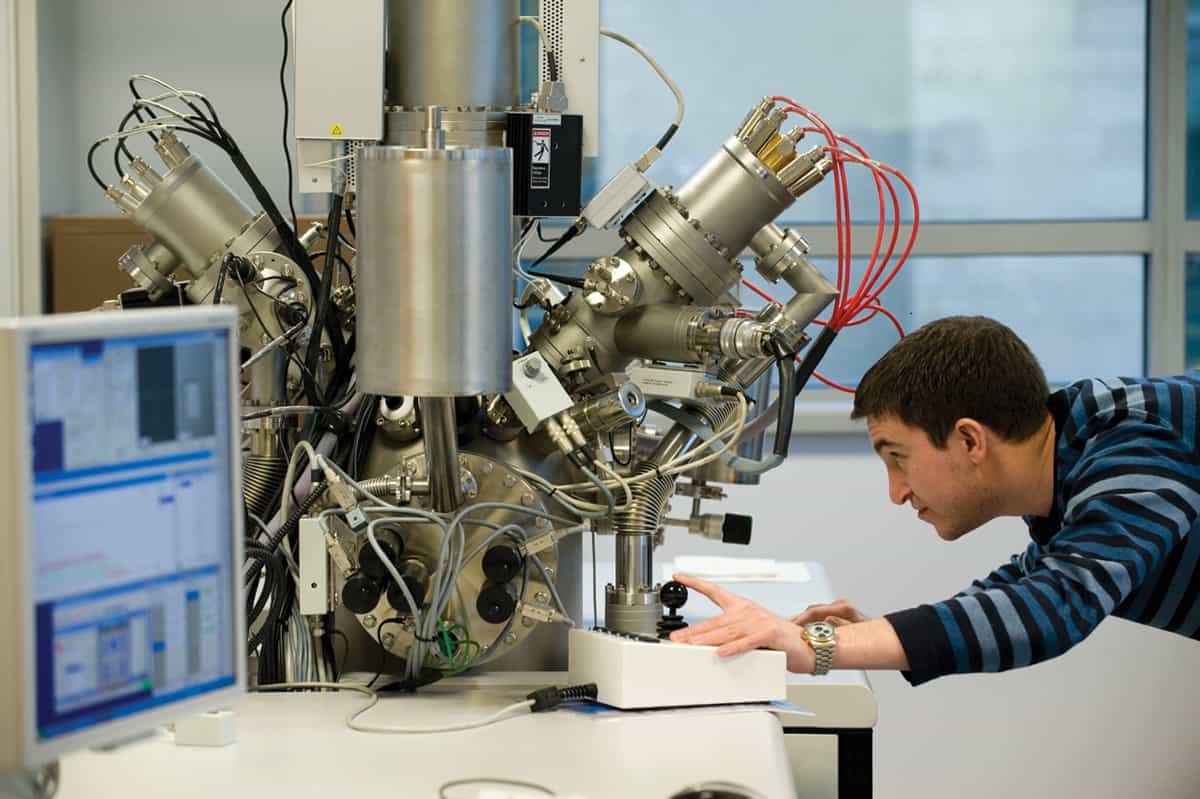
Tools that image tiny structures can come in huge packages. The toroidal-shaped building housing the Diamond Light Source synchrotron has a circumference of 783 m, yet the samples it probes measure less than millimetres, and its imaging resolution reaches atomic-level detail. The facility opened in 2007 and is the largest medium-energy synchrotron in the world. It offers 31 beamlines tailored for imaging at extreme temperatures and pressures; probing electronic and magnetic materials at the atomic level; resolving the structure of complex biological samples; mapping the chemical composition of complex materials with microfocus spectroscopy; and nanoscale imaging.

The name is linked to the characteristics of the X-rays produced – hard and bright like a diamond. Here hard means in the higher-energy part of the X-ray region of the electromagnetic spectrum, so smaller structures can be resolved. To produce the X-rays, electrons produced through thermionic emission from a cathode are accelerated in a linear accelerator and then a booster synchrotron where they reach close to the speed of light, before circulating in a storage ring around 560m in circumference.  Magnets direct the electron beam around the storage ring, and each time the electron beam passes through these magnets it emits synchrotron radiation. The parameters of this radiation, such as the spectral wavelength and polarization, are tightly controlled to optimize for different experiments, and high-specification sample mounting and metrology equipment also contribute to high-resolution data mapping.

 Saving Homer

Homer by Rembrandt, dated 1663

Stephen Price, a researcher at Finden and formerly a Diamond Light Source scientist, is currently working with the Rijksmuseum in Amsterdam on a sample of Rembrandt’s painting “Homer”, which dates back to 1663. As he explains, the sample is of a white bloom or crust that forms on the painting despite the best efforts of conservationists. His aim has been to identify the chemistry of the crust and hopefully determine how to prevent such crusts forming.

“Normally a lab-based diffractometer has quite a large beam profile of a few millimetres in size and the sample here is much less than one millimetre,” says Price, explaining that even if a lab-based X-ray source could identify the phases there would be no spatial information as to whether those phases were at the surface, middle or right by the canvas. “Further to that a lab-based source just doesn’t have the flux to image such a small volume,” he adds.

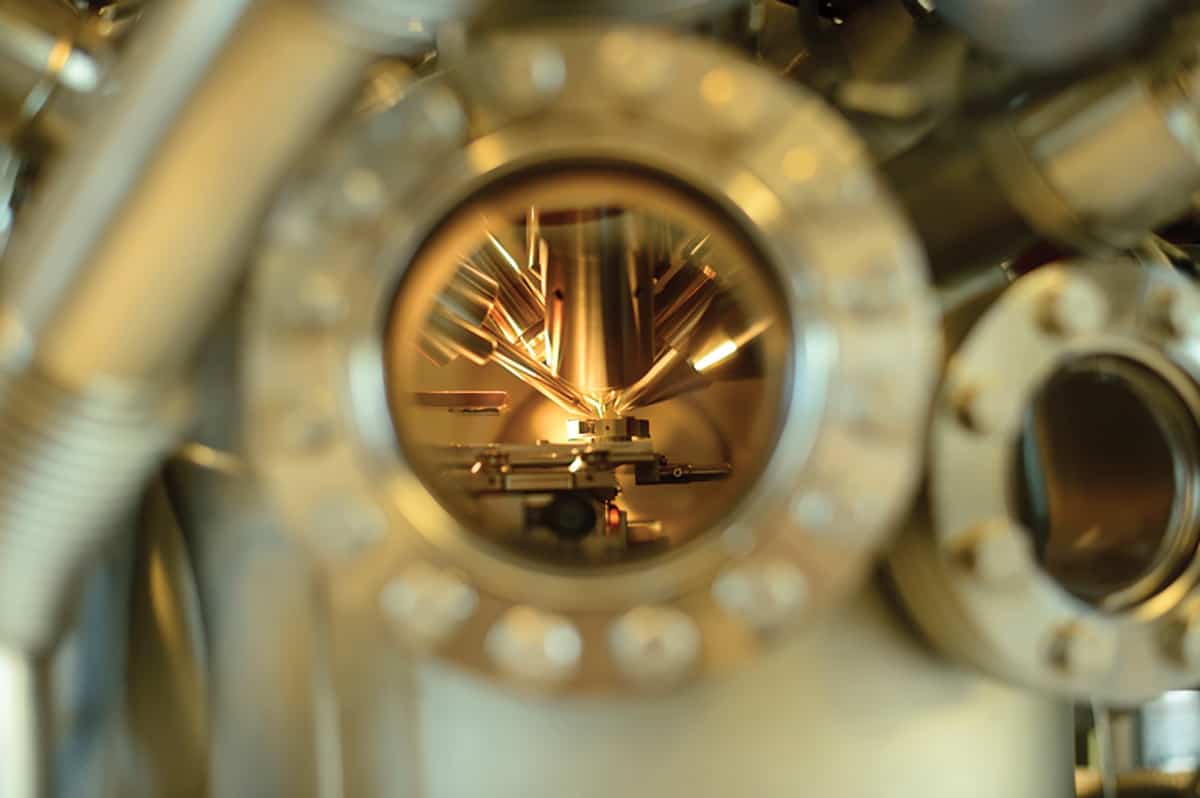
Using the microfocus X-ray beam at Diamond to scan the sample at different angles, they were able to show how the lead paint had reacted with atmospheric pollutants including sulphur dioxide, which was forming the white crust disfiguring the painting. “Using this information the conservation team at the Rijks can investigate further how to prevent and reverse this degradation process,” says Price.

The perfect slurp

As well as high-end art Diamond Light Source has made contributions to more gastronomic aspects of culture, namely what makes ice-cream so good. Ice-cream typifies food where the feel and texture contribute as much – if not more – to the experience as the flavour itself. As a result the perfect ice-cream hinges on microstructural characteristics deeply embedded in materials science.

Above -30 °C the subtle balance of crystal and bubble size versus the unfrozen matrix starts to disintegrate, hence the disappointment of eating ice-cream where the storage temperature has cycled between hot and cold in a process described with no exaggeration as “thermal abuse”.   X-ray studies of ice-cream that had been thermally abused in 14 cycles could show that the ice crystals and air bubbles grew, and that they grew by less after 7 cycles. However, to understand the interaction between different microstructural features required in situ studies during the cycling itself.

This work also revealed other interesting phenomena, including the role of the unfrozen matrix in maintaining the ice cream’s microstructural stability and the complex interactions between ice crystals and air bubbles,” explains Peter Lee, Acting Director at the Research Complex at Harwell (RCaH) next to Diamond, and one of the researchers who played a leading role in these results. “For example, the melting and recrystallization of ice crystals significantly affect the air bubbles’ morphology and the behaviour of the unfrozen matrix.”

A twist in skyrmion data storage prospects

Magnetic materials have been widely used for computer storage for decades but as devices shrink and memory requirements intensify, there has been keen interest in possible alternatives, a recent candidate being magnetic skyrmions. In these nanoscale magnetic quasiparticles, the field vectors follow twisted vortices pointing towards or away from a single point in space. Being small, stable and responsive to their environment, they have attracted a lot of interest for next-generation data storage technology as well as spintronics, but questions remain as to how surfaces affect skyrmions.

Using resonant elastic scattering of circularly polarized X-rays at Diamond, Shilei Zhang at the University of Oxford, alongside colleagues in the UK, Germany and Switzerland were able to retrieve information about changes in the type of twisting in the skyrmions over several hundred nanometre distances from the surface. “This has far-reaching implications for the creation of skyrmions in surface-dominated systems and identifies, more generally, surface-induced gradual variations deep within a bulk material and their impact on tailored functionalities as an unchartered scientific territory,” says Zhang.

The results were published in the Proceedings of the National Academy of Science  in the 7000th paper reporting results from experiments at Diamond Light Source. “Diamond’s 7000th publication exemplifies the links between fundamental research, applied science and the technologies that move humanity forwards,” says Laurent Chapon, Diamond’s Physical Sciences Director.

Precision support technology
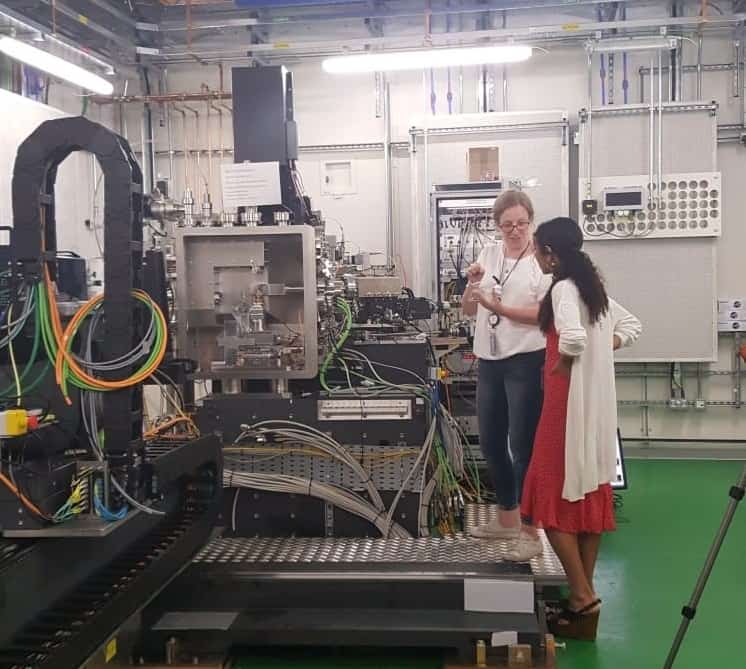
Beamline Scientist Julia Parker shows Physics World Editor Anna Demming the experiment hutch for nanoprobe beamline I14

The beamline’s optics hutch, where the light is focused and filtered, can be situated a substantial distance away from the experimental hutch where the experiments take place. Julia Parker, who works on the beamline for nanoscale studies mounts samples in a hutch that is 185 metres away from the hard nanoprobe beamline’s optics hutch to maximize the distance from the focusing optic to the sample. The beams travel to the hutch along vacuum lines with negligible attenuation, and users can control all the parameters from the control cabin next to the experimental hutch. “You can even change parameters from home if you wanted to,” adds Parker.

The hard nanoprobe beamline has a beam size of 50 nm and opened for users in March 2017. It allows users to obtain chemical and structural information with 50 nm resolution, using beams with energies ranging from 5-23 keV, and accommodates in situ measurements under strained, wet and heated conditions for both organic and inorganic samples.

While the technical specifications of the facilities at Diamond are impressive, improvements are ongoing. One recent development was the introduction of a device that can step through angles one nanoradian at a time – equivalent to the angle a telescope on Earth would move through to look at the toe or the heel of a footprint on the moon. The device enables better testing and inspection of the mirrors that focus the X-ray beams and exemplifies the level of accuracy of the equipment at Diamond that enables such high-precision experiments.

State-of-the-art electron microscopy

In 2016 Diamond announced the opening of an electron microscopy imaging centre specifically geared towards the needs of the physical sciences community. The electron Physical Sciences Imaging Centre (ePSIC) is a collaboration between Diamond, the University of Oxford and the catalyst company Johnson Matthey plc, and is available to users free of charge on a peer-reviewed proposal basis. It is home to two state-of-the art transmission electron microscopes one running from 200 kV and the other from 300 kV and capable of resolving features just 47 picometres in size. As Parker points out these complementary facilities are very useful for the nano beamline experiments where the size of samples is one of the main challenges. The facilities also attract researchers running projects that do not use the main X-ray source.

“We provide a very high-performance instrument and also expert staffing so that users who don’t have the expertise to drive the instrument themselves can come here and our staff scientists will run the experiment for them,” explains Angus Kirkland, Professor of Materials at the University of Oxford and Science Director at the Centre.

Studies for the nuclear industry

Experiments at ePSIC include studies of 2D materials, and materials for catalysts, batteries and other energy applications, as well as steels for aerospace and nuclear industry materials. Chris Grovenor, a Professor of Materials at the University of Oxford, uses the electron microscopes at ePSIC to study corrosion in zirconium alloys, which are the preferred cladding alloy in the nuclear industry for pressurized water reactors. Their role is to separate the water from the uranium dioxide fuel, as any mixing between the two can be incredibly dangerous. Inside the reactor the zirconium is subject to intense heat and pressure as well as neutron damage, which causes it to corrode with the formation of an oxide layer.

At present the industry acts in line with very conservative estimates as to how long the rods can be left in the reactor before corrosion embrittles the cladding, so only between 30% and 40% of the uranium is burnt. “Every time you switch the reactor off for a day it costs a million pounds on account of the energy it is not producing,” explains Grovenor, adding that sufficient knowledge to safely leave the rods in for longer would also reduce nuclear waste. He and his research team are studying how the oxide layer forms at the atomic scale to better understand how long the zirconium can survive the reactor conditions before it needs replacing.
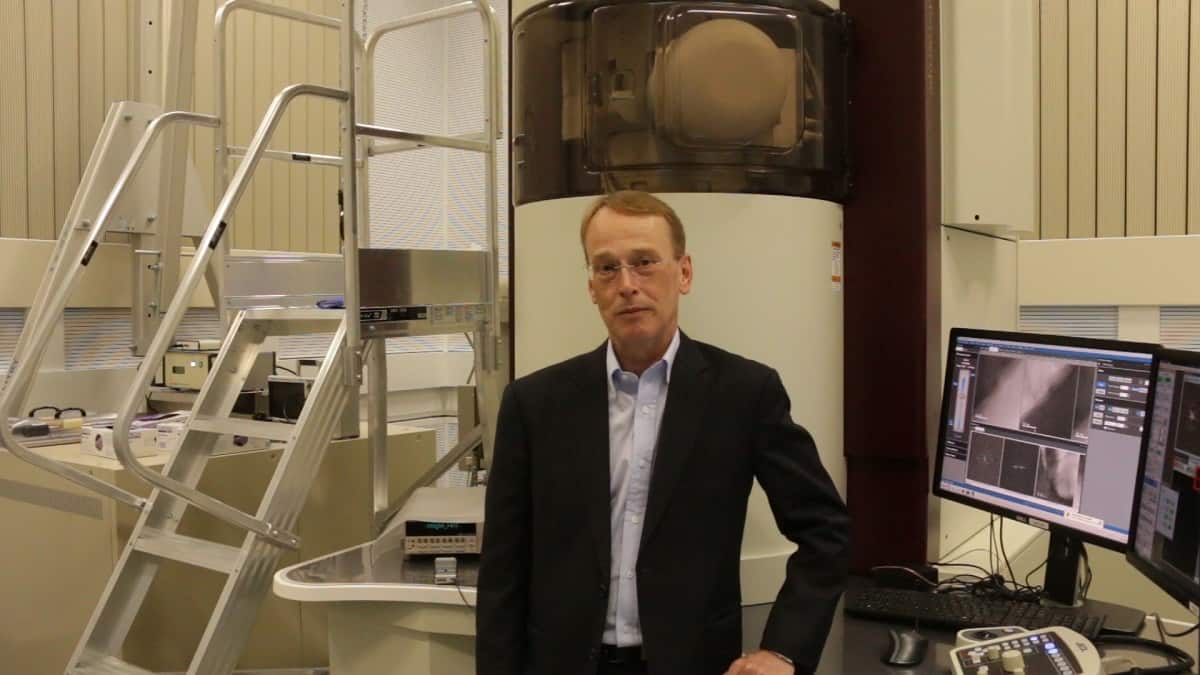
ePSIC Science Director Angus Kirkland in front of the 300 kV transmission electron microscope


Developments at ePSIC

After ten years or so of rapid development the hardware of the microscopes has plateaued. Now as Staff Scientist Chris Allen points out the interesting bit is what to do with the hardware, and here increasingly the focus is on in situ experiments, where imaging takes place in temperature and pressure conditions closer to those in which a catalyst operates, for example.

There is also a lot of interest in high-speed imaging – 4D TEM – to delve into fast dynamical processes, such as the evolution of defects and dopants. Thanks to one of Diamond’s spin-off companies, which have developed ultrafast imaging cameras, the scientists at ePSIC have had access to the technology very early on. “There’s not many labs internationally that have access to these cameras,” says Allen. As camera frame rates increase, the simulation timescales that computational chemists can reach are also increasing and are approaching milliseconds. “So we are potentially getting to the stage where we can directly compare what the computational chemists are saying about the life times of various features with our imaging, and that for me is really exciting.”

Biological samples out in the cryogenically cold

So where do these world-class facilities for imaging alloys and 2D materials leave scientists working on biological samples? Catering specifically for this community, in June 2015 Diamond brought online its first microscope as part of the Electron Bio-Imaging Centre (eBIC) following the award of a £15.6 million grant from the Wellcome Trust, the Medical Research Council (MRC) and the Biotechnology and Biological Sciences Research Council (BBSRC). The centre is now home to several world-class microscopes, including cryo-electron microscopes for imaging cells and other frozen hydrated biological samples, and staff scientists can assist users in both single particle analysis and cryo-tomography of their samples.

Having the two electron microscope centres on site at Diamond provides a full suite of complementary instrumentation to help researchers push the boundaries of understanding in materials science, a field that is rife with interdisciplinary developments. In the words of Diamond Science Director Laurent Chapon, “Discovery may be an everyday occurrence here at Diamond, but it never loses its shine.”

Creating chemical images, solving industrial problems

Materials characterization has long been a go-to approach to support hi-tech manufacturing. The increasing complexity of technologies such as pharmaceutical devices and electronic systems, coupled with the engineering challenges emerging from an ever-changing commercial landscape, frequently demand advanced characterization techniques and methodologies. The nature of these industrial challenges is incredibly varied, but the specific technique we use, known as time-of-flight secondary ion mass spectrometry (ToF-SIMS), has proven remarkably adaptable in investigating a wide range of questions, from contaminant identification to mapping the skin permeation of cosmetics and pharmaceuticals.

The ToF-SIMS technique

ToF-SIMS is a sensitive surface-analysis technique that provides very detailed information about chemicals present in the upper few nanometres of samples (often referred to as static SIMS). In the technique, high-energy (typically up to 30 keV) beams of positive ions are directed at the sample’s surface, thereby liberating secondary ions. These ions are then accelerated into a time-of-flight analyser and separated according to their mass, producing a spectrum that indicates the sample’s chemical make-up.

ToF-SIMS can be applied to conduct surface spectrometry, but it can also be used to generate a chemical image of the entire sample, in which each pixel contains a full mass spectrum of the chemicals present at that location. This is known as hyperspectral data, and it can be obtained by rastering the primary ion beam over the sample surface. Samples can also be interrogated in 3D (known as depth profiling or dynamic SIMS) by employing an etching ion beam capable of sputtering layers of material. Depending upon the type of instrument configuration, either the sputtered material or the underlying exposed material is available for analysis. The technique can provide highly specific chemical information, including molecular information, and it enables researchers to detect numerous species at once – a capability known as parallel detection. The instrument is operated under ultrahigh vacuum (in the range of 1 × 10–9 mbar) and serves as a materials characterization tool for scientists in many disciplines, with applications ranging across physics, chemistry, engineering, life sciences, pharmacy and beyond.

In the early application of static SIMS, from the late 1960s, the technique employed monatomic ion species such as Ar+ and Cs+ as the primary ion beam. This tends to promote the fragmentation of molecules on the sample surface, making the results more difficult to interpret. Even so, these early ToF-SIMS instruments found a major role in several fields – particularly the semiconductor industry, where elemental species such as Si+, Ga+ and Li+ are of great interest. By employing an etching ion beam, these structures could also be interrogated in 3D, making it possible to assess any buried interfaces.

Monatomic ion beams continue to have value today (for instance in the battery technologies industry), but the highly fragmented nature of the secondary ions they generate renders them unsuitable for analysing organic samples. For this category of measurements, higher-mass ions – ideally ionic molecules – are required, and beams of gold and bismuth clusters (typically 25 keV Au3+ and Bi3+) are now routinely used to reduce the degree of fragmentation of secondary ions and make it possible to liberate organic molecular ions from the sample surface. Similarly, etching beams made up of monatomic ions are highly effective for depth profiling inorganic materials, but for organic materials the recent development of gas cluster ion beams has been a game-changer, enabling a new range of materials to be interrogated by ToF-SIMS.

These advances have expanded the technique’s range of applications and persuaded scientists in a variety of industrial sectors to take advantage of its capabilities. For more than 17 years, researchers at the University of Nottingham in the UK have used this instrument in collaboration with industry scientists to investigate technical challenges in the pharmaceutical, aerospace, cosmetics, petrochemical and additive manufacturing sectors (to name just a few). A few case studies illustrate both the breadth of this work and the versatility of the technique.

Identifying textile contaminants

In the large-scale manufacture of textiles, contamination during production can lead to a catastrophic reduction in the material’s aesthetics, requiring the process to be stopped and the material itself to be scrapped. This can be very costly. At Nottingham, we performed a project with a local textile manufacturer, Guilford Europe, to help its employees understand the chemical nature of deposits that were appearing intermittently on materials during production. These deposits were visible to the naked eye, and because they were embedded within the weave of the fabric, they were not easy to remove. Their small size – around 200–300 µm in diameter – also made them poor candidates for conventional materials analysis testing methods. They were, however, within the size amenable to ToF-SIMS analysis, and because the nature of the deposits was entirely unknown, the problem of identifying them was well suited to the instrument’s parallel detection capabilities.

The team at Nottingham’s ToF-SIMS facility began by analysing a reference library of ~50 materials used in this specific manufacturing process. Next, we compared these results to spectra taken of deposit samples. Analysis of the contaminant data showed a series of ions, including the molecular ion, corresponding to the chemical make-up of a specific drying agent used in Guilford’s facility. This information was passed to the people in charge of the production process, with the suggestion that this particular drying agent was not being fully washed from the product before the next stage of manufacture. It was postulated that this agent would therefore build up within air ducts in the manufacturing facility, such that small quantities would occasionally be blown into the product during manufacture.

After Guilford implemented a more rigorous washing process these contaminants were no longer found. The reference library of raw materials also came in useful for analysing samples associated with later contamination events, making it possible, for example, to identify the chemical constituents of leaking pipework and deposits caused by broken machine bearings.

Getting under the skin

ToF-SIMS can also discern molecular ions for active pharmaceutical agents (APIs), as well as diagnostic ions for polymer delivery systems, surfactants and stabilizers. As such it has found many applications within the pharmaceutical sector, including the analysis of API-containing micro- and nanoparticles, biomedical implants, tablets and topical medicines. In addition to the pharmaceutical sector, the permeation of topically applied agents is also relevant to the agrochemical and cosmetics industries.

At Nottingham, the research group of one of us (DJS) has undertaken research on skin permeation in collaboration with partners at Dermal Technologies Laboratory and Walgreen Boots Alliance. Some of the agents investigated include chlorhexidine, a commonly used antibacterial agent; imiquimod, a topical treatment for a type of skin cancer known as basal-cell carcinoma; and vitamin C, which is commonly applied to skin as a cosmetic agent.
The team’s starting point was a set of adhesive tapes containing skin samples. These skin tape strips can be analysed to chemically illustrate the composition of the adhesive, the skin itself and any exogenous materials. The standard analysis technique is high-performance liquid chromatography (HPLC), but this requires samples to be amalgamated and so cannot provide depth-resolved data. HPLC also does not provide any information about the spatial distribution of chemicals, which can be critical for killing bacteria or treating cancerous tissue.

In contrast, using the ToF-SIMS technique with gas-cluster ion beams makes it possible both to analyse the upper surface of a given sample and to create a depth profile of ex situ skin, producing a 3D rendering of the distribution of endogenous and exogenous chemistries. Such renderings improve our understanding of how (for example) cosmetic agents are delivered to the uppermost layer of the skin, and these collaborative works will ultimately enable clinicians and others to deliver antibacterial agents, APIs and cosmetics to the skin more effectively.

Cleaner fossil energy

The cleanliness (or otherwise) of diesel engines has been a hot topic in recent years. One aspect of the challenge concerns the formation of internal diesel injector deposits (IDIDs), which are commonly associated with engine problems such as sticking injectors, loss of power and increases in emissions and fuel consumption. Changes in emission regulations aimed at cleaning up diesel engines mean that the engines now operate under more severe conditions, including higher temperatures and pressures, than was once the case; unfortunately, these conditions also make IDIDs more likely to form. Novel fuel additives and other strategies may be able to combat IDID formation, but before appropriate additives and countermeasures can be developed, the nature of the IDIDs must first be analysed.

Pioneering work aimed at understanding the factors behind these deposits has been undertaken by a multidisciplinary team drawn from academics at Nottingham and industry scientists at Innospec. As the IDIDs are non-soluble they are not amenable to conventional mass spectrometric techniques; however, as ToF-SIMS bombards samples with ion beams rather than dissolving them, it is possible to use this technique to interrogate the chemistry of these samples. Before this series of experiments, the deposits were thought to be a single chemical entity, but this hypothesis has now been falsified. In fact, ToF-SIMS depth profiling has shown that IDIDs incorporate a range of stratified layers, where the chemical makeup is dominated by carbon, sodium, potassium, calcium and sulphur. Innospec will use this information to produce preventative additive packages to reduce the incidence of IDIDs.

Despite the advantages of ToF-SIMS, the technique’s limited mass-resolving power does, in some cases, restrict its range of applications (both industrial and otherwise). As such, Ian Gilmore of the UK’s National Physical Laboratory proposed a new concept that aimed to combine the highest possible simultaneous spatial- and mass-resolving capabilities into a single instrument.

The project team to develop this new instrument consisted of members affiliated with the University of Nottingham and three commercial entities: the pharmaceutical company GlaxoSmithKline; a specialist electronics manufacturer, ION-TOF; and a biotech firm, Thermo Fisher Scientific. The capabilities of the new instrument, known as 3D OrbiSIMS or HybridSIMS, are ideally suited to analysing complex organic and biological samples (2017 Nature Methods 14 1175). Thanks to a recent grant from the UK’s Engineering and Physical Sciences Research Council, a HybridSIMS will soon be located at Nottingham, where it will become the first instrument of its kind to exist in an academic setting while also supporting a wide range of industrial collaborations. We look forward to seeing what systems and problems it will investigate next, and welcome any suggestions.

Beating Braess’ paradox to prevent instability in electrical power grids

Researchers have calculated that Braess’ paradox – whereby adding transmission capacity to a network can degrade the network’s performance – can be avoided in electrical power grids by implementing the appropriate secondary frequency control. If the result can be demonstrated in real networks, it could help engineers build resilient networks that are able to integrate new sources of energy.

It seems reasonable to expect that adding new transmission lines to a power grid will improve its performance. However, in the 1960s the German mathematician Dietrich Braess showed that adding roads into some traffic networks actually increases congestion – an effect dubbed Braess’ paradox. Since then scientists and engineers have shown that the paradox can also apply to similarly interconnected nonlinear, dynamical general electricity grids. These grids are essential for modern life – and are constantly evolving, particularly with increases in renewable energy generation – so understanding the implications of Braess’ paradox is essential

Now scientists in Spain and Germany have joined forces to gain a better understanding of how to mitigate the effects of Braess’ paradox in electricity networks. Benjamin Schäfer and colleagues at the Technical University Dresden, brought with them expertise in Braess’ paradox, whereas Eder Batista Tchawou Tchuisseu and colleagues at the Institute for Cross-Disciplinary Physics and Complex Systems in Mallorca contributed their expertise in controlling electric network failure.

Controlling frequency

Electrical power grids operate in alternating current (AC) mode and all generators in the grid operate at the same frequency (50 Hz in Europe) and are synchronized across the network.

“Frequency stores information about the grid, telling you something about the balance of the grid,” explains Schäfer. “So, if frequency starts to drop this typically indicates that there is a shortage of supply,” he adds. “Think of a generator rotating at given frequency, if you draw energy out of the system it is taken from the rotating energy of this rotor, effectively slowing the generator down and causing grid frequency to drop.”

There are several mechanisms used in a grid to control frequency fluctuations caused by energy shortages. A few seconds after a frequency drop occurs, primary control kicks into action to stabilize the frequency. However, primary control is unable to restore frequencies to 50 Hz and this leaves the grid susceptible to another drop in frequency.

“In our current system, not all power plants contribute to all types of control, with only a few dedicated power plants having this very fast primary control response,” says Schäfer. He adds that the slower-responding secondary control, which integrates the stabilized low frequency to restore it back to 50 Hz, is rarely considered in dynamical modelling by either physicists or engineers.

Curing Braess’ paradox

Schäfer and colleagues, however, were keen to study secondary control because primary control fails to prevent Braess’ paradox affecting electricity grids. The team did an analytical investigation of the general stability of a secondary controller in a simple electric network model consisting of two connected nodes. Then they simulated the addition of lines to a more complex system, invoking Braess’ paradox.

“With no secondary control, adding a line causes a sudden blackout, a prototypical Braess’ paradox. But in the same network with secondary control, adding a line has no effect,” says Schäfer.

Schäfer admits that it had been a challenge to use analytical insight to explain how the secondary controller cured Braess’ paradox in all simulations, and so the team has also proposed additional intuitive explanations.

Ensuring future grid stability

The team describes its findings in the New Journal of Physics. Schäfer says that when the paper was being considered for publication a reviewer asked a very useful question: “How much control do you need?” For example, does secondary control need to be applied at every node, both supplier and consumer? The team tried simulations with varied levels of control and found that secondary control had to be implemented at all nodes for Braess’ paradox to be reliably cured in a network.

“We firstly warn that new line installations should be double checked to ensure they don’t cause Braess’ paradox,” says Schäfer. “Our second recommendation is that to prevent Braess’ paradox it’s important to distribute secondary control.” The importance of secondary control distribution in local area nodes as well as in generators, led the team to encourage the involvement of energy consumers in future energy grid plans, for instance, implementing demand control schemes that incentivize households to use energy at times of low demand.

Looking towards the future, Schäfer and his team are keen demonstrate the prevention of Braess’ paradox experimentally. This, they hope, will go some way to demonstrate to engineers the importance of understanding Braess’paradox as a collective phenomenon. “Convincing engineers is important and then we can focus on counter-measures, experimentally figuring out which parts of the network we need to control to guarantee stability.”


Organic solar cells break new efficiency record

Organic solar cells could be as efficient as those based on inorganic materials such as silicon and perovskites. This is the new finding from researchers in China who have determined which photoactive material combinations are best for making “tandem” devices. Test cells made in the laboratory reach power conversion efficiencies (PCEs) of 17.3%, a value that is significantly higher than the current 14 to 15%. This value might even reach 25% with further optimization, they say.

Organic photovoltaics (OPVs) show much promise for next-generation solar cells thanks to their low cost, and the fact that they are flexible and can be printed over large areas. Indeed, researchers have succeeded in improving the PCE of these cells from around 5% to 14-15% over the last decade by making so-called tandem cells in which photoactive layers with complementary light absorption characteristics are stacked on top of each other. In this way, they have made cells that absorb over a wider range of sunlight wavelengths than single materials. This is because the photoactive organic materials in each subcell can be designed with different but matching energy bandgaps.

Although 14-15% is impressive, this value lags behind that of photovoltaic platforms based on inorganic materials, which for their part boast PCEs of between 18 to 22%. One of the main reasons for the relatively low PCE of OPVs is the limited sunlight absorption range of materials used to make the rear subcell in the devices. Indeed, most of these materials can only absorb photons with energies of around 1.3 eV (90 nm), which means they miss a large part of the solar spectrum.

Screening for the most efficient photoactive materials

A team of researchers led by Yongsheng Chen of Nankai University in Tianjin has now developed a semi-empirical model to predict which materials work best together in tandem cells. “We screened for the most efficient photoactive materials and then found the optimal match for both the front and rear subcells in these devices,” explains Chen. “Our analyses are based on previous theoretical works and state-of-the-art experimental results.

“Thanks to our calculations, we were able to make solution-processed two-terminal monolithic tandem OPV cells with a remarkable new record PCE of 17.3%.”

“According to our analyses, the OPV of 17.3% could be increased further to 25% and these materials could be as good as other solar technologies,” Chen tells Physics World. “OPVs thus show great potential for commercial applications.”

The team, which includes researchers from the National Center for Nanoscience and Technology in Beijing and South China University of Technology in Guangzhou says that it is now busy looking for even better material combinations for making OPV tandem solar cells and improving their stability. “We found that while the initial stability tests show that the devices are stable and degrade by only 4% after 166 days, their long-term stability needs further testing and optimization,” says Chen.

How do oil companies see the energy future?

Most oil companies see global energy needs increasing, which is good news for them and other fossil energy producers. For example, ExxonMobil says energy demand will rise about 25% by 2040, led by non-OECD nations. And that global electricity demand will rise by 60% between 2016 and 2040, led by a near doubling of demand in non-OECD countries. BP looks to similar rates of growth, projecting that global energy demand will grow at around 1.3% a year up to 2040.

However, these oil companies also see electricity from solar and wind increasing – ExxonMobil says by about 400% by 2040. BP’s 2018 “2040 outlook” says “the pace at which renewables gain share in power generation over the Outlook is faster than any other energy source over a similar period. The closest parallel is the rapid build-up of nuclear power in the 1970s and 1980s”, with solar expected to be over 150% higher in 2035 than BP forecast in its 2015 Energy Outlook. But BP and ExxonMobil both also see gas use expanding rapidly, with ExxonMobil suggesting that about half its growth will be for electricity generation. And for oil, there is also good news for the companies: as ExxonMobil notes, although oil use for light-vehicles may peak by 2030, “oil will continue to play a leading role in the world’s energy mix, with growing demand driven by commercial transport and the chemical industry”, which uses oil as a key feedstock. BP sees it similarly – cars are still all the rage and electric vehicles (EVs) won’t have a big impact on oil; oil use will not peak until the 2030s, though BP notes that petro-chemical applications may be constrained a little, given the revolt against plastics.

…clearly they all hope that CCS will come to the rescue

Dave Elliott

Both companies accept that climate change is a big issue, but although they see coal growth flat-lining, they still have coal playing a major role, as energy demand rises. BP says that, by 2040, coal will still have a 21% share of the energy mix – and will remain the largest source of energy for power generation. Although, despite this, there will be some climate gains. Energy efficiency gains and a shift to less carbon-intensive sources of energy will, ExxonMobil says, contribute to a nearly 45% decline in the carbon intensity of global GDP. ExxonMobil says global energy-related carbon dioxide emissions will likely peak by 2040 at about 10% above the 2016 level. BP put it more positively. It says emission growth will only be 0.4% p.a. up to 2040, down from the 0.6% up to 2035 predicted in 2017 and the 1.2% predicted in 2011. But emissions are still growing.

ExxonMobil and BP see nuclear expanding slightly, but not much – it only makes a 5% energy contribution in BP’s 2040 scenario. By contrast, as noted above, both see renewables accelerating ahead. However, there are some differences in presentation and emphasis between BP and ExxonMobil. BP sees renewables as supplying around 14% of global energy by 2040, or about 20% with hydro included, and it also explores a “renewables push” scenario, in which extra support results in renewables supplying around 85% of electricity by 2040, up from about 45% without the push. By contrast, ExxonMobil sees renewables as marginal in energy terms: “Wind, solar and biofuels reach about 5% of global energy demand.” And adding the 3% or so it estimates for hydro by then only puts this figure up to around 8%. But the company is talking about primary energy not delivered energy. Even so, that’s very low compared to BP’s 20% figure. And ExxonMobil thinks renewables will supply about 30% of electricity by 2040, much lower than BP’s 45% mid-range estimate. Both of these figures are low compared to most other renewable electricity forecasts (e.g. from the IEA & IRENA), which range past 50-60% by 2040 on the way to 70-80% or more by 2050. So, BP’s push scenario apart, these two oil companies are mostly being very cautious on renewables.

Other views

What about the other oil companies? Shell was a pioneer in producing energy scenarios and although most of them have seen fossil fuels still playing a major role, its more recent ones have been more exploratory and more upbeat on renewables. In its 2016 New Lens update Shell looked to solar (30%), wind (12%) and bioenergy (15%) supplying in all 57% of global electricity in an undated “net zero emissions” future, with carbon capture and storage (CCS) taking care of the carbon dioxide from the remaining 25% of fossil fuels that are used. Nuclear is at 8%, others 10%. In its earlier “Oceans” scenario Shell described an ambitious pathway in which solar grows to become the largest single primary energy source in the energy system by 2060, accounting for up to 30-40% of total primary energy. Longer term, the company says renewables might reach 60–70% of all energy. Its latest very ambitious “Sky” scenario, to 2070, has renewables, including hydro and biomass, then at 67% of the energy mix, led by solar at 32%. For interesting takes on Shell’s quite radical views see this from Vox and this from Carbon Brief.

It’s interesting to compare these global oil company projections with those for the US in the US Energy Information Agency (EIA) 2018 projections. In its Reference case, which is based on existing regulations and expected technology, economic and demographic trends, the agency sees gas booming, coal falling, but renewables also continuing their climb up, while energy demand continually rises. By 2050, in its projections, US energy production has risen by 31%, but energy intensity and carbon intensity are 42% and 9% lower than their respective 2017 values. That’s partly since renewable generation is projected to increase 139% by 2050, led by solar PV, as its costs continue to fall: PV supplies 14% of total electricity generation, 53% of it from utility-scale systems. New wind capacity additions “continue at much lower levels after the expiration of production tax credits in the early 2020s”; the EIA says “from 2020 to 2050, utility-scale wind capacity is projected to grow by 20 GW”, compared to 127 GW for utility-scale PV, while “utility-scale storage capacity is projected to grow by 34 GW”.

Overall, “wind and solar generation leads the growth in renewables generation throughout the projection, accounting for 64% of the total electric generation”. By contrast there is “a steady decline in nuclear electric generating capacity – from 99 GW in 2017 to 79 GW in 2050 (a 20% decline), with no new plant additions beyond 2020”.

What’s next?

So what happens next on the ground globally? BP, like ExxonMobil and even Shell, may see fossil fuels as still important, but the PV boom has led BP to get back into that field, after a long absence, and it is now looking to invest in other green energy projects. Shell is also engaged with a range of green energy projects. However, they could all basically be just hedging their bets and clearly they all hope that CCS will come to the rescue – most of their funding still goes to fossil fuel, though that is beginning to change.

Even so, that change has to be put in perspective, e.g. for Shell, evidently only 5% of its total investment is going to sustainable energy. More generally, consultancy firm Wood Mackenzie has produced an interesting review of what the prospects for renewables really look like from the perspective of oil/gas majors. It says “the entire global market for wind and solar is currently just 4% that of oil and gas, but is set to grow at a rapid rate and much faster than oil demand. By 2035 annual revenues from wind and solar will be around one-twelfth those of oil and gas in our base-case; a ‘carbon constrained’ scenario would result in much greater penetration”. However, the consultancy estimates that “a spend of US$350 bn on wind and solar out to 2035 is needed for the Majors to replicate the 12% market share they hold in oil and gas. But even this ‘bull’ scenario would lift renewables to just 6.5% of the Majors’ production in 20 years’ time”.

So fossil fuels may be with us for some time it seems, with some serious carbon emissions implications. Even Bloomberg New Energy Finance, which has wind and solar supplying 50% of global power by 2050, still has coal at 11%. In my next post I will look at the carbon implications of alternative possible lines of development, and in future posts, at what role carbon capture might play in reducing the impact of using fossil fuel.

Abdus Salam back in the spotlight

Charismatic. Humane. Difficult. Impatient. Sensitive. Gorgeous. Bright. Dismissive. Charming.

These are just some of the descriptions given by colleagues and relatives of the Pakistani theoretical physicist Mohammad Abdus Salam in the wonderful and carefully researched feature-length documentary film, Salam. Salam was a unique individual, not just for the complexity of his character testified by the words above, but also because he was the first Muslim to win a science-related Nobel prize – and the first (and so far only) Pakistani ever to achieve that feat.

One might think that having shared the 1979 Nobel Prize for Physics with Sheldon Glashow and Steven Weinberg, for unifying the electromagnetic and weak forces of nature, Salam would be a hero in his homeland. A child prodigy born in a humble village in British India in 1926, he became one of the world’s greatest theorists who tackled some of the most fundamental questions in physics. And despite spending the bulk of his professional life overseas, Salam remained hugely attached to Pakistan, refusing citizenship of Britain and Italy – the two nations where he had largely been based.

Yet more than 20 years after his death in 1996 – his later life cruelly ravaged by a neurodegenerative disease – Salam remains poorly known and largely unrecognized in Pakistan. The reason why, this film argues, was his religious beliefs. Most Pakistanis are Sunnis but Salam was an Ahmadi, part of a minor Islamic movement founded in the late 19th century by the religious leader Mirzā Ghulām Ahmad (1835–1908).

Such was the opposition in Pakistan to the Ahmadis that in 1974 the country’s parliament declared them non-Muslims – heretics essentially – and the constitution was altered to reflect that fact. Attacks on Ahmadis increased and, a decade later, Pakistan’s then president, General Zia-ul Haq, even barred members of the sect from calling themselves Muslims. They were also forbidden from professing their creed in public or even letting their places of worship be described as mosques.

To many secular physicists, such matters might seem trifling. But the central message of this largely chronological account of Salam’s life is that Pakistan’s decision to effectively legislate against its own citizens and to outcast the Ahmadis profoundly affected him. As Salam wrote in his diary: “Declared non Muslim. Cannot cope.” Having previously been largely a “cultural Muslim”, Salam now saw his religious beliefs re-awakened.

Not that he had previously been irreligious. After arriving at the University of Cambridge in 1946 to begin his physics degree, Salam – we hear from one of his sons – was forced to dine on macaroni cheese every day. The only meat on offer at college in impoverished post-war Britain was Spam, and Salam refused to eat this pork-based product on religious principles. It was a deprivation for Salam, who had grown up as the favoured son in a family of 11, who was always served the best meat and never had to milk the cow or empty the toilet.

After completing his PhD in quantum electrodynamics at Cambridge in 1951, Salam returned home, taking up a teaching post at Government College Lahore. But lacking journals, colleagues or any proper scientific infrastructure in the fledgling Pakistan, which had become independent from Britain barely four years earlier, Salam realized he would have to go abroad again. “Either I must leave my country or leave physics,” we hear him say. “And with great anguish I chose to leave my country.”

Salam took up a professorship at Imperial College London. Neatly moustachioed with a three-piece suit bought at the upmarket tailor’s Gieves and Hawkes to whom he always stayed loyal, Salam was the archetypal foreign boy made good in the West. Chris Isham and Michael Duff from Imperial are among those who testify to his talents. Salam was driven: a full-on physicist who would work 15 hours a day. One imam at the London mosque that Salam attended even says the great man would take out a notebook during his sermons to scribble insights that came to him.

Still keen to give back to his country, however, Salam accepted a post as presidential science adviser in Pakistan. He also helped the country to develop a nuclear-weapon programme. Or did he? The film at this point turns murky, trapped in the politics of 1970s Pakistan. The government, it seems, wanted Salam for his scientific talents but didn’t want to admit it was relying on someone who was an Ahmadi. Later we see President Zia honouring Salam, yet we also hear Salam announcing we should get rid of nuclear weapons altogether. It’s a confusing picture that reminds me of Werner Heisenberg’s equally ambiguous involvement in Germany’s nuclear programme during the Second World War.

Containing an impressive roster of recorded interviews, the film has been a labour of love by producers Zakir Thaver and Omar Vandal

Matin Durrani

Containing an impressive roster of recorded interviews, the film has been a labour of love by producers Zakir Thaver and Omar Vandal, who began tracking down and discovering archive footage of Salam in 2004. It came properly to life in 2015 after the pair met New-York-based director Anand Kamalakar, who himself originally studied physics. The result is a moving and carefully crafted biopic that does full justice to Salam’s life and work. My only criticism is not knowing which interviews are freshly recorded and which the film-makers discovered on their travels.

The film also makes clear that Salam’s passion for physics didn’t make him the greatest family man. He would spend long periods holed up in Trieste in Italy, driving forward the International Centre for Theoretical Physics (ICTP), which he had founded through sheer force of will in 1964 to help researchers from developing nations. Even when he was back at the family home in suburban London, work was key. In one of my favourite scenes, Salam’s elder son Ahmad takes us into his father’s study, describing how Abdus would sit for long hours alone, cross-legged in an armchair in the warm, dimly lit room, a cup of tea by his side, incense sticks burning, doing calculations as verses from the Koran were recited on a record player.

Few geniuses, in whatever walk of life, are straightforward, and that comes across most of all in a moving interview with Anne Gatti, Salam’s assistant at the ICTP. She had to deal at first hand with his volatile temperament and demands, revealing that all she got after one particular outburst was a plastic mug Salam picked up for her at Heathrow Airport. It was his way of saying sorry (without actually doing so). Social skills were not his forte.

Gatti also describes how she had to deal with Salam’s frequent falls as his disease took hold. Barely able to function, he cried throughout his 65th-birthday celebration and in his final years was devotedly cared for by one of his wives (he had two) at his then home in Oxford. Salam, the genius, had become a shell of who he once had been. The film ends, as it starts, in the graveyard where Salam is buried.

It is only then that I twig the film’s subtitle. The camera comes to rest on Salam’s name on the gravestone, above which is the epithet: “First ****** Nobel Laureate”. With a streak of white paint covering the offending word, what should be a cause for celebration – Salam’s status as a Muslim – has literally been airbrushed by someone from history. This film, I hope, will put him firmly back in the spotlight.

Normalizing tumour blood vessels improves chemotherapy

Pancreatic cancer model

Researchers from the University of Torino have designed a protein that can repair abnormal tumour blood vessels, and by doing so, improve the tumour’s treatment with chemotherapy. Treating cancerous tumours with drugs can be difficult as the blood vessels surrounding them become altered. This results in improper blood flow, or vascularization, to the tumour. This in turn means that chemotherapies delivered via the circulatory system are less effective. As such, investigators are trialling treatments to normalize tumour vasculature and improve chemotherapy efficacy.

SEMA3A proteins (which regulate blood vessel formation) can normalize blood vessels by acting through their primary receptors, neuropilin-1 (NRP-1) and plexin (PLXN) receptors. Unfortunately, some independent studies have shown that SEMA3A may also have serious adverse effects, due to its action on the NRP-1 receptor.

Rational design of a “superagonist”

Now, a research collaboration led by Guido Serini, Enrico Giraudo and Luca Tamagnone has used rational design to alter the SEMA3A protein. This stops it binding to NRP-1, while maintaining its positive blood vessel response through the PLXNA4 receptor (Sci. Transl. Med. 10.1126/scitranslmed.aah4807).

SEMA proteins are well characterized, including the specific domains that bind to NRP-1 and PLXN receptors. The researchers first showed that removal of the NRP-1 binding domain from SEMA3A did not alter its anti-tumour effect. This suggested that the blood vessel normalization was not entirely dependent on NRP-1 signalling. Instead, the effects came from other SEMA3A-receptor interactions, such as those with PLXNA4.

As the interaction between SEMA3A and PLXNA4 is relatively weak, the researchers sought a way to increase the binding affinity.  By analysing high-resolution crystallography data of closely related proteins, they could look at the interface between SEMA3A and PLXNA4 and their amino acids.

They found that substituting the alanine at position 106 with a charged lysine created a mutant protein with higher binding affinity to PLXNA4. The mutated protein, SEMA3A_A106K, also inhibited migration of endothelial cells, the main component of blood vessels.

Boosting chemotherapy

The researchers then used a purified version of the mutant protein to assess its clinical efficacy in treating a mouse model of pancreatic cancer. The treatment significantly decreased tumour growth, as well as improving survival rates compared with control mice. Importantly, the therapy did not cause any detectable signs of the toxicity that had been present in the initial NRP-1-binding SEMA3A protein.

To determine if these beneficial effects were due to blood vessel normalization, the researchers assessed the effects of SEMA3A_A106K on blood vasculature in two mouse models of pancreatic cancer. They observed significant vascular normalization, which promoted tumour perfusion and reduced tumour hypoxia.

Subsequently, they gave the mice SEMA3A_A106K in conjunction with the common chemotherapeutic gemcitabine. This co-administration inhibited tumour growth and reduced metastases more than each individual agent. They also noted that SEMA3A_A106K alone displayed stronger anti-metastatic activity than chemotherapy alone. From this, they concluded that the protein was indeed vessel-normalizing and improved the delivery of chemotherapeutic drugs in these models of pancreatic cancer.

This research has shown the successful rational design and mutation of the endogenous protein SEMA3A. The “superagonist” SEMA3A mutant normalized tumour vasculature selectively through PLXNA4, which in turn improved the effects of the drug gemcitabine. With increased evidence that normalizing tumour vasculature can improve patient outcome, this research is a step towards improved therapies for difficult-to-treat cancers.

The twisted secret to snapping spaghetti strands into two

It seemed impossible, but two mathematicians in the US have come up with a way of snapping a strand of dried spaghetti into exactly two pieces.

Their research is the latest breakthrough in a story that began decades ago when physicists – including Nobel laureate Richard Feynman – tried to answer the deceptively simple question: why do strands of dried spaghetti almost always snap into three or more pieces when bent?

This culinary mystery was finally resolved in 2005  by Basile Audoly and Sébastian Neukirch at the Laboratoire de Modélisation en Mécanique at the University of Paris 6. The duo showed flexural (or bending) waves travel along the length of the spaghetti just after it initially breaks in just one place. These waves increase the local curvature of the strand and trigger an “avalanche” of new breakages, which in turn initiate more waves, so causing the spaghetti to fragment.

Twist and snap

Now, mathematicians at the Massachusetts Institute of Technology have come up with a way of supressing this effect – making it possible to snap spaghetti into just two pieces. Rather unconventionally for mathematicians, Ronald Heisser and Vishal Patil began their research in the lab. They showed that if a spaghetti strand is twisted with a large torsional force and then slowly bent, it will break into two pieces.

To try to understand what is going on, Patil developed a mathematical model of the twist-and-bend process. This suggests that when the twisted strand undergoes its initial break, torsional waves are unleashed and travel rapidly along the length of the two fragments. These waves travel faster than the bending waves, and this dissipates the energy that would have gone towards creating further breaks in the spaghetti.

Beyond pasta physics, the research could lead to new ways of using twist to prevent fractures in a wide range of rod-like materials including multifibre structures and nanotubes. It could even help scientists gain a better understanding of natural structures such as microtubules in living cells.

India could meet its Paris climate pledge

A doubling of India’s carbon dioxide emissions from energy from 2012 levels is a likely upper bound as the country powers its development through to 2030, according to analysts. Their assessment shows India could be on a path to meeting its Paris emissions intensity pledge thanks to a lower than expected demand for electricity and a faster transition from coal to renewables.

“Our work seeks to provide a collective interpretation … [of] widely disparate modelling projections for India’s future emissions,” says Navroz K. Dubash from the Centre for Policy Research, India.

If the group’s assessment holds, India’s carbon dioxide emissions from energy in 2030 will be less than half of China’s equivalent emissions in 2015, and per capita emissions will be lower than today’s global average.

There are, however, some important caveats, as the analysts point out. “Our assessment only covers a portion of India’s emissions — carbon dioxide from energy, which accounts for about two thirds of India’s emissions,” says Dubash. “The overall result will also depend on the rate of increase of the remaining third.”

The team did not take carbon dioxide emissions from industrial processes and land use changes into account due to the difficulty in finding comparable figures.

To generate their report, the researchers examined the outputs and assumptions of 15 scenarios taken from 7 major studies of India’s energy and environmental future, against a backdrop of recent policy directives and trends.

Development scenarios considered by the team predict that the rise in India’s energy-related carbon dioxide emissions from 2012 levels could be as low as 9% by 2030. At the other end of the scale, the highest prediction sees an increase of 169%.

Realistically, coal is still likely to feature heavily through to 2030, but a drop in the cost of solar and wind power could make an impact. Untangling the extent to which renewables will displace coal in India’s energy mix will be key to sharpening future projections.

Reference cases included in the study estimate that India could generate as much non-fossil fuel electricity by 2030 as the country generated from all sources in 2012. But despite all the information rolled into the analysis, the researchers are keen to know more.

“How India will build its cities, provide new jobs, and increase access to electricity and clean cooking energy are still open questions,” says Ankit Bhardwaj.

India’s energy policy landscape is evolving rapidly. Discussions include an expansion in high-profile LED lighting and appliance efficiency programmes as well as a stronger push towards electric vehicles in pursuit of improved air quality.

The team will be following developments closely both in India and elsewhere. “Our next steps are to engage with teams working in similar fast-changing contexts globally, especially in developing countries,” says Radhika Khosla.

The team, which also included Narasimha D. Rao, reported the findings in Environmental Research Letters (ERL).


Estimating Lake Urmia’s recovery

Lake Urmia in north-western Iran, one of the world’s largest saline lakes, has shrunk rapidly. Find out more about the causes and estimated recovery time in this video abstract published in Environmental Research Letters (ERL) by Aneseh AlborziAli MirchiHamed MoftakhariIman MallakpourSara AlianAli NazemiElmira HassanzadehOmid MazdiyasniSamaneh AshrafKaveh MadaniHamid NorouziMarzi AzarderakhshAli MehranMojtaba SadeghAndrea Castelletti and Amir AghaKouchak. ERL comes to you from Physics World parent IOP Publishing.

Video courtesy CC-BY 3.0, Aneseh Alborzi et al Climate-informed environmental inflows to revive a drying lake facing meteorological and anthropogenic droughts 2018 Environ. Res. Lett. 13 084010 doi.org/10.1088/1748-9326/aad246

Copyright © 2026 by IOP Publishing Ltd and individual contributors