Protons in neutron-rich nuclei have a higher average energy than previously thought, according to a new analysis of electron scattering data that was first collected in 2004. The research appears to refute the conventional description of a nucleus in which neutrons and protons move independently of one another in a mean field. The results could have important implications for our understanding of nuclear structure and could also impact several other areas – including the physics of neutron stars.
Developed in the second half of the last century, the independent particle shell model of the nucleus assumes that nucleons (protons and neutrons) move independently in the mean field created by their mutual strong nuclear interaction –with negligible interactions between individual nucleons. Electron scattering experiments in the 1990s provided the first hints that this picture was inadequate and physicists have subsequently realized that nucleons can momentarily form high-energy pairs whose mutual interaction dominates over their interaction with the remaining nucleus.
Theory suggests a high-energy pair is much more likely to form between a neutron and a proton than between identical nucleons. This is backed-up by experimental work on light nuclei done by the CLAS collaboration – based at the Thomas Jefferson National Accelerator Facility in the US – and others. However, light nuclei normally contain almost equal numbers of protons and neutrons and the picture was murkier in heavier nuclei, which generally have a significantly more neutrons than protons.
Neutron outsiders
“You could have a core of protons and neutrons with correlations and some extra neutrons on the outside that don’t do anything,” explains Or Hen of Massachusetts Institute of Technology, a senior CLAS member, “or you could say these guys from the outside actually reach inside, find protons and correlate with them.” Different models gave different predictions: “Whenever there’s a big calculation of a nucleus like lead, these correlations are completely ignored,” says Hen.
The problem is that what we think is not interesting today might be fascinating tomorrow
Or Hen
More experimental input was needed and the process of designing, building and analysing a new experiment would have been costly and time consuming. But Hen and his colleagues came up with a better plan: “The CLAS spectrometer records literally every single interaction of an electron that hits the detector,” says Hen. Almost uniquely, all these data are retained. “In big, particle physics detectors like the LHC, people are experts at deciding in real time whether an interaction was exotic and interesting enough to be recorded on the computer for further analysis,” he explains. “The problem is that what we think is not interesting today might be fascinating tomorrow.”
The researchers have now re-analysed data from a CLAS experiment originally run for completely different purposes in 2004. They looked at the momenta of electrons that had scattered off targets made from various elements. The targets ranged from carbon (whose nucleus contains six neutrons and six protons) to lead (82 protons and around 125 neutrons). The momenta of the proton or neutron ejected in each collision was also recorded, allowing the team to work-out the momentum of that nucleon just before the collision occurred.
The conclusion of the study was clear: a nucleus contains almost identical numbers of high-momentum protons and high-momentum neutrons, regardless of its neutron/proton ratio. This means that adding extra neutrons to a nucleus increases the fraction of protons with high momentum.
Neutron stars
The team is preparing new experiments to explore these nucleon interactions in more detail. “We’re interested in understanding how you move from a quark-gluon picture to protons and neutrons and on to a full atomic nucleus,” says Hen. This could lead to a better understanding of neutron stars, which contain about 5% protons and could also impact how the next generation of neutrino experiments are interpreted.
Commenting on the research, Willem Dickhoff of Washington University in St Louis, Missouri says: “What they document is not necessarily surprising, but it’s very useful to make the data quantitative at this stage,” says theoretical nuclear physicist. “There is a fraction of the community that prefers not to think about nucleons having high momentum.” Whether or not the results will have observable consequences for neutron star modelling, he says, remains “an open issue, but an interesting one – especially now that neutron star mergers have been observed with gravitational waves.”
Researchers have succeeded in programming the thermal conductivity of a material for the first time. The work, which was carried out on a squid-inspired protein containing multiple DNA string repeats, could help in the development of better thermal switches, regulators and diodes to solve thermal management problems in modern technologies such as refrigeration, data storage, electronics and textiles.
“From bitcoins to cloud servers, sportswear to protective suits, medical devices to vaccine stability, thermal management is a key challenge in our modern world,” says Melik Demirel of Penn State University, who co-led this research effort with Patrick Hopkins at the University of Virginia. “The synthetic squid-inspired biomaterials that we are working on have low thermal conductivity under ambient humidity conditions. We can engineer them, however, so that their thermal conductivity increases dramatically by increasing the number of tandem repeats (repeating strings of DNA) in the protein when hydrated.”
Network topology
Conventional solid-state devices conduct or control thermal energy by phonons (vibrations of the crystal lattice) or by scattering of random vibrations in an amorphous material, he explains. “In soft matter, there is a third parameter – network topology – that comes from interactions of long polymeric chains.
“Structural proteins like the ones we are studying contain both crystalline domains that are linked by amorphous ones. Together with colleagues at the University of Virginia, the University of Maryland and NIST, we discovered that we could programme the thermal conductivity between these domains by controlling their network topology.”
The researchers did their experiments on synthetic proteins that mimic squid ring teeth. “We patterned these proteins on tandem repeating sequences and were able to choose the number of repeats to study how the proteins react under different experimental conditions.”
This is not the first time that squid proteins have been used to inspire new technologies, he says. They have already led to the development of camouflage coatings, self-healing materials, soft actuators and renewable bioplastics, to name but a few.
Programming the amount of thermal conductivity
“We found that under ambient conditions – less than 35% humidity – the thermal conductivity of films made from these proteins do not depend on the number of repeat units and have similar thermal conductivities to disordered polymers and water-insoluble proteins,” says Demirel. “However, when we engineer the materials to have an increased number of tandem repeats, their conductivity jumps when they become wetter. Indeed, the greater number of repeats, the greater the thermal conductivity.
“Since the thermal conductivity is linearly related to the number of repeats, we can programme the amount of thermal conductivity into the materials,” he tells Physics World.
The researchers measured the thermal properties of the materials using sub-picosecond optical pump-probe and inelastic neutron scattering techniques.
The material returns to its original level of thermal conductivity under normal humidity conditions. “Such a switch could be used to make better regulators and diodes, similar to high-performance solid-sate devices, to solve the thermal problems in modern technologies, such as refrigeration, data storage, electronics and textiles,” says Demirel.
“For example, the material could become more thermally conducting when it absorbs the sweat produced by an athlete and so remove excess heat from her or his body,” he says. “We are indeed now in the process of developing some small and large prototypes to test this concept in sportswear textiles.”
The researchers, reporting their work in Nature Nanotechnology 10.1038/s41565-018-0227-7, say they are also testing out the technology for heat dissipation applications in electronics devices.
Current assessments of climate change could overestimate the amount of carbon that plants remove from the atmosphere. That’s because models of photosynthesis often leave out a poorly understood limit on the process. Now US researchers have calculated that if its representation is doubled, climate models predict an additional 9 gigatonnes of carbon will still be in the atmosphere by 2100, instead of being locked away inside plants.
“Photosynthesis is the largest flux of carbon into terrestrial ecosystems, yet there is still uncertainty in our understanding of its physiological and environmental controls,” says Danica Lombardozzi from the US National Centre for Atmospheric Research. “Our findings suggest that TPU [triose phosphate utilization] currently limits photosynthesis, and TPU limitation may become even more limiting to photosynthesis in the future. Yet TPU-limited photosynthesis is … poorly constrained by observations and is therefore not always included in photosynthesis models.”
During photosynthesis, molecules of carbon dioxide absorbed from the atmosphere enter into a series of chemical reactions known as the Calvin cycle. Their carbon atoms transfer into molecules of triose phosphate, which exit the cycle to take part in further chemical reactions within the plant. Photosynthesis makes plants important regulators of atmospheric carbon dioxide levels yet this study suggests that it may not be as reliable a carbon-removal system as previously thought.
When the Calvin cycle cannot produce triose phosphates quickly enough, plants are forced to absorb less carbon dioxide – an outcome known as triose phosphate utilization (TPU)-limited photosynthesis. The effect becomes more pronounced at cold temperatures, high light levels, and – importantly for climate scientists – higher concentrations of carbon dioxide.
However, despite the significance of TPU limitation in determining levels of atmospheric carbon, it is difficult to observe experimentally, resulting in large uncertainties. Lombardozzi believes that reducing these uncertainties – allowing the effect to be included in photosynthesis models – could be vital for making more accurate predictions of climate change.
“Taking consideration of TPU limitation is particularly important for improving model projections of future climate scenarios,” the researcher says. “Models that exclude TPU limitation from their photosynthesis calculation may overestimate the amount of carbon that enters into and is stored in terrestrial ecosystems, which leaves more carbon dioxide in the atmosphere and potentially increases carbon dioxide concentrations more than currently projected.”
Lombardozzi and colleagues assessed the potential impacts of increasing the representation of TPU limitation in photosynthesis models on global simulations of climate change.
“Our results suggest that TPU-limited photosynthesis is likely to become more important in the future, particularly as carbon dioxide concentrations increase,” says Lombardozzi. “More research is needed to improve our understanding of TPU-limited photosynthesis both in the field and in photosynthesis models. Ultimately, this may help to constrain uncertainty in global carbon cycle projections.”
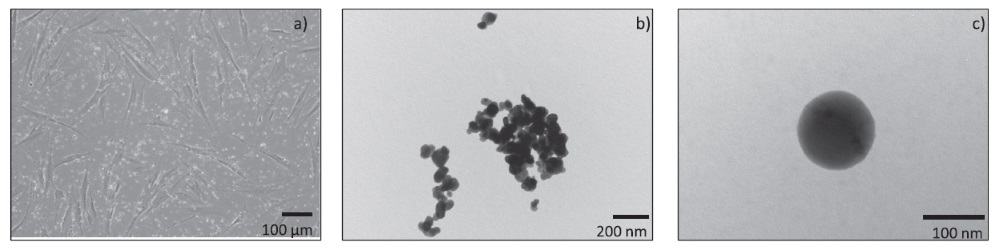
Nanoparticles deposited at tumour sites could enhance the effectiveness of radiation therapy by emitting UVC photons to augment cell killing by X-rays. The study, carried out by researchers in the US, reports that LuPO4:Pr3+-based radiosensitizers could reduce tumour recurrence and metastasis without increasing X-ray dose. Alternatively, such a system opens the door to similar tumour control with less radiation, to minimize damage to surrounding tissue (Radiother. Oncol. 10.1016/j.radonc.2018.06.016).
The scientists found that the local administered X-ray dose to human fibroblasts was effectively increased by a factor of at least two when cells had been incubated with LuPO4:Pr3+ nanoparticles. What’s more, the team point out that the resulting DNA damage in the irradiated cells is oxygen independent, which makes the approach particularly interesting for treating radio-resistant hypoxic tumours.
Although some agglomeration of the nanoparticles was detected, the majority of the material was sized in the range 50 – 200 nm and settled down in close proximity to the cells during the incubation period. The team adds that suspending the nanoparticles in complete cell culture medium with 10% serum was seen to reduce the agglomeration compared with suspending the material in water/phosphate-buffered saline.
Excitation of the nanomaterial by X-rays produced specific UV peaks between 220 and 285 nm to enhance cell lethality from X-ray irradiation. UV radiation produces two major types of DNA damage, cyclobutane dimers (CPDs) and 6–4 photoproducts, which can lead to permanent cell cycle arrest followed by cell inactivation.
In the study, the researchers confirmed the presence of such UV-induced DNA damage using a commercially available immunochemistry assay for CPDs.
Improved outcome
On its own, a 2 Gy dose of X-ray radiation decreased the surviving fraction of test cells to around 35%. However, when the same X-ray dose was applied to cells incubated with LuPO4:Pr3+ nanoparticles, the surviving fraction was reduced to as little as 2%.
As the researchers note, only cells in the immediate vicinity of the deposited nanomaterial are affected by the UVC-emission, as these photons are strongly absorbed within an extremely small distance of the LuPO4:Pr3+ particles, sparing normal tissue from exposure.
Pleased with the results of its bench testing, the group is keen to take its work further.
“We are currently making modifications to our nanoparticles to be able to use them in animals,” explains Martin Purschke, a researcher based at the Wellman Center for Photomedicine/Harvard Medical School. “This involves optimizing the size, shape and surface characteristics of the nanoparticles, and adding a coating and antibodies to make the particles more tumour-cell specific.”
The developments are designed to increase the efficacy of the formulation — enhancing its stability and longevity, for example — while lowering the risk of potential side effects.
Encouragingly, the team report no significant toxicity when low concentrations (less than 5 mg/ml) of LuPO4:Pr3+ nanoparticles were deposited in cell samples. In addition, no significant changes in toxicity were observed in fibroblasts for incubation periods up to 48 hours.
Once the scientists have succeeded in demonstrated the benefits in animal testing, they hope to start a clinical trial.
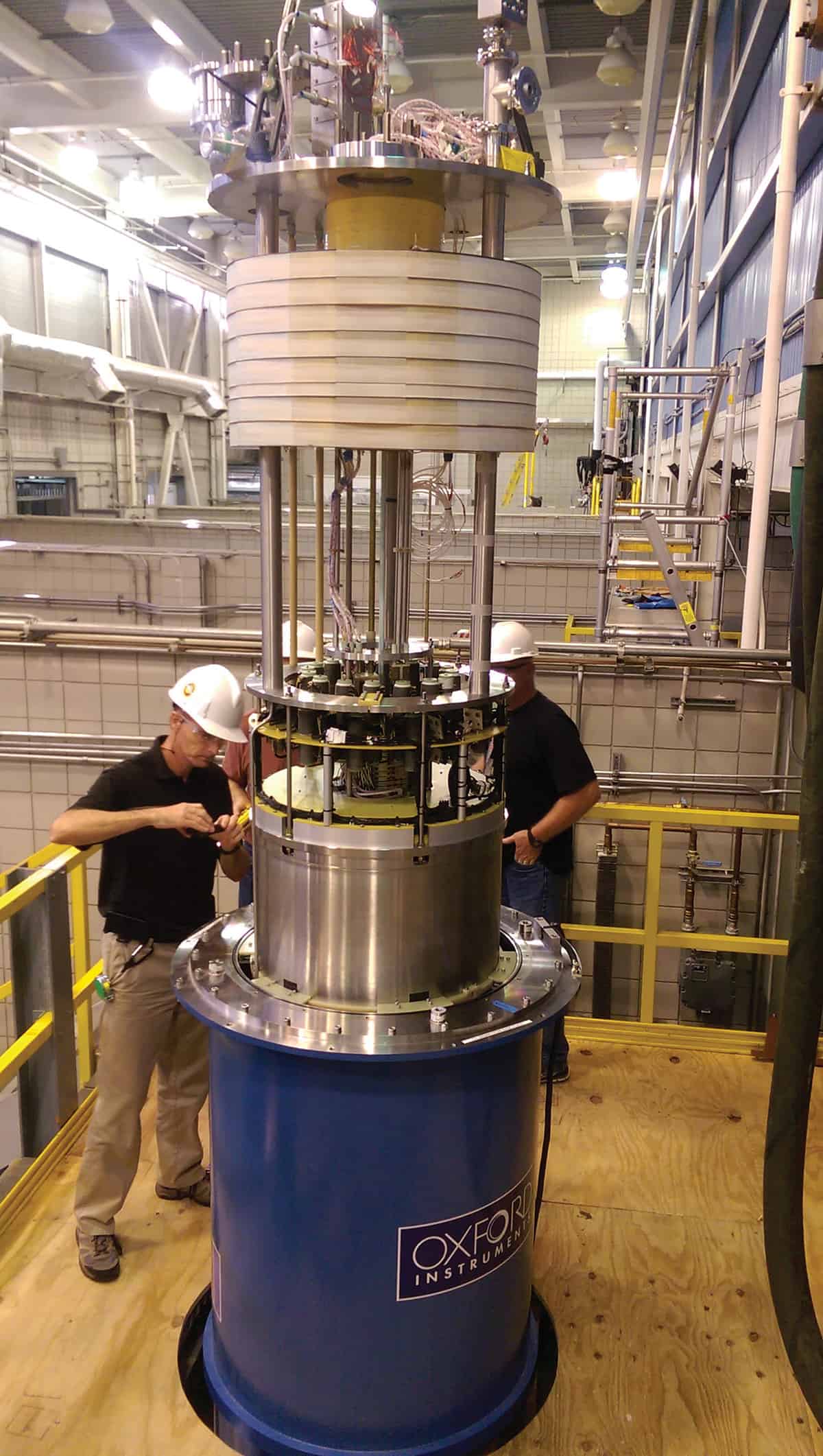
All together: The 32 T magnet lowered into its cryostat. (Courtesy: Huub Weijers, NHMFL, Florida)
Super-strong magnets are a relatively recent phenomenon. Before the 19th century, the only magnets available were naturally occurring rocks made from a mineral called magnetite. This began to change after 1819, when the Danish scientist Hans Christian Ørsted discovered that electric currents in metallic wires create magnetic fields, but the real leap in magnet strength did not come until nearly a century later, with the discovery of superconductivity. Superconductors conduct electricity with perfect efficiency, which is a huge advantage for making strong magnets: today’s most powerful commercially available superconducting magnets can produce a stable field of up to 23 T, which is more than 2000 times stronger than the magnet on your fridge.
In December 2017 improvements in low-temperature-superconductor (LTS) magnet technology, together with advances in high-temperature superconducting (HTS) materials, produced another change in magnet development. The successful demonstration of a 32 T all-superconducting magnet by the National High Magnetic Field Laboratory (NHMFL) in Florida, US, was a significant milestone in the field. The new super-magnet is expected to become available to users in 2019, and its high, stable field will help scientists break new ground in studies of nuclear magnetic resonance, electron magnetic resonance, molecular solids and quantum oscillation studies of complex metals, among other areas. In the longer term, the wider availability of such strong magnetic fields is also expected to enhance our understanding of superconductors and nanomaterials, leading to new nano-devices and applications.
There are, however, several challenges associated with designing and manufacturing magnets capable of producing fields of > 25 T. The amount of stored energy in systems like these is huge, and managing the electromagnetic forces and stresses associated both with energizing the magnet, and with allowing it to warm up and “quench” (as the transition from superconducting to resistive behaviour is known), is no easy task. Producing high-quality, uniform LTS and HTS wires and tapes by the metre (and indeed by the kilometre) is also difficult. The success of the 32 T final design did not happen overnight; rather, it was the product of intense engineering and materials development over nearly a decade.
Finding the right superconductor
A superconducting magnet of ≥25 T typically comprises an outer magnet (or “outsert”) made from LTS materials and an insert that uses HTS materials. In the 32 T NHMFL magnet, the outsert section consists of three coils of niobium-tin (Nb3Sn) and two coils of niobium-titanium (NbTi), all supplied by Bruker-Oxford Superconducting Technology. Together, these coils deliver a field of 15 T via a 250 mm wide-bore magnet. The insert section delivers 17 T in a 34 mm cold bore developed by NHMFL using advanced HTS superconducting tapes manufactured by Superpower Inc. The two sections were integrated by a team of scientists at the NHMFL, supported by a team at my company, Oxford Instruments Nanoscience, which also developed the magnet’s outsert and its cryogenic system.
Inner core: The high-temperature superconducting insert coils before they were assembled into the low-temperature superconducting outsert. (Courtesy: Oxford Instruments)
The dual-component design of high-field magnets is necessary because LTS-only magnets cannot produce a field much beyond 21 T at 4.2 K (or 23 T at 2.2 K) due to the physical limitations of LTS materials. For example, NbTi was developed in the 1970s and has been the “workhorse” of superconducting magnets ever since. However, NbTi material can only function as a superconductor at fields of up to 10 T at 4.2 K (and not more than 11.7 T at 2.2 K) for magnets with narrow bores of less than 60 mm. For larger-bore magnets, the maximum field is even lower, limiting the material’s usefulness in high-field magnets. Coils made from Nb3Sn material can remain superconducting at up to 23 T at 2.2 K, much higher than is possible for NbTi, but they also need to have a very fine filament-like structure to prevent a phenomenon known as flux jumping that dissipates energy in the superconductor and can cause the coil to quench prematurely. Hence, the manufacture of Nb3Sn wire has to be done with stringent quality-control procedures in place to ensure that it will perform stably at high fields.
HTS materials, in contrast, can carry significant current at 4.2 K, and they remain superconducting far above the magnetic field limits inherent to niobium-based wires, having shown good performance in fields of up to 45 T (which can be generated by magnets that incorporate resistive as well as superconducting coils). However, these materials come with additional challenges in terms of their cost, reliability and acceptance within the user community. The first generation of HTS wire was made from a cuprate-based superconductor, bismuth strontium calcium copper oxide (Bi-2212). This material performs consistently regardless of magnetic field orientation, but manufacturing it requires the material to undergo a very precise heat treatment in oxygen, after which it becomes extremely brittle and therefore highly strain sensitive. The NHMFL 32 T magnet uses a second-generation HTS wire made from YBCO, a superconducting ceramic composed of yttrium, barium, copper and oxygen. Production of YBCO wires and tapes has increased during the last few years, and their mechanical properties are better than for Bi-2212, but they display anisotropic effects with respect to field orientation that need to be accounted for in magnet design. They also require more sophisticated quench-management systems. In short, both materials have their challenges, but also some advantages, and are strong candidates for high-field magnets.
Managing stored energy and stress
For the superconductors in the magnet’s insert and outsert to operate, both components must be kept fully immersed in a bath of liquid helium at 4.2 K. A scant few μJ of additional energy – equivalent to the potential energy of a pin dropped from the height of just a few centimetres – would be enough to raise the temperature above the point where the coils become resistive, and the magnet undergoes a quench. When that happens, the helium boils off and all the energy stored in the magnet is released very quickly, risking damage to its structure if the quench process is not properly managed. The potential for damage is significant, too: at the maximum field of 32 T, the energy stored in the NHMFL magnet is more than 8.3 MJ, approximately equal to the energy in 2 kg of TNT.
High-field magnets already play an important role in enabling scientific research and development
How can you manage the dissipation of 8.3 MJ of energy in a way that won’t cause terminal damage either to the magnet or to objects around it? The solution is a quench-management system that releases the energy very quickly, but in a way that avoids magnet damage through thermal gradients or excessive voltages in the coil. This system (a dedicated and patented solution developed by Oxford Instruments) ensures that, during failure mode, all of the stresses on the coils and their voltages are kept within design limits to ensure no excessive challenge to material performance. For example, specially designed coil heaters are used to make the magnet coils resistive, which disperses the energy from the quench evenly and safely, and prevents sections of the coil being damaged by localized excessive voltages. In addition, the safety of the integrated magnet system is maintained by sensors that monitor small variations in temperature, voltage, current or the physical position of wires and tapes. Some of this information is then fed into a central processor, which determines whether a “real” quench event is occurring and, if necessary, discharges the stored energy in a timely and safe manner.
In addition to storing large amounts of energy, high-field magnets also experience huge degrees of electromagnetic stress. For a given magnet, the quantity of mechanical stress increases quadratically with the field strength, and at 32 T these stresses add up to more than 300 tonnes, with a magnetic pressure of more than 250 MPa. Traditional ways of reinforcing magnetic coils involve impregnating them with wax to create a self-supporting structure that prevents the Lorentz force on the coil from damaging them during operation, or mechanical movement leading to repeated coil quench. However, at very high fields this is not enough. Instead, the coils for the LTS outsert were evacuated in a special vacuum chamber, and the chamber was then brought back up to atmospheric pressure after epoxy resin had been introduced to replace the air voids within the coils. This process makes it possible for the coils to withstand forces exceeding 300 tonnes.
Prospects for discoveries
High-field magnets already play an important role in enabling scientific research and development. Many significant discoveries, including several that were subsequently honoured with Nobel prizes in physics, chemistry or medicine, have been made with the help of strong magnetic fields. High-field superconducting magnets are also an essential technology for particle accelerators and colliders, and they play a critical role in fusion devices such as the International Thermonuclear Experimental Reactor (ITER).
In my view, though, some of the most exciting future applications for devices like the 32 T NHMFL magnet can be found in the field of nanotechnology. High-field magnets will enable the study and manipulation of atoms and molecular structures in the range 1–100 nm, helping us to understand how the properties of materials at this scale can be improved to achieve greater strength, enhanced reactivity, better catalytic function and higher conductivity. In combination with low temperatures, high fields are also a crucial aid in studying, modifying and controlling new states of matter. Superconducting magnets provide these high magnetic fields without the enormous power consumption and large infrastructure requirements of resistive magnets. The new, even more compact 32 T magnet will reduce the associated running costs still further, making high-field research accessible to a broader range of scientists and institutions.
Researchers in the US have discovered a natural mechanism whereby byproducts of radioactive decay are stored underground – rather than escaping into the wider environment. Evan Groopman of the US Naval Research Laboratory and colleagues studied an unusual sample of uranium ore that was mined from a rare underground geologic formation in the Oklo region of Gabon. The formation once functioned as a natural nuclear reactor, which sustained the same fission reactions as human-built nuclear power plants
By analyzing the sample’s chemistry, they found that fission-produced caesium and barium had been captured in rock grains containing ruthenium – which is also a fission product. This natural process could be adapted into new storage technologies for waste from nuclear reactors.
The Oklo formation consists of 16 distinct sites and was discovered in 1972 when a worker at a French nuclear processing plant noticed a sample of uranium ore with a low relative abundance of uranium-235. Such a low abundance is usually found in depleted uranium that has been used as fuel in a nuclear reactor.
Neutron moderation
Researchers deduced that the uranium-235 had decayed via a fission chain reaction that occured about two billion years ago. They also figured out that the process was only possible because the uranium deposit was relatively large and flush with groundwater. Water acts as a neutron moderator, reducing the energy of neutrons emitted during fission and increasing the likelihood that they will go on to cause more fission events.
It takes an incredible confluence of conditions for these natural nuclear reactors to occur
Evan Groopman
The site studied by Groopman’s team sustained fission sporadically over about 24,000 years. “It takes an incredible confluence of conditions for these natural nuclear reactors to occur,” he says.
The ore sample was a small square tile about 4 mm wide and 1 mm thick. The researchers analysed it using a new instrument built by the team and called NAUTILUS. It can characterize a sample’s chemistry without having to dissolve it. The machine combines two different techniques, secondary ion mass spectrometry (SIMS) and accelerator mass spectrometry (AMS). “We made a Frankenstein of sorts,” says Groopman.
Both techniques identify the chemical makeup of a sample by ionizing atoms on its surface and then sorting them by mass. The SIMS can provide spatial information on where on the sample the ions originated, whereas AMS can detect trace elements.
Splitting molecules
NAUTILUS can spatially resolve grains down to 10 micron in size. In addition, the machine can take an extra step to split a molecule into constituent atoms. Many mass spectrometry machines only sort particles by mass and cannot necessarily distinguish between a heavy atom and a molecule of equal mass.
The ancient fission process produced several elements including barium, caesium, and ruthenium. Groopman and colleagues found that the barium and caesium would then bind to the ruthenium. Although the caesium has since decayed and thus disappeared from the sample, the team measured the daughter isotopes produced by the decay.
The binding of caesium is particularly significant, says Groopman, because the element is volatile and it usually escapes into the atmosphere in human-built reactors. In addition, caesium-135 has a half-life of two million years, which means that it remains risky as a nuclear waste product for a very long time.
The team also found that the sample has the lowest relative abundance of uranium-235 of any rock ever analyzed, to their knowledge. Normally on Earth, uranium-235 makes up about 0.7255% of uranium isotopes in a sample – whereas the Oklo sample contained about half that amount.
Remarkable precision
Also, by tracking the different ratios of barium and caesium isotopes, the team could tell that it took about five years for the ruthenium grains to form after fission in the reactor stopped. This precision is particularly remarkable because the absolute age of the uranium deposit can only be determined on the order of millions of years, says Rodney Ewing of Stanford University in the US, who was not involved with the work.
To design better nuclear waste storage, researchers have been drawing inspiration from these natural nuclear reactors for years, says Ewing. Groopman thinks that these ruthenium compounds might be especially useful. “Perhaps nuclear fuel storage casks could be lined with an additional mineral or element that binds with and captures the caesium,” he says. “Then the caesium can be stored over a longer term, so it has time to decay.” To that end, Groopman says that they need to further study the structure of the ruthenium metal sulfide compounds.
This further study could also help them better understand the natural nuclear reactors. “The overarching goal is to figure out how all these different [fission-produced] isotopes migrate and were contained in the reactor fuel,” says Groopman.
In the August episode of the Physics World Stories podcast Andrew Glester investigates the challenges of moving towards personal transport with a smaller carbon footprint. While flying cars powered by hydrogen are unlikely to hit mass market anytime soon, Glester instead looks at some of the realistic solutions for the present and the near future. Along the way, he gets the thoughts of various people he met at Blue Dot 2018 – a festival blending science, art and music.
Francis Hill from the Centre for Alternative Energy gives her opinion on why citizens in developed countries need to reconsider their lifestyle choices. Her proposed changes include travelling less and using fewer non-renewable materials such as single-use plastics.
Kevin Anderson is part of a group called Rapid Acceleration of Car Emission Reductions (RACER), which is part of the Tyndall Centre for Climate Change Research. Anderson believes that petrol-powered cars still have a role to play in the short-medium term future, but they use should be limited in urban areas. Increasingly, journeys will be made by alternative means, especially by electric bicycles (e-bikes).
Michael Taylor is a PhD student at the Power Networks group based at the University of Manchester. Taylor highlights the fact that a rapid growth in use electric car will put a big strain on power networks – caused by large volumes of people recharging their vehicles at the same time. He is investigating solutions, such as smart-charging systems that respond to the level of demand.
Finally, Glester meets a couple of students from Durham University’s society for electric motorsport. They are part of a team developing a new solar-powered race car to improve on existing models, which they will enter into competitions. They discuss the outlook for solar-powered and hybrid-solar cars hitting the market place.
Here is an embarrassing story: when I was an undergraduate I answered all the questions on a physics quiz using the “left hand rule”. Why? Because I am right-handed and was holding my pen in that hand! Fortunately, the marker quickly realized that I was living in a mirror universe and didn’t penalize me too severely.
I was reminded of this story because Switzerland has chosen to illustrate its new 200CHF note with an image of the right hand rule. The chiral note – which is worth about $200 – will be launched on Monday and has an image of a proton-proton collision at CERN’s Large Hadron Collider on the other side. There is more about the note on the Swiss National Bank website.
It is wildfire season in the northern hemisphere, with British Columbia the latest place to declare a fire emergency. South of the Canada-US border in Montana, researchers at the Missoula Fire Sciences Laboratory are looking at how exceptionally powerful tornado-like winds can be created by wildfires. One such “firenado” was spotted during a wildfire in California lasted for 90 minutes as its 230 km/h winds uprooted trees and downed power lines.
The work of Missoula’s Mark Finney and colleagues is described in a nice article in The New York Times by Jim Robbins. The article was recommended by my colleague Margaret Harris, who visited the lab on what she describes as a “nerdy holiday”. She says that if you ever get an invitation to visit, grab it.
There is more about Finney’s research in the above video.
Researchers in Japan have developed new plasmonic tweezers that can gently capture and trap micron- and submicron-sized particles at specific locations in a fluid. The devices, which work in the near-infrared wavelength region using low-intensity incident laser light, could be integrated into lab-on-a-chip devices that can trap and transport biological cells.
Being able to manipulate nanoscale objects in liquid environments is one of the main goals of modern nanotechnology. Researchers usually do this by trapping particles with optical, acoustic, magnetic, electric or flow fields, and such technologies have led to breakthroughs in biophysics and microfluidics in recent years. However, the problem is that it is difficult to control objects that are sub-micron in size using these techniques since the trapping force decreases with the size of the object.
Plasmonic tweezers, which work by exploiting the localized electromagnetic fields near metallic nanostructures, are a solution to this problem because they can trap objects that are subwavelength in size. Indeed, researchers have already succeeded in trapping particles that are 10 nm in diameter or smaller using these devices. They have also made plasmonic tweezers based on large arrays to optically transport dielectric micron and submicron particles across a chip.
Another advantage of these devices is that their resonance frequency can be tuned towards the near-infrared (NIR) part of the electromagnetic spectrum. This frequency does not photodamage trapped particles nor does it heat them up – something that is particularly important for biological samples.
Multiple electric field “hot spots” trap particles
In their work, researchers led by Nic Chormaic of the Light-Matter Interactions Unit at the Okinawa Institute of Science and Technology Graduate University developed a noble metal annular aperture array in which they can simultaneously generate multiple dipole-like plasmonic resonances. These resonances produce multiple electric field “hot spots” that can trap particles. “We used this configuration to increase the density of trapping sites and therefore improve the trap stiffness of the particles over the surface of the annular apertures,” explains Viet Giang Truong, who is lead author of this study.
“We fabricated the nano-apertures on 50-nm-thick gold coverslips (from PHASIS Geneva, BioNano) using a focused ion beam (FIB) milling method,” says Truong. “We used a modified Thorlabs optical tweezers kit (OTKB) to trap particles and packed the plasmonic chip in a sample cuvette containing 0.5 μm and 1 μm polystyrene microparticles in deionized water. A Ti:Sapphire laser, with a focused beam diameter of about 1 μm and a wavelength tuned from 940 to 980 nm was used for the trap.”
The researchers used their plasmonic tweezer arrays to gently trap and transport micron- and submicron-sized particles to an assigned location at non-damaging low trapping intensities (< 1.5 mW/μm2) in the NIR wavelength region. They say that the devices could be integrated into lab-on-a-chip devices to trap and transport large particles such as biological cells using low incident power and a trapping laser frequency that can be tuned.
“In a recent extension of this work, we have shown that we can sequentially trap individual 30-nm-diameter polystyrene particles in multiple trapping sites of a similar plasmonic nanoring array,” Truong tells Physics World. “This study will appear in the journal Photonics Research (a preprint is already available at arxiv.org/abs/1805.01585).
“Based on these experimental results, we wish to develop a compact and user-friendly plasmonic nanotweezers systems that will allow us to sort specific particles, such as infected cells, from a mixed population. Such a device could not only be used to confirm the presence of these infected cells but also to trap, control and obtain genotypic type information through the binding processes of trapped proteins and molecules in the samples being tested.
Researchers in China have developed a new way to make life-like artificial wood on a large scale from a polymer called resol, which is very similar to lignin (the compound found in natural wood). The manmade wood is as light and strong as its natural counterpart, but it is also resistant to fire and acid.
Wood is one of the most common natural materials. It has many good properties, such as its light weight and high strength, which comes from its unique hierarchical cellular structure and matrix (made from lignin and hemicellulose) embedded with well-oriented cellulose fibrils. Wood grows (very slowly) in a controlled, bottom-up way and every structural level contributes to its remarkable properties.
In recent years, researchers have succeeded in making “super-woods” by modifying the microstructure of natural wood or combining wood-derived cellulose with synthetic materials. Although these materials are impressive in terms of biodegradability and are tough, they are still inflammable and not very resistant to corrosion by acids. Ceramic-based woods grown up by bottom up techniques (such as freeze-casting or 3D printing) using polymers as the binders and micro- or nano-scale powders as the building blocks also show promise but they are often mechanically weak and their microstructures cannot be easily controlled.
A “chemical web”
Researchers led by Shu-Hong Yu of the University of Science and Technology of China (USTC) are now putting forward a new way to quickly make bulk quantities of synthetic polymeric wood that looks and feels very much like the real thing. To do this, they first dissolved resol in an acid chitosan solution to form a homogenous mixture. They then poured the solution into a mould (for example, an open-ended cylinder) placed on a cold copper platform and frozen in one direction at a constant freezing rate. “We then immersed the copper in a liquid nitrogen bath and after freeze-drying, cured the polymeric cryogel at high temperatures of 180°C,” explains Yu.
“Resol, which is very similar to natural lignin, acts as ‘chemical web’ that holds the cellulose fibrils in the chitosan together,” he adds. “We were thus able to create matrices on which self-directing crystals grow at low temperatures. Different particles, such as metal ions and nanowires/sheets can be incorporated into the polymeric wood at this stage to vary its appearance or physical properties.
“We can control the cellular structure of the new wood (its components, pore size and wall thickness) during fabrication,” Yu tells Physics World. “The wood has many good properties. These include its low density (90-600 mg/cm3) and high compressive strength (of 45 MPa), which is comparable to that of natural wood.”
And that is not all: the polymeric wood is also resistant to acid, in contrast to natural wood, with no decrease in mechanical properties. “It is also boasts a thermal conductivity as low as around 21 mW/m/K, which puts it on the same rank as state-of-the-art thermal insulators, like polymer/SiO2 hybrid composites,” adds Yu. “It is also a good fire retardant and self-extinguishes quickly when removed from the igniting flame – something that is not at all the case for natural wood.”
The researchers say that their new wood might be used as an alternative to natural wood in harsh environments. “Our new strategy to make artificial wood could also be applied to engineer a wide range of high-performance biomimetic engineering composite materials with specific functions that are better than their traditional counterparts,” says Yu. “These materials will find broad applications in a host of technologies.”
The team, reporting its work in Science Advances 10.1126/sciadv.aat7223 is now busy improving the weather resistance of its polymeric wood so that it can be used in practical outdoor applications. “We are also trying to make other classes of artificial woods by using materials other than resol.”